Introduction to LED Lighting Technology
Light Emitting Diodes (LEDs) have revolutionized the lighting industry, offering a versatile and energy-efficient alternative to traditional incandescent and fluorescent bulbs. For lighting contractors, understanding the various types of LED bulbs and their applications is essential to designing and implementing modern lighting solutions that meet client demands for efficiency, longevity, and quality.
LED technology is based on semiconductor materials that emit light when an electric current passes through them. Unlike traditional bulbs that rely on heating a filament or exciting gases, LEDs produce light through electroluminescence, resulting in less energy waste and reduced heat output. This fundamental difference underpins the advantages that LED lighting brings to both residential and commercial projects.
One of the most significant benefits of LED lighting is its longevity. LEDs can last up to 25,000 hours or more, significantly outlasting traditional bulbs, which typically last around 1,000 hours. This extended lifespan not only reduces the frequency of replacements but also minimizes maintenance costs, making LEDs an attractive option for both homeowners and businesses. Furthermore, the durability of LEDs means they are less prone to breakage, which is particularly advantageous in high-traffic areas or outdoor settings where traditional bulbs may be more vulnerable.
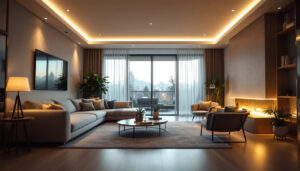
In addition to their longevity, LEDs offer a wide range of color temperatures and brightness levels, allowing for greater customization in lighting design. From warm white tones that create a cozy atmosphere in residential spaces to bright daylight options that enhance productivity in office environments, the versatility of LED lighting can cater to diverse aesthetic and functional needs. Moreover, advancements in dimming technology and smart lighting integration have made it possible for users to control their lighting systems more intuitively, further enhancing the user experience and energy savings.
Key Advantages of LED Bulbs
Before diving into the specific types of LED bulbs, it’s important to highlight the benefits that make LEDs the preferred choice in modern lighting solutions:
- Energy Efficiency: LEDs consume up to 80% less energy compared to incandescent bulbs, significantly lowering electricity costs.
- Longevity: With lifespans often exceeding 25,000 hours, LED bulbs reduce maintenance and replacement frequency.
- Durability: LEDs are solid-state devices, making them more resistant to shock, vibration, and external impacts.
- Environmental Impact: LEDs contain no mercury and have a smaller carbon footprint, aligning with sustainable building practices.
- Light Quality: LEDs offer excellent color rendering and are available in a wide range of color temperatures, enabling tailored lighting designs.
In addition to these key advantages, LED technology has evolved rapidly, leading to innovations that enhance their functionality and versatility. For instance, many LED bulbs now come with smart features, allowing users to control brightness and color through smartphone apps or voice commands. This integration of technology not only adds convenience but also enables users to create dynamic lighting environments that can adapt to various activities, moods, or times of day. Moreover, the growing trend of smart homes has made LED bulbs a cornerstone of modern home automation systems, further solidifying their status as a leading choice in lighting.
Another noteworthy aspect of LEDs is their ability to provide instant illumination without the warm-up time associated with some traditional lighting options. This feature is particularly beneficial in spaces where immediate lighting is essential, such as hallways or entryways. Additionally, the directional nature of LED light allows for more efficient use of light in specific areas, reducing wasted illumination and enhancing overall lighting design. As a result, LEDs not only improve energy efficiency but also contribute to more effective and aesthetically pleasing lighting solutions in both residential and commercial settings.
Types of LED Bulbs and Their Applications
LED bulbs come in various shapes, sizes, and configurations, each suited to specific lighting needs. For contractors, selecting the right type of LED bulb is critical to achieving optimal performance and client satisfaction.
Standard LED Bulbs (A-Type)
These bulbs are designed to replace traditional incandescent bulbs and are typically used in residential and commercial fixtures such as table lamps, ceiling fixtures, and wall sconces. The A-type LED bulbs have a familiar pear-shaped design, making them an easy retrofit option.
They are available in a variety of wattages and color temperatures, ranging from warm white (2700K) to daylight (5000K), allowing for versatile use in different environments. Their compatibility with dimmers and smart home systems further enhances their appeal in modern lighting designs.
LED Candle and Globe Bulbs
For decorative fixtures such as chandeliers, sconces, and vanity lighting, LED candle and globe bulbs provide both aesthetic appeal and energy efficiency. Candle-shaped LEDs mimic the flickering effect of traditional flame bulbs, offering a classic look with modern performance.
Globe LED bulbs, often used in bathroom vanities and pendant lighting, deliver uniform light distribution and come in various sizes to fit different fixture designs. Both types support dimming and come in multiple color temperatures to complement interior styles.
LED Tubes (T8 and T5)
Replacing fluorescent tubes, LED tubes are widely used in commercial, industrial, and institutional settings. T8 and T5 LED tubes offer significant energy savings and improved light quality compared to their fluorescent counterparts.
These tubes are available in plug-and-play versions that work with existing ballasts, as well as direct-wire options that bypass ballasts for increased efficiency and reduced maintenance. Their long lifespan and instant-on capabilities make them ideal for high-traffic areas such as offices, schools, and warehouses.
LED Spotlights and Reflector Bulbs (MR16, PAR Series)
Spotlights and reflector bulbs are essential for accent lighting, retail displays, and outdoor security lighting. MR16 LED bulbs are compact and provide focused, directional light, perfect for track lighting and recessed fixtures.
PAR (Parabolic Aluminized Reflector) LED bulbs come in various sizes (PAR20, PAR30, PAR38) and deliver powerful, controlled beams suitable for floodlighting and stage lighting. These bulbs are often used in commercial settings where precise illumination is necessary.
Smart LED Bulbs
Smart LED bulbs integrate wireless connectivity, allowing users to control lighting remotely via smartphones or voice assistants. These bulbs offer adjustable brightness, color temperature, and even color-changing capabilities, making them ideal for dynamic environments such as offices, hospitality venues, and smart homes.
For contractors, installing smart LED systems can add value by providing clients with customizable lighting solutions that enhance comfort, productivity, and energy management.
Factors to Consider When Selecting LED Bulbs
Choosing the right LED bulb involves more than just matching wattage and base type. Lighting contractors must consider several factors to ensure the lighting solution meets performance, aesthetic, and regulatory requirements.
Color Temperature and Color Rendering Index (CRI)
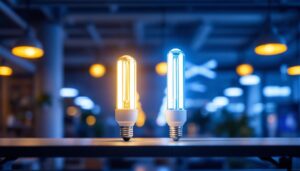
Color temperature, measured in Kelvin (K), affects the ambiance of a space. Warm white (2700K-3000K) creates a cozy atmosphere, while cool white (4000K-5000K) promotes alertness and is preferred in workspaces. Daylight bulbs (5000K and above) simulate natural sunlight and are used in areas requiring high visibility.
CRI measures how accurately a light source reveals colors compared to natural light. LEDs with a CRI of 80 or higher are generally recommended for most applications, while specialty settings may require CRI values above 90 for true color fidelity.
Lumen Output and Beam Angle
Lumens quantify the amount of visible light emitted by a bulb. Contractors should select bulbs with appropriate lumen output to ensure sufficient illumination without glare or wasted energy. Beam angle determines the spread of light; narrow beams are used for accent lighting, while wide beams are suitable for general illumination.
Compatibility and Retrofit Considerations
When upgrading existing fixtures, compatibility with dimmers, sensors, and control systems is crucial. Some LED bulbs require specific drivers or ballasts, and improper matching can lead to flickering or reduced lifespan. Understanding the electrical and mechanical requirements of the installation site helps avoid costly errors.
Regulatory Compliance and Certifications
LED bulbs must comply with regional energy efficiency standards and safety certifications such as ENERGY STAR, DLC (DesignLights Consortium), and UL listings. These certifications assure quality, performance, and eligibility for utility rebates, which can be a selling point for clients.
Emerging Trends in LED Lighting
The LED lighting industry continues to evolve with innovations that expand functionality and integration possibilities.
Human-Centric Lighting
Human-centric lighting adjusts color temperature and intensity throughout the day to support circadian rhythms, improving well-being and productivity. LEDs capable of tunable white light are increasingly incorporated into office and healthcare environments to create adaptive lighting schemes.
Integration with Building Automation
LED lighting systems are now commonly integrated with building management systems (BMS) for centralized control, energy monitoring, and automated scheduling. This integration enhances energy savings and operational efficiency, especially in large commercial and industrial facilities.
Advances in LED Materials and Design
Research into new semiconductor materials and improved thermal management is leading to brighter, more efficient LEDs with even longer lifespans. Innovations in optics and lens design allow for more precise light distribution, reducing light pollution and enhancing visual comfort.
Conclusion: The Strategic Role of LED Bulbs in Modern Lighting
For lighting contractors, mastering the diverse types of LED bulbs and their applications is fundamental to delivering cutting-edge lighting solutions. LEDs not only provide superior energy efficiency and durability but also offer unmatched flexibility in design and control.
By staying informed about the latest LED technologies, regulatory requirements, and emerging trends, contractors can optimize lighting projects to meet client expectations for performance, aesthetics, and sustainability. As the lighting industry continues to embrace LED innovation, these bulbs will remain at the forefront of modern lighting strategies.
Illuminate Your Projects with LumenWholesale
Ready to elevate your lighting solutions with the most efficient, durable, and versatile LED bulbs on the market? Look no further than LumenWholesale, where we specialize in providing lighting contractors with spec-grade lighting products at unbeatable wholesale prices. Say goodbye to local distributor markups and hello to a vast selection of top-quality lighting that meets the highest industry standards. With free shipping on bulk orders, LumenWholesale ensures you get premium lighting at the best value — without hidden fees or compromises. Make your next project shine by choosing the perfect blend of quality, affordability, and convenience. Wholesale Lighting at the Best Value awaits you at LumenWholesale.