Understanding the Fundamentals of Track Lighting Systems
Track lighting has become a staple in both residential and commercial lighting design due to its flexibility, aesthetic appeal, and functional advantages. For lighting contractors, mastering the nuances of track lighting replacement fixtures is essential to delivering high-quality service and ensuring client satisfaction.
At its core, a track lighting system consists of a track, which serves as the electrical conduit, and interchangeable fixtures that can be repositioned along the track. This modularity allows for dynamic lighting arrangements that can be adapted to changing needs or design preferences without rewiring or major renovations. The ability to easily adjust the positioning of lights makes track systems particularly appealing for spaces that require versatile lighting solutions, such as art galleries, retail stores, and home offices.
Before diving into replacement fixtures, contractors must familiarize themselves with the different types of track systems—H, J, and L types being the most common. Each has unique electrical configurations and compatibility requirements that directly impact fixture selection and installation. Additionally, understanding the various styles of fixtures available, such as spotlights, pendants, and floodlights, can further enhance the functionality and aesthetics of the lighting design.
Track Types and Compatibility Considerations
The H-type track system is typically rated for 120 volts and is widely used in residential and light commercial applications. J-type tracks, often rated at 277 volts, are favored in commercial and industrial settings due to their higher voltage capacity. L-type tracks are less common but offer a low-voltage option, usually 12 or 24 volts, requiring a transformer. Each track type not only influences the electrical setup but also determines the style and design of the fixtures that can be used, allowing contractors to tailor their lighting solutions to the specific needs of their clients.
Understanding these distinctions is critical because using an incompatible fixture can lead to electrical failures, safety hazards, or suboptimal lighting performance. Lighting contractors should always verify the track type and voltage before recommending or installing replacement fixtures. Moreover, they should consider the lumen output and color temperature of the bulbs used in the fixtures, as these factors can dramatically affect the ambiance of a space. For instance, warm white bulbs may create a cozy atmosphere in a living room, while cool white bulbs can enhance focus and productivity in an office environment. By taking these elements into account, contractors can ensure that their lighting designs not only meet functional requirements but also elevate the overall aesthetic appeal of the space.
Selecting the Right Replacement Fixtures: Key Factors to Consider
Choosing the appropriate replacement fixtures goes beyond simply matching the physical size or style. Contractors must evaluate several technical and aesthetic factors to ensure the new fixtures meet both functional requirements and design expectations.
Electrical Compatibility and Safety Standards
Electrical compatibility is paramount. Replacement fixtures must align with the track’s voltage and current ratings. Additionally, adherence to safety standards such as UL listing or ETL certification ensures that fixtures meet rigorous testing for electrical safety and fire resistance.
Contractors should also consider the fixture’s wattage and the total load capacity of the track. Overloading a track can cause overheating and potential failure. It’s advisable to calculate the cumulative wattage of all fixtures on a track and stay within the manufacturer’s recommended limits. Furthermore, it is crucial to verify the wiring and connections of the existing track system to prevent any electrical mishaps. Regular inspections and updates to wiring can enhance safety and efficiency, making it a wise practice for contractors to incorporate into their service offerings.
Light Source and Efficiency
LED technology has revolutionized track lighting, offering superior energy efficiency, longer lifespan, and better light quality compared to traditional halogen or incandescent bulbs. When selecting replacement fixtures, contractors should prioritize LED options to provide clients with energy savings and reduced maintenance.
Color temperature and color rendering index (CRI) are also important. For retail or gallery environments, high CRI fixtures (above 90) help showcase products or artwork accurately. Warmer color temperatures (2700K–3000K) are typically preferred in residential settings for a cozy ambiance, while cooler temperatures (3500K–4100K) suit commercial spaces. Additionally, the ability to dim LED fixtures can enhance the versatility of the lighting design, allowing users to adjust the ambiance according to different activities or times of day. This flexibility can be particularly beneficial in multi-functional spaces where lighting needs may vary significantly.
Adjustability and Beam Angle
Track lighting’s versatility is largely due to its adjustable fixtures. Replacement fixtures should offer adequate swivel and tilt capabilities to direct light precisely where needed. Beam angle influences how focused or diffuse the light is—narrow beams (15°–30°) highlight specific objects, while wider beams (40°–60°) provide general illumination.
Contractors must assess the client’s lighting goals and space layout to recommend fixtures with appropriate adjustability and beam spread, ensuring optimal lighting performance and aesthetic appeal. Moreover, considering the height of the ceiling and the intended use of the space can further refine the selection process. For instance, in spaces with high ceilings, fixtures with a more focused beam angle may be necessary to ensure that light reaches the intended areas effectively. Additionally, the integration of smart lighting technology can enhance the functionality of track lighting, allowing users to control brightness and color temperature remotely, thus adding another layer of customization to the lighting experience.
Installation Best Practices for Track Lighting Replacement
Proper installation is critical to the functionality and longevity of track lighting systems. Lighting contractors should adhere to best practices that prioritize safety, efficiency, and ease of future maintenance.
Pre-Installation Assessment and Preparation
Before replacing fixtures, conduct a thorough inspection of the existing track and electrical connections. Look for signs of wear, corrosion, or damage that might compromise safety or performance. If the track itself is deteriorated, replacement may be necessary rather than just swapping out fixtures.
Turn off power at the circuit breaker and use a voltage tester to confirm that the track is de-energized. Proper labeling and communication with clients about power shutdowns help prevent accidents and service interruptions. Additionally, it’s advisable to create a checklist of all tools and materials needed for the installation. This proactive approach minimizes delays and ensures that all necessary components, such as connectors and mounting hardware, are readily available.
Fixture Replacement Techniques
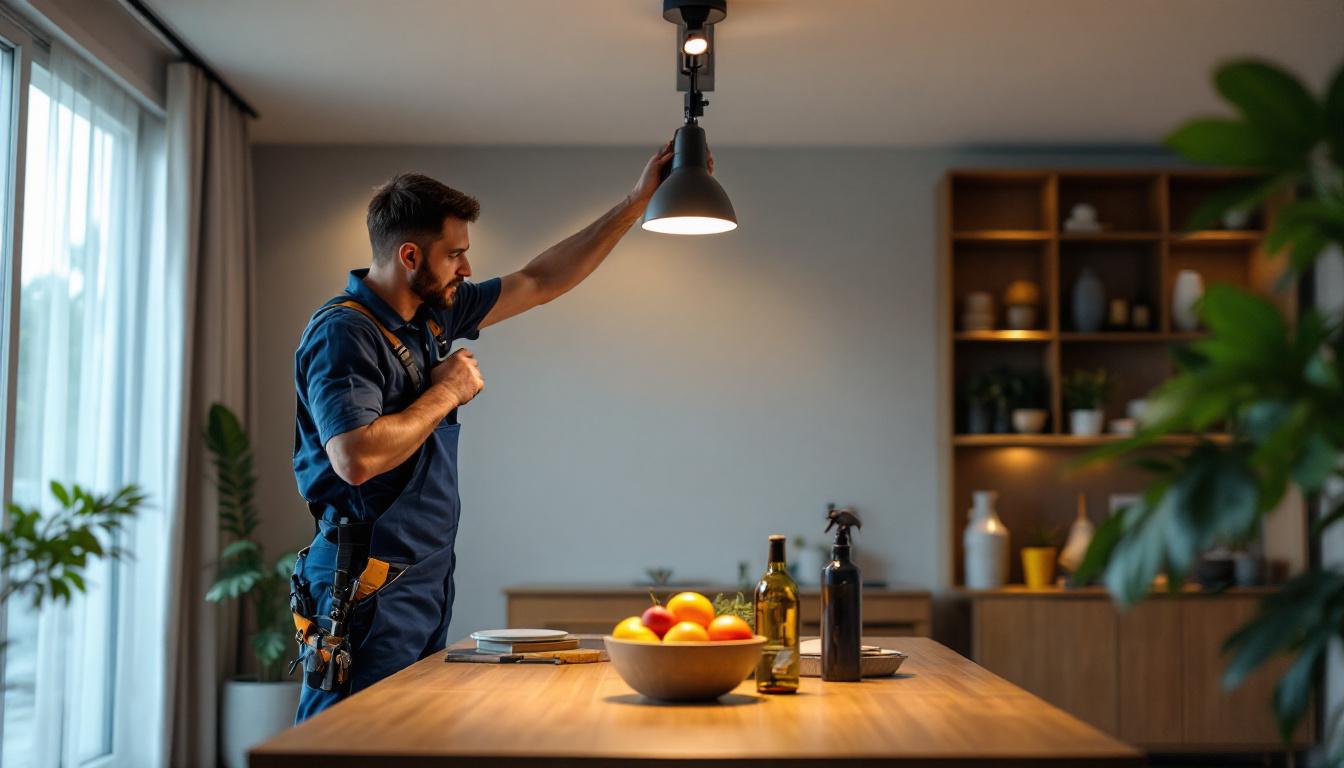
When removing old fixtures, handle them carefully to avoid damaging the track or electrical contacts. Some fixtures use a simple twist-and-lock mechanism, while others may require releasing locking tabs or screws. Familiarity with various fixture attachment methods speeds up the process and reduces the risk of damage.
Installing new fixtures requires aligning the fixture’s contacts precisely with the track’s conductors. Ensure a secure fit to prevent flickering or intermittent power issues. After installation, test each fixture individually to verify proper operation before restoring power to the entire system. Moreover, consider the angle and positioning of each fixture to optimize light distribution. This attention to detail can significantly enhance the overall ambiance of the space, making it more inviting and functional.
Maintaining Aesthetic Consistency
Replacing fixtures in a multi-fixture track lighting setup often involves maintaining a consistent look. Contractors should advise clients on fixture styles and finishes that complement existing décor or recommend a full fixture upgrade if the current style is outdated.
Mixing different fixture types or finishes can disrupt the visual harmony of the lighting design. Providing samples or mock-ups can help clients visualize the final outcome and make informed decisions. Furthermore, it’s beneficial to discuss the impact of color temperature on the overall atmosphere of the room. Warmer tones can create a cozy environment, while cooler tones may enhance productivity in workspaces. By understanding these nuances, contractors can guide clients towards choices that not only meet their aesthetic preferences but also align with the intended use of the space.
Troubleshooting Common Issues with Replacement Fixtures
Even with careful selection and installation, lighting contractors may encounter challenges when working with track lighting replacement fixtures. Being prepared to diagnose and resolve these issues efficiently is a hallmark of professional expertise.
Flickering or Intermittent Lighting
Flickering often results from poor electrical contact between the fixture and the track or from incompatible dimmers. Inspect the fixture’s connectors for dirt or corrosion and clean them if necessary. Verify that the replacement fixture is compatible with existing dimming controls or recommend upgrading to compatible dimmers designed for LED fixtures.
Overheating and Fixture Failure
Overheating can be caused by exceeding the track’s wattage capacity or using fixtures not rated for the track’s voltage. Ensure that all fixtures comply with manufacturer specifications and that the total wattage does not surpass the track’s limit. Installing fixtures with built-in thermal protection can also enhance safety.
Uneven Lighting or Shadows
Improper fixture positioning or beam angle selection can lead to uneven illumination or unwanted shadows. Reassess the layout and adjust fixture angles accordingly. In some cases, adding supplemental lighting or using diffusers can improve light distribution.
Enhancing Client Satisfaction Through Education and Communication
Lighting contractors who invest time in educating clients about track lighting options and maintenance foster trust and long-term relationships. Clear communication about the benefits of LED fixtures, energy savings, and proper usage helps clients make informed decisions and appreciate the value of professional installation.
Providing maintenance tips, such as periodic cleaning of fixtures and checking electrical connections, empowers clients to extend the lifespan of their lighting systems. Offering follow-up services or inspections can further enhance client satisfaction and generate repeat business.
Conclusion: Elevating Expertise in Track Lighting Replacement
Mastering the selection and installation of track lighting replacement fixtures is a vital skill for lighting contractors aiming to deliver exceptional results. By understanding track system types, prioritizing electrical compatibility, embracing energy-efficient technologies, and adhering to best installation practices, contractors can ensure safe, effective, and aesthetically pleasing lighting solutions.
Proactive troubleshooting and client education further distinguish professionals in this competitive field. As lighting technology continues to evolve, staying informed and adaptable will enable contractors to meet diverse client needs and maintain a reputation for excellence in track lighting services.
Get Your Premium Track Lighting Supplies at LumenWholesale
Ready to elevate your track lighting installations with the finest selection of replacement fixtures? Look no further than LumenWholesale, where we specialize in providing lighting contractors with high-quality, specification-grade lighting products at exceptional wholesale prices. Our commitment to cutting out the middleman means you get access to a vast array of reliable and high-performance lighting options without the inflated costs. Plus, with free shipping on bulk orders, you can stock up on everything you need while maximizing your project budget. Don’t settle for less—choose LumenWholesale for the perfect combination of quality, value, and convenience. Discover our unbeatable deals and enhance your lighting expertise today by visiting Wholesale Lighting at the Best Value.