Understanding Switchable Solar Lights: What Sets Them Apart?
Switchable solar lights are transforming outdoor lighting projects with their adaptability and energy efficiency. Unlike traditional solar lights that operate in a fixed mode, these units allow users to toggle between different lighting settings—such as brightness levels, color temperatures, or operational modes—offering greater control and customization.
For lighting contractors, this flexibility translates into tailored solutions that meet diverse client needs. Whether illuminating a pathway, accenting architectural features, or enhancing security, switchable solar lights provide options that can be adjusted on-site or remotely, reducing the need for multiple product types.
Understanding the technology behind these lights is crucial. Typically, they integrate advanced solar panels, rechargeable batteries, and microcontrollers that manage the switching mechanisms. Some models incorporate wireless controls or motion sensors, enabling dynamic responses to environmental conditions or user preferences.
Moreover, the design of switchable solar lights often emphasizes durability and weather resistance, making them suitable for various climates and outdoor conditions. Many models are constructed with high-quality materials that can withstand harsh weather, including rain, snow, and extreme temperatures. This resilience not only extends the lifespan of the lights but also ensures consistent performance year-round, which is essential for both residential and commercial applications.
In addition to their functional benefits, switchable solar lights can also enhance the aesthetic appeal of outdoor spaces. With options for different color temperatures, users can create inviting atmospheres that range from warm, cozy glows to bright, energizing light. This versatility allows homeowners and businesses to set the mood for gatherings, events, or simply for enjoying their outdoor areas at night, making switchable solar lights a valuable addition to any landscape design.
Key Benefits of Switchable Solar Lights for Contractors
Versatility in Application
One of the standout advantages is the versatility these lights offer. A single fixture can serve multiple purposes simply by switching modes. For example, a light might operate at a low brightness for ambient lighting and switch to a higher intensity for security when motion is detected. This reduces inventory complexity and simplifies installation. Additionally, these lights can be adapted for various environments, from residential backyards to commercial parking lots, making them an ideal choice for contractors who work across different sectors. The ability to cater to diverse client needs with one product line not only streamlines the contractor’s offerings but also enhances their reputation for flexibility and innovation.
Energy Efficiency and Cost Savings
Switchable solar lights optimize energy use by allowing clients to select modes that consume less power during off-peak hours or when full brightness isn’t necessary. This not only extends battery life but also reduces maintenance frequency. For contractors, this means fewer callbacks and higher client satisfaction. Furthermore, the integration of solar technology significantly lowers electricity costs, providing clients with long-term savings that can be reinvested into their properties. As energy prices continue to rise, the appeal of solar solutions becomes even more pronounced, positioning contractors as forward-thinking professionals who prioritize sustainability and cost-effectiveness in their projects.
Enhanced Client Satisfaction
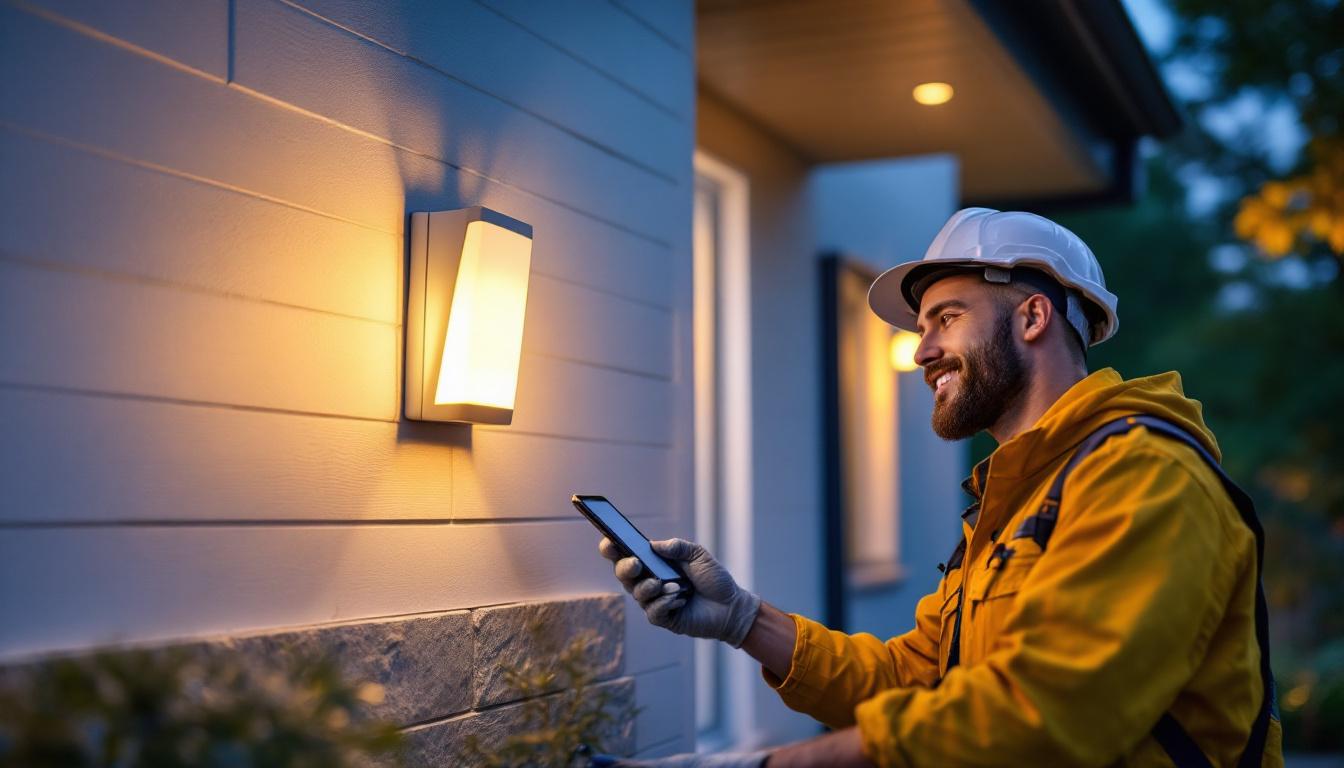
Clients appreciate the ability to customize lighting without additional hardware. Switchable solar lights empower end-users to adjust settings easily, often through remote controls or smartphone apps. This level of control enhances the perceived value of the installation and can lead to repeat business and referrals. Moreover, the user-friendly interfaces of these systems often come with features such as scheduling and dimming options, allowing clients to tailor their lighting to specific occasions or times of day. This not only elevates the user experience but also fosters a sense of ownership and satisfaction, as clients feel they have a stake in the functionality of their lighting solutions. Such enhancements can transform a simple installation into a smart lighting system, appealing to tech-savvy customers and setting contractors apart in a competitive market.
Installation Best Practices for Switchable Solar Lights
Site Assessment and Placement
Proper placement is critical to maximize solar exposure and performance. Evaluate the site for shadows cast by trees, buildings, or other structures that could impede sunlight. Solar panels should ideally face true south (in the Northern Hemisphere) and be angled to capture maximum sunlight throughout the year.
Consider the lighting objectives carefully. For security lighting, position fixtures to cover entry points and dark corners. For decorative purposes, focus on landscape features or pathways. The switchable nature allows for experimentation with different modes post-installation, but initial placement sets the foundation for effectiveness. Additionally, take into account seasonal variations in sunlight; certain areas may receive more direct sunlight during summer months compared to winter. By observing the site throughout different times of the day and year, you can make informed decisions about the optimal positioning of your solar lights, ensuring that they will perform well under varying conditions.
Wiring and Connectivity
Though many switchable solar lights are wireless, some models require wiring for integrated systems or external controls. Ensure all connections are weatherproof and comply with local electrical codes. Use high-quality connectors and sealants to prevent moisture ingress, which can degrade performance over time.
For units with remote control capabilities, verify signal range and interference sources. Testing the full functionality before finalizing installation prevents costly adjustments later. Furthermore, consider the potential for future upgrades or expansions of the lighting system. Planning for additional wiring or connectivity options during the initial installation can save time and effort down the line, allowing for seamless integration of new features or lights as your needs evolve. It’s also wise to document the wiring layout and any specific configurations for future reference, which can be invaluable for troubleshooting or maintenance.
Battery Management and Maintenance
Battery health is a cornerstone of solar light reliability. Use batteries rated for deep cycling and suitable for the climate conditions of the installation site. Educate clients on periodic cleaning of solar panels and battery replacement schedules to maintain optimal function.
In addition to regular maintenance, consider the benefits of investing in smart battery management systems that can monitor battery performance in real-time. These systems can provide alerts for low battery levels or maintenance needs, ensuring that the solar lights remain operational and effective. Furthermore, encourage users to keep an eye on the surrounding environment; overgrown vegetation or debris can obstruct solar panels and reduce charging efficiency. By fostering a proactive maintenance routine, clients can extend the lifespan of their solar lights and enjoy consistent performance throughout the year.
Programming and Customization Techniques
Utilizing Built-In Controllers
Many switchable solar lights come equipped with programmable controllers that allow contractors to set default modes, timing schedules, and sensor sensitivities. Familiarize yourself with these systems to tailor lighting behavior precisely to client needs.
For example, setting lights to operate at reduced brightness during late-night hours can conserve energy while maintaining security. Adjusting motion sensor sensitivity can prevent false triggers caused by small animals or environmental factors.
Integrating Smart Controls
Advances in IoT have introduced smart solar lighting systems that integrate with home automation platforms. Lighting contractors can leverage these technologies to offer clients remote monitoring and control via smartphones or voice assistants.
When implementing smart controls, ensure robust network connectivity and secure data protocols. Educate clients on app usage and troubleshooting to maximize the benefits of smart features.
Common Challenges and How to Overcome Them
Dealing with Inconsistent Sunlight
One of the biggest hurdles is inconsistent solar exposure due to weather or site conditions. To mitigate this, select solar lights with high-efficiency panels and larger battery capacities. Additionally, advise clients on strategic trimming of foliage or relocating fixtures if necessary.
Ensuring Longevity in Harsh Environments
Outdoor lighting often faces extreme weather, from heavy rain to freezing temperatures. Choose switchable solar lights with robust IP ratings and durable materials like anodized aluminum or weather-resistant plastics. Regular maintenance checks can identify wear early and prevent failures.
Addressing Client Expectations
Sometimes clients expect solar lighting to perform identically to wired electric lights. Set realistic expectations by explaining factors like solar dependency, battery life, and mode limitations. Demonstrating the switchable features in action during installation helps clients appreciate the technology’s benefits and constraints.
Future Trends Lighting Contractors Should Watch
Advancements in Battery Technology
Emerging battery chemistries promise longer life, faster charging, and better performance in extreme temperatures. Staying informed about these developments allows contractors to recommend cutting-edge products that enhance system reliability.
Integration with Renewable Energy Systems
Switchable solar lights are increasingly being integrated into broader renewable energy setups, including home solar arrays and microgrids. This integration offers clients comprehensive energy solutions and opens new avenues for contractors specializing in sustainable installations.
Enhanced Sensor and AI Capabilities
Artificial intelligence is beginning to influence lighting control, enabling systems to learn usage patterns and adjust lighting automatically for optimal efficiency and comfort. Contractors who master these technologies can offer highly sophisticated lighting solutions that differentiate their services.
Final Thoughts: Maximizing Value with Switchable Solar Lights
Switchable solar lights represent a significant opportunity for lighting contractors to deliver flexible, energy-efficient, and client-friendly solutions. Mastery of their installation, programming, and maintenance can lead to superior project outcomes and satisfied customers.
By focusing on site-specific assessments, leveraging smart controls, and staying ahead of technological trends, contractors can position themselves as experts in this evolving segment of outdoor lighting. The ability to offer adaptable lighting that meets both aesthetic and functional demands will be a key differentiator in a competitive market.
Illuminate Your Projects with LumenWholesale
Ready to elevate your lighting projects with the versatility and efficiency of switchable solar lights? At LumenWholesale, we provide lighting contractors with the highest quality, spec-grade lighting solutions at unbeatable wholesale prices. Our commitment to excellence ensures that you have access to reliable, high-performance lighting that meets the most rigorous industry standards. Plus, with free shipping on bulk orders, you can stock up on premium lighting without worrying about hidden fees or compromises. Don’t miss out on the perfect combination of quality, affordability, and convenience. Take advantage of our exceptional offerings and Wholesale Lighting at the Best Value today!