Understanding Suspended Ceiling Lighting: An Overview for Contractors
Suspended ceilings, also known as drop ceilings or false ceilings, are a popular choice in commercial, institutional, and some residential settings. They offer a practical way to conceal wiring, plumbing, and HVAC systems while providing a sleek, modern aesthetic. For lighting contractors, suspended ceilings present unique opportunities and challenges when it comes to installing lighting fixtures that are both functional and compliant with building codes and safety standards.
When integrating lighting into suspended ceilings, contractors must balance aesthetics, performance, and regulatory requirements. This includes selecting the right type of fixtures, ensuring proper installation to maintain ceiling integrity, and adhering to electrical and fire safety codes. Understanding these factors is crucial for delivering high-quality lighting solutions that meet client expectations and legal obligations.
One of the key considerations for contractors is the choice of lighting fixtures. LED panels have become increasingly popular due to their energy efficiency and long lifespan. These fixtures not only provide uniform illumination but also come in various color temperatures, allowing contractors to create the desired ambiance for different spaces. Additionally, the use of dimmable options can enhance flexibility, enabling users to adjust lighting levels according to the time of day or specific activities. Furthermore, the integration of smart lighting systems can add another layer of sophistication, allowing for remote control and automation, which is particularly appealing in modern office environments.
Moreover, the installation process itself requires a thorough understanding of the structural elements of the suspended ceiling. Contractors must ensure that the weight of the lighting fixtures does not compromise the ceiling’s integrity. This often involves using appropriate mounting hardware and techniques to secure fixtures without damaging the tiles or grid system. Additionally, proper planning for electrical wiring is essential to avoid future complications. This includes considering the layout of the space, the location of power sources, and potential access points for maintenance. By paying attention to these details, contractors can ensure a seamless integration of lighting that not only enhances the visual appeal of the space but also functions reliably over time.
Key Compliance Considerations for Suspended Ceiling Lighting
Building Codes and Electrical Standards
One of the most critical aspects lighting contractors must consider is compliance with local and national building codes. These codes dictate the types of lighting fixtures permitted, wiring methods, and installation practices to ensure safety and functionality. For example, the National Electrical Code (NEC) provides guidelines on fixture grounding, wiring insulation, and circuit protection, which are essential when working within suspended ceiling systems.
Additionally, contractors should be aware of the International Building Code (IBC) requirements related to ceiling assemblies, especially concerning fire resistance and load-bearing capacities. Installing lighting fixtures improperly can compromise the ceiling’s structural integrity or fire rating, leading to potential hazards and costly remediation. Moreover, understanding the specific requirements for different occupancy types—such as commercial, residential, or industrial—can further influence the choice of materials and installation techniques. Each occupancy type may have unique demands that necessitate a tailored approach to lighting design and compliance.
Fire Safety and Plenum Requirements
Suspended ceilings often create plenum spaces—areas between the structural ceiling and the suspended ceiling used for air circulation. These spaces are subject to strict fire safety regulations because they can facilitate the spread of smoke and flames during a fire. Lighting fixtures installed in plenum spaces must be rated for such environments, typically requiring UL-listed plenum-rated fixtures and wiring.
Failure to use appropriate plenum-rated components can result in non-compliance with fire codes and increased risk of fire hazards. Contractors should also consider the use of fire-rated ceiling tiles and ensure that any penetrations made for lighting installations are properly sealed with firestop materials to maintain the ceiling’s fire resistance. Furthermore, the integration of smoke detectors and fire alarms in conjunction with suspended ceiling lighting can enhance overall safety. These systems must be carefully planned to avoid interference with the lighting layout while ensuring they remain effective in detecting smoke or heat in the event of a fire, thereby contributing to a comprehensive fire safety strategy.
Lighting Fixture Selection for Suspended Ceilings
Types of Fixtures Suitable for Suspended Ceilings
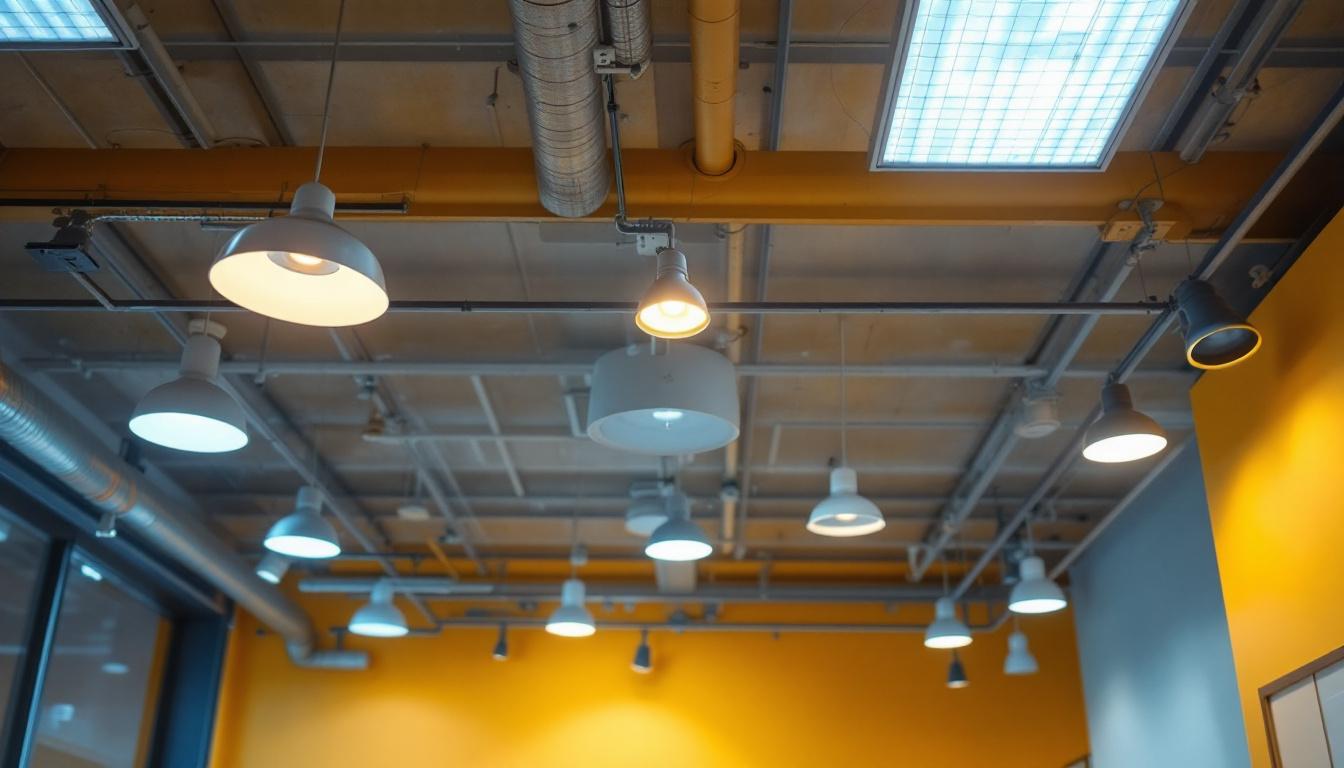
Several lighting fixture types are commonly used in suspended ceilings, each with its advantages and considerations:
- Recessed Troffers: These fixtures fit flush with ceiling tiles, offering a clean and uniform look. They are ideal for offices and commercial spaces requiring even, glare-free lighting.
- Surface-Mounted Fixtures: Mounted directly onto the ceiling grid, these are easier to install in some scenarios but may protrude below the ceiling plane, affecting aesthetics.
- LED Panel Lights: Known for energy efficiency and long lifespan, LED panels provide bright, even illumination and can be integrated seamlessly into suspended ceilings.
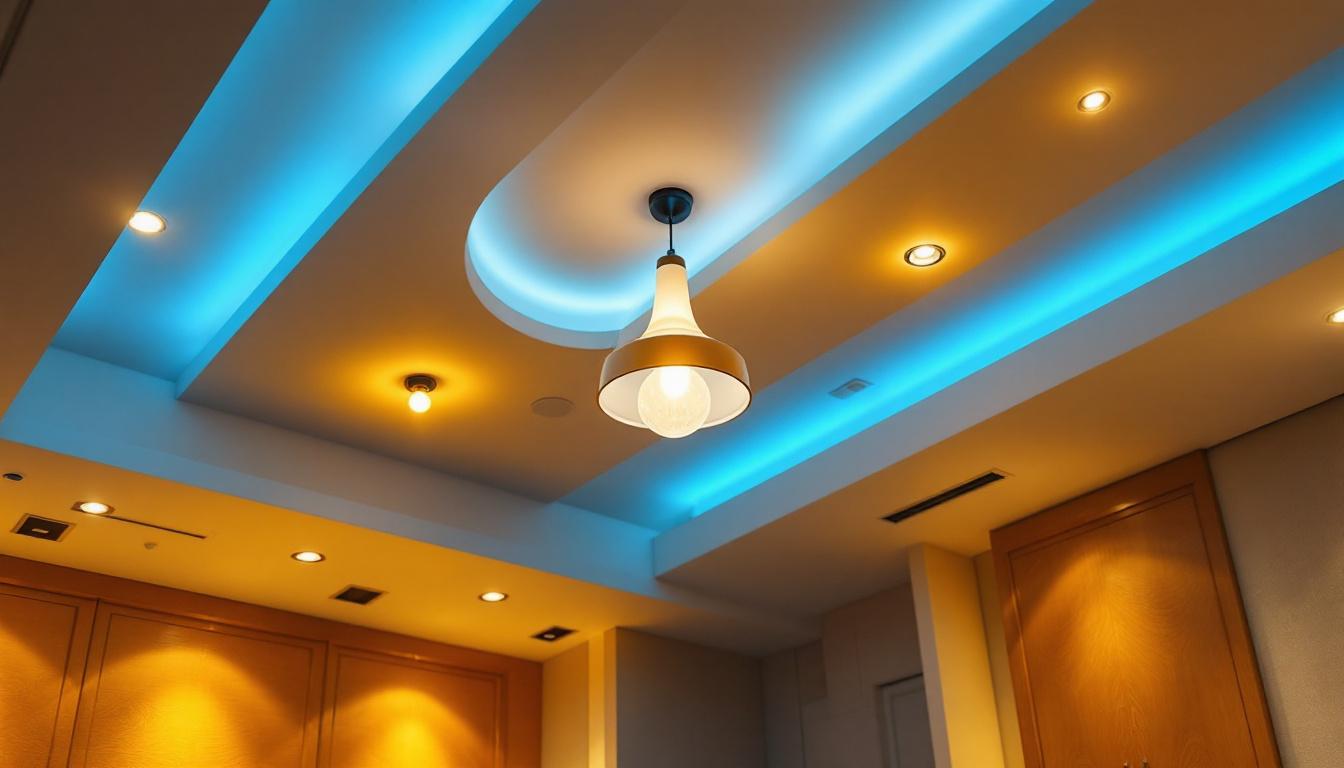
- Downlights and Spotlights: Used for accent or task lighting, these fixtures can be recessed or surface-mounted, offering flexibility in lighting design.
Choosing the right fixture depends on the project’s lighting requirements, ceiling type, and compliance considerations. For instance, LED fixtures are often preferred due to their reduced heat output, which is beneficial in plenum spaces. Additionally, the choice of fixture can significantly impact the overall ambiance of a space; for example, warm-toned lights can create a cozy atmosphere in a restaurant, while cooler tones may be more suitable for a modern office environment. It’s essential to consider how the color temperature and brightness of the fixtures will interact with the materials and colors of the surrounding space.
Energy Efficiency and Sustainability
Energy codes and sustainability standards increasingly influence lighting choices in suspended ceilings. Many jurisdictions require lighting systems to meet minimum energy efficiency criteria, often favoring LED technology due to its superior performance and lower energy consumption compared to traditional fluorescent or incandescent fixtures.
Lighting contractors should also consider controls such as occupancy sensors, daylight harvesting systems, and dimmers to enhance energy savings and comply with green building certifications like LEED or WELL. These controls not only reduce operational costs but also contribute to healthier, more comfortable indoor environments. Furthermore, integrating smart lighting solutions can provide users with the ability to customize their lighting preferences, adjusting brightness and color temperature based on specific activities or times of day. This adaptability not only improves user satisfaction but also promotes energy conservation by ensuring that lights are only used when necessary.
Installation Best Practices for Suspended Ceiling Lighting
Maintaining Ceiling Integrity
Proper installation is vital to preserve the structural and fire-resistant properties of suspended ceilings. Contractors must ensure that lighting fixtures are compatible with the ceiling grid system and that installation does not damage ceiling tiles or suspension components.
When cutting tiles to accommodate fixtures, precision is essential to avoid gaps that can affect aesthetics and fire containment. Additionally, heavy fixtures may require supplementary support beyond the ceiling grid, such as dedicated hangers or brackets attached to the building’s structural elements.
Wiring and Electrical Connections
Wiring in suspended ceilings demands careful planning to comply with electrical codes and avoid interference with other building systems. Using plenum-rated cables and conduits is mandatory in plenum spaces to prevent the spread of toxic fumes during a fire.
Contractors should route wiring neatly above ceiling tiles, securing cables to prevent sagging or damage. Junction boxes must be accessible and installed in accordance with code requirements, ensuring safe and maintainable electrical connections.
Coordination with Other Trades
Suspended ceiling lighting installation often involves coordination with HVAC, fire protection, and IT infrastructure teams. Since these systems share the plenum space, effective communication is necessary to avoid conflicts and ensure compliance with all relevant codes.
For example, lighting fixtures should not obstruct sprinkler heads or air diffusers, and wiring should be planned to accommodate future maintenance or upgrades. Early collaboration during the design and planning phases can prevent costly rework and delays.
Emerging Trends and Technologies in Suspended Ceiling Lighting
Smart Lighting Systems
The integration of smart lighting controls is transforming suspended ceiling lighting. These systems enable remote control, automated scheduling, and adaptive lighting based on occupancy or daylight levels. For contractors, installing smart lighting involves understanding networked controls, sensors, and compatibility with building automation systems.
Smart lighting not only enhances user experience but also supports energy management goals, making it a valuable offering for clients seeking modern, efficient lighting solutions.
Human-Centric Lighting
Human-centric lighting focuses on adjusting light quality and intensity to support occupant well-being, productivity, and circadian rhythms. This approach often involves tunable white LED fixtures that can shift color temperature throughout the day.
Lighting contractors should familiarize themselves with the specifications and installation requirements of these advanced systems to meet growing demand in workplaces, healthcare facilities, and educational environments.
Conclusion: Ensuring Compliance and Excellence in Suspended Ceiling Lighting
For lighting contractors, suspended ceiling lighting projects require a thorough understanding of compliance standards, fixture selection, and installation best practices. Adhering to building and electrical codes, fire safety regulations, and energy efficiency requirements is essential to deliver safe, effective, and aesthetically pleasing lighting solutions.
Staying informed about emerging technologies like smart and human-centric lighting can provide a competitive edge and meet evolving client expectations. By combining technical expertise with careful planning and collaboration, contractors can successfully navigate the complexities of suspended ceiling lighting and contribute to high-quality, compliant building environments.
Get Your Spec-Grade Lighting Supplies at LumenWholesale
Ready to elevate your suspended ceiling lighting projects with the highest quality fixtures at unbeatable prices? Look no further than LumenWholesale, where we provide contractors with spec-grade lighting products that meet the most rigorous industry standards. Say goodbye to inflated markups and hello to superior lighting solutions that fit your budget. With our hassle-free bulk buying and free shipping, you can ensure compliance and excellence without compromise. Discover the ideal blend of quality, affordability, and convenience. Wholesale Lighting at the Best Value is just a click away!