In the ever-evolving world of lighting design, strip lighting has emerged as a revolutionary solution for contractors. This innovative lighting option not only enhances the aesthetic appeal of spaces but also offers versatility and efficiency that traditional lighting methods often lack. As lighting contractors seek to stay ahead in a competitive market, understanding the benefits and applications of ceiling strip lighting becomes essential.
Understanding Strip Lighting
Strip lighting, often referred to as LED tape or ribbon lighting, consists of a flexible circuit board populated with light-emitting diodes (LEDs). This form of lighting can be easily installed in various locations, making it an appealing choice for both residential and commercial projects. Its adaptability allows for creative installations that can dramatically transform a space. Whether it’s highlighting architectural features, providing ambient lighting, or serving as task lighting in work areas, strip lighting offers versatility that traditional fixtures often lack.
Moreover, the ease of installation means that DIY enthusiasts can take on projects that might have previously required professional help. With a variety of mounting options, including adhesive backing, clips, and tracks, strip lights can be affixed to almost any surface, allowing for seamless integration into the overall design of a room. This flexibility not only enhances the aesthetic appeal but also encourages innovative uses, such as backlighting for televisions, under-cabinet lighting in kitchens, or even as part of a home theater setup.
Types of Strip Lighting
There are several types of strip lighting available, each designed to meet different needs and preferences. The most common types include:
- Standard LED Strip Lights: These are the most widely used and come in various brightness levels and color temperatures, making them suitable for a range of applications from cozy living rooms to bright workspaces.
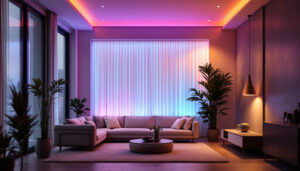
- RGB LED Strip Lights: These strips can change colors and are perfect for creating dynamic lighting effects. They often come with remote controls or smartphone apps, allowing users to customize their lighting experience with ease.
- Waterproof LED Strip Lights: Ideal for outdoor applications or areas exposed to moisture, these strips are designed to withstand the elements. They are perfect for illuminating patios, gardens, or even pools, ensuring that outdoor spaces are usable even after dark.
Understanding these options allows contractors to recommend the best solutions tailored to their clients’ specific needs. Additionally, knowing the specifications and features of each type can help in making informed decisions about where and how to install them for maximum effect.
Benefits of Strip Lighting
The advantages of strip lighting extend beyond mere aesthetics. Here are some key benefits that make it a game-changer for lighting contractors:
- Energy Efficiency: LED technology is known for its energy-saving properties, which can lead to significant cost savings for clients. This not only benefits the environment but also appeals to budget-conscious consumers looking to reduce their utility bills.
- Longevity: Strip lights typically have a longer lifespan compared to traditional lighting options, reducing the frequency of replacements. This durability means less waste and a lower overall cost of ownership.
- Design Flexibility: The slim profile and flexibility of strip lighting allow for creative installations in tight spaces or unconventional areas. This adaptability opens up a world of possibilities for interior designers and architects aiming to create unique atmospheres.
These benefits not only enhance the client’s experience but also position contractors as knowledgeable professionals in modern lighting solutions. Furthermore, as the demand for energy-efficient and aesthetically pleasing lighting continues to rise, being well-versed in strip lighting technology can set contractors apart in a competitive market. With the ability to offer tailored solutions that meet both functional and design needs, contractors can foster lasting relationships with clients who appreciate their expertise and creativity.
Applications of Ceiling Strip Lighting
Ceiling strip lighting can be utilized in a variety of settings, making it a versatile choice for contractors. From residential homes to commercial spaces, the applications are virtually limitless.
Residential Applications
In residential settings, strip lighting can be used to create ambiance and highlight architectural features. Common applications include:
- Kitchen Lighting: Installing strip lights under cabinets or along the perimeter of the ceiling can enhance task lighting and add a modern touch.
- Living Room Accents: Strip lighting can be used to highlight artwork or architectural details, creating a warm and inviting atmosphere.
- Bedroom Mood Lighting: Soft, dimmable strip lights can provide a relaxing ambiance, perfect for winding down at the end of the day.
These applications not only improve functionality but also elevate the overall aesthetic of the home.
Commercial Applications
In commercial environments, the use of strip lighting can significantly impact both functionality and design. Some popular uses include:
- Retail Spaces: Strip lighting can be strategically placed to highlight products and create an inviting shopping atmosphere.
- Office Lighting: Integrating strip lights into office designs can enhance productivity by providing even illumination throughout the workspace.
- Hospitality Venues: Restaurants and hotels can utilize strip lighting to create a specific mood or theme, enhancing the guest experience.
By understanding these applications, contractors can effectively market their services to a broader range of clients.
Installation Considerations
While the installation of strip lighting may seem straightforward, there are several important considerations that contractors should keep in mind to ensure a successful project.
Surface Preparation
Before installation, it is crucial to prepare the surface where the strip lights will be applied. This includes ensuring the surface is clean, dry, and free of any debris. Proper surface preparation helps to ensure that the adhesive backing of the strip lights adheres effectively, preventing future issues.
Power Supply Requirements
Strip lighting typically requires a specific power supply to function correctly. Contractors must ensure that the power supply is compatible with the LED strips being used. This includes checking the voltage and wattage requirements to avoid potential electrical issues.
Heat Management
LEDs generate heat, and proper heat management is essential to maintain the longevity of the strip lights. Contractors should consider using aluminum channels or heat sinks to dissipate heat effectively, especially in enclosed spaces. This not only prolongs the life of the LEDs but also enhances their performance.
Design Tips for Strip Lighting
To maximize the impact of strip lighting, contractors should consider several design tips that can elevate the overall look and functionality of a space.
Layering Light
Using strip lighting in conjunction with other lighting sources can create a layered lighting effect. By combining ambient, task, and accent lighting, contractors can achieve a balanced and inviting atmosphere. For instance, using strip lights to accentuate architectural features while also incorporating recessed lights can provide both functionality and style.
Color Temperature Selection
The color temperature of the strip lighting can significantly influence the mood of a space. Warmer tones (2700K-3000K) create a cozy and intimate environment, while cooler tones (4000K-5000K) offer a more modern and energetic feel. Contractors should assess the intended use of the space and recommend the most suitable color temperature to their clients.
Smart Lighting Integration
As smart home technology becomes increasingly popular, integrating strip lighting with smart systems can provide added convenience and functionality. Contractors can offer solutions that allow clients to control their lighting via smartphone apps or voice commands, enhancing the user experience.
Challenges and Solutions
Despite its many advantages, strip lighting can present certain challenges during installation and use. Addressing these challenges head-on can help contractors deliver a seamless experience for their clients.
Adhesive Issues
One common challenge is the adhesive backing of strip lights failing to stick properly. This can be due to a variety of factors, including surface texture or environmental conditions. To mitigate this issue, contractors can use additional mounting methods, such as clips or channels, to secure the strips in place.
Voltage Drop
Voltage drop can occur when LED strips are installed over long distances, leading to uneven brightness. To combat this, contractors can recommend using thicker gauge wires or installing additional power supplies at intervals along the strip. This ensures consistent brightness and performance throughout the installation.
Color Consistency
Another challenge is maintaining color consistency across different strips. Variations in manufacturing can lead to noticeable differences in color output. Contractors should source strips from reputable manufacturers and, if necessary, test samples to ensure uniformity before installation.
Future Trends in Strip Lighting
The lighting industry is continually evolving, and strip lighting is no exception. Staying informed about future trends can help contractors remain competitive and innovative in their offerings.
Advancements in LED Technology
As LED technology continues to advance, new options for strip lighting are emerging. This includes improvements in energy efficiency, brightness, and color rendering capabilities. Contractors should keep an eye on these advancements to provide clients with the best products available.
Sustainable Lighting Solutions
With a growing emphasis on sustainability, eco-friendly lighting solutions are becoming increasingly important. Contractors can explore options such as solar-powered strip lighting or products made from recycled materials. Offering sustainable solutions can attract environmentally conscious clients and set contractors apart in the market.
Customization and Personalization
As consumers seek more personalized experiences, the demand for customizable lighting solutions is on the rise. Contractors can explore options that allow clients to choose colors, brightness levels, and control methods to create a truly unique lighting experience.
Conclusion
Strip lighting for ceilings is undoubtedly a game-changer for lighting contractors. Its versatility, energy efficiency, and aesthetic appeal make it an attractive option for a wide range of applications. By understanding the benefits, installation considerations, design tips, and future trends, contractors can position themselves as leaders in the lighting industry. Embracing strip lighting not only enhances the services offered but also elevates the overall experience for clients, paving the way for successful projects and satisfied customers.
Illuminate Your Projects with LumenWholesale
Ready to transform your lighting projects with the efficiency and elegance of strip lighting? At LumenWholesale, we provide lighting contractors like you with the highest quality, spec-grade lighting products at prices that can’t be beaten. Say goodbye to local distributor markups and hello to our extensive selection that meets rigorous industry standards. With free shipping on bulk orders, you can trust that you’re getting premium lighting solutions at the best value — no hidden fees, no compromises. Elevate your lighting game with the perfect combination of quality, affordability, and convenience. Wholesale Lighting at the Best Value is just a click away.