As the demand for energy-efficient lighting solutions continues to rise, strip light LEDs have become a popular choice among contractors. Their versatility, ease of installation, and aesthetic appeal make them ideal for various applications, from residential to commercial settings. This article provides essential tips for lighting contractors to maximize the potential of strip light LEDs in their projects.
Understanding Strip Light LEDs
Strip light LEDs, also known as LED tape lights, are flexible circuit boards populated with light-emitting diodes. They come in various lengths and colors, making them suitable for a wide range of lighting applications. Understanding the fundamentals of strip light LEDs is crucial for contractors looking to incorporate them into their designs. Their versatility allows them to be used in both residential and commercial settings, from illuminating kitchen cabinets to enhancing the ambiance of retail spaces.
Types of Strip Light LEDs
There are several types of strip light LEDs available on the market, each designed for specific applications. The most common types include:
- Standard White LEDs: These provide a warm or cool white light, ideal for general lighting purposes.
- RGB LEDs: Capable of producing a wide spectrum of colors, RGB strip lights are perfect for decorative and accent lighting.
- RGBW LEDs: These strips combine RGB LEDs with a dedicated white LED to enhance color mixing and provide a pure white light.
Choosing the right type of strip light LED is essential for achieving the desired ambiance and functionality in a space. Additionally, some strip lights come with built-in controllers that allow users to adjust brightness and color settings via remote or smartphone apps, adding an extra layer of convenience and customization.
Key Specifications to Consider
When selecting strip light LEDs, contractors should pay attention to several key specifications:
- Lumen Output: This indicates the brightness of the strip light. Higher lumen output is preferable for task lighting, while lower output may suffice for ambient lighting.
- Color Temperature: Measured in Kelvin (K), this affects the mood of the space. Warmer temperatures (2700K-3000K) create a cozy atmosphere, while cooler temperatures (4000K-5000K) are more energizing.
- Voltage: Most strip lights operate on 12V or 24V. Contractors should ensure compatibility with the power supply used in their projects.
Another important specification to consider is the strip light’s IP rating, which indicates its resistance to dust and moisture. For instance, IP65-rated strips are suitable for outdoor use or areas prone to splashes, such as kitchens and bathrooms. Additionally, the adhesive backing on many strip lights allows for easy installation on various surfaces, making them a popular choice for DIY enthusiasts and professional installers alike.
Installation Best Practices
Proper installation is crucial for maximizing the performance and lifespan of strip light LEDs. Here are some best practices that lighting contractors should follow:
Planning the Layout
Before installation, it’s essential to plan the layout of the strip lights carefully. Consider the following:
- Purpose: Determine the primary function of the lighting—whether it’s for accent, task, or general illumination.
- Location: Identify the best locations for installation, such as under cabinets, along stairways, or in coves.
- Power Source: Ensure that there is a nearby power source to avoid long runs of wiring, which can lead to voltage drops.
Creating a detailed plan will help streamline the installation process and ensure optimal lighting effects. Additionally, consider the aesthetic impact of the layout. Utilizing software tools that simulate lighting effects can provide valuable insights into how the strip lights will interact with the surrounding environment. This foresight can help in making adjustments before any physical installation takes place, ultimately saving time and resources.
Surface Preparation
Before adhering strip lights to a surface, proper preparation is key. The surface should be clean, dry, and free of dust or grease. For best adhesion, consider using a mild cleaning solution followed by a dry cloth. Additionally, ensure that the surface is smooth; any irregularities can affect the strip’s ability to adhere properly. If the surface is textured or porous, it may be beneficial to apply a primer or sealant to create a more suitable bonding surface, thus enhancing the longevity of the installation.
Using the Right Adhesive
Most strip lights come with an adhesive backing, but in some cases, additional adhesive may be necessary. Contractors should consider using a strong, double-sided tape or adhesive suitable for the specific surface material. This will ensure that the strip lights remain securely in place over time, especially in areas exposed to heat or moisture. Furthermore, it’s important to account for temperature fluctuations that might affect the adhesive’s performance. Using adhesives that are rated for high-temperature environments can prevent premature failure, particularly in kitchens or near heat sources. Always refer to the manufacturer’s recommendations for optimal adhesive options to ensure a durable and effective installation.
Power Supply Considerations
The power supply is a critical component of any LED strip light installation. Selecting the right power supply ensures that the lights function correctly and efficiently. Here are some considerations:
Choosing the Right Wattage
When selecting a power supply, it’s essential to calculate the total wattage required for the strip lights. Each strip light will have a specified wattage per foot. Multiply this by the total length of strip lights to determine the minimum wattage needed for the power supply. It’s advisable to choose a power supply with a capacity that exceeds the calculated wattage by about 20% to account for any potential inefficiencies. This extra capacity not only ensures that the lights operate at their optimal brightness but also extends the lifespan of the power supply itself, as it will not be constantly pushed to its limits.
Additionally, consider the type of environment where the power supply will be installed. If it’s in a location with high temperatures or humidity, a power supply with a higher wattage rating may be necessary to prevent overheating. Some power supplies are also designed with built-in cooling features, which can be beneficial in such conditions, ensuring that your LED strip lights remain functional and safe over time.
Voltage Compatibility
As mentioned earlier, strip lights typically operate on either 12V or 24V. The power supply must match the voltage of the strip lights to prevent damage. Using a power supply with the incorrect voltage can lead to flickering, reduced lifespan, or complete failure of the lights. It’s also important to check if the LED strips are rated for constant voltage or constant current, as this will influence the type of power supply you need. Constant voltage strips require a power supply that maintains a steady voltage output, while constant current strips need a power supply that can adjust its output based on the load.
Moreover, consider the length of the LED strip run. Longer runs may experience voltage drop, which can affect brightness and color consistency. In such cases, using a power supply with a higher voltage rating, or splitting the strip into shorter runs with separate power supplies, can help maintain uniform brightness across the entire installation. This attention to detail in voltage compatibility not only enhances the aesthetic appeal of your lighting but also ensures a reliable and long-lasting installation.
Enhancing Aesthetics with Strip Light LEDs
Strip light LEDs are not only functional but also serve as a design element in any space. Here are some tips for enhancing aesthetics:
Creative Placement
One of the most appealing aspects of strip light LEDs is their flexibility in placement. Consider the following creative options:
- Under Cabinet Lighting: Provides task lighting while adding a modern touch to kitchens and workspaces.
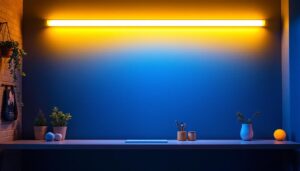
- Cove Lighting: Installed in recesses or ledges, cove lighting creates a soft, ambient glow that enhances the architectural features of a room.
- Backlighting: Use strip lights to backlight artwork or mirrors, creating a dramatic focal point.
These creative placements can significantly enhance the overall look and feel of a space.
Color Customization
For projects that require dynamic lighting, RGB or RGBW strip lights offer the ability to change colors. This feature can be particularly useful in commercial settings, such as restaurants or retail spaces, where ambiance plays a crucial role in customer experience. Contractors should consider integrating smart controls that allow for easy color changes and dimming options.
Maintenance Tips for Longevity
To ensure the longevity and optimal performance of strip light LEDs, regular maintenance is essential. Here are some tips for contractors to share with clients:
Cleaning the Strip Lights
Dust and debris can accumulate on strip lights over time, reducing their brightness and efficiency. To clean them, use a soft, dry cloth to gently wipe the surface. For more stubborn stains, a damp cloth with a mild detergent can be used, but care should be taken to avoid getting moisture into the electrical components.
Checking Connections
Regularly inspect the connections between the strip lights and the power supply. Loose connections can lead to flickering or complete failure of the lights. If any issues are detected, they should be addressed promptly to avoid further complications.
Common Challenges and Solutions
While strip light LEDs offer numerous benefits, contractors may encounter challenges during installation or maintenance. Here are some common issues and their solutions:
Flickering Lights
Flickering can be caused by several factors, including poor connections, inadequate power supply, or voltage drops. To resolve this issue, contractors should:
- Check all connections to ensure they are secure.
- Verify that the power supply is adequate for the total wattage of the strip lights.
- Reduce the length of the strip light run if voltage drop is suspected.
Uneven Brightness
Uneven brightness can occur if the strip lights are not installed correctly or if there are variations in the LED chips. To address this issue:
- Ensure that the strip lights are installed on a smooth, even surface.
- Consider using a higher-quality strip light with better color consistency.
Conclusion
Strip light LEDs present a versatile and efficient lighting solution for contractors looking to enhance their projects. By understanding the types, specifications, and best practices for installation, contractors can ensure successful outcomes. Furthermore, with attention to aesthetics, maintenance, and common challenges, strip light LEDs can provide lasting value and satisfaction to clients.
As the lighting industry continues to evolve, staying informed about the latest trends and technologies will empower contractors to deliver exceptional results in their projects. Embracing strip light LEDs not only meets the demands of modern lighting design but also contributes to energy efficiency and sustainability in the built environment.
Get Your Premium Strip Light LEDs at LumenWholesale
Ready to elevate your lighting projects with the efficiency and versatility of strip light LEDs? Look no further than LumenWholesale for the highest quality, spec-grade lighting products at unbeatable wholesale prices. Our extensive selection is designed to meet the most rigorous industry standards, ensuring you get reliable, high-performance lighting every time. Plus, with free shipping on bulk orders, you can stock up on premium lighting solutions without worrying about hidden fees or compromises. Don’t miss out on the perfect combination of quality, affordability, and convenience. Visit LumenWholesale now to secure the best value in wholesale lighting for your next project.