Understanding the Importance of Proper Patio Lighting Installation
Patio lighting is more than just an aesthetic enhancement; it plays a critical role in outdoor safety, ambiance, and functionality. For lighting contractors, mastering the installation of string patio lights is essential to delivering a product that satisfies clients and stands the test of time. Proper installation not only prevents common issues such as electrical hazards and premature equipment failure but also ensures that the lighting complements the outdoor environment effectively.
Outdoor string lights have surged in popularity due to their versatility and charm. However, the outdoor environment presents unique challenges—exposure to weather, fluctuating temperatures, and physical wear can all affect the durability and safety of these installations. Contractors must be well-versed in materials, electrical codes, and installation techniques to avoid pitfalls that can compromise both performance and client satisfaction.
Moreover, the choice of lighting fixtures can significantly influence the overall atmosphere of a patio space. For instance, warm white lights can create a cozy and inviting setting, perfect for intimate gatherings, while brighter, cooler lights may be more suitable for larger events or functional areas such as outdoor kitchens. Understanding the different types of bulbs available, including LED, incandescent, and solar options, allows contractors to recommend the best solutions tailored to the specific needs and preferences of their clients. Additionally, integrating smart lighting technology can offer enhanced control over brightness and color, providing users with the flexibility to adapt their outdoor space for various occasions.
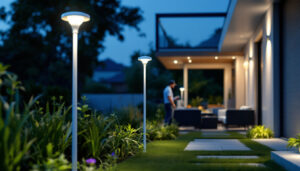
Another crucial aspect of patio lighting installation is the strategic placement of fixtures. Properly positioning lights can help eliminate dark spots and enhance visibility, ensuring safety during evening gatherings. For instance, highlighting pathways, steps, and seating areas not only improves safety but also adds to the aesthetic appeal of the outdoor space. Contractors should consider the use of dimmers and timers as well, allowing clients to customize their lighting experience based on the time of day or the type of event. By paying attention to these details, lighting professionals can create a harmonious balance between functionality and design, ultimately elevating the outdoor experience for homeowners and their guests.
Common Pitfalls in String Patio Light Installations
Incorrect Electrical Load Calculations
One of the most frequent mistakes contractors make is underestimating the electrical load that string lights will place on a circuit. Each bulb and fixture adds to the total wattage, and exceeding the circuit’s capacity can lead to tripped breakers or, worse, electrical fires. It is essential to calculate the total wattage accurately and ensure that the circuit can handle the load with a margin for safety.
For example, a typical LED string light bulb consumes about 0.5 watts, but incandescent bulbs can consume up to 7 watts each. When planning a 100-bulb string, the difference in power consumption is significant—50 watts for LED versus 700 watts for incandescent. Contractors should always verify the type of bulbs used and calculate accordingly, factoring in the capacity of the power source and any other devices on the same circuit.
Moreover, it’s prudent to consider the potential for future expansions or additions to the lighting scheme. If homeowners plan to add more lights or other electrical devices, the initial calculations should include this potential increase in load. By doing so, contractors can help prevent future electrical issues and ensure that the installation remains safe and functional for years to come.
Ignoring Local Electrical Codes and Regulations
Electrical codes vary by region but are universally designed to ensure safety and reliability. Failure to comply with these codes can result in failed inspections, costly rework, or legal liabilities. Contractors must stay updated on local regulations regarding outdoor electrical installations, including grounding requirements, wire gauge specifications, and GFCI (Ground Fault Circuit Interrupter) protection.
For instance, the National Electrical Code (NEC) in the United States mandates that all outdoor outlets must be GFCI-protected. This is a critical safety feature that prevents electric shock in wet environments. Ignoring such requirements can put users at risk and expose contractors to liability.
Additionally, local codes may dictate specific installation practices that enhance safety, such as the use of weatherproof enclosures for junction boxes or the requirement for certain types of wiring materials that can withstand outdoor conditions. Familiarizing oneself with these codes not only ensures compliance but also enhances the overall quality and durability of the installation.
Improper Mounting and Support Structures
String lights require secure mounting points that can withstand wind, rain, and other outdoor elements. Using inadequate support structures or mounting hardware can lead to sagging, damage to the wiring, or complete failure of the installation. Contractors should assess the environment carefully and recommend or install robust supports such as weather-resistant hooks, poles, or tension wires.
Additionally, the tension on the string lights should be balanced—not too tight to cause strain on the wiring, nor too loose to sag excessively. Proper tension ensures longevity and maintains the aesthetic appeal of the installation.
Furthermore, it’s essential to consider the layout and design of the light installation. The arrangement of the lights can significantly impact both functionality and visual appeal. For instance, creating a zigzag pattern or draping lights in a canopy style can enhance the ambiance of outdoor spaces. Contractors should work closely with clients to understand their vision and ensure that the mounting solutions align with the desired aesthetic while still adhering to safety standards.
Best Practices for a Successful Patio Light Installation
Choosing the Right Materials
Material selection is a cornerstone of a durable patio lighting installation. Opting for weatherproof and UV-resistant string lights is essential. LED lights are generally preferred due to their energy efficiency, longer lifespan, and lower heat output compared to incandescent bulbs.
Furthermore, the wiring should be rated for outdoor use, with insulation designed to resist moisture and temperature extremes. Using connectors and plugs rated for outdoor environments also helps prevent corrosion and electrical faults. It’s also worth considering the aesthetic appeal of the materials; for instance, copper fixtures can develop a beautiful patina over time, adding character to the outdoor space. Additionally, selecting fixtures that complement the patio’s design can create a cohesive look that enhances the overall atmosphere.
Planning the Layout with Client Needs in Mind
Effective lighting design balances functionality with aesthetics. Contractors should work closely with clients to understand how the patio space will be used—whether for dining, entertaining, or simply relaxing. This understanding guides decisions on light placement, brightness levels, and control options such as dimmers or timers.
For example, string lights arranged in a crisscross pattern can provide even illumination over a larger area, while perimeter lighting may suffice for accentuating boundaries. Offering clients options for adjustable brightness or smart controls can enhance user experience and energy efficiency. Additionally, incorporating different types of lighting, such as task lighting for cooking areas and ambient lighting for lounging spaces, can create a versatile environment that caters to various activities. By considering the seasonal use of the patio, such as festive gatherings in the summer or cozy evenings in the fall, contractors can help clients maximize their outdoor enjoyment year-round.
Ensuring Proper Electrical Connections and Safety Measures
All electrical connections must be secure and protected from moisture ingress. Using waterproof junction boxes and weatherproof connectors is non-negotiable. Additionally, all outdoor installations should incorporate GFCI protection to mitigate the risk of electric shock.
Contractors should also advise clients on proper usage, such as unplugging lights during storms or extended periods of non-use, to prolong the life of the installation and maintain safety. Regular maintenance checks, including inspecting for frayed wires or loose connections, can prevent potential hazards and ensure the lighting remains functional. Educating clients about the importance of seasonal adjustments, such as repositioning lights to account for changing foliage or snow accumulation, can further enhance the longevity and effectiveness of their patio lighting system. By prioritizing safety and maintenance, contractors can foster trust and satisfaction with their clients, ensuring a successful installation that stands the test of time.
Maintenance and Troubleshooting Tips for Contractors
Routine Inspection and Cleaning
Regular maintenance helps identify potential issues before they escalate. Contractors should recommend periodic inspections to check for damaged wires, loose connections, or burnt-out bulbs. Cleaning the fixtures and bulbs can also improve light output and prevent dirt buildup that may cause overheating.
Addressing Common Issues Promptly
Common problems such as flickering lights, intermittent outages, or entire sections failing often stem from loose connections, damaged wiring, or faulty bulbs. Contractors should be prepared to troubleshoot these issues efficiently, using tools such as voltage testers and continuity meters to pinpoint faults.
Replacing damaged components with compatible, weather-rated parts is crucial to maintaining the integrity of the installation. Offering clients a maintenance plan can also foster long-term relationships and ensure ongoing satisfaction.
Enhancing Client Satisfaction Through Professionalism and Expertise
Beyond technical proficiency, lighting contractors can differentiate themselves by providing clear communication, detailed proposals, and post-installation support. Educating clients about the benefits and limitations of various lighting options empowers them to make informed decisions and appreciate the value of quality workmanship.
Additionally, staying current with industry trends and emerging technologies—such as smart lighting systems and energy-efficient solutions—enables contractors to offer innovative options that meet evolving client expectations.
Conclusion
Installing string patio lights involves more than just hanging bulbs; it requires careful planning, adherence to safety standards, and attention to detail. By understanding and avoiding common pitfalls such as electrical overload, code violations, and poor mounting practices, lighting contractors can deliver installations that are safe, durable, and visually appealing.
Adopting best practices in material selection, layout planning, and maintenance not only enhances the quality of work but also builds trust and satisfaction among clients. Ultimately, a well-executed patio lighting installation transforms outdoor spaces into inviting environments, reflecting the contractor’s expertise and commitment to excellence.
Illuminate Your Projects with LumenWholesale
Ready to elevate your patio lighting installations with the highest quality products at the best value? Look no further than LumenWholesale. Our spec-grade lighting solutions are designed to meet the rigorous demands of any outdoor environment, ensuring your projects shine with reliability and excellence. Say goodbye to middleman markups and hello to unbeatable wholesale prices, complemented by the convenience of free shipping on bulk orders. Don’t compromise on quality or cost—choose LumenWholesale for your lighting needs and make every installation a testament to your expertise. Discover our extensive selection and start saving today by visiting Wholesale Lighting at the Best Value.