Introduction to Solar-Powered Lighting in Contemporary Applications
As the demand for sustainable and energy-efficient lighting solutions continues to rise, solar-powered lighting has emerged as a pivotal technology in modern lighting design and implementation. For lighting contractors, understanding the nuances of solar lighting systems is essential to meet client expectations, comply with environmental standards, and stay competitive in a rapidly evolving market.
Solar-powered lighting harnesses energy from the sun, converting it into electricity through photovoltaic panels. This electricity is stored in batteries and used to power light fixtures, offering an independent and renewable energy source. Unlike traditional grid-dependent lighting, solar lighting reduces operational costs and carbon footprints, making it an attractive option for a variety of applications.
In urban settings, solar-powered streetlights are becoming increasingly common, providing illumination without the need for extensive wiring or reliance on the electrical grid. These systems are particularly beneficial in remote or underserved areas where access to electricity is limited. Moreover, advancements in solar technology have led to the development of smart solar lights that can be equipped with sensors to adjust brightness based on ambient light levels or motion detection, further enhancing energy efficiency and user experience.
Additionally, solar lighting solutions are not confined to outdoor applications. They are also making significant inroads into residential and commercial spaces, with solar-powered garden lights, pathway lights, and even decorative fixtures that enhance aesthetic appeal while promoting sustainability. The versatility of solar lighting allows for creative design possibilities, enabling architects and designers to integrate these systems seamlessly into their projects. As the technology continues to evolve, the potential for solar-powered lighting to transform both urban and rural landscapes becomes increasingly evident, paving the way for a brighter, more sustainable future.
Key Advantages of Solar-Powered Lighting for Contractors
Energy Efficiency and Cost Savings
One of the most compelling benefits of solar-powered lighting is its ability to significantly reduce energy consumption from conventional sources. Lighting contractors can leverage this feature to provide clients with solutions that lower electricity bills and decrease reliance on fossil fuels. Over time, the initial investment in solar lighting systems is offset by minimal operational costs, as sunlight is free and maintenance requirements are generally low.
Moreover, solar lighting systems often come with integrated smart controls, such as motion sensors and dimming capabilities, which optimize energy use further. These features not only enhance efficiency but also extend the lifespan of the lighting components, reducing replacement frequency and associated costs. The adaptability of these systems allows contractors to customize lighting solutions based on specific project needs, whether for residential, commercial, or industrial applications. This flexibility not only meets the diverse demands of clients but also positions contractors as innovative problem-solvers in the competitive lighting market.
Environmental Impact and Regulatory Compliance
With growing environmental regulations and sustainability goals, solar-powered lighting helps contractors align their projects with green building standards such as LEED and WELL. Utilizing solar lighting contributes to reducing greenhouse gas emissions and supports corporate social responsibility initiatives. The shift towards renewable energy sources is not just a trend; it reflects a fundamental change in how society views energy consumption and environmental stewardship. By adopting solar solutions, contractors can play a pivotal role in this transformation, showcasing their commitment to sustainable practices.
Additionally, many municipalities and governments offer incentives, rebates, or tax credits for installing renewable energy solutions, including solar lighting. Contractors who are knowledgeable about these programs can advise clients on maximizing financial benefits while promoting eco-friendly practices. Furthermore, as public awareness of climate change and environmental issues continues to rise, clients are increasingly seeking out contractors who prioritize sustainability. By integrating solar-powered lighting into their offerings, contractors can enhance their marketability and attract a clientele that values environmental responsibility, thereby positioning themselves as leaders in the green building movement.
Applications of Solar-Powered Lighting in Modern Projects
Outdoor and Landscape Lighting
Solar lighting is particularly well-suited for outdoor environments where running electrical wiring is costly or impractical. Common applications include garden illumination, pathway lighting, parking lots, and public parks. These installations benefit from the autonomous nature of solar systems, which can operate independently of the electrical grid.
Lighting contractors can offer customized solar lighting solutions that enhance safety, aesthetics, and usability of outdoor spaces. For example, solar-powered bollard lights and post-top fixtures provide effective illumination while adding architectural interest to landscapes. Additionally, solar garden lights can create enchanting atmospheres for evening gatherings, while solar path lights can guide visitors safely through outdoor areas, reducing the risk of accidents in poorly lit spaces. The versatility of solar lighting allows for creative designs that can complement various landscaping styles, from modern minimalist to rustic charm.
Street and Security Lighting
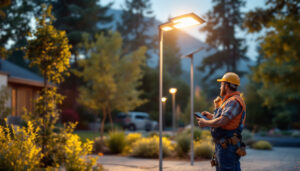
Urban planners and municipalities increasingly adopt solar-powered streetlights to improve public safety and reduce energy expenses. These systems are designed to withstand harsh weather conditions and provide consistent illumination throughout the night. Advanced solar streetlights often incorporate adaptive lighting controls, adjusting brightness based on ambient conditions or pedestrian activity, thereby conserving energy.
For security applications, solar lighting offers a reliable solution in remote or off-grid locations, such as construction sites or rural areas. The ability to deploy lighting quickly without extensive infrastructure makes solar systems highly advantageous for temporary or emergency setups. Moreover, the integration of motion sensors in solar security lights can enhance safety measures by activating lights only when movement is detected, thus providing an added layer of security while minimizing energy consumption. This feature is particularly beneficial for monitoring vulnerable areas, such as parking lots or building perimeters, where visibility is crucial for deterring potential intruders.
Commercial and Industrial Uses
In commercial and industrial settings, solar-powered lighting can be integrated into parking areas, loading docks, and outdoor workspaces. These applications benefit from the durability and low maintenance of solar fixtures, which can withstand heavy usage and environmental stress.
Furthermore, solar lighting supports corporate sustainability targets and can enhance brand reputation by demonstrating commitment to renewable energy. Contractors can collaborate with facility managers to design systems that meet operational needs while optimizing energy savings. The implementation of solar lighting not only reduces overhead costs associated with electricity bills but also aligns with the growing consumer preference for environmentally responsible businesses. Additionally, the use of solar technology can be a compelling selling point for companies looking to attract eco-conscious clients, as it showcases a proactive approach to reducing carbon footprints and promoting green initiatives. With advancements in solar technology, businesses can now access high-efficiency solar panels and energy storage solutions, allowing for reliable lighting even during cloudy days or at night, thus ensuring uninterrupted operations.
Technical Considerations for Lighting Contractors
System Components and Design
Understanding the core components of solar lighting systems is crucial for successful installation and maintenance. These components typically include photovoltaic panels, batteries, LED fixtures, charge controllers, and mounting hardware. Each element must be selected and configured based on the specific application, site conditions, and client requirements.
For example, the size and placement of solar panels directly affect energy capture efficiency. Contractors must evaluate sun exposure, shading, and orientation to maximize performance. Battery capacity should align with anticipated energy consumption and desired autonomy during periods of low sunlight.
Installation Best Practices
Proper installation techniques ensure system reliability and longevity. Lighting contractors should adhere to manufacturer guidelines and industry standards when mounting solar panels and fixtures. Securing panels at optimal angles and ensuring robust connections prevent energy losses and mechanical failures.
Additionally, integrating smart controls and monitoring systems can provide real-time data on system performance, enabling proactive maintenance and troubleshooting. This approach minimizes downtime and enhances client satisfaction.
Maintenance and Troubleshooting
While solar lighting systems generally require less maintenance than traditional lighting, periodic inspections are necessary to sustain optimal operation. Cleaning photovoltaic panels to remove dust, debris, or snow improves energy absorption. Battery health should be monitored to detect degradation and schedule replacements as needed.
Lighting contractors should be prepared to address common issues such as wiring faults, controller malfunctions, or fixture damage. Providing clients with maintenance plans and training can extend system lifespan and ensure consistent lighting quality.
Challenges and Future Trends in Solar-Powered Lighting
Addressing Limitations and Barriers
Despite its advantages, solar-powered lighting faces challenges that contractors must navigate. Initial installation costs can be higher than conventional systems, potentially deterring some clients. However, long-term savings and environmental benefits often justify the investment.
Weather variability and geographic location also impact system performance. In regions with limited sunlight, contractors may need to design hybrid systems or incorporate energy storage solutions to maintain reliability. Educating clients about these factors is essential for managing expectations.
Innovations Driving the Industry Forward
Technological advancements continue to enhance the viability and appeal of solar lighting. Improvements in photovoltaic efficiency, battery technology, and LED performance contribute to more compact, powerful, and cost-effective systems.
Integration with smart city infrastructure and Internet of Things (IoT) platforms enables dynamic lighting management, data analytics, and remote control. These capabilities open new opportunities for lighting contractors to offer sophisticated solutions that improve urban living and operational efficiency.
Conclusion: Embracing Solar-Powered Lighting for a Sustainable Future
Solar-powered lighting represents a transformative shift in how lighting contractors approach design and installation. By embracing this technology, contractors can deliver solutions that are energy-efficient, environmentally responsible, and economically advantageous.
Staying informed about the latest developments, understanding technical requirements, and effectively communicating benefits to clients will position lighting contractors at the forefront of modern lighting solutions. As sustainability becomes a central priority across industries, solar-powered lighting is poised to play an increasingly vital role in shaping the future of illumination.
Illuminate Your Projects with LumenWholesale
Ready to lead the charge in sustainable lighting solutions? At LumenWholesale, we provide lighting contractors with the highest quality solar-powered lighting options at unbeatable wholesale prices. Our spec-grade products ensure that you can deliver energy-efficient, environmentally friendly, and cost-effective lighting solutions to your clients. With our commitment to cutting out the middleman, you get the best value without the inflated markups. Plus, our hassle-free bulk buying and free shipping mean you can stock up on premium lighting with ease. Elevate your lighting projects and join the sustainable future with Wholesale Lighting at the Best Value from LumenWholesale.