Introduction to Solar Outdoor Security Lighting
Solar outdoor security lights have rapidly evolved from niche eco-friendly gadgets to mainstream security solutions. For lighting contractors, understanding the nuances of these systems is essential to meet the growing demand for sustainable, cost-effective, and reliable outdoor lighting. This article explores the core components, installation considerations, performance factors, and emerging trends in solar outdoor security lighting, equipping contractors with the knowledge to confidently recommend and install these systems.
As energy costs rise and environmental concerns intensify, solar-powered security lights offer an attractive alternative to traditional wired lighting systems. They harness renewable energy, reduce operational expenses, and often require less invasive installation. However, their effectiveness hinges on several technical and environmental factors that contractors must grasp to ensure optimal client satisfaction.
One of the key components of solar outdoor security lighting is the solar panel itself, which converts sunlight into electricity. The efficiency of these panels can vary significantly based on their material and design. Monocrystalline panels, for instance, are known for their high efficiency and space-saving characteristics, making them ideal for installations where sunlight exposure may be limited. Additionally, the angle and placement of the solar panels can greatly influence their performance; contractors should consider local weather patterns and seasonal changes when determining the optimal positioning for maximum sunlight exposure.
Another critical aspect to consider is the battery storage system. Most solar security lights utilize rechargeable batteries to store energy collected during the day for nighttime use. The capacity and quality of these batteries can directly impact the duration and brightness of the light output. Lithium-ion batteries, for example, offer longer life spans and better performance in varying temperatures compared to traditional lead-acid batteries. Understanding the trade-offs between different battery types can help contractors make informed recommendations that align with their clients’ specific needs and usage patterns.
Understanding the Core Components of Solar Security Lights
Solar Panels: The Heart of the System
The solar panel is the primary energy harvester, converting sunlight into electrical energy. Most outdoor security lights use monocrystalline or polycrystalline silicon panels, with monocrystalline panels generally offering higher efficiency and better performance in low-light conditions. Contractors should assess panel wattage and size relative to the lighting load and expected sunlight exposure at the installation site.
Placement is critical; panels must face the sun unobstructed for maximum energy capture. Even partial shading from trees, buildings, or seasonal foliage can dramatically reduce energy input, leading to diminished light output or shorter operating hours. Additionally, the angle of the solar panel can significantly affect its efficiency; panels should ideally be tilted at an angle that matches the latitude of the installation site to optimize solar gain throughout the year.
Battery Storage: Ensuring Nighttime Operation
Energy harvested during daylight is stored in rechargeable batteries, typically lithium-ion or sealed lead-acid types. Lithium-ion batteries are increasingly favored for their higher energy density, longer lifespan, and lighter weight. Battery capacity directly influences how long the light can operate after sunset, especially during extended cloudy periods.
Contractors should verify battery specifications, including capacity (measured in ampere-hours), charge cycles, and operating temperature range. Proper battery management systems integrated into the light help prevent overcharging and deep discharge, which can degrade battery life. Moreover, some advanced systems now feature smart technology that allows for real-time monitoring of battery health and performance, ensuring that users are alerted to any potential issues before they become critical. This proactive approach can significantly extend the operational lifespan of the entire solar security lighting system.
LED Lighting: Efficient and Durable Illumination
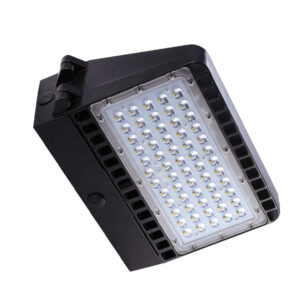
Light Emitting Diodes (LEDs) are the standard illumination source for solar security lights due to their low power consumption, long lifespan, and high brightness. LEDs provide instant illumination, which is essential for security applications where immediate visibility is critical.
Contractors should consider the lumen output, color temperature, and beam angle of the LEDs. A higher lumen count ensures better illumination, while color temperature affects the perceived brightness and ambiance—cool white light (around 5000K) is often preferred for security to enhance visibility. Furthermore, the durability of LEDs makes them an ideal choice for outdoor environments; they are resistant to shock and vibration, which is particularly beneficial in areas prone to extreme weather conditions. Additionally, many modern solar security lights now incorporate motion sensors that can further optimize energy use by activating the LEDs only when movement is detected, thus conserving battery life while providing enhanced security when needed most.
Installation Best Practices for Optimal Performance
Site Assessment and Solar Exposure Analysis
Before installation, a thorough site assessment is indispensable. Contractors must evaluate the location for solar exposure throughout the day and across seasons. Tools such as solar pathfinders or smartphone apps can help predict shading patterns and identify optimal panel orientation. Understanding the unique topography and climate of the area is also vital; for instance, regions with frequent cloud cover may require a different approach than sunnier locales.
In urban environments, reflections from nearby surfaces or intermittent shading from moving objects like vehicles or foliage can impact performance. Selecting a mounting location that minimizes these issues is crucial. Additionally, considering the potential for future developments, such as new buildings or landscaping, can help ensure that the solar installation remains effective over time. A comprehensive analysis may also include assessing local weather patterns and historical data to anticipate seasonal variations in solar energy production.
Mounting and Positioning Considerations
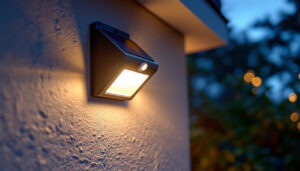
Solar security lights are typically mounted on walls, poles, or eaves. The solar panel may be integrated with the light or separate, connected by a cable. Separate panels offer flexibility in positioning for optimal sun exposure, but require careful cable management to prevent damage or tampering. Choosing the right mounting hardware is essential, as it must be durable enough to withstand wind and other environmental factors while also allowing for easy access during maintenance.
Height and angle of the light fixture affect both the illuminated area and sensor effectiveness. Motion sensors should be positioned to cover the intended detection zone without triggering false alarms from irrelevant movements such as passing animals or swaying branches. Furthermore, the orientation of the light can influence how effectively it illuminates pathways or entryways, enhancing security while also providing a welcoming atmosphere. Properly calibrated lights can also help deter potential intruders by ensuring that the illumination is both adequate and strategically directed.
Electrical and Safety Compliance
While solar security lights reduce the need for complex wiring, contractors must still ensure compliance with local electrical codes and safety standards. This includes proper grounding, secure mounting to withstand weather conditions, and protection against vandalism or theft. It’s also advisable to use high-quality components that are rated for outdoor use, as this can significantly enhance the longevity and reliability of the installation.
Contractors should also educate clients on maintenance requirements, such as periodic cleaning of solar panels and battery replacement schedules, to sustain system reliability. Regular inspections can help identify any issues early on, such as dirt accumulation or damage from extreme weather. Additionally, providing clients with a user manual that outlines troubleshooting steps can empower them to handle minor issues independently, ensuring that their solar security lights remain functional and effective for years to come.
Performance Factors and Troubleshooting
Impact of Weather and Seasonal Variations
Solar lighting performance varies with weather conditions and seasonal changes. Overcast skies, rain, and snow reduce solar irradiance, limiting energy harvesting. In regions with long winters or frequent storms, contractors should recommend systems with larger battery capacity or supplemental lighting options.
Accumulated snow or debris on solar panels can block sunlight, so advising clients on regular inspection and cleaning is essential. Some advanced models incorporate panel heating elements to mitigate snow coverage, but these systems may increase cost and complexity.
Sensor Sensitivity and False Triggers
Motion sensors are critical for security lights, activating illumination only when movement is detected to conserve energy. However, overly sensitive sensors may cause false triggers, leading to unnecessary battery drain and client dissatisfaction.
Contractors should calibrate sensor range and sensitivity during installation, considering the environment and typical movement patterns. Adjustable sensors or models with customizable detection zones offer enhanced control.
Common Issues and Solutions
Typical problems include reduced light duration, intermittent operation, or failure to activate. These issues often stem from insufficient solar charging due to shading, battery degradation, or sensor malfunctions.
Systematic troubleshooting involves verifying solar panel cleanliness and orientation, testing battery voltage and capacity, and checking sensor alignment. Replacing aging batteries and ensuring firmware updates (if applicable) can restore performance.
Emerging Trends and Innovations in Solar Security Lighting
Smart Connectivity and Integration
Modern solar security lights increasingly incorporate smart technologies, enabling remote monitoring, control, and integration with broader security systems. Features such as smartphone apps, motion-triggered alerts, and adjustable lighting schedules enhance usability and security effectiveness.
For contractors, familiarity with these digital platforms and compatibility with home automation systems can differentiate service offerings and attract tech-savvy clients.
Advanced Energy Storage and Efficiency Improvements
Innovations in battery chemistry and energy management are extending operational times and reducing maintenance needs. Solid-state batteries and supercapacitors promise higher efficiency and safety, though widespread adoption is still emerging.
On the lighting front, advancements in LED technology continue to improve brightness and energy efficiency, enabling smaller solar panels and more compact designs.
Environmental and Regulatory Drivers
Increasing environmental regulations and incentives for renewable energy adoption are propelling the solar security lighting market. Contractors should stay informed about local policies, rebates, and certification requirements that can influence project feasibility and client incentives.
Promoting solar lighting as part of sustainable building practices can enhance contractor credibility and open opportunities in green construction and retrofit projects.
Conclusion: Empowering Lighting Contractors with Solar Security Expertise
Solar outdoor security lights represent a compelling solution for modern security needs, blending sustainability with functionality. For lighting contractors, mastering the technical details—from component selection and installation best practices to troubleshooting and embracing emerging technologies—is vital to delivering reliable, high-performing systems.
By understanding the interplay of solar exposure, battery management, sensor calibration, and smart integration, contractors can tailor solutions that meet diverse client requirements and environmental conditions. As the industry evolves, staying abreast of innovations and regulatory trends will ensure contractors remain competitive and trusted partners in the growing solar security lighting market.
Illuminate Your Projects with LumenWholesale
Ready to elevate your lighting solutions with the latest in solar outdoor security lights? At LumenWholesale, we provide lighting contractors with the highest quality, spec-grade lighting products at exceptional wholesale prices. Say goodbye to local distributor markups and hello to a vast selection of reliable, high-performance lighting that meets rigorous industry standards. With the added benefits of free shipping and bulk buying convenience, LumenWholesale is your go-to source for premium lighting without the premium price tag. Discover wholesale lighting at the best value and make your next project shine with LumenWholesale.