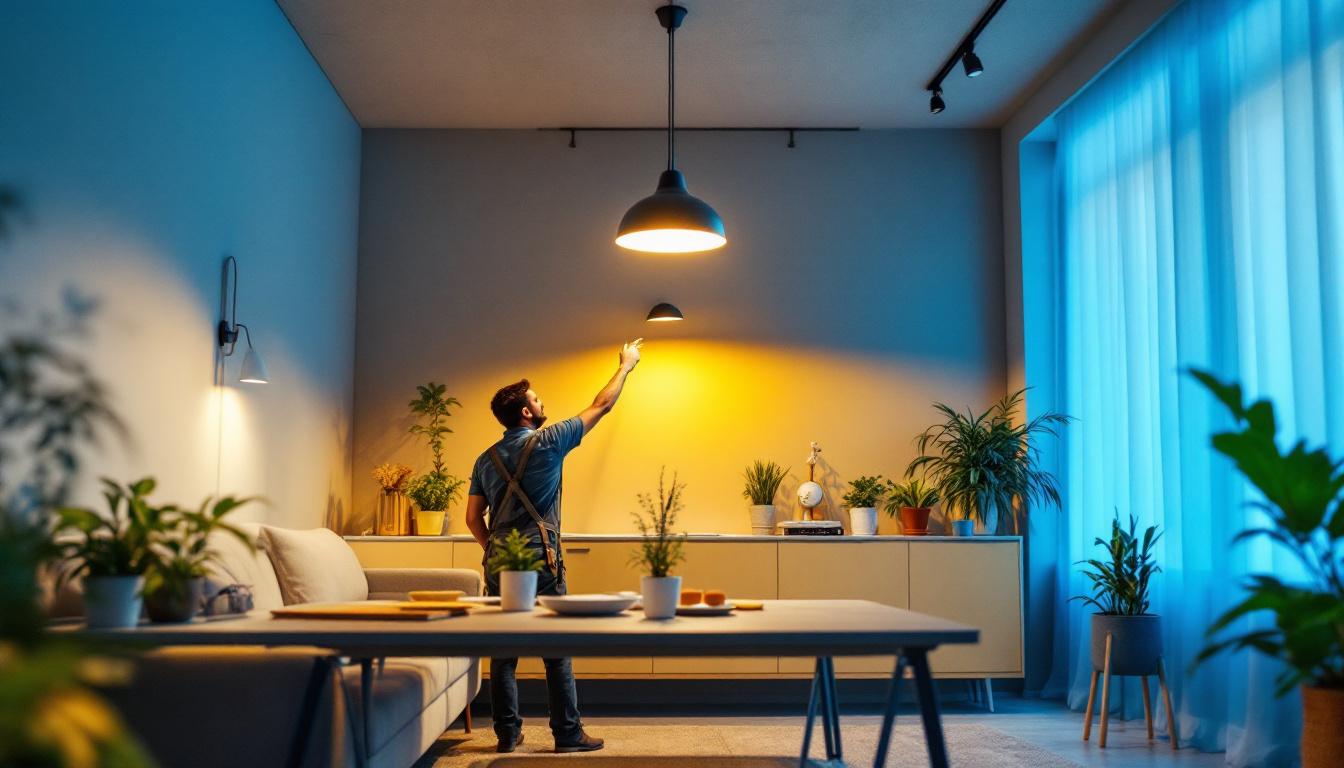
Why Solar Lights Are a Game-Changer for Balcony Lighting Projects
Balconies are unique spaces that blend indoor comfort with outdoor ambiance. Lighting them effectively poses challenges, especially when power sources are limited or wiring is impractical. Solar lights offer a compelling solution, transforming balconies into well-lit, inviting areas without the need for complex electrical installations.
For lighting contractors, integrating solar lights into balcony projects can streamline workflows and reduce costs. These lights harness natural sunlight during the day and illuminate spaces at night, eliminating the need for extensive cabling and electrical connections. This simplicity can significantly speed up project timelines and reduce labor hours.
Reducing Installation Complexity and Cost
Traditional balcony lighting often requires running electrical wiring through walls or ceilings, which can be invasive and time-consuming. Solar lights, by contrast, are typically self-contained units with built-in photovoltaic panels and batteries. This means contractors can avoid drilling, conduit installation, and permits related to electrical work.
Fewer materials and less labor translate into lower overall project costs. Additionally, solar lighting systems can be installed by smaller teams or even single technicians, freeing up resources for other tasks or projects. This efficiency not only benefits contractors but also enhances the overall customer experience, as clients can enjoy their beautifully lit balconies sooner rather than later.
Enhancing Flexibility and Design Options
Solar lights come in a variety of styles and sizes, from string lights and lanterns to wall-mounted fixtures and floor lamps. This diversity allows contractors to tailor lighting solutions to the specific aesthetic and functional needs of each balcony.
Because they don’t require wiring, solar lights can be repositioned easily. This flexibility benefits clients who want to experiment with different lighting arrangements or update their balcony’s look over time without additional installation costs. Furthermore, the ability to mix and match different types of solar lights can create a dynamic atmosphere, allowing homeowners to set the mood for various occasions, whether it’s a cozy dinner for two or a lively gathering with friends.
Moreover, advancements in solar technology have led to improved efficiency and performance, enabling solar lights to function even in less-than-ideal weather conditions. Many modern solar lights now come equipped with motion sensors and adjustable brightness settings, providing not only aesthetic appeal but also enhanced security. This means that homeowners can feel safer knowing their balconies are illuminated when they are in use, while also conserving energy when they are not. As a result, solar lights are not just a practical choice; they also offer an eco-friendly alternative that aligns with sustainable living practices, making them an attractive option for environmentally conscious clients.
Technical Considerations for Maximizing Efficiency with Solar Balcony Lights
Choosing the right solar lighting system involves more than picking a fixture that looks good. Contractors must evaluate technical factors to ensure reliable performance and client satisfaction.
Assessing Sunlight Exposure and Panel Placement
Solar lights depend on adequate sunlight to charge their batteries. For balconies, this means assessing the direction the space faces and any potential shading from neighboring buildings, trees, or awnings.
South-facing balconies generally receive the most sunlight, but even east- or west-facing areas can be suitable if the solar panels are positioned correctly. Some solar lights offer adjustable panels or separate photovoltaic units that can be mounted in optimal locations. Additionally, it is beneficial to consider seasonal changes in sunlight exposure; for example, during winter months, the sun’s path shifts, potentially affecting how much light the panels receive. This necessitates a flexible approach to installation, possibly incorporating movable mounts that allow for adjustments throughout the year.
Battery Capacity and Runtime
Battery size directly impacts how long solar lights can operate after sunset. High-capacity lithium-ion batteries are common in quality solar fixtures, providing longer illumination periods and better performance in low-light conditions.
Contractors should verify the expected runtime and charging cycles of the solar lights they specify. This helps avoid client complaints about dim or non-functioning lights and reduces maintenance visits. Furthermore, understanding the battery’s charge time is crucial; some systems may require several hours of direct sunlight to fully charge. This can influence the choice of fixture, particularly in regions with less consistent sunlight. Incorporating smart technology that monitors battery health and provides alerts for maintenance can also enhance the longevity and reliability of the lighting system.
Light Output and Color Temperature
Balcony lighting needs vary depending on the intended use—whether for ambient mood lighting, task lighting for reading or dining, or accentuating architectural features.
Solar lights come with different lumen outputs and color temperatures, from warm white (2700K-3000K) to cool white (4000K-5000K). Selecting the right combination enhances the balcony’s atmosphere and meets user needs effectively. Additionally, the use of dimmable solar lights can provide versatility, allowing users to adjust brightness levels based on the time of day or occasion. This feature not only conserves energy but also creates a customizable environment that can adapt to various activities, from intimate gatherings to lively outdoor dinners. Moreover, integrating motion sensors can further optimize energy usage by ensuring lights are only activated when needed, thus prolonging battery life and enhancing user convenience.
Environmental and Economic Benefits of Solar Balcony Lighting
Beyond installation efficiency, solar balcony lights offer significant environmental and economic advantages that appeal to both contractors and clients.
Lower Energy Consumption and Reduced Carbon Footprint
Solar lighting eliminates electricity consumption from the grid, directly reducing energy bills and carbon emissions. For environmentally conscious clients, this is a strong selling point.
Contractors who promote sustainable lighting solutions can differentiate themselves in a competitive market. Demonstrating knowledge of energy-efficient technologies also builds trust and credibility. Furthermore, the use of solar lights contributes to a larger movement towards renewable energy sources, which is increasingly important as communities strive to meet sustainability goals. By opting for solar solutions, clients not only save money but also play a role in combating climate change, making their investment feel more meaningful and impactful.
Minimal Maintenance and Long-Term Savings
Solar lights generally require less maintenance than wired fixtures. There are no bulbs to replace frequently, and many models feature durable, weather-resistant materials suited for outdoor use.
Clients benefit from lower ongoing costs, while contractors can reduce follow-up service calls. This reliability enhances client satisfaction and can lead to repeat business or referrals. Additionally, the installation of solar balcony lights can increase property value, as potential buyers often look for energy-efficient features. The long lifespan of solar lights means that clients can enjoy years of illumination without the worry of frequent replacements, further solidifying their decision as a wise financial choice. Moreover, many solar lights come equipped with smart technology, allowing users to control their lighting remotely and customize settings, adding an element of convenience that modern homeowners appreciate.
Practical Tips for Lighting Contractors Implementing Solar Balcony Lights
Successful solar balcony lighting projects depend on careful planning and execution. Here are some practical tips to optimize outcomes.
Conduct a Detailed Site Survey
Before selecting solar fixtures, inspect the balcony’s orientation, shading patterns, and available mounting points. Use this information to recommend the best products and installation methods.
Consider the client’s lifestyle and preferences. For example, if the balcony is used primarily in the evenings, prioritize lights with longer battery life and higher brightness. Additionally, take note of any seasonal changes in sunlight exposure, as this can affect the performance of solar lights throughout the year. Understanding the local climate and weather patterns can further inform your choices, ensuring that the selected fixtures will perform optimally across different conditions.
Educate Clients on Usage and Maintenance
Clients should understand how solar lights function and what to expect in terms of charging and illumination. Clear instructions on cleaning solar panels and protecting lights during extreme weather can extend product life.
Providing this guidance upfront reduces misunderstandings and enhances the client’s experience. Consider creating a simple maintenance schedule that clients can follow, outlining tasks such as checking for debris on solar panels or replacing batteries when necessary. This proactive approach not only helps maintain the efficiency of the lights but also empowers clients to take an active role in their balcony’s lighting upkeep, fostering a sense of ownership and satisfaction.
Combine Solar Lights with Other Lighting Types When Needed
In some cases, solar lights might not fully meet the lighting requirements, especially in shaded or enclosed balconies. Combining solar fixtures with low-voltage or LED wired lights can create a balanced, efficient lighting scheme.
Contractors should assess each project individually and offer hybrid solutions when appropriate. For instance, strategically placing solar lights in areas that receive direct sunlight while supplementing with wired fixtures in darker corners can enhance overall illumination. Additionally, consider the aesthetic appeal of combining different lighting styles; using a mix of fixtures can create a layered lighting effect that adds depth and character to the balcony space. This thoughtful approach not only ensures functionality but also elevates the design, making the balcony a more inviting and enjoyable area for clients to relax and entertain.
Case Studies: Successful Solar Balcony Lighting Installations
Examining real-world examples can illustrate the benefits and best practices of solar balcony lighting.
Urban Apartment Balcony Transformation
A lighting contractor working on a high-rise apartment balcony faced strict building regulations prohibiting external wiring. By installing solar-powered LED string lights with adjustable solar panels mounted on the balcony railing, the project was completed without permits or electrical work.
The client reported a cozy ambiance perfect for evening relaxation, with zero increase in electricity bills.
Restaurant Outdoor Seating Area
A restaurant owner wanted to illuminate a rooftop balcony dining area sustainably. The contractor selected solar lanterns with warm white LEDs and high-capacity batteries to ensure all-night lighting.
The solar lights were integrated with motion sensors to conserve energy during low-occupancy periods. This approach reduced operational costs and enhanced the venue’s eco-friendly image.
Conclusion: Solar Balcony Lights as a Strategic Advantage for Lighting Contractors
Solar lights offer a practical, cost-effective, and environmentally friendly option for balcony lighting projects. They simplify installation, reduce maintenance, and provide design flexibility that meets diverse client needs.
For lighting contractors, mastering solar lighting solutions can increase project efficiency, lower costs, and open new market opportunities. Understanding technical specifications and client requirements ensures successful outcomes and long-term satisfaction.
Incorporating solar lights into balcony projects is more than a trend-it’s a strategic move that aligns with evolving client expectations and sustainable building practices.
Illuminate Your Projects with LumenWholesale
Ready to enhance your balcony lighting projects with the efficiency and sustainability of solar lights? At LumenWholesale, we provide lighting contractors with the highest quality, spec-grade solar lighting options at unbeatable wholesale prices. Say goodbye to local distributor markups and hello to our extensive selection that meets rigorous industry standards. With free shipping on bulk orders, LumenWholesale is your go-to source for premium lighting solutions that promise reliability and high performance. Elevate your lighting projects and delight your clients by choosing the best value in wholesale lighting. Discover our solar lighting options and start saving today!