Introduction to Solar LED Flood Lights for Outdoor Applications
As lighting contractors, staying ahead of sustainable and energy-efficient technologies is crucial. Solar LED flood lights have emerged as a leading solution for outdoor illumination, combining the benefits of renewable energy with the durability and brightness required for commercial and residential projects. These fixtures harness solar power to provide reliable, cost-effective lighting without the need for extensive wiring or high electricity bills.
Understanding the nuances of solar LED flood lights—from their design and installation to maintenance and troubleshooting—can significantly enhance project outcomes and client satisfaction. This article explores proven methods and best practices tailored specifically for lighting contractors aiming to excel in outdoor solar lighting installations.
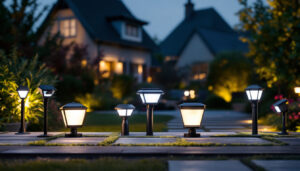
One of the standout features of solar LED flood lights is their versatility. They can be utilized in a variety of settings, from illuminating pathways and driveways to enhancing security around commercial properties. Their ability to operate independently of the electrical grid makes them an ideal choice for remote areas where traditional power sources are unavailable or impractical. Additionally, advancements in solar technology have led to improved battery storage systems, allowing these lights to function efficiently even during cloudy days or at night, ensuring consistent performance throughout the year.
Moreover, the installation of solar LED flood lights can often be completed in a fraction of the time compared to traditional lighting systems. With minimal site preparation and no need for trenching or wiring, contractors can save on labor costs and reduce the environmental impact associated with conventional installations. Furthermore, many solar flood lights come equipped with smart technology features, such as motion sensors and programmable timers, which not only enhance energy efficiency but also provide added convenience and security for users. As the demand for sustainable solutions continues to grow, understanding these innovative features will empower contractors to offer more comprehensive and appealing options to their clients.
Benefits of Solar LED Flood Lights in Outdoor Environments
Energy Efficiency and Cost Savings
Solar LED flood lights leverage photovoltaic panels to convert sunlight into electricity, powering high-efficiency LED bulbs. Unlike traditional flood lighting that relies on grid electricity, solar-powered systems reduce operational costs by eliminating energy consumption fees. This is particularly advantageous in remote or off-grid locations where electrical infrastructure is limited or costly to install.
Moreover, LED technology itself is inherently energy-efficient, consuming up to 80% less energy than incandescent or halogen bulbs while delivering equivalent or superior brightness. This combination of solar energy and LED efficiency results in substantial long-term savings for clients, making these lights an attractive option for both residential and commercial outdoor projects.
Environmental Impact and Sustainability
Lighting contractors are increasingly called upon to provide environmentally responsible solutions. Solar LED flood lights contribute to reducing carbon footprints by utilizing clean, renewable energy. They produce no greenhouse gas emissions during operation and decrease reliance on fossil-fuel-generated electricity.
Additionally, many solar LED flood lights are designed with recyclable materials and feature long lifespans, further minimizing environmental impact. Offering sustainable lighting options can enhance a contractor’s reputation and align with growing regulatory and consumer demands for green building practices.
Ease of Installation and Flexibility
One of the most compelling advantages of solar LED flood lights is their ease of installation. Since these systems are self-contained—integrating solar panels, batteries, and LEDs—they require minimal wiring and no connection to the electrical grid. This reduces labor time, complexity, and costs associated with trenching or conduit installation.
Lighting contractors can deploy solar flood lights in diverse outdoor settings, including parks, parking lots, building perimeters, and pathways, without worrying about access to power sources. This flexibility expands project possibilities and enables rapid deployment in temporary or emergency lighting scenarios.
Key Components and Technology Considerations
Solar Panels: Types and Efficiency
Solar panels are the heart of any solar LED flood light system. The most common types used are monocrystalline and polycrystalline panels. Monocrystalline panels typically offer higher efficiency and better performance in low-light conditions, making them suitable for areas with variable sunlight. Polycrystalline panels are generally more cost-effective but slightly less efficient.
Lighting contractors should evaluate the solar panel’s wattage, efficiency rating, and durability to ensure the system meets the site’s energy requirements. Panels with tempered glass and robust frames provide better resistance to weather and mechanical damage, essential for outdoor applications.
LED Modules and Light Output
LED modules in solar flood lights vary in brightness, color temperature, and beam angle. High-quality LEDs provide bright, uniform illumination with minimal glare, enhancing safety and visibility. Most outdoor applications benefit from LEDs with a color temperature between 4000K and 6000K, which offers a natural white light that improves contrast and detail recognition.
Contractors should select LED modules with appropriate lumen output based on the area size and lighting purpose. For example, security lighting typically requires higher lumens and wider beam angles compared to accent or pathway lighting.
Battery Storage and Management
Battery technology is critical for ensuring consistent illumination during nighttime and cloudy days. Lithium-ion batteries are increasingly preferred due to their high energy density, longer cycle life, and lighter weight compared to traditional lead-acid batteries. Proper battery sizing is essential to provide sufficient autonomy, typically ranging from 8 to 12 hours of continuous operation.
Advanced battery management systems (BMS) protect against overcharging, deep discharging, and temperature extremes, extending battery lifespan and maintaining performance. Lighting contractors should verify that the solar flood light system includes reliable BMS features to minimize maintenance and replacement costs.
Installation Best Practices for Lighting Contractors
Site Assessment and Planning
Successful solar LED flood light installations begin with thorough site assessments. Contractors should evaluate sunlight exposure, shading from trees or structures, and the orientation of mounting surfaces. Optimal solar panel placement maximizes energy capture and system efficiency.
Additionally, understanding the client’s lighting requirements—such as brightness levels, coverage area, and operational hours—is essential for selecting the right system specifications. Incorporating local regulations and safety standards into the planning process ensures compliance and reduces liability.
Mounting and Positioning Techniques
Proper mounting techniques are vital for durability and performance. Solar panels should be angled to capture maximum sunlight, typically between 30 to 45 degrees depending on geographic latitude. Flood lights must be positioned to avoid direct glare into eyes or neighboring properties while providing adequate illumination.
Using corrosion-resistant mounting brackets and hardware enhances longevity, especially in harsh environments like coastal or industrial areas. Contractors should also consider vandal-resistant designs and tamper-proof fasteners to protect the investment.
Electrical Connections and Safety
Although solar LED flood lights reduce the need for extensive wiring, contractors must ensure all electrical connections are secure, waterproof, and compliant with local electrical codes. Proper grounding and surge protection safeguard the system against lightning strikes and electrical faults.
Integrating smart controls such as motion sensors, photocells, or remote monitoring can improve energy efficiency and extend battery life. Lighting contractors should familiarize themselves with these technologies to offer enhanced functionality and value to clients.
Maintenance and Troubleshooting Strategies
Routine Inspection and Cleaning
Maintaining optimal performance requires regular inspections of solar panels, batteries, and LED modules. Dirt, dust, and debris accumulation on solar panels can reduce energy absorption by up to 25%, so cleaning panels with non-abrasive materials is recommended.
Contractors should schedule periodic checks to identify corrosion, loose connections, or physical damage. Early detection of issues prevents costly repairs and downtime, ensuring client satisfaction.
Battery Health Monitoring
Battery degradation is a common cause of solar LED flood light failure. Monitoring battery voltage, charge cycles, and temperature helps predict end-of-life and plan timely replacements. Implementing remote monitoring systems allows contractors to track battery health without on-site visits, improving service efficiency.
Educating clients on proper battery care, such as avoiding prolonged shading or over-discharge, can extend system lifespan and reduce warranty claims.
Troubleshooting Common Problems
Typical issues include reduced light output, flickering, or non-operation. These symptoms often stem from battery failure, insufficient sunlight exposure, or faulty wiring. Contractors should systematically check solar panel output with a multimeter, verify battery charge status, and inspect all connections.
Replacing defective components with manufacturer-approved parts and recalibrating control settings usually resolves most problems. Maintaining detailed service records aids in diagnosing recurring issues and improving future installations.
Emerging Trends and Future Opportunities
Integration with Smart Lighting Systems
Advancements in Internet of Things (IoT) technology are enabling solar LED flood lights to integrate seamlessly with smart lighting networks. Features such as remote dimming, scheduling, and adaptive lighting based on occupancy or ambient conditions enhance energy savings and user convenience.
Lighting contractors who adopt these innovations can differentiate their services and meet increasing demand for intelligent outdoor lighting solutions.
Hybrid Solar Solutions
Hybrid systems combining solar power with grid or battery backup offer enhanced reliability, particularly in regions with inconsistent sunlight. These configurations ensure continuous operation during extended cloudy periods or high-demand scenarios.
Contractors can leverage hybrid designs to expand their portfolio and address complex client needs in commercial and industrial sectors.
Advancements in Materials and Design
Ongoing improvements in photovoltaic materials, LED efficiency, and battery chemistry promise more compact, powerful, and cost-effective solar flood lights. Innovations such as bifacial solar panels and organic LEDs (OLEDs) may soon redefine outdoor lighting possibilities.
Staying informed about these developments enables lighting contractors to provide cutting-edge solutions and maintain competitive advantage.
Conclusion
Solar LED flood lights represent a transformative opportunity for lighting contractors seeking to deliver sustainable, efficient, and versatile outdoor lighting solutions. By understanding the technology, mastering installation best practices, and committing to proactive maintenance, contractors can ensure optimal system performance and client satisfaction.
Embracing emerging trends such as smart integration and hybrid systems further positions contractors at the forefront of the evolving lighting industry. With the right expertise and approach, solar LED flood lights can become a cornerstone of successful outdoor lighting projects, benefiting both contractors and their clients alike.
Illuminate Your Projects with LumenWholesale
Ready to elevate your lighting projects with the efficiency and sustainability of solar LED flood lights? Look no further than LumenWholesale, where we provide contractors with high-quality, specification-grade lighting products at unbeatable wholesale prices. Our extensive selection is designed to meet the highest industry standards, ensuring you deliver reliable, high-performance lighting for every outdoor application. Plus, with free shipping on bulk orders, you can secure premium lighting solutions at the best value — all without hidden fees or compromises. Don’t miss out on the perfect blend of quality, affordability, and convenience. Discover the LumenWholesale difference and make your next project shine by visiting Wholesale Lighting at the Best Value.