Introduction to Smart Outdoor Light Switches
Smart outdoor light switches represent a significant advancement in residential and commercial lighting control. These devices offer convenience, energy efficiency, and enhanced security by allowing users to control outdoor lighting remotely, schedule lighting patterns, and integrate with broader smart home systems. For lighting contractors, the growing demand for smart outdoor lighting solutions presents both exciting opportunities and unique challenges.
As the market for smart lighting expands, contractors must navigate technical complexities, customer expectations, and evolving industry standards. Understanding these challenges is crucial for delivering high-quality installations and maintaining a competitive edge in the lighting industry.
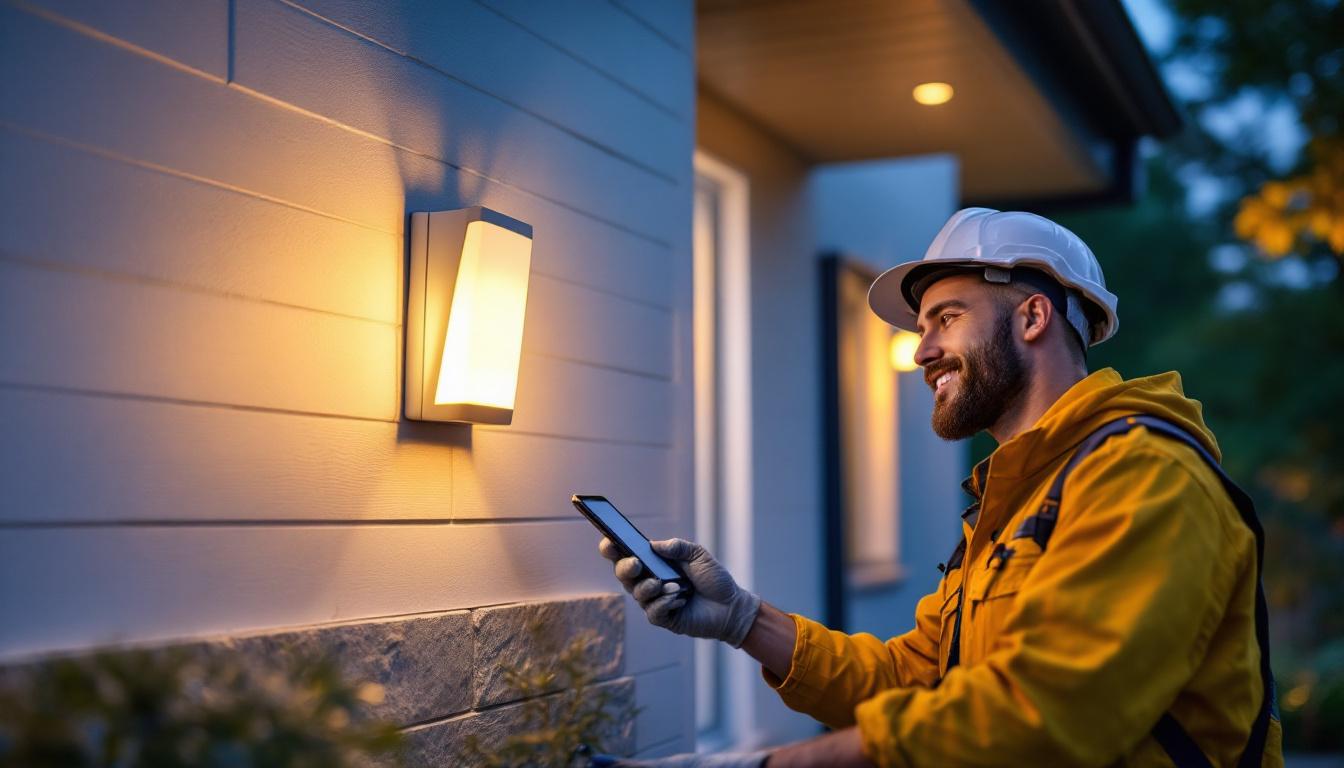
Moreover, smart outdoor light switches often come equipped with features such as motion sensors and ambient light detection, which further enhance their functionality. For instance, motion sensors can automatically turn on lights when someone approaches, providing both safety and convenience, especially in dark areas. This feature not only deters potential intruders but also offers peace of mind to homeowners who may be concerned about safety in their outdoor spaces. Additionally, the integration with mobile apps allows users to customize their lighting preferences, set timers, and even receive notifications when lights are activated, making it easier to manage outdoor lighting efficiently.
Furthermore, the evolution of smart outdoor light switches is closely tied to the increasing emphasis on sustainability and energy conservation. Many of these devices are designed to be energy-efficient, using LED technology that significantly reduces electricity consumption compared to traditional lighting options. This shift not only contributes to lower utility bills for homeowners but also aligns with global efforts to reduce carbon footprints. As contractors become more knowledgeable about these energy-efficient solutions, they can better educate their clients on the long-term benefits of investing in smart outdoor lighting, thus fostering a more environmentally conscious approach to home improvement.
Technical Challenges in Installing Smart Outdoor Light Switches
Compatibility with Existing Electrical Systems
One of the primary technical hurdles contractors face is ensuring compatibility between smart outdoor light switches and existing electrical infrastructure. Older homes and commercial buildings often have outdated wiring or non-standard switch boxes that may not support modern smart devices.
For instance, many smart switches require a neutral wire to function correctly, but older installations sometimes lack this wiring. Contractors must assess the electrical setup carefully and may need to perform additional wiring work to accommodate smart switches. This can increase installation time and costs, and requires a thorough understanding of electrical codes and safety regulations. Furthermore, the age and condition of the existing wiring can pose additional challenges; frayed wires or corroded connections can lead to safety hazards and may necessitate a complete rewiring of the circuit to ensure reliability and compliance with current standards.
Weatherproofing and Durability Considerations
Outdoor environments expose smart light switches to moisture, temperature fluctuations, dust, and physical impact. Ensuring that the devices are weatherproof and durable enough to withstand these conditions is essential. Contractors must select switches with appropriate IP ratings (Ingress Protection) and install them in suitable enclosures to prevent damage and ensure long-term reliability.
Improper installation or selection of non-weatherproof devices can lead to malfunctions, safety hazards, and increased warranty claims. Lighting contractors need to be knowledgeable about product specifications and best practices for outdoor installations. Additionally, they should consider the geographical location and climate of the installation site; for example, areas prone to heavy rainfall or extreme temperatures may require even more robust solutions, such as switches designed specifically for harsh weather conditions. This foresight can significantly enhance the longevity and performance of the installed devices.
Integration with Smart Home Ecosystems
Smart outdoor light switches often need to integrate seamlessly with various smart home platforms such as Amazon Alexa, Google Home, or Apple HomeKit. Compatibility issues can arise due to differences in communication protocols (Wi-Fi, Zigbee, Z-Wave) or software versions.
Contractors must stay updated on the latest technologies and firmware updates to ensure smooth integration. Troubleshooting connectivity problems can be time-consuming and may require advanced technical skills, including network configuration and understanding of IoT (Internet of Things) systems. Moreover, as smart home technology continues to evolve, contractors must also be prepared for potential future upgrades or changes in consumer preferences. This might include the need for additional devices or hubs that facilitate communication between various smart products, ensuring that the outdoor lighting system remains functional and user-friendly. Keeping abreast of industry trends and emerging technologies will not only enhance service offerings but also position contractors as knowledgeable professionals in a rapidly changing market.
Customer Expectations and Communication Challenges
Educating Customers on Smart Lighting Benefits and Limitations
Many customers are intrigued by smart outdoor lighting but may not fully understand its capabilities or limitations. Lighting contractors often find themselves in the role of educators, explaining how smart switches work, what features are available, and how to use them effectively.
Clear communication about the benefits—such as energy savings, convenience, and enhanced security—is vital. Equally important is setting realistic expectations regarding installation complexity, potential troubleshooting, and ongoing maintenance. Misunderstandings can lead to dissatisfaction and negative reviews, impacting a contractor’s reputation. Additionally, contractors can enhance customer understanding by providing demonstrations or visual aids that illustrate how smart lighting systems function. This hands-on approach can demystify the technology and empower customers to make informed decisions. Furthermore, sharing case studies or testimonials from previous clients can help prospective customers visualize the practical applications and advantages of smart lighting in their own spaces.
Addressing Privacy and Security Concerns
With smart devices connected to the internet, customers frequently express concerns about privacy and cybersecurity. Lighting contractors must be prepared to discuss how smart outdoor light switches handle data, what security measures are in place, and how customers can protect their systems from unauthorized access.
Providing guidance on secure network setup, password management, and firmware updates can help alleviate these concerns. Contractors who proactively address privacy and security demonstrate professionalism and build trust with their clients. Additionally, it may be beneficial for contractors to offer resources or workshops on cybersecurity best practices, empowering customers to take control of their data security. By fostering an open dialogue about these issues, contractors can not only reassure clients but also position themselves as knowledgeable partners in the smart home landscape, reinforcing their credibility and expertise.
Managing Diverse Customer Needs and Preferences
Smart outdoor lighting solutions are not one-size-fits-all. Customers have varying preferences regarding control methods (voice, app, manual), lighting schedules, and integration with other smart devices. Contractors must tailor solutions to meet these diverse needs while balancing budget constraints and technical feasibility.
This requires a consultative approach during the sales and planning stages, ensuring that the installed system aligns with the customer’s lifestyle and expectations. Flexibility and adaptability are key traits for contractors working in this evolving field. Moreover, understanding the specific context of each customer’s environment—such as the layout of their property, existing electrical systems, and aesthetic preferences—can lead to more personalized solutions. Engaging customers in discussions about their long-term goals for their outdoor spaces can also uncover additional opportunities for enhancements, such as landscape lighting or motion sensors, which can further elevate the functionality and appeal of their smart lighting systems.
Industry and Regulatory Challenges
Keeping Up with Rapid Technological Advancements
The smart lighting industry is characterized by rapid innovation. New products, communication protocols, and features emerge frequently, making it challenging for contractors to stay current. Continuous education and training are essential to maintain expertise and provide clients with the best solutions.
Contractors who invest in ongoing professional development and maintain strong relationships with manufacturers and suppliers are better positioned to navigate these changes effectively.
Compliance with Electrical Codes and Safety Standards
Smart outdoor light switch installations must comply with local electrical codes and safety standards, which can vary significantly by region. Contractors need to be well-versed in these regulations to ensure legal compliance and avoid liability issues.
Additionally, some jurisdictions may have specific requirements for outdoor electrical devices regarding weatherproofing, grounding, and circuit protection. Staying informed about these regulations and incorporating them into installation practices is critical for contractor success.
Warranty and Liability Considerations
Smart devices introduce new dimensions to warranty and liability concerns. Contractors must clearly define their responsibilities regarding device failures, installation defects, and ongoing maintenance. Coordination with manufacturers’ warranties is also important to provide comprehensive coverage for clients.
Clear contracts and documentation can help manage expectations and protect contractors from disputes. Understanding the nuances of warranty terms and liability exposure is an important aspect of professional practice in this field.
Operational and Business Challenges
Balancing Cost and Quality
Smart outdoor light switches vary widely in price and quality. Contractors face the challenge of recommending products that balance affordability with performance and reliability. Low-cost devices may attract budget-conscious customers but could lead to higher failure rates and service calls.
Conversely, premium devices may exceed some customers’ budgets. Contractors must navigate these trade-offs and provide transparent advice to help clients make informed decisions that align with their needs and financial constraints.
Time Management and Installation Complexity
Installing smart outdoor light switches can be more time-consuming than traditional switches due to additional wiring, configuration, and testing requirements. Contractors must manage project timelines effectively to maintain profitability while ensuring high-quality workmanship.
Efficient scheduling, skilled labor, and thorough pre-installation assessments can help mitigate delays and reduce the risk of costly rework.
After-Sales Support and Maintenance
Smart lighting systems often require ongoing support, including troubleshooting connectivity issues, firmware updates, and occasional hardware replacement. Lighting contractors need to establish clear after-sales service policies and possibly offer maintenance contracts.
Providing reliable support enhances customer satisfaction and can generate recurring revenue streams. However, it also demands resources and infrastructure that contractors must plan for strategically.
Conclusion: Navigating the Smart Outdoor Lighting Landscape
Smart outdoor light switches offer transformative benefits for lighting contractors and their clients, but they also introduce a complex set of challenges. From technical installation hurdles and customer education to regulatory compliance and business management, contractors must adopt a comprehensive approach to succeed in this dynamic market.
By staying informed about technological trends, investing in training, communicating effectively with customers, and adhering to industry standards, lighting contractors can overcome these challenges and capitalize on the growing demand for smart outdoor lighting solutions. Ultimately, mastering these aspects will position contractors as trusted experts and drive long-term business growth in the evolving lighting industry.
Get Your Smart Lighting Solutions from LumenWholesale
Ready to tackle the challenges of smart outdoor lighting installations and elevate your business? LumenWholesale is here to support you every step of the way. With our spec-grade lighting products at unbeatable wholesale prices, you can confidently meet your clients’ needs while maintaining profitability. Say goodbye to inflated markups and hello to a vast selection of reliable, high-performance lighting that meets the highest industry standards. Plus, with free shipping on bulk orders, you can enjoy the best value without any hidden fees. Don’t compromise on quality or cost. Wholesale Lighting at the Best Value is just a click away. Make the smart choice with LumenWholesale today.