Understanding the Importance of Compliance in Kitchen Lighting
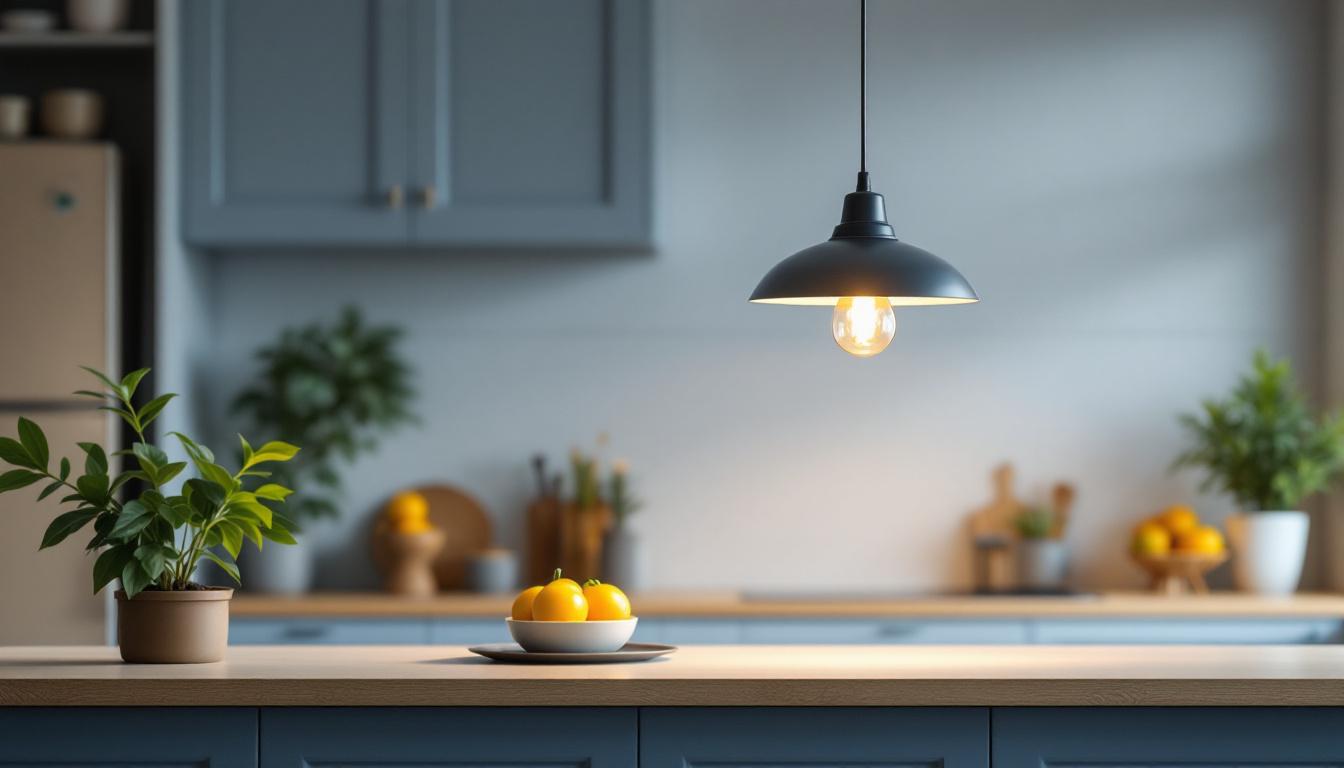
Small hanging kitchen lights have become a popular choice for both residential and commercial kitchen spaces due to their aesthetic appeal and functional benefits. However, for lighting contractors, the installation of these fixtures goes beyond design considerations. Compliance with electrical codes, safety standards, and energy regulations is paramount to ensure not only the safety of occupants but also the longevity and performance of the lighting system.
Non-compliance can lead to serious consequences such as electrical hazards, increased liability, and costly rework. Additionally, adherence to compliance standards helps contractors maintain professional credibility and meet client expectations effectively. Understanding the regulatory landscape surrounding small hanging kitchen lights is essential for delivering installations that are both beautiful and safe.
Moreover, the integration of energy-efficient lighting solutions, such as LED fixtures, has become increasingly important in modern kitchen designs. These energy-efficient options not only reduce electricity consumption but also contribute to lower utility bills, making them an attractive choice for homeowners and business owners alike. However, contractors must ensure that these fixtures are installed in accordance with local energy codes, which often dictate specific requirements for wattage and lumens to optimize energy savings while providing adequate illumination. This dual focus on aesthetics and compliance can enhance the overall value of a property, making it more appealing to potential buyers or patrons.
Furthermore, the growing trend towards smart home technology has introduced new dimensions to compliance in kitchen lighting. Smart lighting systems, which can be controlled remotely and programmed for various settings, require careful consideration of both installation practices and compatibility with existing electrical systems. Contractors must stay informed about the latest advancements in smart technology and ensure that these systems are installed in a way that meets safety standards while maximizing their functionality. By doing so, they not only enhance the user experience but also position themselves as knowledgeable professionals in a rapidly evolving market.
Key Compliance Standards for Small Hanging Kitchen Lights
National Electrical Code (NEC) Requirements
The National Electrical Code (NEC) provides comprehensive guidelines that directly impact the installation of small hanging kitchen lights. Lighting contractors must ensure that all wiring, grounding, and circuit requirements meet NEC standards. For example, the NEC specifies the use of appropriate wiring methods and the necessity of GFCI (Ground Fault Circuit Interrupter) protection in kitchen areas to prevent electric shock.
Additionally, the NEC outlines clearances for fixtures in relation to combustible materials and specifies the types of bulbs and fixtures permissible in damp or wet locations, which can be relevant in kitchen environments. Contractors should regularly consult the latest NEC editions and local amendments to stay current with evolving requirements. It is also essential for contractors to be aware of the specific load calculations required for kitchen lighting, as these can vary significantly based on the size and layout of the space. Understanding these calculations helps ensure that the electrical system can handle the additional load without risk of tripping breakers or causing overheating.
Energy Efficiency and Lighting Regulations
Energy codes such as the International Energy Conservation Code (IECC) and standards set by the Department of Energy (DOE) influence the types of lighting fixtures that can be installed. Small hanging kitchen lights must often meet minimum efficacy requirements, which means they need to provide a certain amount of light output per watt consumed.
Lighting contractors should prioritize fixtures that are ENERGY STAR® certified or comply with similar energy efficiency certifications. These products not only help clients reduce energy consumption and utility costs but also ensure that installations meet mandated energy codes. Incorporating LED technology in small hanging kitchen lights is a common strategy to achieve compliance while delivering superior lighting quality. Furthermore, the use of smart lighting systems can enhance energy efficiency by allowing homeowners to control their lighting remotely, set schedules, and even adjust brightness levels based on the time of day or activity, making them a versatile choice for modern kitchens.
Safety Considerations Specific to Small Hanging Kitchen Lights
Heat Management and Fire Safety
One critical safety aspect when installing small hanging kitchen lights is managing heat output. Kitchens can be high-temperature environments, and fixtures that generate excessive heat pose fire risks, especially when installed near cabinetry or flammable materials. Lighting contractors must select fixtures with appropriate heat dissipation features and ensure adequate clearance from surfaces.
Using LED bulbs, which emit significantly less heat compared to incandescent or halogen bulbs, helps mitigate these risks. Additionally, verifying that fixtures have proper UL (Underwriters Laboratories) or equivalent safety certifications guarantees that they have been tested for safe operation under typical kitchen conditions.
Moreover, it’s crucial to consider the placement of these lights in relation to kitchen appliances that generate heat, such as ovens and stovetops. Installing lights too close to these heat sources can not only lead to accelerated wear and tear on the fixtures but also increase the likelihood of overheating. Therefore, a strategic layout that allows for both aesthetic appeal and functional safety is essential. Incorporating dimmers can also provide flexibility in light intensity, allowing homeowners to adjust brightness based on cooking activities, further enhancing safety and comfort in the kitchen environment.
Moisture and Dust Resistance
Kitchens are prone to moisture, steam, and airborne grease particles, all of which can affect the performance and safety of hanging lights. Compliance with Ingress Protection (IP) ratings is essential when selecting fixtures. For example, fixtures with an IP44 rating or higher offer protection against splashing water and dust ingress, making them suitable for kitchen environments.
Lighting contractors should assess the specific location within the kitchen where the small hanging lights will be installed—such as above sinks or cooking areas—and choose fixtures accordingly. Proper sealing and installation techniques also play a significant role in maintaining fixture integrity and compliance.
In addition to IP ratings, it’s also advisable to consider the materials used in the light fixtures. Stainless steel or treated glass options can provide better resistance to corrosion and staining from moisture and grease. Regular maintenance, such as cleaning the fixtures to remove any accumulated grime, is equally important to ensure longevity and optimal performance. Furthermore, installing fixtures with easy access for bulb replacement and cleaning can significantly enhance the practicality and safety of the lighting setup, ensuring that the kitchen remains both functional and visually appealing.
Installation Best Practices for Compliance and Longevity
Proper Mounting and Support
Small hanging kitchen lights often involve pendant-style fixtures suspended by cords, chains, or rods. Ensuring that these fixtures are securely mounted to support structures capable of bearing their weight is a fundamental compliance requirement. This prevents accidents caused by falling fixtures and aligns with building code mandates.
Contractors should use hardware rated for the fixture’s weight and verify that ceiling joists or mounting surfaces are structurally sound. Additionally, the length of the hanging fixture must be adjusted to avoid interference with kitchen activities while providing optimal illumination.
Wiring and Circuit Considerations
Correct wiring practices are essential for both safety and code compliance. Lighting contractors must ensure that circuits supplying small hanging kitchen lights are properly rated and protected. This includes using the correct gauge wire, installing appropriate circuit breakers, and ensuring that wiring connections are secure and insulated.
In kitchens, it is common to have multiple lighting zones, including task lighting over workspaces and ambient lighting. Contractors should plan circuits accordingly to allow for independent control and avoid overloading. Incorporating dimmers compatible with the fixture type can enhance functionality while adhering to electrical standards.
Documentation and Inspection: Ensuring Compliance Post-Installation
Maintaining Accurate Records
Lighting contractors should maintain detailed documentation of all installations, including product specifications, wiring diagrams, and compliance certificates. This documentation is invaluable during inspections and for future maintenance or upgrades. It also serves as proof of due diligence in meeting regulatory requirements.
Clients often request these records to verify that installations meet safety and energy codes, especially in commercial kitchen settings where inspections are frequent. Keeping organized and accessible records reflects professionalism and facilitates smooth project handovers.
Preparing for Inspections
Local building inspectors or electrical authorities typically review kitchen lighting installations as part of broader electrical system inspections. Contractors should proactively prepare by reviewing compliance checklists and addressing any potential issues before inspection visits.
Common inspection points include verifying GFCI protection, ensuring proper fixture mounting, confirming correct wiring methods, and checking for appropriate energy-efficient fixtures. Being well-prepared helps avoid delays and costly corrections, reinforcing the contractor’s reputation for quality workmanship.
Emerging Trends and Technologies Impacting Compliance
Smart Lighting and IoT Integration
Advancements in smart lighting technology are transforming kitchen lighting solutions. Small hanging kitchen lights equipped with IoT (Internet of Things) capabilities offer features such as remote control, automatic dimming, and color temperature adjustments. While these technologies enhance user experience, they also introduce new compliance considerations.
Contractors must ensure that smart fixtures comply with electrical safety standards and that their installation does not interfere with existing wiring or cause electromagnetic interference. Additionally, understanding cybersecurity implications and advising clients on secure network setups is becoming increasingly important.
Sustainability and Green Building Certifications
As sustainability becomes a priority in construction and renovation, lighting contractors are often required to align installations with green building certifications such as LEED (Leadership in Energy and Environmental Design). Small hanging kitchen lights that contribute to energy savings, use environmentally friendly materials, and minimize light pollution support these goals.
Contractors should stay informed about the criteria of various certification programs and select fixtures that help clients achieve these standards. This not only ensures compliance but also adds value to the contractor’s services by addressing growing market demand for sustainable solutions.
Conclusion: The Contractor’s Role in Safe and Compliant Kitchen Lighting
Small hanging kitchen lights offer a blend of style and functionality that can transform kitchen spaces. For lighting contractors, ensuring that these fixtures are installed in full compliance with electrical codes, safety standards, and energy regulations is critical. This requires a thorough understanding of relevant codes, careful product selection, meticulous installation practices, and diligent documentation.
By prioritizing compliance, contractors not only protect the safety and satisfaction of their clients but also enhance their professional reputation and reduce liability risks. Keeping abreast of emerging trends and evolving standards will empower contractors to deliver innovative, efficient, and safe kitchen lighting solutions that stand the test of time.
Get Your Spec-Grade Kitchen Lighting at LumenWholesale
Ready to elevate your kitchen lighting projects with compliance and style? Look no further than LumenWholesale for all your small hanging kitchen light needs. Our extensive selection of top-quality, spec-grade lighting products comes at unbeatable wholesale prices, giving you the best value for your investment. Say goodbye to local distributor markups and hello to superior lighting products that meet the highest industry standards. Plus, with free shipping on bulk orders, you can stock up on premium lighting without any hidden fees. Don’t compromise on quality, affordability, or convenience. Wholesale Lighting at the Best Value is just a click away. Transform your kitchen spaces with LumenWholesale today!