As the demand for outdoor lighting solutions continues to grow, landscape lighting professionals are increasingly tasked with delivering innovative and efficient designs. However, navigating the myriad of options available can be overwhelming. This article serves as an essential checklist for lighting professionals, providing insights into the key elements to consider when shopping for landscape lighting products.
Understanding Landscape Lighting
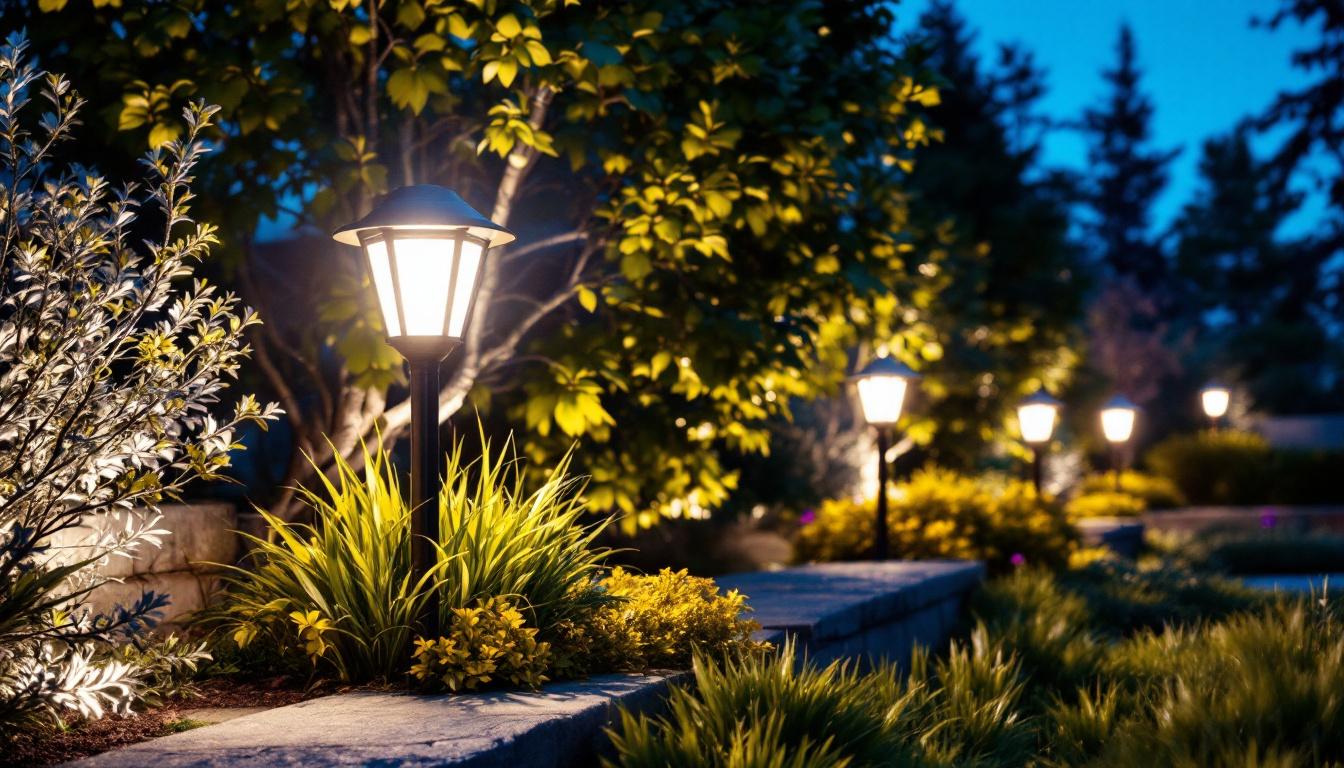
Landscape lighting is not just about illumination; it’s about creating atmosphere, enhancing safety, and showcasing the beauty of outdoor spaces. Properly designed lighting can transform a garden, pathway, or patio into a captivating environment that extends the usability of outdoor areas into the night. The right lighting can evoke different moods, from a warm and inviting glow for social gatherings to a more dramatic effect for evening events. By strategically placing lights, homeowners can highlight the textures of plants and the architectural elements of their homes, creating a visual narrative that unfolds as dusk falls.
For lighting professionals, understanding the various types of landscape lighting is crucial. This knowledge not only aids in selecting the right products but also in crafting tailored solutions that meet the specific needs of clients. From path lights to spotlights, each type serves a unique purpose and contributes to the overall design. Moreover, the choice of fixtures can also reflect the style of the home, whether it be modern, traditional, or rustic, allowing for a cohesive aesthetic that enhances the property’s charm.
Types of Landscape Lighting
There are several types of landscape lighting, each suited for different applications. Path lights are ideal for illuminating walkways, ensuring safety while adding aesthetic appeal. Spotlights, on the other hand, are perfect for highlighting architectural features or specific plants, drawing attention to focal points within the landscape. These lights can be adjusted to create various effects, such as uplighting trees to create a dramatic silhouette against the night sky or downlighting to mimic the natural glow of moonlight.
Additionally, floodlights can provide broad illumination for larger areas, while deck and step lights enhance safety on stairs and patios. The versatility of these lighting options allows for creative combinations that can dramatically alter the ambiance of an outdoor space. For instance, using a mix of ambient lighting to create a soft glow, combined with task lighting for functional areas like grilling stations, can ensure both beauty and practicality. Understanding these distinctions allows professionals to create a balanced lighting scheme that enhances both functionality and beauty, ensuring that every corner of the landscape is thoughtfully illuminated and inviting.
Key Considerations When Shopping for Landscape Lighting
When it comes to purchasing landscape lighting, several factors should be taken into account to ensure the best results. These considerations range from the type of lighting to the energy efficiency of the products.
One of the primary considerations is the light source. LED lighting has become increasingly popular due to its longevity and energy efficiency. Unlike traditional incandescent bulbs, LEDs consume less power and have a lifespan that can exceed 25,000 hours, making them a cost-effective choice for landscape lighting. Furthermore, LEDs are available in a variety of color temperatures, allowing homeowners to create the perfect ambiance for their outdoor spaces, whether they prefer a warm, inviting glow or a cooler, more modern look.
Energy Efficiency
Energy efficiency is not only beneficial for reducing costs but also for promoting sustainability. As outdoor lighting is often left on for extended periods, choosing energy-efficient options can significantly lower electricity bills and reduce the environmental impact. In addition to LED options, solar-powered landscape lights have gained popularity, harnessing the sun’s energy during the day to illuminate outdoor spaces at night. This not only eliminates electricity costs but also reduces reliance on non-renewable energy sources.
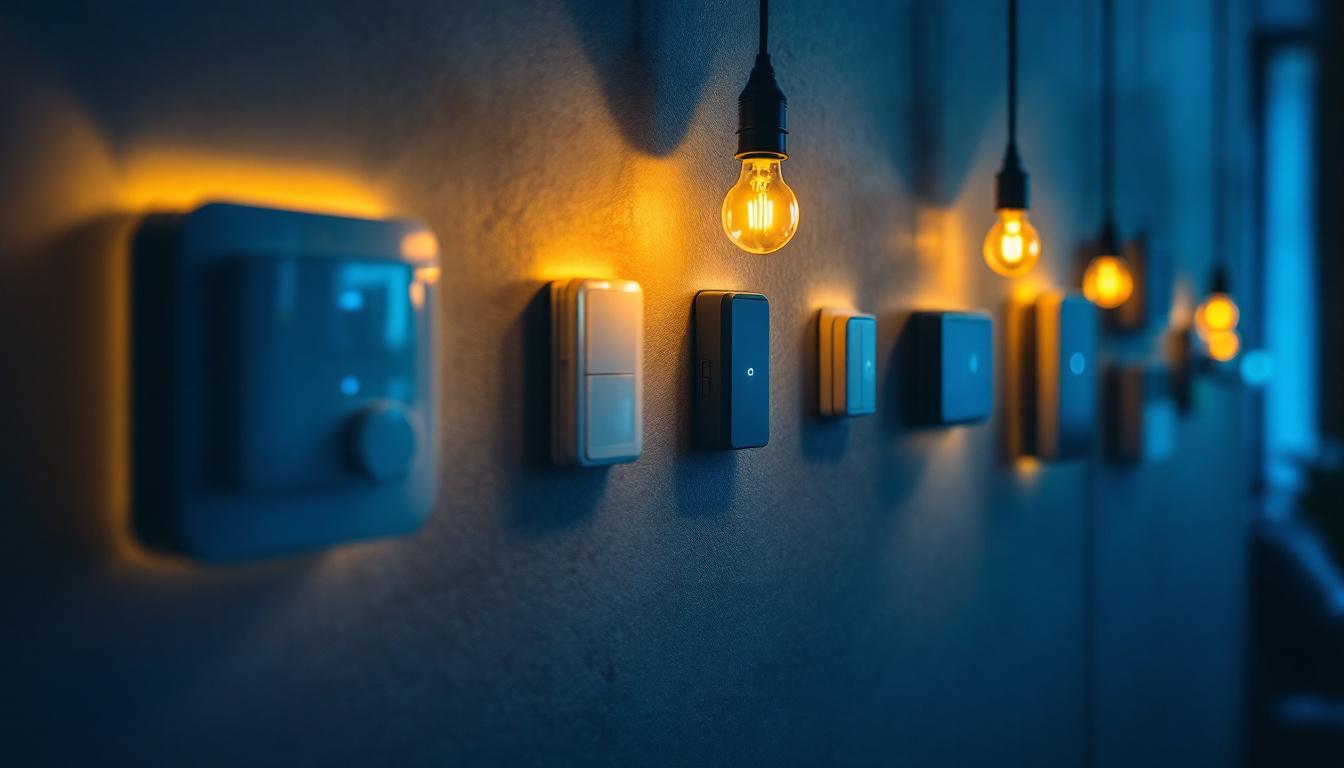
Additionally, many modern landscape lighting solutions now come with smart technology that allows for remote control, timers, and dimming options. These features enhance energy efficiency further, allowing users to customize their lighting based on specific needs and preferences. For instance, homeowners can set their lights to automatically turn on at dusk and off at dawn or adjust brightness levels for different occasions, such as a cozy family gathering or a lively outdoor party.
Durability and Weather Resistance
Given that landscape lighting is exposed to the elements, durability and weather resistance are paramount. Professionals should look for products made from high-quality materials that can withstand harsh weather conditions, including rain, snow, and extreme temperatures. Stainless steel and high-grade plastics are often recommended for their resilience, while tempered glass can provide additional protection for light fixtures.
Many manufacturers offer lighting fixtures with weatherproof ratings, indicating their ability to resist moisture and corrosion. Investing in durable products not only ensures longevity but also reduces the need for frequent replacements, ultimately saving time and money. Moreover, thoughtful installation can enhance the durability of landscape lighting; for example, placing fixtures in sheltered areas or using protective covers can further extend their lifespan. By considering both the materials and installation methods, homeowners can ensure their landscape lighting remains functional and aesthetically pleasing for years to come.
Design and Aesthetics
The design of landscape lighting fixtures plays a significant role in the overall aesthetic of the outdoor space. Lighting professionals should consider the architectural style of the home and the surrounding landscape when selecting fixtures. The right lighting can transform a mundane garden into a captivating retreat, enhancing the natural beauty of plants and hardscapes alike.
Modern designs may favor sleek, minimalist fixtures, while traditional homes might benefit from more ornate options. Additionally, the color temperature of the lights can influence the ambiance; warmer tones create a cozy atmosphere, while cooler tones can offer a more contemporary feel. The choice of materials, such as copper, aluminum, or glass, also contributes to the durability and visual appeal of the fixtures, ensuring they withstand the elements while maintaining their aesthetic integrity.
Creating a Cohesive Look
To achieve a cohesive look, it’s essential to select fixtures that complement one another. Mixing different styles can lead to a disjointed appearance, detracting from the overall design. Professionals should aim for harmony between the lighting fixtures and the landscape elements, ensuring that each component enhances rather than competes with the others. This can be achieved by considering the scale of the fixtures in relation to the surrounding plants and structures; oversized fixtures may overwhelm a small garden, while tiny lights might get lost in a vast outdoor space.
Moreover, the placement of the fixtures should be strategic, as it can significantly impact the visual flow of the landscape. For example, aligning lights along pathways or around seating areas can guide the eye and create a natural progression through the space. This thoughtful arrangement not only fosters a sense of unity but also encourages exploration and enjoyment of the outdoor environment.
Layering Light for Depth
Layering light is a technique that involves using different types of lighting to create depth and dimension in outdoor spaces. By combining ambient, task, and accent lighting, professionals can enhance the visual interest of a landscape. This method allows for versatility in how spaces are used, making them functional for both daytime and nighttime activities.
For instance, ambient lighting provides overall illumination, while task lighting focuses on specific areas such as seating or cooking spaces. Accent lighting, on the other hand, highlights key features like trees or sculptures. This layered approach not only improves functionality but also elevates the aesthetic appeal of the landscape. Additionally, incorporating dimmable options can further enhance the experience, allowing homeowners to adjust the lighting according to the mood or occasion. The interplay of light and shadow created by this technique can dramatically alter the perception of space, making it feel more inviting and dynamic.
Installation Considerations
Once the appropriate products have been selected, installation becomes the next critical step. Proper installation is essential for ensuring the safety and effectiveness of landscape lighting.
Lighting professionals should be familiar with local building codes and regulations regarding outdoor electrical installations. This knowledge helps avoid potential legal issues and ensures that the installation meets safety standards.
Planning the Layout
Before installation, a well-thought-out layout plan is necessary. Professionals should map out the placement of each fixture, considering factors such as the height of plants, the location of pathways, and the desired lighting effects.
It’s also important to consider the spacing between fixtures. Too close together can create harsh shadows, while too far apart can lead to dark spots. A balanced approach will ensure even illumination throughout the space.
Wiring and Power Supply
When installing landscape lighting, proper wiring and power supply are crucial. Professionals should use low-voltage systems to enhance safety and reduce energy consumption. Low-voltage lighting systems are easier to install and can be powered by transformers that convert standard voltage to a lower level.
Additionally, ensuring that the wiring is buried at a safe depth can prevent damage and reduce the risk of accidents. Professionals should also consider using waterproof connectors and junction boxes to protect the electrical components from moisture.
Maintenance and Upkeep
After installation, regular maintenance is essential to keep landscape lighting systems functioning optimally. This includes cleaning fixtures, checking for burnt-out bulbs, and ensuring that wiring remains intact.
Professionals should educate clients on the importance of maintenance, as well as provide them with a simple checklist to follow. Regular upkeep not only prolongs the life of the lighting system but also ensures that the outdoor space remains visually appealing.
Seasonal Maintenance Tips
Seasonal changes can impact landscape lighting, making it essential to adjust maintenance routines accordingly. For instance, during the fall, leaves may accumulate around fixtures, obstructing light output. Regularly clearing debris can help maintain optimal performance.
In winter, snow and ice can pose challenges. Ensuring that fixtures are clear of snow and not buried can prevent damage and maintain functionality. Additionally, checking for any signs of wear or damage after harsh weather conditions is crucial to ensure the longevity of the system.
Conclusion
Shopping for landscape lighting involves a careful consideration of various factors, from product selection to installation and maintenance. By following this essential checklist, lighting professionals can ensure that they provide their clients with high-quality, aesthetically pleasing, and functional outdoor lighting solutions.
Ultimately, the goal is to create beautiful outdoor spaces that can be enjoyed day and night. With the right knowledge and tools, lighting professionals can design and implement landscape lighting systems that not only meet but exceed client expectations.
Illuminate Your Projects with LumenWholesale
Ready to elevate your landscape lighting designs with the finest selection of spec-grade products? Look no further than LumenWholesale, where we provide lighting professionals like you with top-quality solutions at unbeatable wholesale prices. Say goodbye to local distributor markups and hello to our extensive, industry-standard collection that guarantees performance and reliability for every project. Plus, enjoy the convenience of bulk buying with free shipping, ensuring you get the premium lighting you need at the best value — without any hidden fees. Make the smart choice for quality, affordability, and hassle-free service. Wholesale Lighting at the Best Value is just a click away.