Lighting plays a crucial role in enhancing the aesthetic appeal and functionality of any space. Among the various lighting fixtures available, semi-flush lights stand out for their versatility and elegance. For lighting contractors, understanding the intricacies of semi-flush lighting is essential to delivering quality installations that meet client expectations. This article will explore the do’s and don’ts of working with semi-flush fixtures, providing valuable insights to ensure successful projects.
Understanding Semi-Flush Lighting
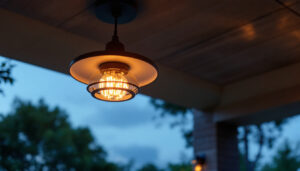
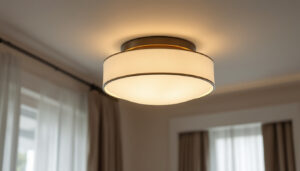
Semi-flush lighting fixtures are designed to hang slightly below the ceiling, offering a balance between flush-mounted and hanging fixtures. This design allows for effective illumination while adding a decorative element to the room. They are particularly popular in spaces with lower ceilings, where full pendant lights may not be practical. The versatility of semi-flush lighting makes it an excellent choice for various areas in the home, from cozy nooks to expansive dining rooms, ensuring that every corner is well-lit without overwhelming the space.
These fixtures come in various styles, sizes, and finishes, making them suitable for diverse interior designs. Whether in a dining room, hallway, or entryway, semi-flush lights can create a warm and inviting atmosphere. However, proper selection and installation are key to maximizing their potential. Choosing the right fixture involves considering the room’s overall decor, the height of the ceiling, and the desired ambiance. Additionally, pairing semi-flush lighting with dimmer switches can enhance the flexibility of the lighting, allowing homeowners to adjust the brightness to suit different occasions.
Types of Semi-Flush Fixtures
There are several types of semi-flush fixtures available in the market. Each type has its unique characteristics and is suited for different applications. Understanding these types can help contractors recommend the best options to their clients. For instance, some fixtures may be designed for specific environments, such as moisture-resistant models suitable for bathrooms or outdoor spaces, ensuring safety and durability in various conditions.
- Drum Fixtures: These fixtures feature a cylindrical shape and often come with fabric or metal shades. They provide a soft, diffused light, making them ideal for living spaces. The fabric shades can add a touch of warmth and texture, making them perfect for creating a cozy ambiance in family rooms or bedrooms.
- Traditional Chandeliers: Semi-flush chandeliers offer a classic look with multiple arms and bulbs. They can serve as a focal point in a room while providing ample lighting. Often adorned with crystals or intricate metalwork, these fixtures can elevate the elegance of dining areas or entryways, making them feel more inviting and sophisticated.
- Modern Designs: Sleek and contemporary semi-flush fixtures often feature geometric shapes and minimalist designs, perfect for modern interiors. These fixtures can incorporate innovative materials like glass or brushed nickel, adding a touch of sophistication and modernity to spaces that embrace a clean, uncluttered aesthetic.
The Do’s of Semi-Flush Lighting
When it comes to installing semi-flush lighting, there are several best practices that contractors should follow to ensure a successful outcome. These do’s can help enhance the overall quality of the installation and improve client satisfaction.
Do Consider the Room Size
One of the most important factors to consider when selecting a semi-flush fixture is the size of the room. A fixture that is too large can overwhelm a small space, while one that is too small may not provide adequate illumination. As a general rule, the diameter of the fixture should be about one-third the width of the room.
Additionally, consider the height of the ceiling. In rooms with lower ceilings, a smaller fixture may be more appropriate to avoid making the space feel cramped. Conversely, in rooms with higher ceilings, larger fixtures can create a more dramatic effect.
Do Match the Style with the Decor
Every space has its unique style, and the lighting should complement that aesthetic. When selecting semi-flush fixtures, contractors should consider the existing decor and color scheme. For traditional spaces, ornate fixtures with intricate details may be more suitable, while modern spaces may benefit from sleek, minimalist designs.
Moreover, the finish of the fixture should harmonize with other elements in the room. For instance, a brushed nickel finish may work well in a contemporary kitchen, while an antique bronze finish could enhance a rustic dining area.
Do Ensure Proper Installation
Proper installation is critical for the performance and safety of semi-flush lighting. Contractors should follow the manufacturer’s instructions carefully and ensure that all electrical connections are secure. It is also essential to check that the fixture is level and securely mounted to the ceiling.
Additionally, consider the type of bulb being used. Some fixtures may require specific bulb types or wattages to function correctly. Using the wrong bulb can lead to inadequate lighting or even damage to the fixture.
The Don’ts of Semi-Flush Lighting
While there are many best practices to follow, there are also common pitfalls that lighting contractors should avoid when working with semi-flush fixtures. Understanding these don’ts can help prevent mistakes that could compromise the quality of the installation.
Don’t Overlook the Importance of Lighting Layers
One common mistake is failing to consider the overall lighting design of the space. Semi-flush fixtures should be part of a layered lighting approach that includes ambient, task, and accent lighting. Relying solely on semi-flush fixtures can lead to uneven lighting and create shadows in certain areas.
Contractors should encourage clients to think about how the semi-flush fixture will work in conjunction with other lighting sources, such as wall sconces, table lamps, or recessed lighting. This holistic approach ensures that the space is well-lit and functional.
Don’t Ignore Local Building Codes
Adhering to local building codes and regulations is a critical aspect of any lighting installation. Contractors should be aware of the specific requirements governing electrical installations in their area. Ignoring these codes can result in safety hazards and legal repercussions.
Before beginning any installation, it is advisable to check for any permits that may be required. Additionally, ensure that all fixtures and wiring meet safety standards to protect both the contractor and the client.
Don’t Skimp on Quality
While it may be tempting to choose cheaper fixtures to save costs, skimping on quality can lead to problems down the line. Low-quality fixtures may not only lack durability but can also affect the overall lighting experience. Investing in high-quality semi-flush fixtures ensures longevity and better performance.
Moreover, reputable manufacturers often provide warranties and customer support, which can be invaluable for contractors. Choosing quality over quantity ultimately leads to satisfied clients and repeat business.
Choosing the Right Bulbs for Semi-Flush Fixtures
The choice of bulbs used in semi-flush fixtures can significantly impact the quality of light produced. Different types of bulbs offer varying levels of brightness, color temperature, and energy efficiency. Understanding these factors is crucial for contractors when recommending bulbs to clients.
Types of Bulbs
There are several types of bulbs available for use in semi-flush fixtures, each with its advantages and disadvantages. Common options include incandescent, LED, and CFL bulbs.
- Incandescent Bulbs: Known for their warm light and excellent color rendering, incandescent bulbs are a popular choice. However, they are less energy-efficient and have a shorter lifespan compared to other options.
- LED Bulbs: LED bulbs are highly energy-efficient and have a long lifespan. They come in various color temperatures, allowing contractors to customize the lighting to suit the client’s preferences.
- CFL Bulbs: Compact fluorescent lamps are another energy-efficient option. They take longer to warm up and may not provide the same quality of light as LEDs, but they are still a viable choice for many applications.
Color Temperature Considerations
Color temperature is an essential aspect of lighting that can influence the mood of a space. Bulbs are available in various color temperatures, typically measured in Kelvin (K). Lower Kelvin values (2700K-3000K) produce a warm, inviting light, while higher values (4000K-5000K) create a cooler, more energizing atmosphere.
Contractors should discuss color temperature options with clients to ensure that the chosen bulbs align with their desired ambiance. For example, warm light is often preferred in living rooms and bedrooms, while cooler light may be more suitable for kitchens and workspaces.
Maintenance Tips for Semi-Flush Fixtures
Once the semi-flush fixtures are installed, proper maintenance is essential to ensure their longevity and continued performance. Contractors can provide clients with valuable tips to help them care for their fixtures effectively.
Regular Cleaning
Dust and grime can accumulate on semi-flush fixtures, affecting their appearance and light output. Regular cleaning is necessary to maintain their aesthetic appeal and functionality. Clients should be advised to use a soft, damp cloth to gently wipe down the fixture, avoiding harsh chemicals that could damage the finish.
For fixtures with intricate designs or glass components, it may be beneficial to use a soft brush to remove dust from hard-to-reach areas. Regular maintenance not only keeps the fixture looking great but also ensures optimal light distribution.
Check for Loose Connections
Over time, vibrations and temperature changes can cause electrical connections to loosen. Contractors should recommend that clients periodically check the fixture to ensure that all connections are secure. Loose connections can lead to flickering lights or, in severe cases, electrical hazards.
If clients notice any issues, they should contact a professional to address the problem promptly. Ensuring that the fixture is in good working order contributes to the overall safety and satisfaction of the client.
Conclusion
In conclusion, semi-flush lighting fixtures offer a versatile and stylish option for various spaces. For lighting contractors, understanding the do’s and don’ts of working with these fixtures is essential for successful installations. By considering factors such as room size, style, and proper installation techniques, contractors can enhance the quality of their work and ensure client satisfaction.
Moreover, being knowledgeable about bulb options, maintenance, and compliance with local codes can further elevate the professionalism of a lighting contractor. With careful attention to detail and a commitment to quality, contractors can create beautiful, functional lighting solutions that meet the needs of their clients.
Illuminate Your Projects with LumenWholesale
Ready to elevate your lighting installations with the finest semi-flush fixtures on the market? Look no further than LumenWholesale, where we provide contractors with exceptional, spec-grade lighting solutions at prices that can’t be beaten. Our commitment to quality and affordability ensures that you can bring your clients’ visions to life while staying within budget. Say goodbye to local distributor markups and hello to a vast selection of premium lighting with the convenience of free shipping. Don’t compromise on quality or value—choose LumenWholesale for your next project. Wholesale Lighting at the Best Value is just a click away.