In the realm of home lighting, ceiling fans serve a dual purpose: they provide both illumination and air circulation. However, as with any electrical fixture, the need for replacement lights can arise due to wear and tear, design updates, or simply the desire for a fresh look. For lighting contractors, understanding the nuances of replacement lights for ceiling fans is essential for delivering quality service to clients. This article explores various resources and strategies that can help contractors master this aspect of their work.
Understanding Ceiling Fan Lighting Options
Ceiling fans come in a variety of designs, each with different lighting options. Familiarity with these options is crucial for contractors looking to provide tailored solutions to their clients.
Types of Light Fixtures
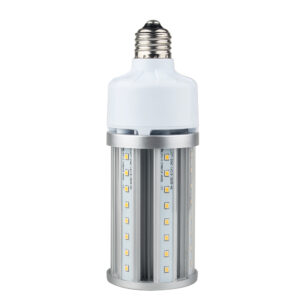
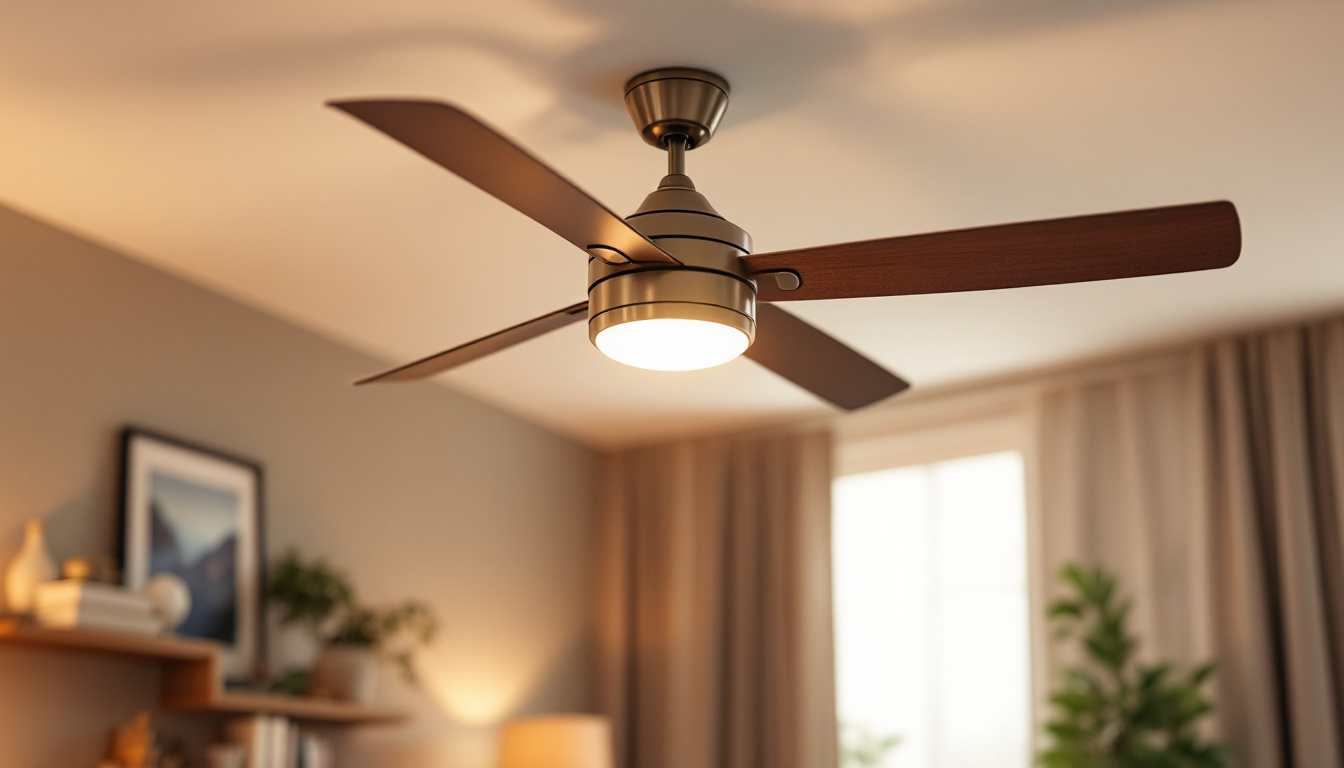
There are several types of light fixtures that can be integrated into ceiling fans, including traditional bulbs, LED lights, and integrated lighting systems. Traditional incandescent bulbs offer warm light but are less energy-efficient compared to modern alternatives. LED lights, on the other hand, are becoming increasingly popular due to their longevity and energy-saving capabilities. Integrated lighting systems, where the light source is built directly into the fan, provide a sleek look and often come with adjustable brightness settings. Additionally, some ceiling fans feature smart lighting options that can be controlled via mobile apps or voice commands, allowing users to customize their lighting experience seamlessly.
Compatibility Considerations
When replacing lights in ceiling fans, compatibility is a key factor. Not all light fixtures will fit every fan model. Contractors need to be aware of the specific requirements for each ceiling fan, including wattage limits and base types. This knowledge ensures that the replacement lights not only fit aesthetically but also function safely and effectively. Furthermore, it’s essential to consider the fan’s overall design and the room’s decor when selecting light fixtures. For instance, a modern fan with a minimalist design may benefit from sleek, flush-mounted LED lights, while a more traditional fan might look best with vintage-style bulbs that enhance its classic appeal.
Moreover, the placement of the light fixture can significantly impact the ambiance of the room. For example, downward-facing lights can create a warm, inviting glow, perfect for dining areas or living rooms, while upward-facing lights can provide a more diffused illumination, ideal for creating a cozy atmosphere in bedrooms. Contractors should also educate clients about the importance of choosing the right color temperature for their lighting, as this can affect the mood and functionality of the space. Warmer tones are often preferred for relaxation areas, while cooler tones are better suited for workspaces or kitchens, where clarity and brightness are essential.
Resources for Sourcing Replacement Lights
Finding the right replacement lights can be challenging, but several resources can assist lighting contractors in this endeavor.
Manufacturer Catalogs
Most ceiling fan manufacturers provide catalogs that list compatible replacement lights. These catalogs often include detailed specifications, including dimensions, wattage, and design options. By consulting these resources, contractors can ensure they are recommending products that meet both safety standards and aesthetic preferences. Additionally, many manufacturers now offer digital catalogs that are easily accessible online, allowing contractors to quickly search for specific items or filter by features such as energy efficiency or style. This accessibility not only saves time but also helps contractors stay updated on the latest trends and innovations in lighting technology.
Online Marketplaces
Online marketplaces have revolutionized the way contractors source lighting products. Websites dedicated to home improvement and electrical supplies offer a vast array of options, often at competitive prices. Contractors can compare products, read reviews, and check availability, making it easier to find the right replacement lights for their projects. Furthermore, many of these platforms provide user-generated content, such as installation tips and troubleshooting advice, which can be invaluable for contractors looking to enhance their knowledge and skills. Some online marketplaces also feature customer service chat options, allowing contractors to ask questions in real time and receive immediate assistance, thereby streamlining the purchasing process.
Local Electrical Supply Stores
In addition to online resources, local electrical supply stores remain a vital asset for contractors. These stores often carry a curated selection of replacement lights and can provide personalized service that online retailers may lack. Knowledgeable staff can offer insights into which products are best suited for specific applications and can help contractors navigate any unique local building codes or regulations. Additionally, local suppliers may have relationships with manufacturers that allow them to offer exclusive deals or early access to new products, making them a valuable partner in any contractor’s sourcing strategy.
Installation Best Practices
Proper installation is crucial for ensuring that replacement lights function correctly and safely. Following best practices can help contractors avoid common pitfalls.
Safety First
Before beginning any installation, safety should be the top priority. Contractors must ensure that the power is turned off at the circuit breaker to prevent electrical shock. Using insulated tools and wearing safety gear can further reduce the risk of accidents. Additionally, it’s vital to follow local electrical codes and regulations to ensure compliance and safety.
Step-by-Step Installation Guide
1. **Remove the Old Fixture**: Begin by carefully removing the existing light fixture from the ceiling fan. This typically involves unscrewing the fixture and disconnecting the wiring.
2. **Inspect Wiring**: Before installing the new light, inspect the wiring for any signs of damage or wear. If any issues are found, they should be addressed before proceeding.
3. **Connect the New Fixture**: Follow the manufacturer’s instructions to connect the new light fixture. Ensure that all connections are secure and that the correct wires are attached.
4. **Test the Installation**: Once the new fixture is installed, restore power and test the light to ensure it functions correctly. If there are any issues, double-check the connections and compatibility.
Enhancing Aesthetic Appeal
Beyond functionality, the aesthetic appeal of ceiling fan lighting can significantly impact a room’s overall design. Contractors should be equipped with knowledge about how to enhance this aspect for their clients.
Choosing the Right Style
When selecting replacement lights, consider the overall style of the room. For modern spaces, sleek, minimalist designs are often preferred, while traditional settings may benefit from ornate fixtures. Understanding the client’s vision and the existing decor is essential for making the right recommendations.
Color Temperature and Brightness
The color temperature of the light can dramatically influence the ambiance of a room. Warmer tones (around 2700K) create a cozy atmosphere, while cooler tones (5000K and above) can make a space feel more energetic and vibrant. Additionally, the brightness of the light, measured in lumens, should be appropriate for the size of the room and the intended use of the space.
Energy Efficiency and Sustainability
As energy efficiency becomes increasingly important, contractors should be aware of the benefits of recommending energy-efficient lighting options to their clients.
Benefits of LED Lighting
LED lights are a popular choice for ceiling fan replacements due to their energy efficiency and long lifespan. They consume significantly less electricity compared to traditional incandescent bulbs and can last up to 25 times longer. This not only reduces energy costs for homeowners but also minimizes the frequency of replacements, making them a more sustainable option.
Encouraging Eco-Friendly Practices
Contractors can play a vital role in promoting eco-friendly practices. By educating clients about the benefits of energy-efficient lighting, they can help homeowners make informed decisions that contribute to sustainability. Additionally, suggesting dimmer switches or smart lighting systems can further enhance energy savings and convenience.
Common Challenges and Solutions
Even experienced contractors may face challenges when replacing lights in ceiling fans. Being prepared with solutions can help streamline the process.
Dealing with Limited Space
In some cases, ceiling fans may have limited space for light fixtures, making it challenging to find suitable replacements. In such situations, contractors should consider low-profile or flush-mount lighting options that can fit within the constraints while still providing adequate illumination.
Addressing Client Concerns
Clients may have specific concerns regarding the brightness, color temperature, or style of replacement lights. Engaging in open communication to understand their preferences can help contractors make appropriate recommendations. Providing samples or visual aids can also assist in guiding clients toward their desired outcome.
Staying Updated with Industry Trends
The lighting industry is constantly evolving, with new technologies and design trends emerging regularly. Contractors should stay informed to provide the best service to their clients.
Continuing Education Opportunities
Many organizations offer continuing education courses focused on lighting design and installation. Participating in these programs can help contractors stay current with industry standards and innovations. Additionally, attending trade shows and expos can provide valuable insights into the latest products and technologies.
Networking with Peers
Building a network of fellow lighting contractors can be beneficial for sharing knowledge and experiences. Joining professional associations or online forums can facilitate discussions on best practices, challenges faced, and solutions found in the field. This collaborative approach can enhance overall expertise and service quality.
Conclusion
Mastering the art of replacing lights for ceiling fans is an essential skill for lighting contractors. By understanding the various lighting options, sourcing the right products, following best installation practices, and staying informed about industry trends, contractors can provide exceptional service to their clients. As the demand for stylish and energy-efficient lighting solutions continues to grow, being well-versed in this area will set contractors apart in a competitive market.
Ultimately, the goal is to create spaces that are not only functional but also aesthetically pleasing and energy-efficient. By leveraging the resources and strategies outlined in this article, lighting contractors can enhance their expertise and deliver outstanding results in every project.
Get Your Premium Lighting Supplies at LumenWholesale
Ready to elevate your lighting projects with the finest selection of replacement lights for ceiling fans? Look no further than LumenWholesale, where we offer an extensive range of high-quality, spec-grade lighting products at unbeatable wholesale prices. Say goodbye to local distributor markups and hello to superior lighting solutions that meet the highest industry standards. Plus, enjoy the convenience of bulk buying with free shipping, ensuring you get the best value without any hidden fees. Make your next project shine with reliability and performance by choosing Wholesale Lighting at the Best Value from LumenWholesale.