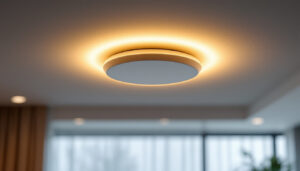
Understanding Recessed Troffer Lighting: Fundamentals for Contractors
Recessed troffer lighting has become a staple in commercial and institutional lighting design due to its clean aesthetic and efficient illumination. For lighting contractors, mastering the fundamentals of recessed troffers is essential to delivering high-quality installations that meet client expectations and regulatory standards.
Troffers are typically rectangular or square fixtures designed to fit into a modular dropped ceiling grid. Their recessed nature means they sit flush with the ceiling, providing a streamlined look while distributing light evenly across workspaces. This type of lighting is especially prevalent in offices, schools, hospitals, and retail environments where consistent, glare-free lighting is critical. The unobtrusive design not only enhances the visual appeal of a space but also contributes to a more productive environment by reducing shadows and providing adequate visibility for tasks.
Contractors must be familiar with the various types of recessed troffers available, including fluorescent, LED, and hybrid models. LED troffers, in particular, have gained popularity due to their energy efficiency, longer lifespan, and reduced maintenance costs. Understanding the electrical and mechanical requirements for each type ensures proper installation and optimal performance. Moreover, the shift towards smart lighting technology has introduced features such as dimming capabilities and integration with building management systems, which can further enhance the functionality of recessed troffers in modern installations.
Key Specifications and Standards
Lighting contractors should pay close attention to key specifications such as lumen output, color temperature, color rendering index (CRI), and efficacy. For example, selecting a troffer with a CRI of 80 or higher ensures colors appear natural and vibrant, which is crucial in environments like healthcare and retail. Additionally, the choice of color temperature, typically ranging from 3000K to 5000K, can significantly affect the ambiance of a space, with warmer tones creating a cozy atmosphere and cooler tones promoting alertness and focus.
Compliance with industry standards such as those set by the Illuminating Engineering Society (IES) and adherence to local building codes are non-negotiable. Additionally, many projects now require fixtures to meet energy codes like ASHRAE 90.1 or comply with LEED certification criteria, making it imperative for contractors to stay informed about evolving regulations. Staying updated on these standards not only ensures compliance but also positions contractors as knowledgeable professionals in the field, capable of providing clients with the most current and effective lighting solutions. Furthermore, understanding the implications of energy efficiency ratings can lead to significant cost savings for clients, ultimately enhancing the value of the contractor’s service in a competitive market.
Installation Best Practices: Efficiency and Quality Assurance
Proper installation of recessed troffer lighting is a cornerstone of successful projects. Lighting contractors must balance speed with precision to ensure fixtures are securely mounted, wired correctly, and aligned perfectly within the ceiling grid. The importance of this balance cannot be overstated, as a hasty installation can lead to misaligned fixtures, which not only detracts from the aesthetic appeal but can also create uneven lighting conditions that affect the overall functionality of the space.
Before installation, conducting a thorough site survey is critical. This includes verifying ceiling dimensions, electrical supply locations, and any potential obstructions such as HVAC ducts or sprinkler heads. Early identification of challenges can prevent costly delays and rework. Furthermore, it is beneficial to engage with other trades involved in the project, such as HVAC and plumbing, to coordinate efforts and minimize conflicts during installation. This collaborative approach helps to streamline the process and ensures that all systems work harmoniously within the space.
During installation, using the right tools and techniques is vital. For instance, employing laser levels helps maintain consistent fixture alignment, which contributes to a polished final appearance. Additionally, contractors should use wire connectors and junction boxes that meet safety standards to ensure reliable electrical connections. Investing in high-quality tools and materials not only enhances the installation process but also contributes to the longevity and reliability of the lighting system. Regular maintenance checks post-installation can further ensure that the fixtures continue to perform optimally over time.
Integration with Controls and Sensors
Modern recessed troffers often incorporate or are compatible with lighting controls such as occupancy sensors, daylight harvesting systems, and dimmers. Integrating these controls during installation not only enhances energy savings but also improves user comfort. For instance, occupancy sensors can automatically adjust lighting levels based on the presence of individuals in a room, ensuring that energy is not wasted in unoccupied spaces. This feature is particularly advantageous in commercial settings where foot traffic can vary significantly throughout the day.
Lighting contractors should be proficient in configuring these systems to work seamlessly with the troffers. This involves understanding control protocols like DALI or 0-10V dimming and ensuring compatibility with building automation systems. Proper commissioning and testing of controls are essential to verify functionality and optimize performance. Additionally, providing training for end-users on how to operate these systems can greatly enhance their experience and encourage the adoption of energy-efficient practices. As technology continues to evolve, staying updated on the latest advancements in lighting controls will empower contractors to deliver innovative solutions that meet the unique needs of each project.
Energy Efficiency and Sustainability Strategies
Energy efficiency is a top priority for many clients, driven by rising energy costs and sustainability goals. Recessed troffer lighting offers significant opportunities for contractors to contribute to greener buildings.
LED troffers, with their superior efficacy compared to traditional fluorescent fixtures, are the preferred choice for new installations and retrofits. Contractors should educate clients on the long-term cost benefits of LED technology, including reduced energy consumption and lower maintenance requirements.
Additionally, specifying troffers with advanced optics can improve light distribution and reduce wasted light, further enhancing efficiency. Utilizing fixtures with high-efficiency drivers and ensuring proper thermal management extends fixture lifespan and reliability.
Retrofitting Existing Troffers
Many projects involve upgrading existing fluorescent troffers to LED without replacing the entire fixture. Lighting contractors should be familiar with retrofit kits and conversion options that simplify this process. These solutions can reduce labor time and material costs while delivering immediate energy savings.
When retrofitting, it’s important to assess the condition of the existing ceiling grid and electrical infrastructure to ensure compatibility. Proper disposal of old lamps and ballasts, particularly those containing hazardous materials like mercury, is also a critical environmental responsibility.
Design Considerations for Optimal Lighting Performance
Beyond installation and efficiency, lighting contractors play a crucial role in achieving the desired lighting quality and ambiance. This requires collaboration with designers and architects to select troffers that meet both functional and aesthetic requirements.
Considerations include fixture size and shape, lens type, and light distribution patterns. For example, parabolic louvers can reduce glare in office settings, while prismatic lenses offer uniform illumination suitable for classrooms or healthcare facilities.
Color temperature selection is another important factor. Cooler temperatures (4000K to 5000K) are often used in task-oriented environments to enhance alertness, whereas warmer temperatures (2700K to 3500K) may create a more inviting atmosphere in retail or hospitality spaces.
Addressing Acoustic and Thermal Factors
Recessed troffers can influence the acoustic environment of a space. Some fixtures are designed with sound-absorbing materials to help reduce noise levels, which is particularly beneficial in open-plan offices or educational settings.
Thermal management is equally important. Proper fixture ventilation prevents overheating, which can degrade LEDs and electronic components. Lighting contractors should verify that troffers are installed in accordance with manufacturer guidelines to maintain optimal operating temperatures.
Common Challenges and Solutions in Troffer Lighting Projects
Despite their popularity, recessed troffer lighting installations can present challenges that contractors must anticipate and address proactively.
One common issue is ceiling grid compatibility. Older or non-standard grids may not accommodate modern troffer sizes, requiring custom adapters or grid modifications. Early coordination with ceiling installers can mitigate these complications.
Electrical supply constraints, such as insufficient circuit capacity or lack of suitable junction boxes, can also hinder installation. Conducting a detailed electrical assessment and coordinating with electricians ensures that the infrastructure supports the lighting design.
Mitigating Glare and Light Pollution
Glare is a frequent complaint in spaces illuminated by recessed troffers. Contractors can recommend fixtures with anti-glare features or use louvers and baffles to control light direction. Proper fixture placement and aiming are equally important to minimize discomfort and enhance visual comfort.
Light pollution, especially in buildings near residential areas, is another consideration. Selecting troffers with well-designed optics and shielding helps contain light within the intended area, supporting community-friendly lighting practices.
Future Trends and Innovations in Recessed Troffer Lighting
The lighting industry continues to evolve rapidly, and recessed troffer lighting is no exception. Contractors who stay abreast of emerging technologies and trends can offer clients cutting-edge solutions that improve building performance and occupant satisfaction.
Smart lighting systems integrated with IoT (Internet of Things) technology enable real-time monitoring and adaptive control of troffers. This allows for predictive maintenance, energy optimization, and personalized lighting experiences.
Advancements in tunable white and full-spectrum LED troffers provide dynamic control over color temperature and intensity, supporting circadian rhythms and enhancing wellbeing in workplaces and healthcare environments.
Embracing Modular and Sustainable Designs
Modular troffer designs that facilitate easy upgrades and component replacement are gaining traction. This approach extends fixture lifespan and reduces waste, aligning with circular economy principles.
Additionally, the use of recycled and recyclable materials in fixture construction is becoming more prevalent. Lighting contractors should seek out products that demonstrate environmental stewardship to meet client sustainability goals and regulatory requirements.
Conclusion: Elevating Projects with Expert Troffer Lighting Strategies
For lighting contractors, recessed troffer lighting represents a versatile and impactful solution that demands technical expertise and strategic planning. By understanding the fundamentals, adhering to best installation practices, prioritizing energy efficiency, and embracing design considerations, contractors can deliver exceptional results that satisfy clients and end users alike.
Addressing common challenges proactively and keeping pace with industry innovations further positions contractors as trusted partners in the evolving landscape of commercial lighting. Ultimately, mastering recessed troffer lighting strategies not only enhances project success but also contributes to creating brighter, more sustainable built environments.
Get Your Premium Troffer Lighting at LumenWholesale
Ready to elevate your lighting projects with top-tier recessed troffer lighting? Look no further than LumenWholesale for a vast selection of spec-grade lighting products at unbeatable wholesale prices. With our direct approach, you’ll enjoy superior lighting solutions without the inflated markups often found with local distributors. Our commitment to quality and affordability, coupled with free shipping on bulk orders, ensures that you get the best value for your investment. Don’t compromise on performance or cost—choose LumenWholesale for the perfect blend of quality, affordability, and convenience. Wholesale Lighting at the Best Value is just a click away.