In the world of lighting design and installation, recessed emergency lights play a crucial role in ensuring safety and compliance. However, the implementation of these lighting fixtures can be fraught with challenges. For lighting contractors, understanding the intricacies of recessed emergency lighting is essential to avoid costly mistakes that can impact both project timelines and budgets. This article delves into key considerations, common pitfalls, and best practices for successfully integrating recessed emergency lights into various projects.
Understanding Recessed Emergency Lighting
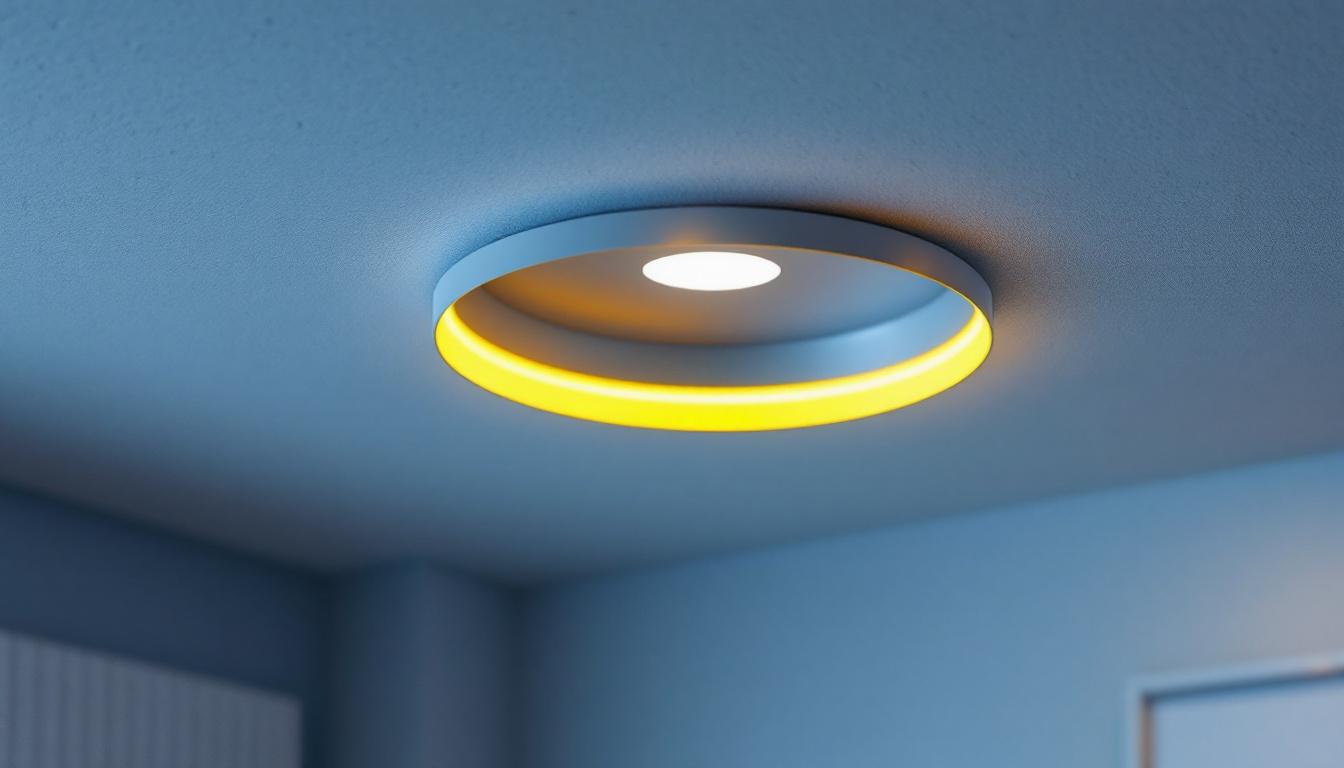
Recessed emergency lights are specialized fixtures designed to provide illumination during power outages or emergencies. Unlike standard lighting, these fixtures are installed within ceilings or walls, offering a discreet appearance while maintaining functionality. They are typically equipped with battery backup systems, ensuring they operate when needed most. This design not only helps to maintain the aesthetic appeal of a space but also minimizes the risk of damage to the fixtures, as they are less likely to be accidentally knocked or obstructed.
These lights serve multiple purposes, including enhancing safety, meeting building codes, and providing peace of mind to occupants. In commercial buildings, the presence of recessed emergency lighting can be a crucial factor in evacuation plans, guiding occupants to safety during critical situations. However, the installation and maintenance of recessed emergency lights require careful planning and execution to avoid potential issues. Regular testing and maintenance schedules are essential to ensure that all components, including batteries and bulbs, are functioning correctly, as any failure could compromise safety during an emergency.
Types of Recessed Emergency Lights
There are various types of recessed emergency lights available, each suited for different applications. Understanding these types can help contractors select the right fixtures for their projects. Common options include:
- Standard Recessed Emergency Lights: These fixtures typically combine a standard recessed light with an emergency battery backup. They are ideal for general use in hallways, stairwells, and other common areas. Their unobtrusive design allows them to blend seamlessly into the architecture of a building, providing essential lighting without detracting from the overall decor.
- Combination Units: These units integrate emergency lighting with exit signs, providing dual functionality. They are particularly useful in commercial settings where space is limited. By combining these features, they simplify installation and reduce the number of fixtures needed, which can lead to cost savings in both materials and labor.
- LED Emergency Lights: Energy-efficient and long-lasting, LED emergency lights are increasingly popular. They offer bright illumination while consuming less power, making them a cost-effective choice for many projects. Additionally, LEDs have a longer lifespan compared to traditional bulbs, which means less frequent replacements and lower maintenance costs over time.
Key Features to Consider
When selecting recessed emergency lights, several features should be considered to ensure optimal performance:
- Battery Life: The duration for which the light can operate during an outage is critical. Look for units with long-lasting batteries that require minimal maintenance. Some advanced models even come with self-testing features that automatically check battery health and functionality, providing an added layer of reliability.
- Brightness and Coverage: Assess the lumen output and beam angle to ensure adequate coverage for the intended space. Proper illumination is vital for safety during emergencies. A well-lit path can significantly reduce panic and confusion, allowing for a smoother evacuation process.
- Installation Flexibility: Some models offer adjustable mounting options, making them suitable for various ceiling types and heights. This adaptability can be particularly beneficial in buildings with unique architectural features or in spaces that may undergo renovations in the future.
Common Mistakes in Recessed Emergency Lighting Projects
Despite the importance of recessed emergency lights, contractors often encounter pitfalls that can lead to project delays and increased costs. Identifying these common mistakes can help mitigate risks and ensure successful installations.
Inadequate Planning and Design
One of the most significant mistakes contractors make is failing to adequately plan the lighting layout. A thorough assessment of the space is essential to determine the appropriate number and placement of recessed emergency lights. Without proper planning, areas may be left inadequately illuminated, compromising safety.
Additionally, not considering the specific needs of the building occupants can lead to oversights. For instance, high-traffic areas may require more robust lighting solutions compared to less frequented spaces. Engaging with stakeholders during the design phase can provide valuable insights into specific requirements. Furthermore, incorporating advanced lighting technologies, such as LED fixtures with adjustable brightness, can enhance energy efficiency while ensuring adequate illumination in all areas. By leveraging modern design tools and simulations, contractors can visualize the lighting impact before installation, allowing for adjustments that meet both aesthetic and functional needs.
Ignoring Local Codes and Regulations
Compliance with local building codes and regulations is non-negotiable in any lighting project. Many contractors overlook the specific requirements related to emergency lighting, which can result in costly rework or fines. Each jurisdiction may have different standards regarding the placement, brightness, and maintenance of emergency lights.
Staying informed about these regulations is crucial. Regularly consulting with local authorities or industry associations can help ensure compliance and avoid potential pitfalls. Additionally, contractors should be proactive in reviewing updates to codes, as these can change based on new safety research or technological advancements. Attending workshops or training sessions focused on emergency lighting standards can not only enhance a contractor’s knowledge but also foster relationships with local inspectors, which can be beneficial during the permitting process.
Neglecting Maintenance and Testing
Even after successful installation, the work is not done. Many contractors fail to emphasize the importance of regular maintenance and testing of recessed emergency lights. These fixtures require periodic checks to ensure they function correctly during emergencies.
Establishing a maintenance schedule that includes battery replacements, functionality tests, and cleaning can prevent issues down the line. Educating clients about their responsibilities in maintaining emergency lighting systems is equally important to ensure ongoing compliance and safety. Moreover, contractors can offer clients a comprehensive maintenance package that includes routine inspections and updates to the lighting system as technology evolves. This not only enhances the reliability of the emergency lighting but also builds a long-term relationship with clients, positioning the contractor as a trusted partner in safety management. Additionally, documenting maintenance activities can provide valuable records that may be required for compliance audits or insurance claims, further underscoring the importance of diligent upkeep.
Best Practices for Successful Installations
To avoid costly mistakes and ensure the successful integration of recessed emergency lights, contractors should adhere to best practices throughout the project lifecycle.
Conduct Thorough Site Assessments
A comprehensive site assessment is the foundation of any successful lighting project. Contractors should evaluate the layout, occupancy patterns, and potential hazards of the space. This assessment will inform the placement and number of recessed emergency lights required.
Utilizing advanced lighting design software can aid in visualizing the lighting layout and ensuring optimal coverage. Simulations can help identify potential issues before installation begins, saving time and resources. Additionally, taking into account the architectural features and existing electrical infrastructure can lead to a more efficient installation process. For instance, understanding how natural light interacts with the space can help in determining the best locations for emergency lights, ensuring they are both effective and unobtrusive.
Engage with Stakeholders
Collaboration with stakeholders, including building owners, architects, and safety personnel, is essential. Engaging with these parties early in the project can provide valuable insights into specific needs and preferences.
Regular communication throughout the project can help address any concerns or changes in requirements, ensuring that the final installation meets everyone’s expectations. Furthermore, involving stakeholders in the decision-making process can foster a sense of ownership and commitment to the project. This collaborative approach not only enhances the quality of the installation but also ensures that the emergency lighting system aligns with the overall safety and aesthetic goals of the building.
Prioritize Quality Over Cost
While budget constraints are a reality in many projects, prioritizing quality over cost is crucial when selecting recessed emergency lights. Investing in high-quality fixtures may result in higher upfront costs, but the long-term benefits, including reduced maintenance and improved reliability, often outweigh the initial savings.
Contractors should also consider the reputation of manufacturers and suppliers. Partnering with reputable companies can provide assurance of product quality and support in case of issues. Additionally, high-quality emergency lights often come with better warranties and customer service, which can be invaluable in the event of product failure. By choosing durable materials and advanced technology, contractors can ensure that the lighting system remains functional and effective, even in challenging conditions, thereby enhancing the safety of the building occupants.
Training and Education for Contractors
As the lighting industry continues to evolve, ongoing education and training for contractors are essential. Staying informed about the latest technologies, codes, and best practices can significantly impact project outcomes.
Participate in Workshops and Seminars
Attending workshops and seminars focused on emergency lighting can enhance contractors’ knowledge and skills. These events often cover new products, installation techniques, and regulatory updates, providing valuable insights that can be applied to future projects.
Networking with other professionals in the industry can also lead to valuable partnerships and collaborations, further enhancing a contractor’s capabilities.
Utilize Online Resources
The internet is a treasure trove of information for lighting contractors. Numerous online resources, including webinars, articles, and forums, can provide insights into best practices and emerging trends in recessed emergency lighting.
Engaging with online communities can foster discussions and share experiences, allowing contractors to learn from one another and improve their practices.
Conclusion
Recessed emergency lighting is a critical component of any safety plan, but the path to successful installation is fraught with challenges. By understanding the types of fixtures available, recognizing common mistakes, and adhering to best practices, lighting contractors can avoid costly errors and ensure the safety of building occupants.
Continued education and engagement with stakeholders will further enhance a contractor’s ability to deliver high-quality lighting solutions. Ultimately, a well-executed recessed emergency lighting project not only meets regulatory requirements but also provides peace of mind to all who occupy the space.
Get Your Recessed Emergency Lighting from LumenWholesale
Ready to elevate your lighting projects with the highest quality recessed emergency lights? Look no further than LumenWholesale, where we provide contractors with spec-grade lighting products at unbeatable wholesale prices. Our selection is designed to meet the highest industry standards, ensuring you get reliable and high-performance lighting every time. Take advantage of our hassle-free bulk buying and free shipping to secure premium lighting at the best value — all without hidden fees or compromises. Visit LumenWholesale today and experience the perfect blend of quality, affordability, and convenience for your next project.