Understanding Powered Outdoor Lighting Systems
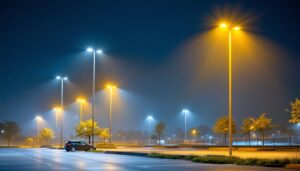
Powered outdoor lighting systems have revolutionized the way lighting contractors approach exterior illumination projects. Unlike traditional solar or battery-operated fixtures, powered outdoor lighting relies on a direct electrical connection to a power source, offering consistent performance and greater flexibility in design.
For lighting contractors, mastering powered outdoor systems means understanding the core components, installation requirements, and the advantages these systems bring to residential, commercial, and public spaces. This knowledge is essential for delivering reliable, efficient, and aesthetically pleasing lighting solutions that meet client expectations and regulatory standards. Additionally, as energy efficiency becomes increasingly important, powered systems can be designed to integrate with renewable energy sources, providing an eco-friendly alternative without sacrificing performance.
Key Components of Powered Outdoor Lighting
At the heart of every powered outdoor lighting system are several critical components:
- Fixtures: These include path lights, floodlights, wall-mounted fixtures, and landscape spotlights. They vary in wattage, beam angle, and finish to suit different applications.
- Transformers: Transformers step down the standard line voltage (typically 120V) to a safer low voltage (commonly 12V or 24V) suitable for outdoor lighting. Selecting the correct transformer capacity is vital to ensure system longevity and safety.
- Cabling and Wiring: Durable, weather-resistant cables and connectors are used to connect fixtures to the transformer. Proper gauge and insulation are crucial to prevent voltage drop and withstand environmental conditions.
- Controls and Sensors: Timers, photocells, and motion sensors enhance energy efficiency and automation, allowing lights to operate only when needed.
Understanding these components is essential for contractors, as the interplay between them can significantly impact the overall effectiveness of the lighting system. For instance, the choice of fixtures can influence not just aesthetics but also functionality, such as how well a space is illuminated for safety or ambiance. Furthermore, the integration of advanced controls and sensors can lead to substantial energy savings, making powered systems not only more efficient but also more appealing to environmentally conscious clients.
Advantages Over Alternative Outdoor Lighting Options
Powered outdoor lighting offers several benefits that make it a preferred choice for many projects:
- Consistent Illumination: Unlike solar-powered lights, powered fixtures provide steady brightness regardless of weather or daylight conditions.
- Greater Design Flexibility: Higher wattage options and a variety of fixture styles allow for customized lighting schemes tailored to specific environments and client desires.
- Longevity and Reliability: Properly installed powered systems tend to have longer lifespans and require less maintenance compared to battery-operated alternatives.
- Integration with Smart Controls: Powered systems can easily incorporate smart home technology, enabling remote control and energy management.
Moreover, the ability to customize lighting schemes not only enhances the aesthetic appeal of a property but also allows for the highlighting of architectural features and landscaping. This versatility is particularly beneficial in commercial settings, where effective lighting can influence customer behavior and enhance the overall experience. Additionally, the integration with smart controls can facilitate dynamic lighting scenarios, such as adjusting brightness levels based on the time of day or occupancy, further optimizing energy use and improving safety in outdoor spaces.
Installation Best Practices for Lighting Contractors
Successful installation of powered outdoor lighting requires meticulous planning, adherence to electrical codes, and attention to site-specific factors. Lighting contractors must combine technical expertise with practical experience to ensure safety, performance, and client satisfaction.
Site Assessment and Planning
Before installation, conducting a thorough site assessment is critical. This includes evaluating the landscape, existing electrical infrastructure, and potential obstructions. Understanding the client’s lighting goals—whether security, ambiance, or highlighting architectural features—guides fixture placement and system design.
Mapping out cable routes to minimize trenching and avoid underground utilities reduces installation time and potential hazards. Additionally, considering future landscape changes or expansions can save costs down the line. For instance, if a client plans to install a garden or patio in the future, anticipating these changes during the initial assessment can lead to a more flexible and adaptable lighting design. Moreover, assessing the natural light patterns throughout the day can help in determining the best placement for fixtures to maximize their effectiveness during nighttime hours.
Electrical Code Compliance and Safety
Compliance with local electrical codes and regulations is non-negotiable. Lighting contractors should be familiar with the National Electrical Code (NEC) guidelines pertaining to outdoor lighting installations, including:
- Proper grounding and bonding of fixtures and transformers
- Use of weatherproof enclosures and fittings
- Correct wire gauge to prevent voltage drop and overheating
- Installation of ground-fault circuit interrupters (GFCIs) where required
Ensuring all connections are secure and protected from moisture intrusion prevents premature failures and safety hazards. Additionally, contractors should stay updated on any changes to local codes or regulations, as they can evolve to address new technologies or safety concerns. Regular training and workshops can help contractors maintain a high level of compliance and safety awareness, ultimately benefiting both their business and their clients.
Installation Techniques and Tools
Efficient installation relies on using the right tools and techniques. Lighting contractors often employ trenching machines or hand tools to lay cable underground, ensuring a minimum burial depth to protect wiring. Utilizing cable staples and conduit where necessary prevents cable movement and damage.
When mounting fixtures, attention to alignment and height is essential to achieve the desired lighting effect. Sealing all fixture bases and junction boxes against water ingress prolongs system life. Furthermore, utilizing adjustable mounts can provide flexibility in directing light where it is most needed, allowing for adjustments even after installation. It’s also beneficial to incorporate energy-efficient LED fixtures, which not only reduce energy consumption but also require less frequent replacement, thereby minimizing overall maintenance costs for clients. Keeping an inventory of spare parts and tools can streamline repairs and adjustments, ensuring that contractors can respond promptly to any issues that arise post-installation.
Energy Efficiency and Sustainability Considerations
Energy efficiency is a growing priority for clients and regulatory bodies alike. Lighting contractors who incorporate sustainable practices into powered outdoor lighting projects can offer enhanced value and reduce environmental impact.
LED Technology and Its Impact
Light Emitting Diode (LED) fixtures have become the industry standard for powered outdoor lighting. LEDs consume significantly less energy than traditional halogen or incandescent bulbs while providing superior brightness and color rendering.
Additionally, LEDs have longer lifespans, reducing maintenance frequency and waste. Selecting fixtures with high-quality LED chips and drivers ensures consistent performance and minimizes flicker or color shifts over time.
Smart Controls for Energy Management
Integrating smart controls such as programmable timers, dimmers, and occupancy sensors optimizes energy use by tailoring lighting operation to actual needs. For example, dimming pathway lights during low-traffic hours or activating floodlights only when motion is detected can substantially cut energy consumption.
Lighting contractors should stay informed about the latest control technologies and compatibility with existing systems to provide clients with scalable, future-proof solutions.
Renewable Energy Integration
While powered outdoor lighting primarily relies on grid electricity, there is growing interest in hybrid systems that incorporate renewable energy sources. For instance, connecting powered fixtures to solar panels or wind turbines can offset energy use and appeal to environmentally conscious clients.
Lighting contractors can advise on the feasibility and design of such systems, considering factors like site location, energy demand, and budget constraints.
Maintenance and Troubleshooting for Longevity
Proper maintenance is essential to maximize the lifespan and performance of powered outdoor lighting systems. Lighting contractors often provide maintenance services or guidance to clients to prevent common issues and ensure ongoing satisfaction.
Routine Inspection and Cleaning
Regular inspections help identify problems such as loose connections, damaged cables, or fixture corrosion early. Cleaning lenses and fixture surfaces removes dirt and debris that can diminish light output and cause overheating.
Scheduling maintenance visits seasonally or annually, depending on environmental conditions, helps maintain optimal system function.
Common Troubleshooting Scenarios
Lighting contractors frequently encounter issues such as flickering lights, uneven illumination, or complete fixture failure. Diagnosing these problems involves checking:
- Transformer output voltage and capacity
- Wire integrity and connections
- Fixture condition, including LED driver functionality
- Control device settings and sensors
Using diagnostic tools like multimeters and voltage testers streamlines troubleshooting and minimizes downtime.
Upgrades and System Expansion
As client needs evolve, lighting contractors may be called upon to upgrade or expand existing powered outdoor lighting systems. This could involve adding new fixtures, integrating advanced controls, or replacing outdated components with energy-efficient alternatives.
Planning upgrades with scalability in mind ensures seamless integration and protects the client’s investment.
Business Growth Strategies for Lighting Contractors Specializing in Powered Outdoor Systems
Beyond technical expertise, lighting contractors aiming to excel in powered outdoor lighting must also focus on business development and client relationships.
Building Client Trust Through Expertise
Demonstrating deep knowledge of powered outdoor lighting solutions and industry trends establishes credibility. Offering detailed project proposals, clear timelines, and transparent pricing fosters client confidence.
Providing educational resources or consultations can differentiate a contractor from competitors and encourage repeat business.
Leveraging Technology and Marketing
Utilizing design software to create realistic lighting simulations helps clients visualize the final outcome, enhancing decision-making and satisfaction. Additionally, maintaining an online presence with case studies, testimonials, and informative content attracts new customers.
Social media platforms and local networking events are effective channels for showcasing completed projects and building a referral network.
Continuing Education and Certification
Staying current with evolving technologies, codes, and best practices through ongoing training and certification programs boosts a contractor’s skill set and marketability. Certifications from recognized industry organizations signal professionalism and commitment to quality.
Encouraging team members to pursue specialized credentials also strengthens the overall service offering.
Conclusion
Powered outdoor lighting systems represent a dynamic and rewarding niche for lighting contractors. By mastering the technical aspects, prioritizing energy efficiency, maintaining rigorous installation and maintenance standards, and cultivating strong client relationships, contractors can deliver exceptional value and grow their businesses.
As outdoor lighting continues to evolve with advances in LED technology and smart controls, lighting contractors who embrace innovation and best practices will be well-positioned to lead in this competitive market.
Illuminate Your Projects with LumenWholesale
Ready to elevate your lighting projects with the highest quality fixtures at unbeatable prices? Look no further than LumenWholesale, where we specialize in providing spec-grade lighting products that meet the rigorous demands of any outdoor space. With our direct-to-contractor approach, you’ll enjoy superior lighting solutions without the inflated markups. Plus, our commitment to hassle-free bulk buying with free shipping means you can stock up on premium lighting effortlessly. Don’t compromise on quality, affordability, or convenience. Wholesale Lighting at the Best Value is just a click away. Make the smart choice for your business and your clients with LumenWholesale.