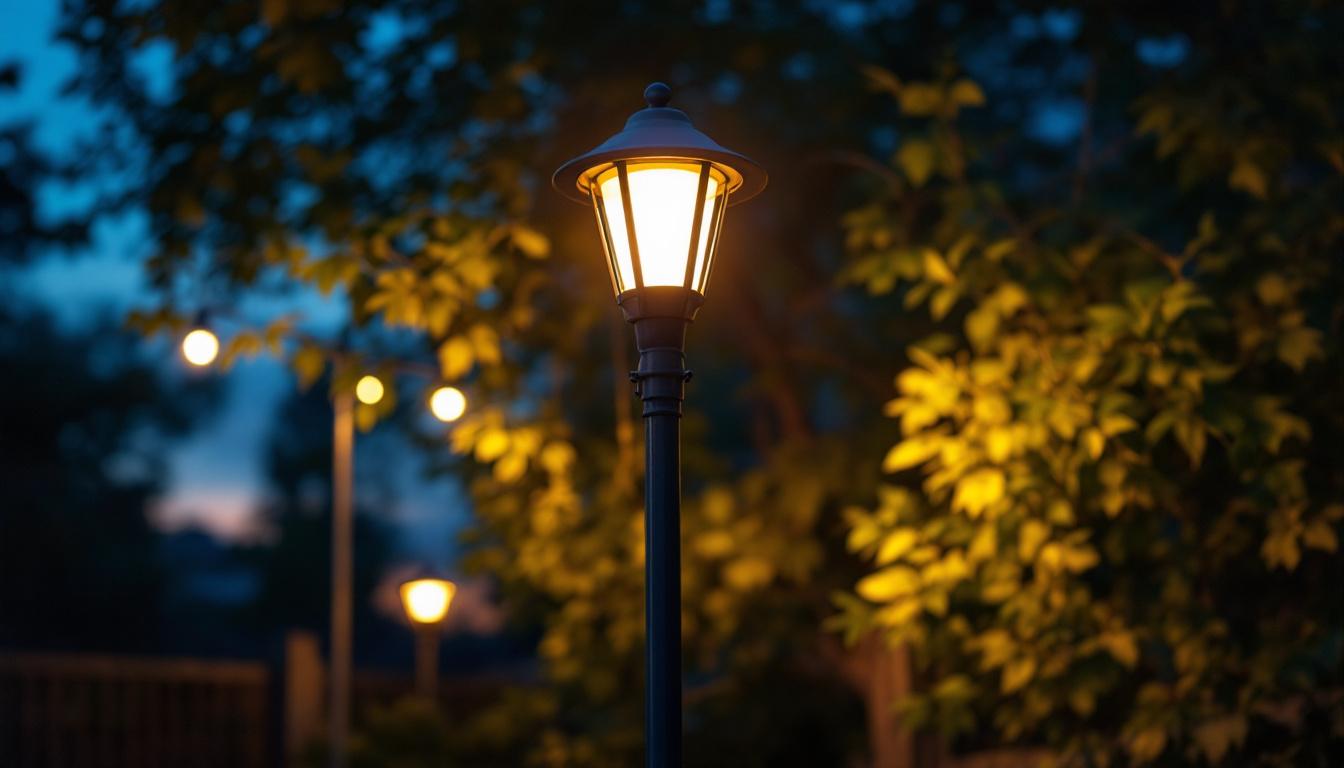
Understanding Pole Yard Lights: What Makes Them Crucial for Outdoor Projects
Pole yard lights are a cornerstone in outdoor lighting design, especially for commercial and industrial spaces. These fixtures aren’t just about illumination; they provide safety, security, and aesthetic appeal. For lighting contractors, understanding the nuances of pole yard lights can elevate the quality of installations and client satisfaction.
Unlike standard outdoor lights, pole yard lights are mounted on tall poles, often ranging from 10 to 40 feet. This height allows for broad illumination, covering large areas such as parking lots, pathways, building perimeters, and open yards. The elevated position reduces shadows and dark spots, which are common safety hazards in outdoor environments. Additionally, the strategic placement of these lights can deter criminal activity, making them an essential component of any security plan for commercial properties.
Choosing the right pole yard light involves more than picking a fixture with a high lumen output. Contractors must consider factors such as pole height, fixture type, mounting options, and the environment where the light will be installed. Each variable plays a role in the effectiveness and longevity of the lighting solution. For instance, LED fixtures are becoming increasingly popular due to their energy efficiency and long lifespan, which can significantly reduce maintenance costs over time. Furthermore, the choice of color temperature can influence the ambiance of the space; warmer tones may create a welcoming atmosphere, while cooler tones can enhance visibility and alertness in high-traffic areas.
Moreover, the installation of pole yard lights can also be influenced by local regulations and zoning laws, which may dictate specific requirements for light pollution control and fixture placement. Understanding these regulations is crucial for contractors to ensure compliance and avoid potential fines. Additionally, integrating smart lighting technology can provide further benefits, such as adaptive brightness based on surrounding light levels or motion sensors that activate lights only when needed. This not only enhances energy efficiency but also adds a modern touch to outdoor lighting solutions, appealing to environmentally conscious clients.
Key Components and Types of Pole Yard Lights
Fixture Types: LED vs. Traditional Lighting
LED technology has revolutionized pole yard lighting. Compared to traditional metal halide or high-pressure sodium lamps, LEDs offer superior energy efficiency, longer lifespan, and better light quality. For contractors, specifying LED fixtures means fewer maintenance calls and happier clients due to reduced energy bills.
Traditional lighting still has a place, especially in retrofit projects or where initial budget constraints exist. However, the trend is unmistakably toward LED, driven by stricter energy codes and client demand for sustainability. Furthermore, the color rendering index (CRI) of LED lights is often higher than that of traditional options, providing a more natural and vibrant illumination that enhances visibility and safety in outdoor environments. As a result, LED lights not only improve aesthetics but also contribute to a more secure atmosphere, making them the preferred choice for public spaces, parking lots, and commercial properties.
Poles and Mounting Options
The pole itself is a critical component. Materials commonly used include galvanized steel, aluminum, and fiberglass. Each has advantages: steel offers strength and durability, aluminum resists corrosion, and fiberglass is lightweight and non-conductive. The choice of material can significantly impact the longevity and performance of the lighting installation, especially in harsh weather conditions. For instance, areas prone to high winds or heavy snowfall may benefit from the robustness of steel poles, while coastal regions might lean towards aluminum to combat saltwater corrosion.
Mounting options vary as well. Some installations use slipfitter mounts that allow for adjustable aiming angles, while others may require fixed brackets or tenon mounts. The choice depends on the specific lighting design and site requirements. Additionally, the height of the pole can influence the spread and intensity of light, with taller poles typically providing wider coverage. Contractors must consider factors such as the layout of the area, the desired illumination levels, and potential obstructions when selecting pole heights and mounting configurations to ensure optimal light distribution.
Photocells and Controls
Incorporating photocells or light sensors ensures pole yard lights operate efficiently. These devices automatically turn lights on at dusk and off at dawn, reducing unnecessary energy consumption. Advanced control systems now allow for dimming, scheduling, and integration with smart building management systems, providing contractors with more tools to optimize performance. This level of control not only enhances energy savings but also allows for tailored lighting solutions that can adapt to varying conditions, such as seasonal changes in daylight hours or specific event requirements.
Moreover, the integration of smart technology into pole yard lighting systems is becoming increasingly popular. Features such as remote monitoring and diagnostics enable facility managers to track energy usage and identify maintenance needs in real time. This proactive approach can lead to significant cost savings over time, as it minimizes downtime and ensures that lighting systems are always functioning at peak efficiency. As cities and businesses continue to embrace smart infrastructure, the role of advanced controls in pole yard lighting will undoubtedly expand, paving the way for more sustainable and responsive outdoor lighting solutions.
Installation Best Practices for Lighting Contractors
Site Assessment and Planning
Before installation, a thorough site assessment is essential. Contractors should evaluate the area’s size, terrain, existing lighting, and potential obstructions. This helps determine optimal pole placement and fixture selection to achieve uniform illumination without glare or light pollution.
Consulting local codes and ordinances is also critical. Many municipalities have specific requirements for outdoor lighting, including maximum pole heights, light trespass limits, and energy efficiency standards. Adhering to these rules prevents costly rework and ensures compliance.
Foundation and Pole Installation
Proper foundation design is key to pole stability. The foundation must support the pole’s weight and withstand environmental stresses like wind and seismic activity. Concrete footings are standard, with depth and diameter specified based on pole height and soil conditions.
During installation, precise alignment is crucial. Poles should be plumb and securely anchored. Contractors often use laser levels and torque wrenches to ensure accuracy and safety. Electrical wiring must be routed through the pole or underground conduit, with waterproof connectors to prevent moisture ingress.
Fixture Mounting and Wiring
Mounting the fixture requires careful handling to avoid damage. Contractors should verify that all connections are tight and weatherproof. Proper grounding is mandatory to protect against electrical faults and lightning strikes.
Testing after installation is a must. This includes verifying light output, aiming angles, and control system functionality. Documenting these tests provides a record for clients and helps troubleshoot future issues.
Maintenance and Troubleshooting Tips
Routine Inspections
Regular maintenance extends the life of pole yard lights and ensures consistent performance. Inspections should check for physical damage, corrosion, loose connections, and fixture cleanliness. Dirt and debris can significantly reduce light output, so cleaning lenses and fixtures is part of routine upkeep.
Contractors can offer maintenance contracts to clients, providing scheduled visits to perform these checks and minor repairs. This service builds long-term relationships and generates recurring revenue.
Common Issues and Solutions
One frequent problem is flickering or dimming lights, often caused by loose wiring or failing drivers in LED fixtures. Tightening connections or replacing drivers usually resolves these issues.
Another challenge is pole corrosion, especially in coastal or industrial environments. Using corrosion-resistant materials from the start helps, but when damage occurs, contractors may need to replace affected sections or apply protective coatings.
Control system malfunctions can also arise, such as photocells failing to activate lights at the correct times. Troubleshooting involves checking sensor alignment, cleaning photocell covers, and testing electrical continuity.
Energy Efficiency and Sustainability Considerations
Choosing Energy-Efficient Fixtures
Energy efficiency is more than a buzzword; it’s a critical factor for clients looking to reduce operational costs and environmental impact. LEDs consume up to 75% less energy than traditional lighting, and their long lifespan means fewer replacements and less waste.
Contractors should specify fixtures with high efficacy (lumens per watt) and appropriate color temperature. Neutral white light (around 4000K) is often preferred for outdoor spaces because it balances visibility and comfort without harsh glare.
Smart Controls and Automation
Integrating smart controls can further enhance energy savings. Motion sensors, dimming schedules, and remote monitoring allow lights to operate only when needed. This reduces electricity usage and extends fixture life.
Some systems offer data analytics, helping facility managers understand usage patterns and identify opportunities for improvement. Lighting contractors who can design and install these advanced systems provide added value to their clients.
Safety and Compliance: What Contractors Must Know
Electrical Safety Standards
Working with pole yard lights involves high voltages and elevated work sites. Contractors must follow OSHA regulations and National Electrical Code (NEC) requirements to ensure safety during installation and maintenance.
Proper personal protective equipment (PPE), lockout/tagout procedures, and fall protection are non-negotiable. Training and certification in electrical safety and working at heights are essential for all crew members.
Environmental and Lighting Codes
Many jurisdictions enforce dark-sky ordinances to minimize light pollution. These rules dictate fixture shielding, light trespass limits, and color temperature restrictions. Non-compliance can lead to fines or mandated fixture replacement.
Contractors should stay informed about local codes and industry standards, such as those from the Illuminating Engineering Society (IES). Designing compliant lighting systems protects clients and enhances the contractor’s reputation.
Conclusion: Mastering Pole Yard Light Installations
For lighting contractors, expertise in pole yard lights is a valuable skill set. It demands a blend of technical knowledge, practical installation skills, and awareness of evolving technologies and regulations. By focusing on quality components, thorough planning, precise installation, and proactive maintenance, contractors can deliver lighting solutions that meet client needs and stand the test of time.
Staying current with energy-efficient technologies and smart control systems positions contractors as trusted advisors in the outdoor lighting market. Ultimately, well-executed pole yard lighting enhances safety, security, and aesthetics, making it a critical element in commercial and industrial site design.
Illuminate Your Projects with LumenWholesale
Ready to enhance your outdoor lighting projects with the best in pole yard lights? Look no further than LumenWholesale, where we provide lighting contractors with the highest quality, spec-grade lighting products at unbeatable wholesale prices. Say goodbye to local distributor markups and hello to superior lighting solutions that meet the highest industry standards. With our hassle-free bulk buying and free shipping, you can trust that you’re getting premium lighting at the best value — all with the convenience you deserve. Elevate your installations today and discover the perfect blend of quality, affordability, and convenience at LumenWholesale.