In the world of lighting, shop lights play a crucial role in enhancing visibility and safety in various work environments. For lighting contractors, understanding the nuances of plug-in shop lights is essential for providing clients with optimal solutions. This guide delves into the features, benefits, and installation considerations of plug-in shop lights, aiming to equip contractors with the knowledge needed to make informed decisions.
Understanding Plug In Shop Lights
Plug-in shop lights are versatile lighting fixtures designed to provide bright illumination in commercial and industrial settings. Unlike hardwired fixtures, these lights can be easily plugged into standard electrical outlets, making them ideal for temporary setups or locations where permanent installation is not feasible.
Types of Plug In Shop Lights
There are various types of plug-in shop lights available, each suited for different applications. The most common types include LED shop lights, fluorescent shop lights, and halogen shop lights. Understanding the differences among these options is crucial for contractors when recommending solutions to clients.
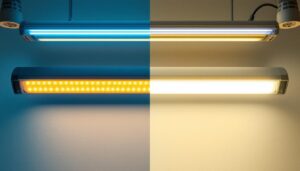
LED shop lights are increasingly popular due to their energy efficiency and long lifespan. They emit bright, white light and are available in various color temperatures, allowing for customization based on the specific needs of a workspace. Fluorescent shop lights, while less energy-efficient than LEDs, are still widely used due to their lower upfront cost. Halogen shop lights, on the other hand, provide a warm light that is often preferred in certain settings, although they tend to consume more energy. Additionally, some plug-in shop lights come with adjustable brightness settings or integrated motion sensors, which can enhance energy savings and convenience in dynamic work environments.
Key Features to Consider
When selecting plug-in shop lights, several key features should be taken into account. These include brightness, energy efficiency, durability, and ease of installation. Brightness is typically measured in lumens, with higher lumen ratings indicating brighter light output. Energy efficiency is often represented by the wattage of the light; lower wattage generally translates to lower energy costs.
Durability is another critical factor, especially in environments where lights may be exposed to dust, moisture, or physical impact. Look for fixtures with robust materials and protective features, such as shatterproof lenses or weather-resistant housings. Lastly, ease of installation is paramount for contractors who need to complete projects efficiently. Plug-in lights that come with mounting hardware and clear instructions can save valuable time during installation. Furthermore, some advanced models may offer daisy-chaining capabilities, allowing multiple lights to be connected in series, which can simplify the wiring process and reduce clutter in the workspace.
Another important consideration is the light distribution pattern, which can significantly affect the overall effectiveness of the lighting in a given area. Some plug-in shop lights are designed with reflectors or diffusers to spread light evenly across a larger surface, minimizing shadows and enhancing visibility. This feature is particularly beneficial in workspaces where precision is key, such as automotive shops or assembly lines. Additionally, the option for adjustable mounting angles can provide flexibility in directing light exactly where it is needed most, further optimizing the workspace for productivity and safety.
Benefits of Plug In Shop Lights
Plug-in shop lights offer a myriad of benefits that make them an attractive choice for contractors and clients alike. Their flexibility, ease of use, and cost-effectiveness are just a few reasons why they are favored in various settings.
Flexibility and Portability
One of the standout features of plug-in shop lights is their flexibility. Since they do not require hardwiring, they can be easily relocated as needed. This is particularly advantageous in dynamic work environments where layouts may change frequently. For instance, a contractor can quickly move lights to illuminate different areas of a workshop or garage without the need for extensive electrical work.
Additionally, the portability of plug-in shop lights allows for temporary setups at job sites or events. Contractors can provide adequate lighting for specific tasks without committing to permanent installations, making these lights an excellent choice for short-term projects. This adaptability is especially useful in outdoor settings, where lighting needs can vary greatly depending on the time of day and weather conditions. For example, a pop-up market or outdoor festival can benefit from easily movable lights that enhance visibility and safety as the sun sets.
Cost-Effectiveness
From both a purchasing and operational standpoint, plug-in shop lights can be more cost-effective than their hardwired counterparts. The initial investment is often lower, as there is no need for extensive electrical work or professional installation. Furthermore, the energy efficiency of LED options means that clients can save on their electricity bills over time.
Moreover, the reduced installation time translates to lower labor costs for contractors, allowing for more competitive pricing on projects. This cost-effectiveness can be a significant selling point when discussing lighting options with clients. Additionally, many plug-in shop lights come with features such as adjustable brightness and color temperature settings, allowing users to customize the lighting to suit their specific needs. This versatility not only enhances the functionality of the lights but also contributes to a more pleasant working environment, which can lead to increased productivity and satisfaction among workers. As a result, investing in plug-in shop lights can be seen as a smart decision that pays dividends in both performance and comfort.
Installation Considerations
While plug-in shop lights are generally easy to install, there are still several considerations that contractors should keep in mind to ensure a successful setup. Proper placement, safety measures, and compliance with local codes are all essential factors to address.
Proper Placement
Effective lighting relies heavily on proper placement. Contractors should assess the workspace to determine the best locations for shop lights, taking into account the layout and the tasks being performed. Ideally, lights should be positioned to minimize shadows and provide even illumination across work surfaces.
In larger spaces, it may be necessary to use multiple fixtures to achieve adequate lighting levels. Contractors should also consider the height at which lights are mounted, as this can significantly impact the quality of illumination. Generally, higher mounting can provide broader coverage, while lower mounting can create more focused light.
Safety Measures
Safety is paramount when installing any type of lighting. Contractors should ensure that all electrical connections are secure and that cords are not placed in high-traffic areas where they could pose a tripping hazard. Using cord covers or cable management solutions can help mitigate these risks.
Additionally, it is essential to use lights that are rated for the specific environment in which they will be installed. For instance, lights used in damp or wet locations should have appropriate weatherproof ratings to prevent electrical hazards.
Compliance with Local Codes
Contractors must also be aware of local electrical codes and regulations when installing plug-in shop lights. While these lights are generally easier to install than hardwired options, they still need to meet specific safety standards. Familiarizing oneself with these codes can prevent potential issues during inspections and ensure that installations are safe and compliant.
Choosing the Right Products
Selecting the right plug-in shop lights involves evaluating various brands and models. Contractors should consider factors such as warranty, customer reviews, and product specifications when making their choices.
Brand Reputation
Brand reputation can significantly influence the quality and reliability of lighting products. Established brands often have a track record of producing durable and efficient lighting solutions. Contractors should research different brands and seek recommendations from peers in the industry to identify reliable options.
Additionally, many manufacturers provide warranties on their products, which can offer peace of mind for contractors and clients alike. A solid warranty can indicate a company’s confidence in the quality of their products.
Customer Reviews and Testimonials
Customer reviews and testimonials can provide valuable insights into the performance of specific plug-in shop lights. Contractors should take the time to read reviews from other users to gauge the effectiveness and reliability of various models. This information can help in making informed recommendations to clients.
Online platforms, forums, and trade publications often feature reviews and comparisons of lighting products, making it easier for contractors to stay informed about the latest offerings in the market.
Maintenance and Care
While plug-in shop lights are generally low-maintenance, regular care can extend their lifespan and ensure optimal performance. Contractors should educate clients on the importance of routine maintenance and provide guidance on how to care for their lighting fixtures.
Routine Cleaning
Dust and debris can accumulate on light fixtures over time, reducing their brightness and efficiency. Regular cleaning can help maintain optimal light output. Contractors should recommend that clients periodically wipe down the fixtures and lenses with a soft, damp cloth to remove any buildup.
For fixtures installed in particularly dusty or dirty environments, more frequent cleaning may be necessary. Providing clients with a simple maintenance schedule can help ensure that their lighting remains effective over the long term.
Replacing Bulbs
For plug-in shop lights that use replaceable bulbs, it is essential to educate clients on how to change them safely. Contractors should provide clear instructions on identifying when a bulb needs replacement and the proper procedure for doing so. Using the correct type of bulb is crucial for maintaining the fixture’s performance and longevity.
In the case of LED fixtures, while the bulbs may not need replacement as frequently, it is still important to monitor their performance and replace any that are flickering or dimming.
Conclusion
Plug-in shop lights offer a versatile and cost-effective lighting solution for various work environments. For lighting contractors, understanding the features, benefits, and installation considerations of these fixtures is essential for providing clients with the best possible solutions. By staying informed about product options, safety measures, and maintenance practices, contractors can enhance their service offerings and ensure client satisfaction.
As the demand for efficient and flexible lighting solutions continues to grow, plug-in shop lights will remain a popular choice among contractors and clients alike. Embracing these products and understanding their intricacies will position contractors to excel in the ever-evolving lighting industry.
Illuminate Your Projects with LumenWholesale
Ready to elevate your lighting game? At LumenWholesale, we provide lighting contractors like you with the high-quality, spec-grade plug-in shop lights you need to light up any workspace. Our unbeatable wholesale prices mean you get the best value for your investment, and our commitment to quality ensures your projects shine bright. Say goodbye to middleman markups and hello to hassle-free bulk buying with free shipping. Don’t compromise on quality or affordability—choose LumenWholesale for your lighting solutions. Wholesale Lighting at the Best Value is just a click away.