The Importance of Overhead Lighting in Kitchen Design
In the realm of lighting installations, the kitchen stands out as one of the most demanding spaces. It is a multifunctional area where cooking, dining, socializing, and sometimes even working converge. Overhead kitchen lighting plays a pivotal role in ensuring these activities are performed safely, efficiently, and comfortably. For lighting contractors, understanding the critical nature of overhead lighting in kitchens is essential to delivering installations that meet both aesthetic and functional standards.
Overhead lighting provides the foundational illumination that defines the kitchen’s ambiance and usability. Unlike task lighting or accent lighting, which serve specific purposes, overhead lights offer uniform brightness that reduces shadows and enhances visibility across the entire space. This is particularly important in kitchens, where precision and safety are paramount.
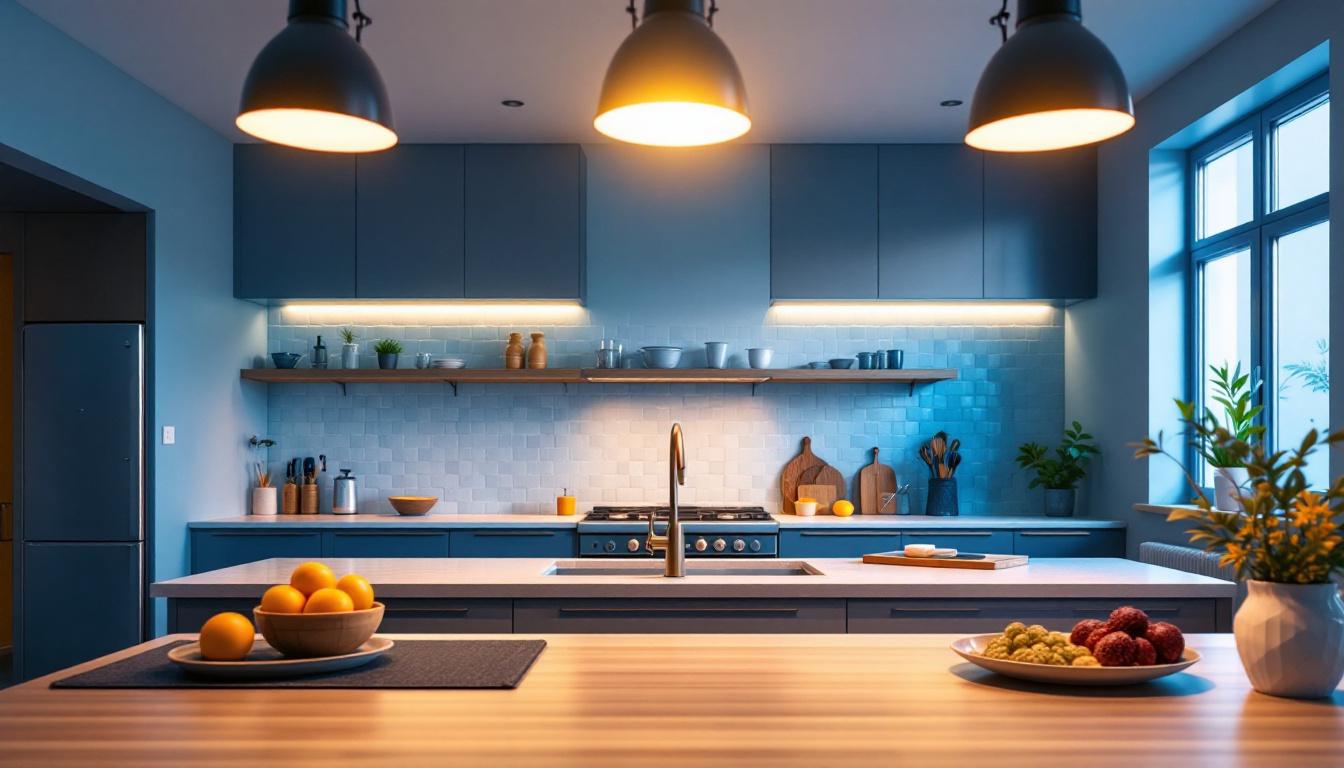
Moreover, the choice of overhead lighting can significantly influence the overall design and feel of the kitchen. For instance, pendant lights can add a touch of elegance and style, serving as both a functional light source and a decorative element. In contrast, recessed lighting can create a clean, modern look while ensuring that every corner of the kitchen is well-lit. The height and placement of these fixtures can also make a substantial difference; strategically positioned lights can draw attention to key areas, such as an island or a breakfast nook, enhancing both functionality and aesthetic appeal.
In addition to aesthetics, the type of bulbs used in overhead lighting can impact energy efficiency and longevity. LED lights, for example, are becoming increasingly popular due to their low energy consumption and long lifespan, making them a smart choice for the environmentally conscious homeowner. Furthermore, dimmable options allow for versatility in lighting, enabling homeowners to adjust the brightness based on the time of day or the occasion, whether it’s a bustling family dinner or a quiet evening of meal prep. This adaptability makes overhead lighting not just a necessity, but a vital component in creating a welcoming and practical kitchen environment.
Functional Benefits of Overhead Kitchen Lighting
Enhancing Safety and Visibility
One of the foremost reasons overhead lighting is critical in kitchen installations is safety. Kitchens are filled with potential hazards—sharp knives, hot surfaces, and slippery floors. Adequate overhead lighting ensures that every corner, countertop, and appliance is clearly visible, minimizing the risk of accidents. Poorly lit kitchens can lead to mishandling of tools or overlooked spills, which may result in injuries. Furthermore, proper lighting is especially important for those with visual impairments or older adults who may struggle to see in dimly lit environments. By ensuring that the kitchen is well-lit, homeowners can create a safer space for everyone, including children who may be helping out with meal preparations.
Lighting contractors must prioritize brightness levels and light distribution to eliminate dark spots and shadows. According to lighting industry guidelines, kitchens typically require illumination levels between 300 to 400 lux for general lighting. Achieving this through overhead fixtures ensures a well-lit environment conducive to safe food preparation. Additionally, incorporating dimmable options can provide flexibility, allowing users to adjust lighting based on the time of day or specific tasks, further enhancing safety and comfort during kitchen activities.
Supporting Task Efficiency
While overhead lighting provides ambient illumination, it also supports task efficiency by creating a bright and evenly lit workspace. This is crucial during food preparation, cooking, and cleaning. When overhead lights are strategically placed, they reduce eye strain and improve accuracy in measuring ingredients, chopping vegetables, and monitoring cooking progress. Moreover, effective lighting can also influence the overall mood and energy of the kitchen, making it a more inviting space for family gatherings and social interactions. A well-lit kitchen can encourage more cooking at home, as it becomes a pleasant environment for culinary creativity.
Lighting contractors should consider the kitchen layout and work zones when installing overhead fixtures. For example, positioning lights above the stove, sink, and countertops ensures that these high-use areas receive adequate illumination. This approach not only improves functionality but also enhances the overall user experience. Additionally, the use of layered lighting, which combines overhead fixtures with under-cabinet lighting or pendant lights, can create a visually appealing atmosphere while maintaining high levels of efficiency. By thoughtfully integrating different types of lighting, homeowners can achieve a balance between aesthetics and practicality, making the kitchen not just a place for cooking, but a true hub of activity in the home.
Design Considerations for Overhead Kitchen Lighting
Choosing the Right Fixtures
The choice of fixtures for overhead kitchen lighting significantly impacts both performance and aesthetics. Recessed downlights, flush mounts, and pendant lights are among the popular options. Each offers distinct advantages depending on the kitchen’s size, ceiling height, and design style.
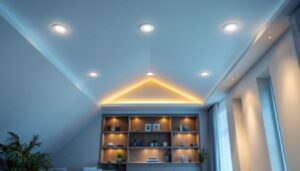
Recessed downlights are favored for their sleek, unobtrusive appearance and ability to provide uniform light distribution. They are particularly effective in modern kitchens with clean lines. Pendant lights, on the other hand, add a decorative element and can serve as focal points above islands or dining areas. Flush mounts are versatile and work well in kitchens with lower ceilings.
When selecting fixtures, it’s also essential to consider the material and finish. For instance, brushed nickel and matte black finishes can complement contemporary designs, while antique brass or bronze may suit more traditional spaces. Additionally, the size and scale of the fixtures should be proportionate to the kitchen’s dimensions; oversized pendants can create a dramatic effect in spacious kitchens, while smaller fixtures may be more appropriate for compact areas.
Light Color Temperature and Quality
The color temperature of overhead kitchen lights affects the mood and visibility within the space. Lighting contractors typically recommend a color temperature between 3000K and 4000K for kitchens. This range balances warm and cool tones, creating a welcoming yet functional environment.
In addition to color temperature, the color rendering index (CRI) is a critical factor. A high CRI (above 80) ensures that food colors and kitchen surfaces appear natural and vibrant, which is essential for both cooking and presentation. Selecting LED fixtures with high CRI ratings is a best practice for professional lighting installations.
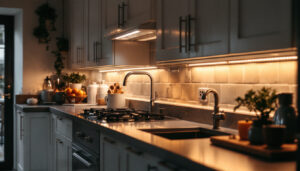
Moreover, it’s important to consider the layering of light in the kitchen. Combining ambient lighting with task and accent lighting can enhance functionality and aesthetics. For example, under-cabinet lighting can illuminate countertops for food preparation, while accent lights can highlight decorative elements like artwork or unique backsplash tiles. This thoughtful layering not only improves visibility but also adds depth and dimension to the overall design.
Energy Efficiency and Sustainability in Kitchen Lighting
LED Technology as the Standard
Energy efficiency is a growing concern in lighting installations, and kitchens are no exception. LEDs have become the standard choice for overhead kitchen lighting due to their low energy consumption, long lifespan, and minimal heat emission. These characteristics not only reduce operational costs but also contribute to a more sustainable home environment.
Lighting contractors should prioritize LED fixtures that meet energy certification standards such as ENERGY STAR. Incorporating dimmable LEDs allows homeowners to adjust lighting levels according to different needs, further enhancing energy savings.
Smart Lighting Integration
Smart lighting systems are increasingly popular in modern kitchen designs. Overhead kitchen lights integrated with smart controls enable users to customize brightness, color temperature, and scheduling through mobile devices or voice commands. This flexibility enhances convenience and can improve energy management by ensuring lights are used only when needed.
For contractors, offering smart lighting solutions can differentiate services and meet the evolving demands of tech-savvy clients. Proper installation and programming are essential to maximize the benefits of these systems.
Common Challenges and Solutions in Overhead Kitchen Lighting Installations
Addressing Shadows and Glare
One of the main challenges in overhead kitchen lighting is managing shadows and glare, which can compromise visibility and comfort. Shadows often occur when a single overhead light source is used, especially in kitchens with multiple work zones. Glare, on the other hand, can cause discomfort and reduce the effectiveness of the lighting.
To mitigate these issues, lighting contractors should employ layered lighting strategies. Combining overhead lights with under-cabinet task lighting and ambient fixtures helps distribute light evenly and reduces harsh shadows. Using diffusers and selecting fixtures with appropriate beam angles can also minimize glare.
Ensuring Compliance with Electrical Codes
Compliance with local electrical codes and safety standards is non-negotiable in lighting installations. Kitchens, being wet and potentially hazardous areas, have specific requirements for fixture placement, wiring, and protection against moisture.
Contractors must stay informed about the latest code updates and ensure that all overhead kitchen lighting installations meet these regulations. This includes using fixtures rated for damp or wet locations where applicable and ensuring proper circuit protection.
Case Studies: Successful Overhead Kitchen Lighting Installations
Modern Minimalist Kitchen
In a contemporary minimalist kitchen, recessed LED downlights were installed in a grid pattern to provide uniform illumination. The lighting contractor selected fixtures with a 3500K color temperature and a CRI of 90, enhancing the natural tones of the cabinetry and countertops. The inclusion of dimmable controls allowed the homeowner to adjust lighting for cooking and entertaining, resulting in a highly functional and aesthetically pleasing space.
Traditional Kitchen with Pendant Accents
A traditional kitchen featuring a large island benefited from a combination of overhead flush mounts and decorative pendant lights. The contractor carefully positioned the pendants to highlight the island workspace while ensuring the flush mounts provided ambient lighting throughout the room. Warm white LEDs with a color temperature of 3000K were chosen to complement the warm wood finishes, creating a cozy and inviting atmosphere.
Conclusion: The Contractor’s Role in Optimizing Overhead Kitchen Lighting
Overhead kitchen lighting is a critical component of any lighting installation, directly influencing safety, functionality, and ambiance. For lighting contractors, mastering the technical and design aspects of overhead lighting ensures successful project outcomes and satisfied clients.
By selecting appropriate fixtures, optimizing light quality, integrating energy-efficient technologies, and addressing common challenges, contractors can elevate kitchen lighting installations to meet modern standards. Ultimately, well-executed overhead kitchen lighting enhances the heart of the home, making it a safer, more efficient, and more enjoyable space.
Illuminate Your Projects with LumenWholesale
Ready to take your kitchen lighting installations to the next level? At LumenWholesale, we provide you with the highest quality, spec-grade lighting products at prices that make sense for your bottom line. Say goodbye to local distributor markups and hello to our extensive selection that meets rigorous industry standards. With free shipping on bulk orders, you can stock up on reliable, high-performance lighting solutions that will make every kitchen shine. Elevate your lighting game and delight your clients with the perfect combination of quality, affordability, and convenience. Discover the best value in wholesale lighting by visiting LumenWholesale today.