In the realm of electrical work, particularly in the field of lighting installation, efficiency and safety are paramount. One essential tool that lighting contractors should consider integrating into their toolkit is the outside utility box. This often-overlooked component plays a crucial role in ensuring that outdoor lighting systems function optimally while adhering to safety regulations. This article delves into the various reasons why every lighting contractor should prioritize the use of outside utility boxes in their projects.
Understanding the Outside Utility Box
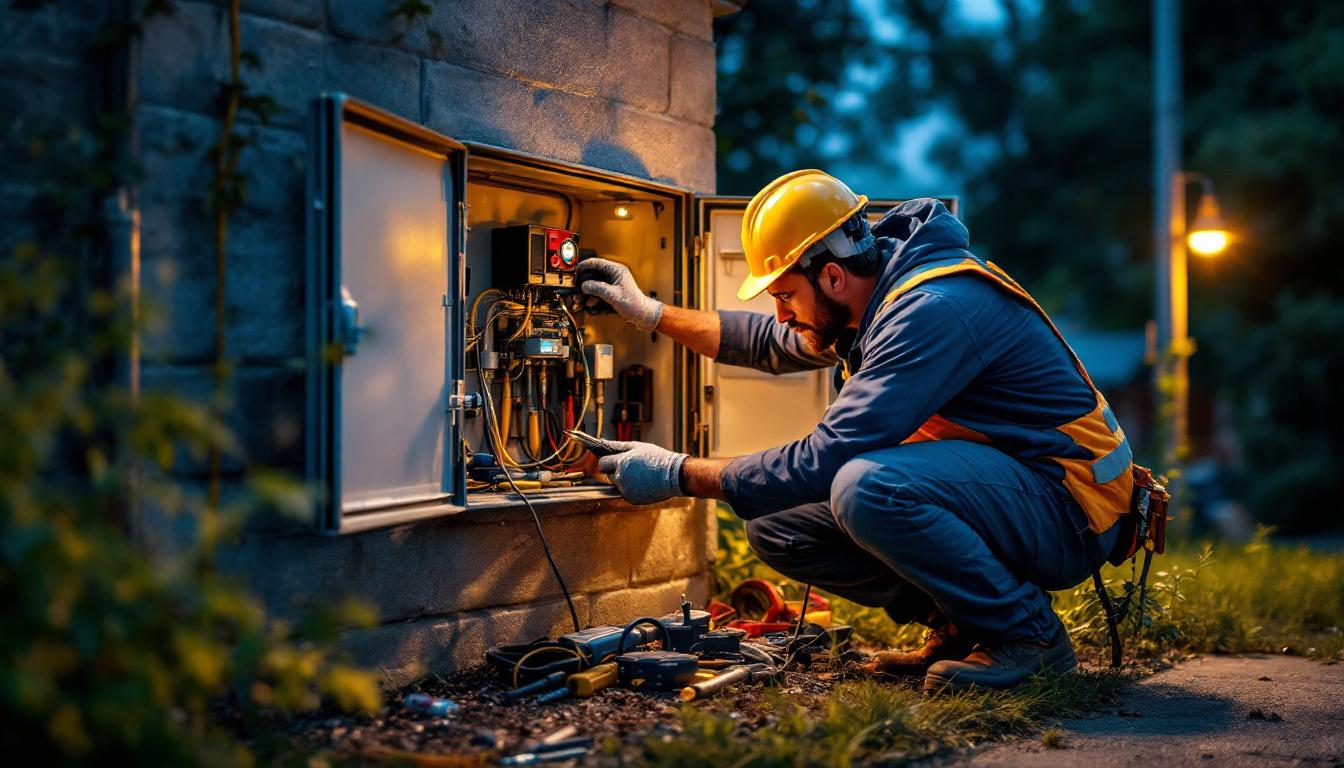
The outside utility box, commonly referred to as an outdoor junction box, is designed to house electrical connections and protect them from environmental elements. These boxes are typically made from weather-resistant materials, ensuring they can withstand rain, snow, and extreme temperatures. Their primary purpose is to provide a safe and secure location for electrical connections, which is especially critical in outdoor settings. By safeguarding these connections, utility boxes help prevent short circuits, electrical fires, and other hazards that could arise from exposure to the elements.
In addition to their protective functions, outside utility boxes can also be equipped with features that enhance their usability. For example, many modern designs include built-in cable management systems that help organize and secure wires, reducing the risk of tangling or damage. Some boxes even come with integrated lighting or sensor technology, allowing for smart outdoor lighting solutions that can be controlled remotely or set to respond to environmental changes. This versatility makes them an essential component of contemporary outdoor electrical systems.
Types of Outside Utility Boxes
Outside utility boxes come in various types, each suited for specific applications. The most common types include:
- Weatherproof Junction Boxes: These are designed to be watertight, preventing moisture from entering and causing electrical failures. They are often used in areas prone to heavy rainfall or snow accumulation.
- Surface-Mounted Boxes: Ideal for installations where space is limited, these boxes can be mounted directly onto walls or other surfaces. They are particularly useful in urban settings where space constraints are a concern.
- In-Ground Boxes: These are buried underground, providing a discreet solution for outdoor lighting while allowing for easy access to electrical connections. They are often used in gardens or pathways where aesthetics are important.
Choosing the right type of utility box is essential for the longevity and safety of the lighting installation. Additionally, considering the specific environmental conditions of the installation site can further inform the decision-making process. For instance, areas with high humidity may require more robust sealing mechanisms, while locations exposed to direct sunlight may benefit from UV-resistant materials.
Key Features of Quality Utility Boxes
When selecting an outside utility box, several features should be considered to ensure it meets the demands of outdoor lighting installations:
- Material: High-quality plastic or metal that is resistant to corrosion and UV rays is essential for durability. Aluminum and stainless steel are popular choices for their strength and longevity.
- Sealing Mechanism: A reliable sealing mechanism can prevent water ingress, which is crucial for maintaining electrical integrity. Look for boxes with gaskets or O-rings that provide a tight seal against moisture.
- Size and Capacity: The box should be adequately sized to accommodate the number of wires and connections needed for the project. Oversized boxes can lead to unnecessary clutter, while undersized boxes may not provide enough room for safe wire management.
Moreover, it’s important to consider the ease of installation when selecting a utility box. Features such as pre-drilled mounting holes and accessible cable entry points can significantly streamline the installation process, saving time and effort. Additionally, some utility boxes come with built-in mounting brackets or templates, which can further simplify the setup, especially for DIY enthusiasts or contractors working on multiple installations.
Benefits of Using Outside Utility Boxes
Incorporating outside utility boxes into lighting projects offers numerous advantages that can enhance both the quality of work and client satisfaction.
Enhanced Safety
Safety is a primary concern for any lighting contractor. Outside utility boxes provide a secure environment for electrical connections, reducing the risk of short circuits and electrical fires. By housing connections within a weatherproof box, contractors can significantly minimize the chances of moisture-related issues, which can lead to dangerous electrical malfunctions. Additionally, these boxes are often designed with features such as lockable lids, which can deter unauthorized access and tampering, further enhancing the safety of the installation. This added layer of security not only protects the electrical components but also instills confidence in clients regarding the reliability of their outdoor lighting systems.
Improved Aesthetics
Outdoor lighting installations often aim to enhance the beauty of a property. An outside utility box can be discreetly installed, allowing for a clean and polished look. By concealing unsightly wires and connections, contractors can create a more visually appealing outdoor space, which can be a selling point for clients. Furthermore, many utility boxes come in various colors and styles, allowing contractors to choose options that complement the overall design of the property. This attention to detail can elevate the aesthetic value of the installation, making it not just functional but also a stunning addition to the landscape.
Ease of Maintenance
Utility boxes simplify maintenance tasks. When issues arise, having a centralized location for electrical connections makes it easier for contractors to troubleshoot and repair problems. This can save time and reduce costs associated with service calls, ultimately benefiting both the contractor and the client. Moreover, regular inspections can be conducted more efficiently, as all necessary components are housed in one accessible location. This proactive approach to maintenance can extend the lifespan of the lighting system and ensure that it operates at peak performance, providing clients with reliable illumination for years to come. Additionally, the use of utility boxes can facilitate upgrades or modifications to the lighting system, allowing for future enhancements without extensive rewiring or disruption to the existing setup.
Installation Considerations
While the benefits of outside utility boxes are clear, proper installation is crucial to ensure their effectiveness. A few key considerations should be kept in mind during the installation process.
Location and Accessibility
Choosing the right location for the utility box is essential. It should be easily accessible for maintenance while also being positioned to minimize exposure to the elements. Contractors should consider the layout of the outdoor lighting system and position the box in a way that facilitates easy access without compromising safety. Additionally, it is wise to avoid placing the utility box near areas that may be prone to flooding or excessive moisture, as this could lead to corrosion or electrical hazards over time. A well-thought-out location not only enhances functionality but also contributes to the overall aesthetic of the outdoor space.
Compliance with Electrical Codes
Adhering to local electrical codes and regulations is non-negotiable. Contractors must ensure that the outside utility box is installed according to these guidelines to avoid potential legal issues and ensure client safety. This includes proper grounding and securing the box in a way that meets code requirements. Furthermore, it’s important to stay updated on any changes in the regulations, as codes can evolve over time to reflect new safety standards or technological advancements. Engaging with local electrical inspectors during the planning phase can provide valuable insights and help ensure that the installation process runs smoothly and meets all necessary compliance checks.
Material Selection
Another critical aspect of installation is the selection of materials for the utility box itself. The box should be constructed from durable, weather-resistant materials that can withstand harsh outdoor conditions, such as UV exposure, rain, and temperature fluctuations. Options like fiberglass or high-grade plastic are often preferred for their longevity and resistance to corrosion. Additionally, considering the color and finish of the box can help it blend seamlessly into the surrounding environment, enhancing the overall look of the outdoor space while still providing the necessary functionality.
Future Expansion and Upgrades
When planning the installation, it’s also wise to think ahead about potential future expansions or upgrades. As technology evolves, homeowners may wish to integrate smart home systems or additional lighting features. Leaving room for expansion can save time and resources down the line. This foresight can involve installing larger conduit pathways or ensuring that the utility box has enough capacity to accommodate additional circuits without requiring a complete overhaul. By anticipating future needs, contractors can provide clients with a more flexible and sustainable installation that adapts to changing requirements.
Common Mistakes to Avoid
Even experienced contractors can make mistakes when it comes to installing outside utility boxes. Being aware of common pitfalls can help ensure a successful installation.
Neglecting Weatherproofing
One of the most critical aspects of using outside utility boxes is ensuring they are properly weatherproofed. Failing to seal the box adequately can lead to moisture ingress, resulting in short circuits and equipment failure. Always double-check seals and gaskets during installation.
Overloading the Box
Another common mistake is overloading the utility box with too many connections or wires. Each box has a specific capacity, and exceeding this can lead to overheating and potential fire hazards. It is essential to calculate the load requirements accurately and choose a box that can accommodate them comfortably.
Choosing the Right Utility Box for Your Projects
With various options available, selecting the right outside utility box can be daunting. Here are some tips to help make the decision easier.
Assess Project Requirements
Before selecting a utility box, assess the specific needs of the project. Consider factors such as the number of connections required, the type of lighting being installed, and the environmental conditions. This assessment will guide the selection process and ensure that the chosen box is fit for purpose.
Consult with Suppliers
Engaging with suppliers can provide valuable insights into the best products available on the market. They can offer recommendations based on experience and help contractors navigate the various options to find the most suitable utility box for their needs.
Conclusion
In the competitive field of lighting installation, staying ahead requires the right tools and practices. The outside utility box is an essential component that enhances safety, improves aesthetics, and simplifies maintenance for outdoor lighting systems. By understanding the types, benefits, and installation considerations of these boxes, lighting contractors can elevate their work quality and client satisfaction.
Incorporating outside utility boxes into projects not only ensures compliance with safety standards but also showcases professionalism and attention to detail. As the demand for outdoor lighting continues to grow, having a solid grasp of utility box usage will undoubtedly set contractors apart in a crowded marketplace.
Ultimately, the investment in quality outside utility boxes is an investment in the contractor’s reputation and the longevity of their projects. By prioritizing this often-overlooked component, lighting contractors can ensure that their installations are safe, efficient, and aesthetically pleasing, paving the way for future success in their endeavors.
Get Your Premium Outside Utility Boxes at LumenWholesale
Ready to enhance your lighting projects with the safety, efficiency, and aesthetics that only top-quality outside utility boxes can provide? Look no further than LumenWholesale for all your lighting needs. Our extensive selection of spec-grade lighting products is designed to meet the highest industry standards, ensuring your installations stand the test of time. Take advantage of our unbeatable wholesale prices, free shipping on bulk orders, and the convenience of cutting out the middleman. Elevate your lighting installations today by visiting Wholesale Lighting at the Best Value and discover the LumenWholesale difference.