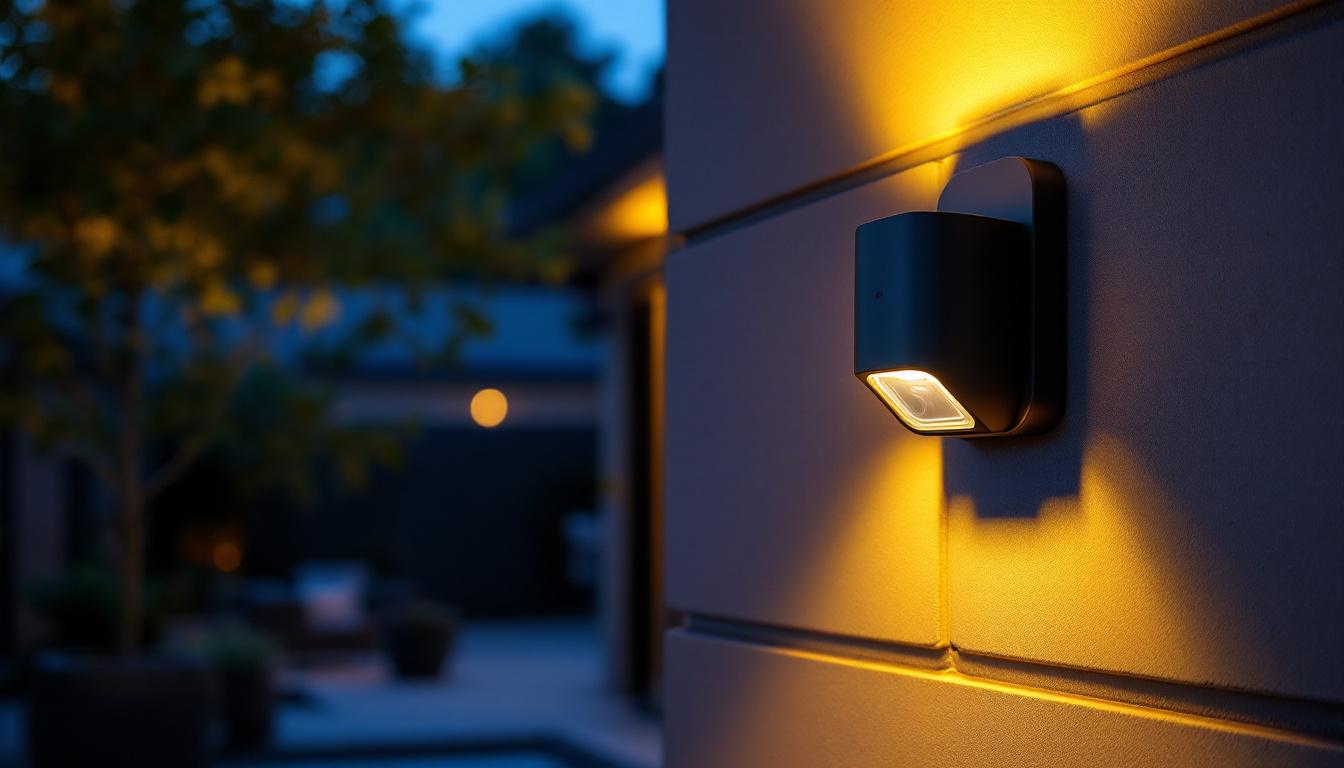
As the demand for energy-efficient and convenient outdoor lighting solutions continues to grow, outdoor motion sensor wall lights have emerged as a popular choice among homeowners and businesses alike. For lighting contractors, understanding the intricacies of these fixtures is essential to meet client needs and stay competitive in the market. This article delves into the key aspects of outdoor motion sensor wall lights, including their functionality, installation considerations, and the benefits they offer.
Understanding Motion Sensor Technology
Motion sensor technology has revolutionized outdoor lighting, providing enhanced security and convenience. At its core, a motion sensor detects movement within a specified range and activates the light accordingly. This technology can be classified into different types, each with unique features and applications.
Types of Motion Sensors
There are primarily two types of motion sensors used in outdoor lighting: passive infrared (PIR) sensors and microwave sensors. PIR sensors detect changes in infrared radiation, which is emitted by moving objects, such as people or animals. They are commonly used in residential settings due to their reliability and cost-effectiveness.
On the other hand, microwave sensors emit microwave signals and measure the reflection of these signals to detect movement. They are more sensitive than PIR sensors and can detect motion through obstacles, making them suitable for larger areas or commercial applications. Additionally, some advanced models combine both technologies, offering the best of both worlds by minimizing false alarms while ensuring reliable detection.
Sensor Range and Sensitivity
When selecting motion sensors for outdoor wall lights, it is crucial to consider their range and sensitivity. Most sensors have a detection range of 15 to 50 feet, but this can vary based on the model and installation height. Additionally, sensitivity settings allow contractors to adjust how easily the sensor detects movement, which can help minimize false triggers caused by animals or environmental factors.
Moreover, the angle of detection is another important factor to consider. Many motion sensors have a wide field of view, often ranging from 90 to 180 degrees, which allows them to monitor a larger area. This feature is particularly beneficial for driveways or backyards, where a broad detection range can enhance security. Some models even come equipped with adjustable lenses, enabling users to customize the detection pattern to suit their specific outdoor layout, ensuring optimal performance and coverage.
Installation Considerations
Proper installation is vital for maximizing the performance of outdoor motion sensor wall lights. Lighting contractors should be aware of several key factors that can influence the effectiveness of these fixtures.
Optimal Placement
Placement is one of the most critical aspects of installation. Motion sensors should be positioned to cover the desired area effectively, such as driveways, walkways, or entry points. Ideally, the sensor should be mounted at a height of 6 to 8 feet to ensure optimal detection while minimizing the risk of obstructions.
Contractors should also consider the angle of the sensor. Most motion sensors have a specific field of view, typically ranging from 90 to 180 degrees. Installing the sensor at the right angle can help capture movement from various directions, enhancing the overall effectiveness of the lighting solution. Additionally, it is essential to avoid placing sensors near sources of false triggers, such as trees or bushes that may sway in the wind, as these can lead to unnecessary activations and reduce the lifespan of the bulbs.
Furthermore, environmental factors such as the presence of pets or wildlife should also be taken into account. For instance, if a property is frequented by animals, it may be beneficial to adjust the sensitivity settings or the placement of the sensor to avoid frequent false alarms. By carefully considering these aspects, contractors can ensure that the lighting system operates efficiently and meets the client’s expectations.
Wiring and Power Supply
Outdoor motion sensor wall lights can be powered by either hardwired connections or battery-operated systems. Hardwired installations provide a more permanent solution, ensuring consistent performance and eliminating the need for battery replacements. However, they require a thorough understanding of electrical systems and adherence to local codes.
Battery-operated lights offer flexibility and ease of installation, making them an attractive option for temporary or remote locations. Contractors should advise clients on the pros and cons of each option, helping them make informed decisions based on their specific needs. For instance, while battery-operated systems can be easily relocated, they may require regular maintenance to replace batteries, which could be a drawback for some users.
Additionally, it is crucial to consider the type of batteries used in these systems. Some models may utilize rechargeable batteries, which can be more environmentally friendly and cost-effective in the long run. Contractors should also inform clients about the expected lifespan of the batteries and any indicators that signal when replacements are needed. This proactive approach can help ensure that the lighting remains functional and reliable, providing safety and security around the property.
Benefits of Outdoor Motion Sensor Wall Lights
Outdoor motion sensor wall lights offer numerous advantages that make them an appealing choice for both residential and commercial properties. Understanding these benefits can help contractors effectively communicate their value to clients.
Enhanced Security
One of the primary reasons homeowners and businesses choose motion sensor lights is the enhanced security they provide. By illuminating dark areas when movement is detected, these lights can deter potential intruders and create a safer environment. The sudden burst of light can startle trespassers, making them think twice before approaching a property.
Additionally, the presence of motion sensor lights can signal to potential intruders that the property is monitored, further discouraging criminal activity. This added layer of security can be a significant selling point for contractors when discussing lighting options with clients.
Energy Efficiency
Energy efficiency is another compelling benefit of outdoor motion sensor wall lights. Since these lights only activate when motion is detected, they consume less energy compared to traditional outdoor lighting that remains on throughout the night. This can lead to significant cost savings on electricity bills, making motion sensor lights an attractive option for environmentally conscious clients.
Moreover, many modern motion sensor lights utilize LED technology, which is known for its energy efficiency and long lifespan. By recommending LED motion sensor lights, contractors can help clients reduce their carbon footprint while enjoying the benefits of effective outdoor lighting.
Maintenance and Troubleshooting
While outdoor motion sensor wall lights are generally low-maintenance, contractors should be prepared to address potential issues that clients may encounter. Understanding common problems and their solutions can enhance client satisfaction and build trust in the contractor’s expertise.
Common Issues
One of the most common issues with motion sensor lights is false triggering. This can occur due to various factors, including wind, passing cars, or animals. Contractors should educate clients on adjusting sensitivity settings to minimize false alarms and ensure the lights only activate when necessary.
Another issue that may arise is the light not activating at all. This can be due to several factors, such as a malfunctioning sensor, improper wiring, or dead batteries in battery-operated models. Contractors should provide clients with troubleshooting tips, such as checking the power supply and ensuring the sensor is clean and free from obstructions.
Regular Maintenance Tips
To ensure optimal performance, clients should be encouraged to perform regular maintenance on their outdoor motion sensor wall lights. This includes cleaning the sensor lens to remove dirt and debris that may interfere with detection. Additionally, contractors can recommend periodic checks of the power supply and wiring to identify any potential issues before they escalate.
Choosing the Right Products
With a wide variety of outdoor motion sensor wall lights available on the market, lighting contractors must be discerning when selecting products for their clients. Understanding the features and specifications of different models can help contractors make informed recommendations.
Key Features to Look For
When evaluating outdoor motion sensor wall lights, contractors should consider several key features. First, look for models with adjustable sensitivity and timer settings. These features allow clients to customize their lighting experience based on their specific needs and preferences.
Additionally, consider the construction materials of the lights. High-quality, weather-resistant materials will ensure longevity and performance in outdoor environments. Contractors should also check for warranties and customer reviews to gauge the reliability of the products they are considering.
Brand Reputation
Brand reputation plays a significant role in the selection of outdoor motion sensor wall lights. Established brands with a history of quality and innovation are often more reliable than lesser-known manufacturers. Contractors should stay informed about industry trends and product releases to ensure they are recommending the best options to their clients.
Conclusion
Outdoor motion sensor wall lights represent a valuable addition to any lighting contractor’s offerings. By understanding the technology behind these fixtures, installation considerations, and the benefits they provide, contractors can effectively meet the needs of their clients. With the right knowledge and product selection, lighting professionals can enhance security, improve energy efficiency, and ensure client satisfaction through the use of outdoor motion sensor wall lights.
As the market for outdoor lighting continues to evolve, staying informed about the latest advancements and trends in motion sensor technology will be crucial for lighting contractors. By embracing this knowledge, contractors can position themselves as experts in the field, ultimately leading to increased business opportunities and satisfied customers.
Get Your Premium Outdoor Motion Sensor Lights at LumenWholesale
Ready to elevate your lighting projects with the latest in outdoor motion sensor wall lights? Look no further than LumenWholesale for an unbeatable selection of spec-grade lighting products. Our commitment to quality and affordability ensures that you can provide your clients with reliable, high-performance lighting solutions without the extra costs. Take advantage of our hassle-free bulk buying options and free shipping to get the best value for your investment. Don’t let middleman markups affect your bottom line. Choose LumenWholesale for Wholesale Lighting at the Best Value and make your next project shine with excellence.