Outdoor lighting can transform a space, enhancing both its functionality and aesthetic appeal. However, even seasoned lighting contractors can fall into traps that undermine their projects. Understanding these common mistakes can lead to more successful installations and satisfied clients. This article delves into the pitfalls often encountered in outdoor lighting projects and offers insights on how to avoid them.
1. Inadequate Planning and Design
One of the most significant mistakes lighting contractors make is diving into installation without a thorough planning phase. A well-thought-out design is crucial for ensuring that the lighting meets both the practical needs and the aesthetic desires of the client.
Before starting any project, it is essential to assess the area to be illuminated. This includes understanding the landscape, the architecture of the structures involved, and the specific needs of the clients. Failing to conduct a comprehensive site analysis can lead to poorly placed fixtures and inadequate lighting levels.
Understanding Client Needs
Every client has unique requirements and preferences. Engaging in detailed discussions with clients about their vision for the space can provide valuable insights. Are they looking for security, ambiance, or functionality? Understanding these needs will guide the design process effectively.
Additionally, presenting clients with various lighting options and styles can help them visualize the final outcome. This collaborative approach not only enhances client satisfaction but also minimizes the chances of costly revisions later in the project. Furthermore, it is beneficial to educate clients on the latest technologies and trends in lighting design, such as smart lighting systems that allow for remote control and customization, which can elevate their experience and satisfaction with the final product.
Creating a Lighting Plan
A well-structured lighting plan is vital. It should include the types of fixtures to be used, their placement, and the intended effects. Utilizing software or design tools can aid in visualizing the layout and ensuring that all areas are adequately lit.
Moreover, considering the different layers of lighting—ambient, task, and accent—will create a more dynamic and functional outdoor space. Each layer serves a purpose, and neglecting any can lead to an imbalanced lighting scheme. For instance, ambient lighting provides a general illumination that ensures safety and visibility, while task lighting focuses on specific areas where activities occur, such as pathways or seating areas. Accent lighting, on the other hand, highlights architectural features or landscaping, adding depth and interest to the overall design. By thoughtfully integrating these layers, contractors can craft a cohesive and inviting atmosphere that meets the diverse needs of the space.
2. Ignoring the Importance of Fixture Quality
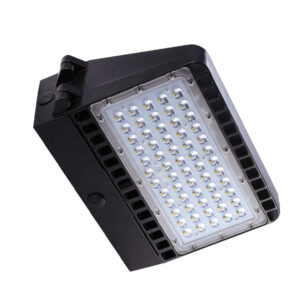
Another common mistake is the selection of low-quality fixtures. While budget constraints are always a consideration, opting for inferior products can lead to a host of problems down the line.
High-quality fixtures are designed to withstand outdoor conditions, including moisture, UV exposure, and temperature fluctuations. Choosing durable materials not only ensures longevity but also reduces maintenance costs for clients. For instance, fixtures made from corrosion-resistant metals or high-grade plastics can significantly extend their lifespan, minimizing the need for frequent replacements and repairs.
Evaluating Fixture Specifications
When selecting fixtures, it is essential to evaluate their specifications carefully. This includes understanding the wattage, lumen output, and beam angle. These factors directly impact the effectiveness of the lighting and the overall ambiance of the space.
Additionally, energy efficiency should be a priority. LED fixtures, for instance, offer significant energy savings and longer lifespans compared to traditional lighting options. Educating clients about the benefits of investing in quality fixtures can help justify higher initial costs. Furthermore, considering the color temperature of the fixtures can enhance the desired atmosphere; warmer tones create a cozy environment, while cooler tones can promote alertness and productivity. This nuanced understanding of lighting can transform a space, making it not just functional, but also inviting and aesthetically pleasing.
3. Overlooking Electrical Considerations
Electrical planning is a critical aspect of outdoor lighting installations. Many contractors underestimate the importance of proper electrical design, which can lead to safety hazards and operational issues.
Ensuring that the electrical system can handle the load of the lighting fixtures is essential. This includes calculating the total wattage and ensuring that the circuit is appropriately rated. Failing to do so can result in tripped breakers or, worse, electrical fires.
Utilizing Proper Wiring Techniques
Using the correct wiring techniques is crucial for outdoor installations. Outdoor wiring must be rated for wet conditions and should be buried at the appropriate depth to prevent damage. Additionally, using weatherproof connectors and junction boxes can help protect against moisture intrusion.
Contractors should also consider the location of power sources. Running long extension cords can be a temporary solution, but it is not advisable for permanent installations. Planning the layout to minimize the distance from power sources can enhance safety and efficiency.
4. Neglecting Landscape Integration
Outdoor lighting should complement the landscape rather than overpower it. A common mistake contractors make is failing to integrate lighting with the natural surroundings.
When designing an outdoor lighting scheme, it is essential to consider the existing landscape features. This includes trees, shrubs, and architectural elements. Lighting should highlight these features rather than create harsh contrasts or shadows.
Using the Right Techniques
Techniques such as uplighting and downlighting can create stunning effects when used correctly. Uplighting can accentuate the height and structure of trees, while downlighting can mimic natural moonlight, creating a soft and inviting atmosphere.
Moreover, using fixtures that blend into the landscape can enhance the overall aesthetic. For instance, path lights should be unobtrusive while providing necessary illumination for safety. This thoughtful integration can elevate the outdoor space significantly.
5. Failing to Consider Light Pollution
Light pollution is a growing concern, and contractors must be mindful of how their installations impact the surrounding environment. Excessive or poorly directed lighting can disturb wildlife and disrupt the natural balance of the area.
Contractors should aim to minimize light pollution by using fixtures that direct light where it is needed. Shielded fixtures can help contain the light within the desired area, reducing glare and preventing light from spilling into unwanted spaces.
Implementing Smart Controls
Incorporating smart controls into outdoor lighting can also help manage light levels effectively. Timers and dimmers allow for flexibility and can reduce energy consumption, contributing to a more sustainable lighting solution.
Educating clients about the importance of responsible lighting can foster a greater appreciation for the environment and enhance the overall quality of life in the area.
6. Underestimating Maintenance Needs
Another common oversight is underestimating the maintenance requirements of outdoor lighting systems. While the goal is to create a beautiful and functional space, it is equally important to ensure that the lighting remains effective over time.
Regular maintenance checks should be part of the service offered to clients. This includes cleaning fixtures, checking for burnt-out bulbs, and ensuring that wiring remains intact. Neglecting these tasks can lead to diminished performance and increased costs for clients in the long run.
Setting Up a Maintenance Schedule
Contractors should consider establishing a maintenance schedule with clients. This proactive approach not only ensures the longevity of the lighting system but also fosters ongoing relationships with clients.
Providing clients with tips on how to care for their lighting can empower them to take an active role in maintenance. Simple tasks, such as cleaning fixtures and adjusting timers, can make a significant difference in the performance of the system.
7. Overcomplicating the Design
While creativity is essential in outdoor lighting design, overcomplicating the scheme can lead to confusion and dissatisfaction. A cluttered lighting design can detract from the beauty of the outdoor space rather than enhance it.
Simplicity often leads to elegance. Focusing on a few key features and using lighting to highlight them can create a more cohesive and visually appealing design. It is crucial to strike a balance between creativity and functionality.
Creating a Cohesive Look
When designing outdoor lighting, consistency in style and fixture types can help create a unified look. Mixing too many different styles can lead to a chaotic appearance. Instead, selecting a few complementary fixtures and using them strategically can enhance the overall aesthetic.
Additionally, considering the overall theme of the outdoor space—whether it be modern, rustic, or traditional—can guide fixture selection and placement, ensuring a harmonious design.
8. Ignoring Safety Regulations
Safety should always be a top priority in outdoor lighting installations. Ignoring local codes and regulations can lead to dangerous situations and potential liability issues for contractors.
Familiarizing oneself with local regulations regarding outdoor lighting can prevent costly mistakes. This includes understanding zoning laws, electrical codes, and any restrictions on light levels in residential areas.
Ensuring Compliance
Contractors should take the time to review all relevant regulations before starting a project. This not only ensures compliance but also protects the contractor’s reputation and business. Clients will appreciate the diligence and professionalism that comes with adhering to safety standards.
Moreover, providing clients with documentation of compliance can enhance their trust in the contractor’s expertise and commitment to quality work.
Conclusion
Outdoor lighting installations offer an incredible opportunity to enhance spaces and improve safety. However, avoiding common mistakes is crucial for ensuring successful outcomes. By focusing on proper planning, fixture quality, electrical considerations, and landscape integration, contractors can elevate their projects to new heights.
Moreover, being mindful of light pollution, maintenance needs, and safety regulations will not only protect the environment but also foster lasting relationships with clients. Ultimately, a thoughtful and informed approach to outdoor lighting can lead to stunning results that meet both functional and aesthetic needs.
By learning from common pitfalls and implementing best practices, lighting contractors can ensure their projects shine brightly for years to come.
Illuminate Your Projects with LumenWholesale
Ready to avoid common outdoor lighting mistakes and elevate your installations? At LumenWholesale, we provide lighting contractors with the high-quality, spec-grade lighting products you need to succeed. With our unbeatable wholesale prices and commitment to cutting out the middleman, you can access superior lighting solutions that meet the highest industry standards. Plus, with free shipping on bulk orders, you can rest assured you’re getting the best value without any hidden fees. Enhance your outdoor lighting projects with the perfect blend of quality, affordability, and convenience. Wholesale Lighting at the Best Value is just a click away.