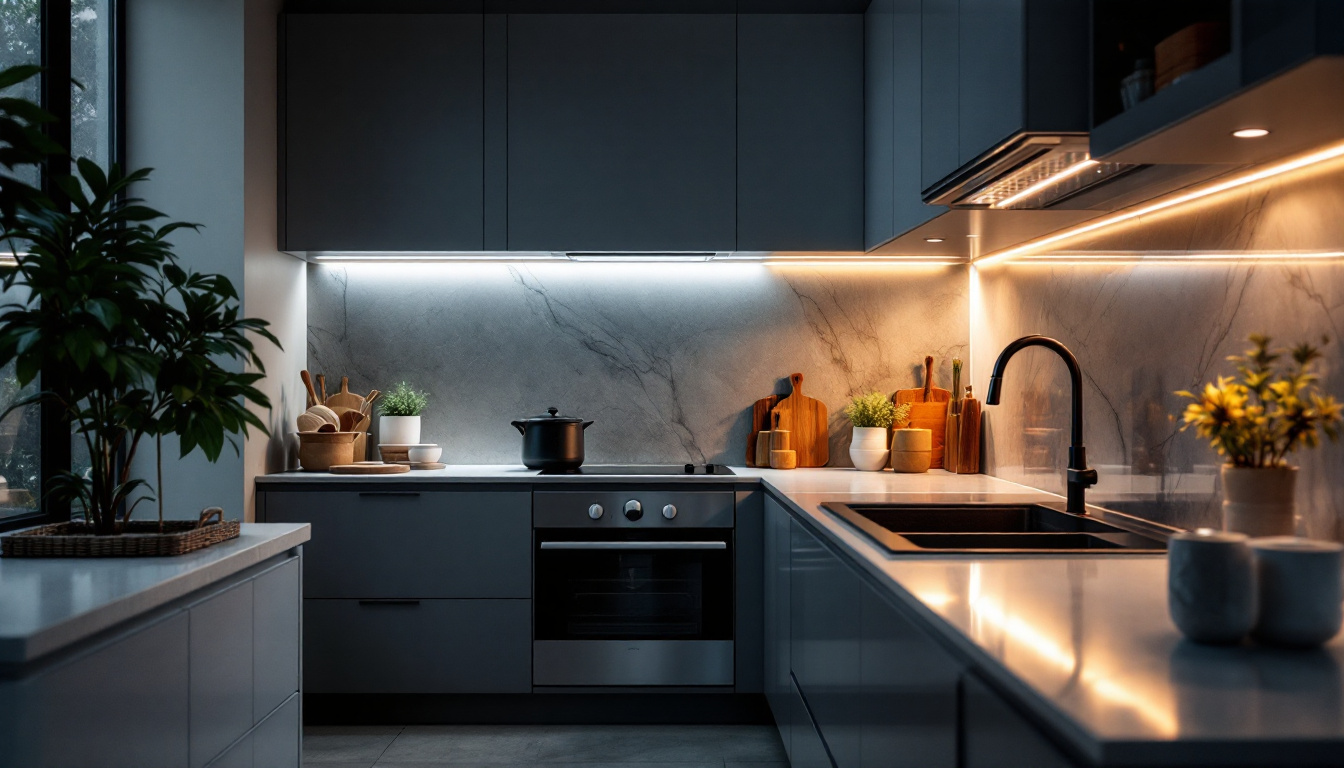
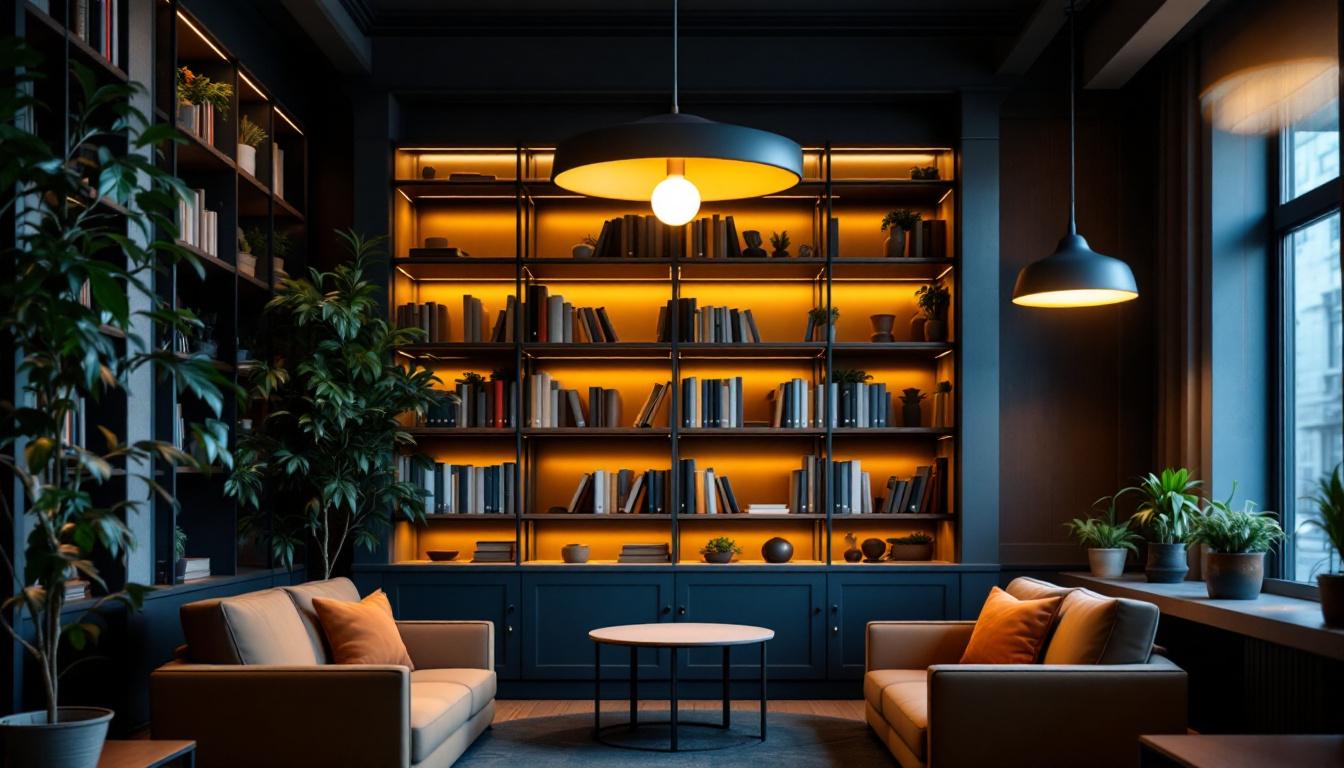
Introduction: The Importance of Proper Outdoor Patio Lighting
Outdoor lighting is more than just a functional necessity; it plays a pivotal role in enhancing the ambiance, safety, and usability of patio spaces. For lighting contractors, understanding the nuances of outdoor light fixtures on patios is essential to delivering installations that satisfy clients and stand the test of time. Mistakes in design, product selection, or installation can lead to costly callbacks, safety hazards, and dissatisfied customers.
This guide aims to highlight common pitfalls encountered by lighting contractors when working with outdoor patio fixtures and provide actionable advice to avoid them. By mastering these key areas, contractors can improve project outcomes, build stronger client relationships, and elevate their professional reputation.
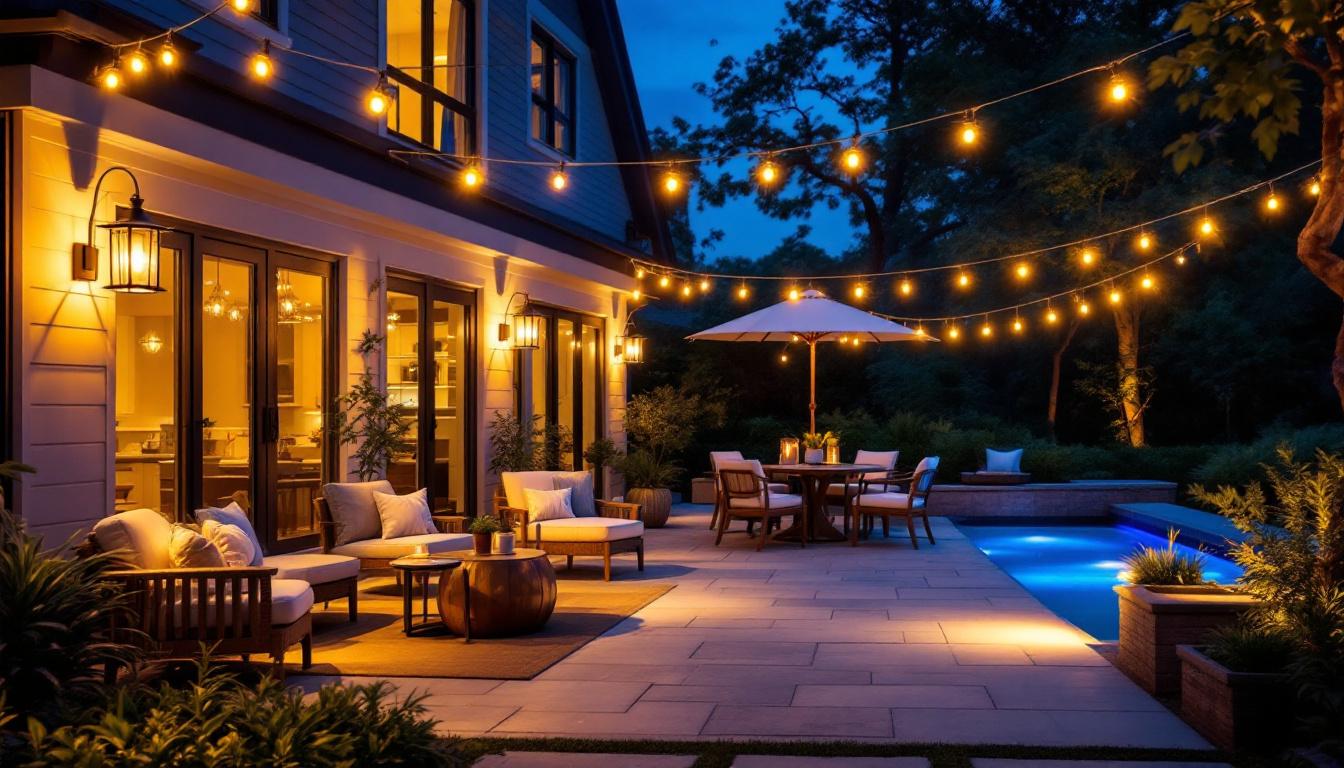
Moreover, the right outdoor lighting can transform a simple patio into an inviting oasis, perfect for entertaining guests or enjoying a quiet evening under the stars. The interplay of light and shadow can create a sense of depth and warmth, making outdoor spaces feel more like an extension of the home. Contractors should consider not only the aesthetic appeal of the fixtures but also how different types of lighting—such as ambient, task, and accent lighting—can work together to enhance the overall experience of the space. For instance, using soft, warm lights around seating areas can foster a cozy atmosphere, while brighter task lighting may be necessary for cooking or dining areas.
Furthermore, energy efficiency is an increasingly important consideration in outdoor lighting design. With advancements in LED technology, contractors have the opportunity to offer clients sustainable solutions that reduce energy consumption and lower utility bills. Incorporating smart lighting systems that allow for remote control and scheduling can also add a layer of convenience and security, making it easier for homeowners to manage their outdoor spaces. As clients become more environmentally conscious, presenting options that align with their values can set contractors apart in a competitive market.
Choosing the Right Outdoor Light Fixtures for Patios
Understanding Fixture Types and Their Purposes
One of the most frequent mistakes contractors make is selecting inappropriate fixture types for the patio environment. Outdoor patios typically require a combination of ambient, task, and accent lighting. For instance, wall sconces and post lights provide general illumination, while recessed lighting or adjustable spotlights can highlight architectural features or landscaping. The right balance of these lighting types can create a welcoming atmosphere, making patios more functional and enjoyable for gatherings or quiet evenings.
Contractors should carefully assess the patio’s layout, usage patterns, and client preferences before recommending fixtures. Selecting fixtures designed specifically for outdoor use, with appropriate weatherproof ratings such as IP65 or higher, ensures durability and safety. Additionally, considering the height and placement of fixtures is crucial; too high can diminish the light’s effectiveness, while too low can create harsh shadows. Thoughtful planning can lead to a beautifully lit space that enhances the outdoor experience.
Material and Finish Considerations
Outdoor fixtures are exposed to elements like moisture, UV rays, and temperature fluctuations. Using materials like marine-grade aluminum, stainless steel, or brass can prevent corrosion and extend fixture lifespan. Additionally, finishes with UV-resistant coatings help maintain aesthetic appeal over time. Choosing the right color and texture can also play a significant role in how well the fixtures blend with the surrounding environment, whether it’s a rustic wooden deck or a sleek modern patio.
Ignoring these factors can lead to premature fixture degradation, which not only disappoints clients but also increases maintenance costs and liability risks. Moreover, the choice of materials can influence the overall design theme of the patio. For example, rustic bronze fixtures can complement a natural stone patio, while sleek, minimalist designs in matte black or white can enhance a contemporary outdoor space. By aligning the material and finish with the desired aesthetic, contractors can create cohesive and visually appealing outdoor environments that clients will love.
Installation Mistakes That Compromise Safety and Functionality
Improper Wiring and Electrical Safety
Electrical safety is paramount in outdoor lighting installations. A common error is neglecting to use outdoor-rated wiring and connectors, which can lead to water ingress and short circuits. Contractors must ensure all wiring complies with local electrical codes and use ground-fault circuit interrupters (GFCIs) to prevent electrical shocks.
Moreover, securing wiring properly and protecting it from physical damage prevents future failures. Conducting thorough inspections and tests before project completion is essential to verify safety and functionality. In addition, it’s crucial to consider the environmental factors that can affect wiring longevity. For instance, exposure to extreme temperatures, UV rays, and moisture can deteriorate materials over time. Using UV-resistant cables and ensuring proper burial depth for underground wiring can significantly enhance the durability of the installation. Regular maintenance checks after installation can also help identify any potential issues before they escalate into safety hazards.
Incorrect Fixture Placement and Spacing
Lighting placement significantly affects both aesthetics and usability. Placing fixtures too close together can cause glare and uneven lighting, while spacing them too far apart results in dark spots and inadequate illumination. Contractors should leverage lighting design principles, such as the inverse square law and beam spread calculations, to optimize fixture layout.
For patios, maintaining a balance between brightness and comfort is crucial. For example, pathway lights should be spaced to create a continuous visual guide without overwhelming brightness, while overhead fixtures should avoid casting harsh shadows on seating areas. Furthermore, considering the height and angle of fixtures can enhance the overall effect. Wall-mounted sconces can provide ambient light while also serving as decorative elements, and strategically placed uplights can highlight architectural features or landscaping, creating a layered lighting effect that adds depth and interest to outdoor spaces. By thoughtfully planning the placement and type of fixtures, contractors can create a harmonious environment that is both functional and visually appealing.
Design and Aesthetic Errors That Undermine Client Satisfaction
Ignoring the Client’s Style and Preferences
Lighting contractors sometimes focus solely on technical aspects, overlooking the client’s desired style and atmosphere. Whether the client prefers a modern minimalist look or a rustic, cozy vibe, the lighting design should complement the overall patio decor and architecture. This alignment not only enhances the visual appeal of the space but also creates an environment where clients feel comfortable and at home. A well-designed lighting scheme can transform an ordinary patio into an inviting outdoor oasis, making it the perfect spot for gatherings or quiet evenings.
Engaging clients in the design process, presenting fixture options with visual aids, and discussing lighting effects can help align expectations and ensure satisfaction. Utilizing mood boards or 3D renderings can provide clients with a clearer vision of how different lighting options will interact with their existing decor. Additionally, soliciting feedback throughout the design phase allows for adjustments that reflect the client’s personal taste, ensuring that the final result is a true reflection of their style.
Overlooking Energy Efficiency and Sustainability
With growing emphasis on green building practices, energy-efficient lighting is a priority for many clients. Failing to recommend LED fixtures or smart lighting controls not only increases operational costs but also misses an opportunity to add value. Clients today are more informed than ever about the impact of their choices on the environment, and they often seek solutions that contribute to sustainability. By prioritizing energy-efficient options, contractors can position themselves as forward-thinking professionals who care about both their clients and the planet.
Contractors should educate clients on the benefits of energy-efficient fixtures, including lower energy bills, reduced maintenance, and environmental impact. Incorporating dimmers, timers, and motion sensors can further optimize energy use and enhance user experience. Moreover, discussing the long-term savings associated with energy-efficient lighting can be a persuasive selling point. Clients may be pleasantly surprised to learn that investing in quality fixtures now can lead to significant savings over time, making their outdoor spaces not only beautiful but also cost-effective in the long run. By highlighting these advantages, contractors can foster a sense of trust and partnership with their clients, reinforcing the importance of thoughtful, sustainable design choices.
Maintenance and Longevity: Planning for the Future
Neglecting Accessibility for Maintenance
Outdoor light fixtures require periodic cleaning, bulb replacement, and electrical checks. Installing fixtures in hard-to-reach locations complicates maintenance and may discourage clients from proper upkeep, leading to fixture failure.
Contractors should prioritize accessibility during installation, considering factors like mounting height and clearance. Providing clients with maintenance guidelines and schedules also promotes fixture longevity.
Failing to Use Quality Components and Accessories
Using substandard bulbs, connectors, or mounting hardware can shorten the lifespan of the lighting system. Contractors should source components from reputable manufacturers and avoid cutting corners to reduce upfront costs.
Quality components contribute to consistent performance, reduce the frequency of repairs, and enhance the overall client experience.
Conclusion: Elevating Outdoor Patio Lighting Through Expertise
Outdoor patio lighting is a specialized field that demands attention to detail, technical knowledge, and an understanding of client needs. By avoiding common mistakes related to fixture selection, installation, design, and maintenance, lighting contractors can deliver superior results that enhance outdoor living spaces.
Investing time in planning, adhering to safety standards, and embracing energy-efficient technologies not only benefits clients but also strengthens the contractor’s professional standing. Ultimately, thoughtful outdoor lighting transforms patios into inviting, functional, and beautiful environments that clients will enjoy for years to come.
Get Your Premium Patio Lighting Fixtures at LumenWholesale
Ready to elevate your outdoor patio projects with the highest quality lighting fixtures? Look no further than LumenWholesale. We provide lighting contractors with spec-grade products that combine durability and design excellence, all at unbeatable wholesale prices. Say goodbye to local distributor markups and hello to a vast selection of industry-standard lighting solutions. Plus, with free shipping on bulk orders, you can stock up on everything you need without worrying about extra costs. Make your next patio lighting project shine with the perfect blend of quality, affordability, and convenience. Wholesale Lighting at the Best Value is just a click away.