Introduction to Outdoor Flood Light Fixtures
Outdoor flood lights are an essential component in the toolkit of any lighting contractor. These fixtures serve multiple purposes—from enhancing security and safety to accentuating architectural features and creating ambiance in outdoor spaces. Understanding the science behind outdoor flood light fixtures is not just about knowing how to install them but also about grasping the technical principles that govern their performance, efficiency, and longevity.
For lighting contractors, a deep comprehension of these elements ensures that installations meet client expectations, comply with regulations, and optimize energy consumption. This article explores the critical scientific concepts and practical considerations that underpin outdoor flood lighting, providing valuable insights for professionals in the field.
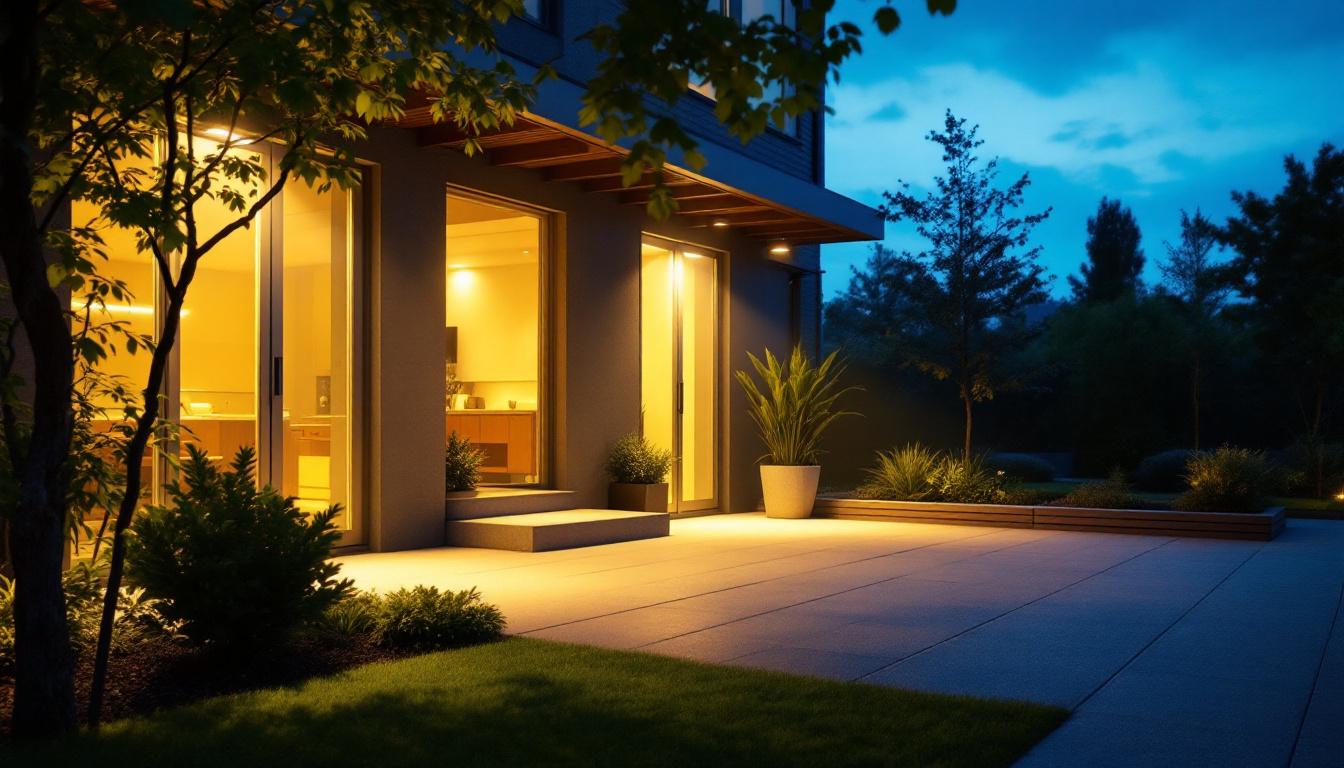
One of the key aspects to consider when selecting outdoor flood light fixtures is the type of lighting technology used. Traditional incandescent bulbs, while providing warm light, are becoming less common due to their inefficiency and shorter lifespan. In contrast, LED flood lights have surged in popularity, offering a longer operational life and lower energy consumption. They also produce less heat, making them safer for prolonged use in outdoor settings. Moreover, many LED fixtures come with dimming capabilities and color temperature options, allowing contractors to tailor the lighting to suit various environments—from bright, daylight-like illumination for security purposes to softer tones for creating a cozy outdoor atmosphere.
Another important factor is the flood light’s beam angle, which determines how widely the light is distributed across a given area. A narrow beam angle is ideal for highlighting specific features, such as a statue or architectural detail, while a wider beam angle is better suited for illuminating larger spaces, such as parking lots or backyards. Understanding the intended application and the specific needs of the client will guide contractors in selecting the right beam angle and fixture type, ultimately enhancing the effectiveness of the lighting installation. Additionally, advancements in smart lighting technology are paving the way for more sophisticated outdoor flood light systems that can be controlled remotely, programmed for specific schedules, and integrated with security systems, further elevating the functionality of these essential fixtures.
Fundamentals of Outdoor Flood Lighting
What Defines a Flood Light?
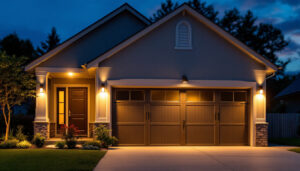
Flood lights are broad-beamed, high-intensity artificial lights designed to illuminate large areas uniformly. Unlike spotlights, which focus light on a narrow area, flood lights disperse light over wide angles, typically between 60 and 120 degrees. This characteristic makes them ideal for outdoor applications such as parking lots, building facades, sports fields, and security perimeters.
The core function of a flood light is to deliver sufficient luminous flux to the target area while minimizing glare and light pollution. Achieving this balance requires a combination of appropriate lamp selection, fixture design, and optical engineering.
Types of Light Sources Used in Flood Lights
Lighting contractors encounter various light sources in outdoor flood fixtures, each with unique properties:
- LED (Light Emitting Diode): LEDs are the most prevalent choice today due to their energy efficiency, long lifespan, and durability. They provide instant illumination and can be engineered to emit specific color temperatures.
- Metal Halide: These lamps produce bright, white light with good color rendering but have shorter lifespans and higher energy consumption compared to LEDs.
- High-Pressure Sodium (HPS): Known for their warm yellow-orange glow, HPS lamps are energy-efficient but have poor color rendering, which can be a drawback in certain applications.
- Halogen: Less common in flood lighting due to lower efficiency and heat generation, halogen lamps are sometimes used for temporary or specialized lighting needs.
Understanding these options allows contractors to recommend the best solution based on client needs, environmental conditions, and budget constraints.
Optical Science and Fixture Design
Beam Angle and Light Distribution
One of the most critical aspects of flood light design is the beam angle, which determines how light is spread across the target area. A wider beam angle covers a larger area but with lower intensity, while a narrower beam angle delivers concentrated light over a smaller space.
Lighting contractors must select fixtures with beam angles suited to the application. For example, a 60-degree beam angle might be ideal for highlighting a building façade, whereas a 120-degree beam angle is better for illuminating a parking lot.
Reflectors and Lenses
Reflectors and lenses inside flood light fixtures play a pivotal role in shaping the light output. Reflectors direct and focus light, enhancing efficiency by minimizing wasted light. Lenses, often made from tempered glass or polycarbonate, protect the lamp and can further control the beam pattern.
Advanced optical designs incorporate multi-faceted reflectors or prismatic lenses to achieve uniform illumination and reduce glare. For contractors, understanding these components helps in selecting fixtures that meet specific lighting criteria and comply with local ordinances on light pollution.
Color Temperature and Color Rendering Index (CRI)
Color temperature, measured in Kelvin (K), affects the appearance and mood of outdoor lighting. Flood lights typically range from warm white (2700K-3000K) to cool white (5000K-6500K). Cooler temperatures are often preferred for security lighting because they enhance visibility, while warmer tones are favored for aesthetic or residential applications.
CRI measures how accurately a light source reveals the colors of objects compared to natural light. A higher CRI (above 80) is desirable for applications where color differentiation is important, such as retail storefronts or architectural lighting.
Electrical and Thermal Considerations
Power Consumption and Efficiency
Energy efficiency is a paramount concern in outdoor flood lighting. LEDs have revolutionized this field by offering significantly lower wattage consumption for equivalent or superior light output compared to traditional lamps. For example, a 100-watt LED flood light can replace a 400-watt metal halide fixture, resulting in substantial energy savings and lower operating costs.
Lighting contractors must be adept at calculating the total power requirements for a project, considering factors such as fixture wattage, quantity, and operating hours. This knowledge enables them to design systems that optimize energy use and comply with energy codes.
Heat Dissipation and Fixture Longevity
Heat management is critical to the performance and durability of outdoor flood lights, especially LEDs. Excess heat can degrade the semiconductor materials inside LEDs, reducing lifespan and causing color shifts.
Fixtures often incorporate heat sinks made from aluminum or other thermally conductive materials to dissipate heat effectively. Proper installation ensuring adequate airflow around fixtures also contributes to thermal management. Lighting contractors should evaluate fixture design and installation environment to prevent overheating and ensure long-term reliability.
Voltage and Surge Protection
Outdoor flood lights are exposed to voltage fluctuations and electrical surges caused by lightning or grid instability. These events can damage sensitive electronic components, leading to premature failure.
Incorporating surge protectors and selecting fixtures with built-in voltage regulation helps mitigate these risks. Contractors should also ensure proper grounding and follow electrical codes to enhance system resilience.
Installation Best Practices and Safety Standards
Site Assessment and Fixture Placement
Effective outdoor flood lighting starts with a thorough site assessment. Contractors need to evaluate the area’s size, layout, and purpose to determine optimal fixture placement. Factors such as mounting height, aiming angle, and spacing affect light distribution and uniformity.
For security applications, lighting should eliminate dark spots and shadows without causing glare that could impair vision. In architectural lighting, highlighting key features without overwhelming the structure is essential.
Compliance with Codes and Regulations
Lighting contractors must be familiar with local, state, and national codes governing outdoor lighting. These regulations often address issues such as light trespass, glare, and energy efficiency. For instance, many jurisdictions require shielding to prevent light from spilling onto neighboring properties or the night sky.
Adhering to standards such as the Illuminating Engineering Society (IES) guidelines ensures installations meet safety and performance benchmarks. Non-compliance can result in fines, client dissatisfaction, and the need for costly rework.
Environmental and Sustainability Considerations
Environmental impact is increasingly important in outdoor lighting projects. Excessive or poorly designed flood lighting contributes to light pollution, disrupting ecosystems and wasting energy.
Contractors can promote sustainability by selecting fixtures with high efficacy, incorporating timers or motion sensors to reduce operating hours, and using warm color temperatures to minimize wildlife disturbance. These practices not only benefit the environment but also align with growing client demand for green solutions.
Emerging Technologies and Trends
Smart Lighting and Controls
The integration of smart technology into outdoor flood lighting is transforming the industry. Wireless controls, dimming capabilities, and programmable schedules enable precise management of lighting systems, enhancing energy savings and adaptability.
Lighting contractors should stay informed about these advancements to offer clients modern solutions that improve functionality and reduce operational costs. For example, motion-activated flood lights can provide security lighting only when needed, significantly cutting energy use.
Advances in LED Technology
Ongoing improvements in LED chip design, phosphor materials, and thermal management continue to enhance the performance of outdoor flood lights. Higher lumen outputs, better color rendering, and longer lifespans are now achievable at lower costs.
Contractors who keep pace with these developments can recommend cutting-edge products that deliver superior results and greater client satisfaction.
Integration with Renewable Energy
Combining outdoor flood lighting with renewable energy sources such as solar panels is gaining traction. Solar-powered flood lights offer independence from the electrical grid, reducing installation complexity and operating expenses.
While solar solutions may have limitations in terms of brightness and runtime, advances in battery technology and energy-efficient LEDs are expanding their viability. Lighting contractors should evaluate site conditions and client priorities to determine when solar-powered flood lighting is appropriate.
Conclusion: Mastering the Science for Superior Installations
For lighting contractors, mastering the science behind outdoor flood light fixtures is fundamental to delivering high-quality, efficient, and compliant lighting solutions. From understanding light sources and optical design to managing electrical and thermal factors, each aspect influences the success of an installation.
By applying scientific principles alongside practical experience, contractors can optimize lighting performance, enhance safety and aesthetics, and meet the evolving demands of clients and regulations. Staying informed about emerging technologies and sustainability practices further positions contractors as trusted experts in the competitive outdoor lighting market.
Illuminate Your Projects with LumenWholesale
Ready to elevate your lighting installations with the science and expertise you’ve just mastered? Choose LumenWholesale for your next project and experience the difference that quality and value can make. Our spec-grade lighting products are designed to meet the highest industry standards, ensuring that every installation shines with reliability and performance. With unbeatable wholesale prices and the convenience of free shipping on bulk orders, you can trust LumenWholesale to provide premium lighting solutions that are as cost-effective as they are exceptional. Don’t settle for less—visit Wholesale Lighting at the Best Value and bring superior lighting to your clients today.