Understanding the Importance of Outdoor Ceiling Fans with Lighting
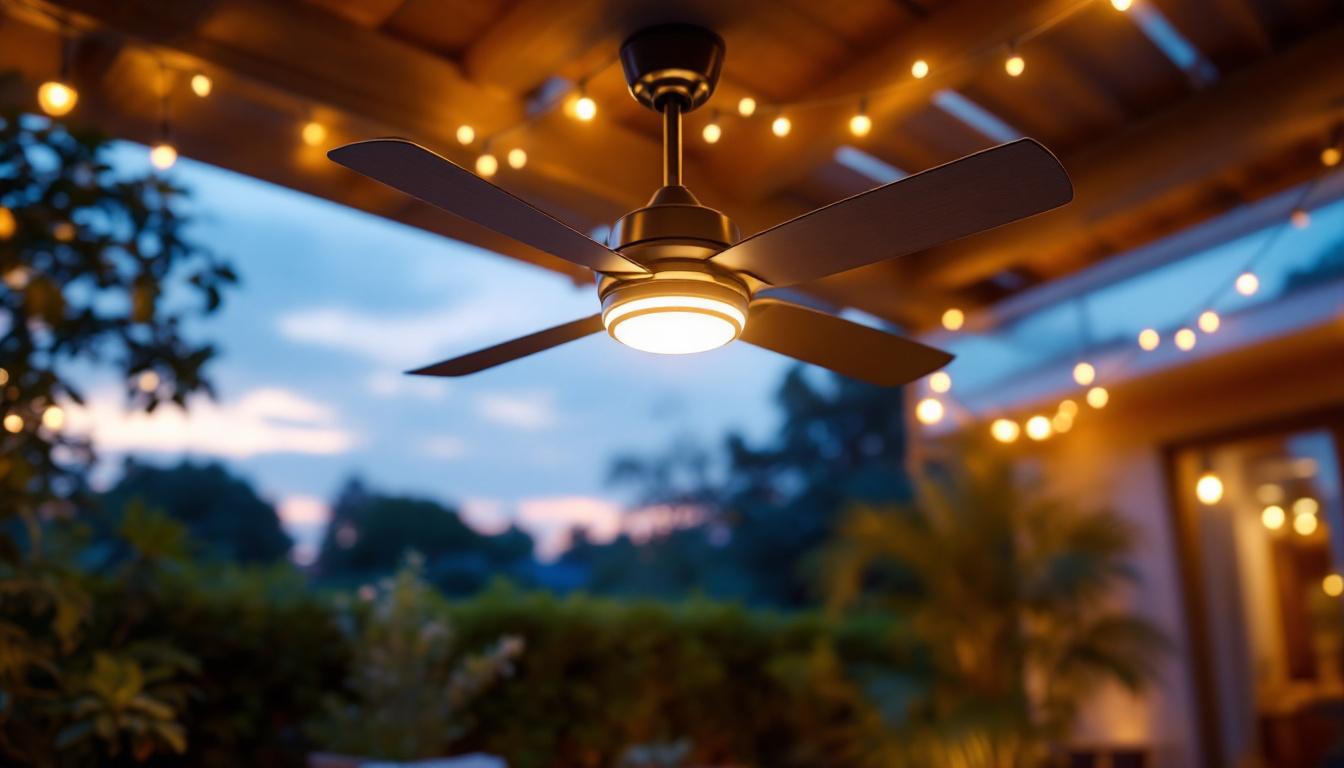
Outdoor ceiling fans with lighting have become an essential component in modern exterior design, combining functionality with aesthetic appeal. For lighting contractors, mastering the installation and integration of these fixtures is crucial to meeting client expectations and enhancing outdoor living spaces.
These fans not only provide airflow to improve comfort during warmer months but also offer illumination that extends the usability of patios, porches, and other outdoor areas after dark. The dual functionality means contractors must consider both electrical and mechanical aspects, ensuring safety, durability, and efficiency.
Furthermore, outdoor environments pose unique challenges such as exposure to moisture, temperature fluctuations, and wind. Selecting and installing fans that can withstand these conditions while delivering reliable performance is a key skill for lighting professionals.
In addition to their practical benefits, outdoor ceiling fans with lighting can significantly elevate the ambiance of outdoor spaces. With a variety of styles, finishes, and light options available, contractors can help homeowners choose fixtures that complement their existing decor and enhance the overall aesthetic appeal of their outdoor areas. Whether it’s a sleek modern design or a rustic farmhouse look, the right fan can serve as a focal point, drawing attention and creating a welcoming atmosphere for gatherings and relaxation.
Moreover, energy efficiency is a growing concern for many homeowners, making the selection of outdoor ceiling fans with LED lighting particularly relevant. These energy-efficient options not only reduce electricity bills but also contribute to a more sustainable lifestyle. Contractors who are knowledgeable about the latest advancements in energy-efficient technology can provide valuable guidance to clients, helping them make informed choices that align with their environmental values while still enjoying the comfort and style of well-lit outdoor spaces.
Key Considerations When Selecting Outdoor Ceiling Fans with Lighting
Weather Resistance and Durability
One of the primary factors lighting contractors must evaluate is the fan’s ability to resist weather elements. Outdoor-rated fans typically carry UL or ETL listings for damp or wet locations, which guarantees they can handle humidity, rain, and dust.
Fans rated for wet locations are designed with sealed motors and corrosion-resistant materials such as stainless steel or specially coated metals. These features prevent rust and electrical failures, which are common issues in outdoor installations. Furthermore, the design of the fan should include features like water-resistant wiring and protective coverings that shield critical components from the elements, ensuring longevity and reliability even in the harshest conditions.
Lighting Options and Efficiency
Lighting contractors should prioritize fans equipped with energy-efficient LED lighting. LEDs offer longer lifespans and lower power consumption compared to traditional incandescent or fluorescent bulbs. Additionally, many modern fans come with dimmable LED modules, allowing for customizable ambiance.
Consideration should also be given to color temperature, as outdoor spaces often benefit from warmer light tones (2700K to 3000K) that create a welcoming atmosphere. Some fans provide adjustable color temperatures, which can be a selling point for clients seeking versatility. Moreover, integrating smart technology into outdoor ceiling fans can enhance user experience, enabling homeowners to control lighting settings and fan speeds remotely via smartphone apps or voice assistants, thereby adding an extra layer of convenience and energy management.
Blade Material and Design
Blade composition affects both performance and longevity. For outdoor use, blades made from materials such as ABS plastic, resin, or specially treated wood are preferred due to their resistance to warping and moisture damage.
Blade pitch and size also influence airflow capacity. Larger blades with a steeper pitch generate more airflow, which is important for open outdoor spaces. Lighting contractors should assess the area size and ceiling height to recommend the appropriate fan size and blade configuration. Additionally, the aesthetic design of the blades can play a significant role in enhancing the overall look of an outdoor area; options range from sleek modern designs to rustic styles that complement traditional architecture. This not only ensures functionality but also contributes to the visual appeal of patios, decks, or outdoor dining areas, making them more inviting for gatherings and relaxation.
Installation Best Practices for Outdoor Ceiling Fans with Lighting
Electrical Safety and Compliance
Ensuring electrical safety is paramount. Lighting contractors must adhere to local electrical codes and standards, including the National Electrical Code (NEC) guidelines for outdoor wiring. This includes using weatherproof electrical boxes, conduit, and GFCI-protected circuits to prevent electrical hazards. It’s also advisable to use outdoor-rated wiring, which is specifically designed to withstand the elements, ensuring longevity and reliability in various weather conditions.
Proper grounding and secure mounting are also critical. Outdoor fans are heavier and subject to wind forces, so mounting brackets and hardware must be rated for the fan’s weight and outdoor use. Additionally, it’s essential to check for any overhead obstructions, such as tree branches or power lines, that could pose a risk during installation or operation. Regular maintenance checks can help identify any wear and tear on the electrical components, ensuring ongoing safety and performance.
Wiring and Control Options
Modern outdoor ceiling fans often feature multiple control methods, including wall switches, remote controls, and smart home integration. Lighting contractors should discuss with clients their preferences for convenience and functionality. Smart fans can be integrated with home automation systems, allowing users to control the fan and lighting through their smartphones or voice commands, adding a layer of convenience and energy efficiency.
When wiring, it is essential to separate the fan and lighting circuits if independent control is desired. This allows users to operate the fan without the light or vice versa, enhancing usability. Furthermore, contractors should consider incorporating dimmer switches for the lighting, enabling clients to adjust brightness levels to suit different occasions, whether it’s for a cozy evening gathering or a bright, lively outdoor party.
Placement and Clearance
Proper placement ensures optimal airflow and lighting coverage. Fans should be installed with sufficient clearance from walls, beams, and other obstructions—typically at least 18 to 24 inches from any surface. This spacing not only maximizes airflow but also minimizes noise and vibration, creating a more pleasant outdoor environment. The angle of the fan blades should also be considered, as a steeper pitch can enhance airflow, making the fan more effective in cooling outdoor spaces.
Additionally, the fan blades should be at least 7 to 9 feet above the floor for safety and efficiency. For low ceilings or covered patios, low-profile or flush-mount fans may be necessary. It’s also beneficial to assess the overall design of the outdoor space; for instance, fans can be strategically placed over seating areas to provide a refreshing breeze, while also serving as a stylish focal point. Moreover, ensuring that the fan is aligned with the natural flow of air can significantly enhance its cooling effect, making outdoor gatherings more enjoyable even on warm days.
Maintenance Tips to Ensure Longevity and Performance
Routine Cleaning and Inspection
Outdoor ceiling fans accumulate dust, pollen, and debris more rapidly than indoor units. Regular cleaning of blades, motor housing, and light fixtures helps maintain performance and appearance.
Inspecting for signs of corrosion, loose hardware, or electrical issues during routine maintenance can prevent costly repairs and extend the fan’s lifespan.
Seasonal Adjustments
Many outdoor fans come with reversible motors, allowing for seasonal airflow adjustments. In warmer months, the fan should rotate counterclockwise to create a cooling breeze. During cooler months, switching to clockwise rotation helps circulate warm air trapped near the ceiling.
Lighting contractors can advise clients on these adjustments to maximize comfort year-round.
Replacing Bulbs and Components
While LED modules have long lifespans, eventual replacement may be necessary. Contractors should ensure that replacement parts are readily available and compatible with the installed fan model.
Additionally, lubricating moving parts and tightening hardware during maintenance visits can prevent operational issues.
Enhancing Client Satisfaction Through Professional Expertise
Offering Customized Solutions
Lighting contractors who understand the nuances of outdoor ceiling fans with lighting can tailor solutions to each client’s specific needs. This includes recommending fans that complement architectural styles, meet functional requirements, and fit budget constraints.
Providing options such as integrated smart controls, adjustable lighting, and energy-efficient models can differentiate contractors in a competitive market.
Educating Clients on Usage and Care
Clients often appreciate guidance on how to operate and maintain their outdoor fans effectively. Contractors can provide simple instructions on seasonal adjustments, cleaning routines, and troubleshooting common issues.
This proactive approach builds trust and encourages repeat business and referrals.
Staying Updated with Industry Trends
The outdoor lighting and ceiling fan market continually evolves with advancements in technology and design. Lighting contractors should stay informed about new products, installation techniques, and regulatory changes to offer cutting-edge solutions.
Participating in industry workshops, subscribing to trade publications, and networking with manufacturers can enhance a contractor’s expertise and reputation.
Conclusion
Outdoor ceiling fans with lighting are a valuable addition to exterior living spaces, offering comfort and illumination that extend usability and enjoyment. For lighting contractors, mastering the selection, installation, and maintenance of these fixtures is essential to delivering high-quality service.
By focusing on weather resistance, energy efficiency, proper installation, and client education, contractors can ensure optimal performance and customer satisfaction. Staying current with industry innovations further positions lighting professionals as trusted experts in outdoor lighting solutions.
Ultimately, the combination of technical skill and client-centric service will drive success in this specialized niche of lighting contracting.
Get Your Premium Outdoor Lighting at LumenWholesale
Ready to elevate your lighting projects with the finest outdoor ceiling fans with lighting? Look no further than LumenWholesale, where we provide lighting contractors with exceptional, spec-grade lighting products at unbeatable wholesale prices. Our extensive selection is designed to meet the highest industry standards, ensuring you deliver reliable and high-performance lighting to every outdoor space. Plus, with free shipping on bulk orders, you can enjoy premium lighting solutions at the best value — without hidden fees or compromises. Don’t settle for less; choose LumenWholesale for quality, affordability, and convenience. Wholesale Lighting at the Best Value is just a click away.