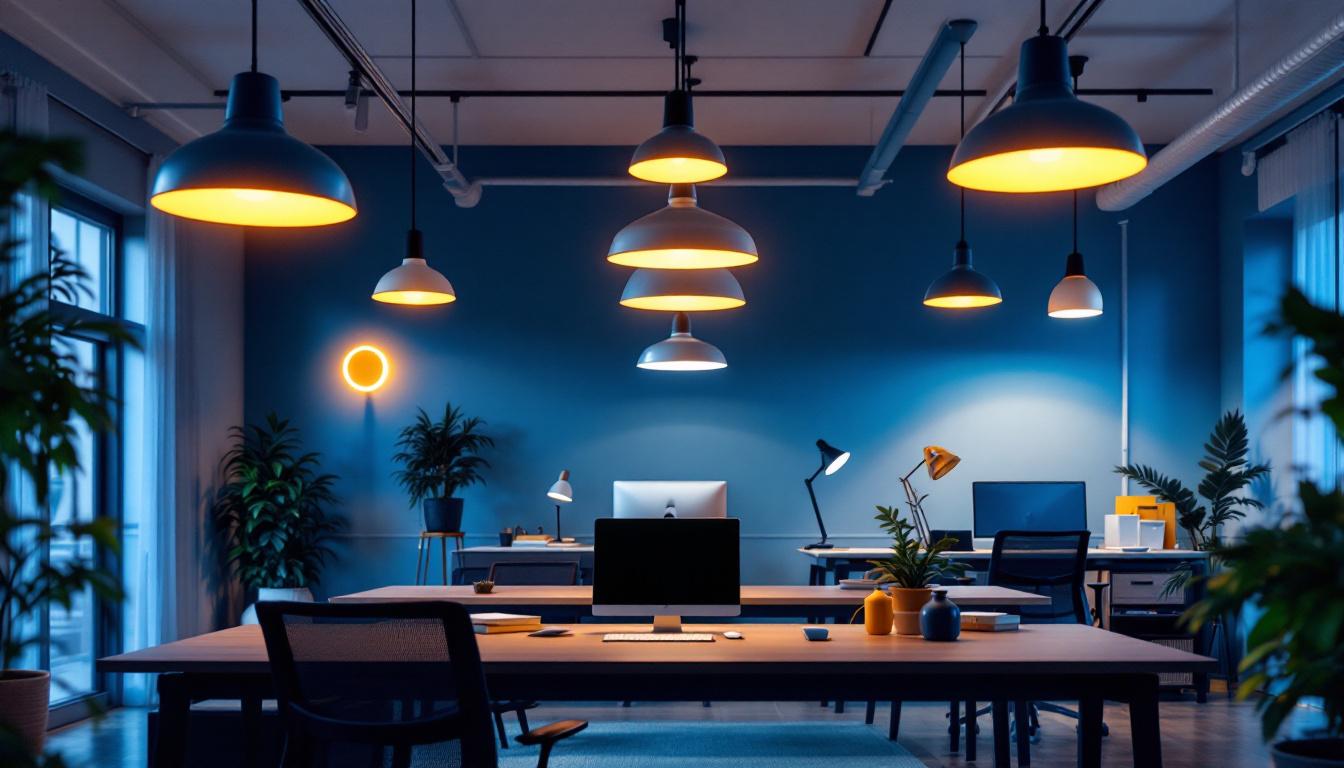
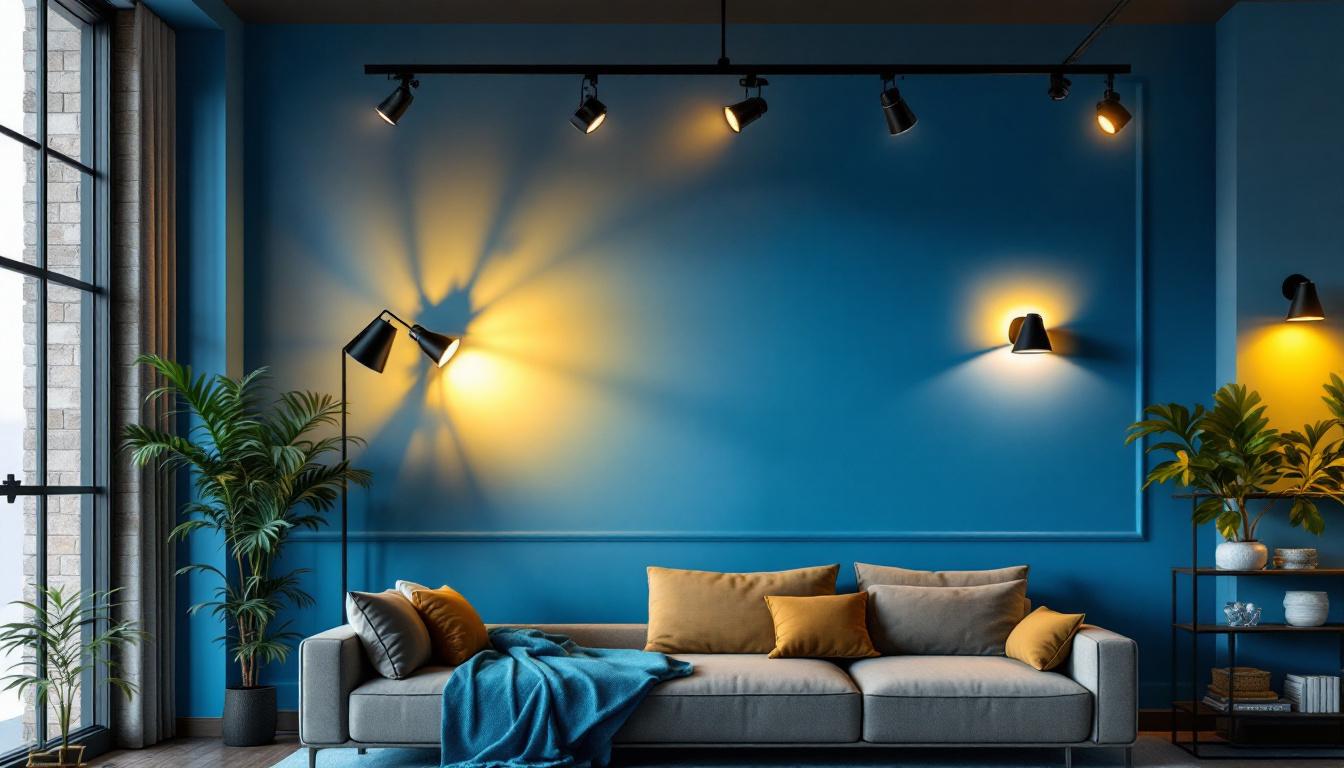
The Critical Role of Lighting in Office Environments
Lighting in office spaces is far more than just a functional necessity. It shapes the atmosphere, influences productivity, and even affects employee well-being. For lighting contractors, understanding these dynamics is essential to delivering solutions that meet client expectations and stand the test of time.
Studies show that well-designed lighting can reduce eye strain and headaches, improve concentration, and boost overall job satisfaction. Offices with poor lighting, on the other hand, often report increased fatigue and lower morale. This makes lighting a critical factor in workplace design, not merely a background detail.
Why Lighting Contractors Must Prioritize Office Lighting
As a lighting contractor, your expertise directly impacts how office spaces function daily. Clients rely on you to create environments that are both aesthetically pleasing and highly practical. The pressure to balance energy efficiency, cost, and comfort is immense. This is why specialized knowledge and a strategic approach to office lighting are indispensable.
Moreover, the type of lighting used can significantly influence the overall design of the office. For instance, natural light is often preferred, as it not only enhances mood but also fosters a sense of connection to the outside world. Incorporating large windows or skylights can create a more inviting atmosphere, but this must be balanced with the need for artificial lighting during overcast days or in windowless areas. The integration of smart lighting systems that adjust based on the time of day or occupancy can further optimize energy use while ensuring that employees have the right amount of light when they need it most.
In addition to aesthetics and energy efficiency, the psychological effects of lighting cannot be overlooked. Different types of lighting—such as warm versus cool tones—can evoke various emotional responses and influence behavior. For example, cooler lighting is often associated with alertness and focus, making it ideal for collaborative spaces, while warmer tones can create a more relaxed environment, suitable for break rooms or lounges. Understanding these nuances allows lighting contractors to tailor their designs to not only meet functional requirements but also to enhance the overall employee experience, fostering a culture of creativity and collaboration in the workplace.
Energy Efficiency and Cost Savings: The Contractor’s Advantage
Energy consumption in commercial buildings accounts for a significant portion of operational costs. Lighting often represents a large share of this expenditure. For contractors, recommending and installing energy-efficient lighting solutions is a win-win. Clients save money on utility bills, and contractors build reputations for delivering value. By focusing on energy efficiency, contractors not only enhance their service offerings but also contribute to a broader movement towards sustainability, which is increasingly important in today’s eco-conscious market.
LED technology has transformed office lighting, offering longer lifespans and drastically reduced energy consumption compared to traditional fluorescent or incandescent bulbs. Incorporating smart lighting controls such as occupancy sensors and daylight harvesting systems further enhances savings and sustainability. These advancements not only reduce energy costs but also minimize the environmental impact of commercial buildings, aligning with global efforts to combat climate change. As businesses seek to improve their sustainability credentials, contractors who are knowledgeable about these technologies can position themselves as essential partners in this transition.
Case Study: Transforming an Office with Smart Lighting
A mid-sized marketing firm recently upgraded its lighting system under the guidance of a knowledgeable contractor. By replacing outdated fixtures with LED panels and integrating motion sensors, the firm cut its lighting energy use by nearly 50%. The improved lighting quality also received positive feedback from employees, highlighting the dual benefits of efficiency and comfort. Not only did the new system reduce energy costs, but it also created a more inviting and productive work environment, which is crucial for retaining talent in a competitive industry.
Furthermore, the contractor provided ongoing support by offering maintenance services and performance monitoring for the new lighting system. This proactive approach ensured that the firm could maximize its energy savings over time. The contractor also educated the staff on how to utilize the smart controls effectively, empowering them to take charge of their workspace. This collaborative effort not only solidified the contractor’s relationship with the client but also showcased the long-term benefits of investing in energy-efficient solutions, reinforcing the idea that sustainability and profitability can go hand in hand.
Designing for Comfort and Productivity
Lighting contractors must consider more than just lumens and wattage. The quality of light—its color temperature, uniformity, and glare control—plays a pivotal role in occupant comfort. Offices demand lighting that supports various tasks, from computer work to meetings, without causing strain or distraction. The psychological impact of lighting is also significant; studies have shown that well-designed lighting can boost employee morale and productivity, creating an environment that fosters creativity and collaboration.
Warm white light can create a welcoming atmosphere in reception areas, while cooler, daylight-balanced lighting tends to enhance alertness in work zones. Layered lighting strategies that combine ambient, task, and accent lighting allow for flexibility and customization, catering to diverse office activities. By integrating natural light sources, such as large windows or skylights, designers can further enhance the workspace, promoting a connection to the outdoors that has been linked to improved well-being and job satisfaction.
Addressing Common Lighting Challenges in Offices
Glare from overhead fixtures or reflections on screens is a frequent complaint. Contractors can mitigate this by choosing diffused lighting options and carefully positioning fixtures. Flicker-free lighting is also essential to avoid headaches and eye discomfort, especially in environments where employees spend hours at their desks. Additionally, the use of adjustable task lighting can empower employees to tailor their individual workspaces to their specific needs, further reducing discomfort and enhancing focus.
Another challenge often faced in office lighting design is the balance between energy efficiency and adequate illumination. With the rise of energy-efficient LED technology, contractors have the opportunity to create sustainable lighting solutions that not only lower energy consumption but also provide high-quality light. Incorporating smart lighting controls, such as occupancy sensors and dimmers, can further optimize energy use while ensuring that spaces remain well-lit when needed. This approach not only contributes to a greener environment but also aligns with corporate sustainability goals, appealing to both employees and clients alike.
Compliance and Safety: Navigating Codes and Standards
Office lighting must comply with local building codes and occupational health standards. Lighting contractors need to stay current with regulations related to illumination levels, emergency lighting, and energy codes. Non-compliance can lead to costly rework, fines, or even legal liabilities. Moreover, the implications of inadequate lighting extend beyond mere compliance; poor lighting can adversely affect employee productivity and well-being, leading to decreased morale and increased absenteeism. Therefore, understanding and adhering to these regulations is not just about avoiding penalties; it’s about fostering a healthier and more efficient work environment.
Emergency lighting, in particular, is a critical safety feature. It ensures safe evacuation during power outages or emergencies. Contractors should specify and install reliable emergency fixtures that meet regulatory requirements and integrate seamlessly with the overall lighting design. These fixtures should be strategically placed to illuminate exit routes and high-traffic areas, ensuring that they are easily accessible and visible. Regular testing and maintenance of these emergency systems are essential to ensure they function correctly when needed, as even the best-designed systems can fail without proper upkeep.
Documentation and Client Education
Providing clients with clear documentation about lighting specifications, maintenance requirements, and compliance certifications builds trust and reduces future issues. Educating clients on the benefits of regular lighting audits and upgrades encourages proactive management of their office lighting systems. Such audits can identify outdated fixtures and recommend energy-efficient alternatives, which not only enhance the quality of light but also contribute to significant cost savings over time. Furthermore, educating clients about the latest advancements in smart lighting technology can empower them to make informed decisions that align with their sustainability goals, ultimately leading to a more environmentally friendly workplace.
Additionally, it is vital for contractors to maintain open lines of communication with clients throughout the project lifecycle. This includes discussing potential changes in regulations or advancements in lighting technology that may impact their systems. By fostering a collaborative relationship, contractors can help clients navigate the complexities of compliance and safety, ensuring that their office lighting not only meets current standards but also anticipates future needs. This proactive approach not only enhances safety and efficiency but also positions contractors as trusted advisors in the ever-evolving landscape of office lighting solutions.
Leveraging Technology to Stay Ahead
Technology continues to revolutionize office lighting. From IoT-enabled fixtures to advanced control systems, contractors who embrace innovation can offer clients smarter, more adaptable solutions. These technologies enable real-time monitoring, remote adjustments, and data-driven insights into energy usage and occupant behavior.
Integrating lighting with building management systems (BMS) enhances overall facility efficiency. Contractors who understand these integrations become invaluable partners in creating modern, sustainable office environments.
Training and Skill Development
Continuous learning is vital. Lighting contractors should seek training on emerging technologies and software tools. Certifications in energy management or lighting design can differentiate professionals in a competitive market and open doors to larger, more complex projects.
Building Relationships and Reputation
Office lighting projects often lead to long-term relationships with clients. Satisfied customers are likely to request ongoing maintenance, upgrades, or new installations as their needs evolve. Delivering quality workmanship, timely service, and expert advice fosters loyalty and referrals.
Reputation in the lighting contracting field hinges on reliability and expertise. Contractors who demonstrate a deep understanding of office lighting challenges and solutions position themselves as trusted advisors rather than just service providers.
Marketing Your Expertise
Showcasing successful office lighting projects through case studies, testimonials, and professional portfolios can attract new business. Engaging with architects, interior designers, and facility managers expands your network and opportunities. Being visible at industry events and online platforms also helps build credibility.
Final Thoughts
Office lighting is a specialized field requiring a blend of technical knowledge, design sensibility, and client communication skills. Lighting contractors who invest in understanding the unique demands of office environments position themselves for success. From energy savings to occupant comfort and regulatory compliance, the benefits of expert office lighting solutions are clear.
Staying current with technology and industry trends, prioritizing client education, and building strong relationships are key strategies. When office lights are thoughtfully designed and expertly installed, everyone benefits-contractors, clients, and the people who work under those lights every day.
Illuminate Your Projects with LumenWholesale
Ready to elevate your office lighting projects to new heights of efficiency and design? At LumenWholesale, we provide lighting contractors with the superior, spec-grade lighting products you need at unbeatable wholesale prices. Say goodbye to middleman markups and hello to a vast selection of industry-standard lighting solutions that promise reliability and high performance for any office environment. Plus, with free shipping on bulk orders, you can enjoy the best value without any hidden fees. Make the smart choice for quality, affordability, and convenience. Visit LumenWholesale today and discover Wholesale Lighting at the Best Value for your next project.