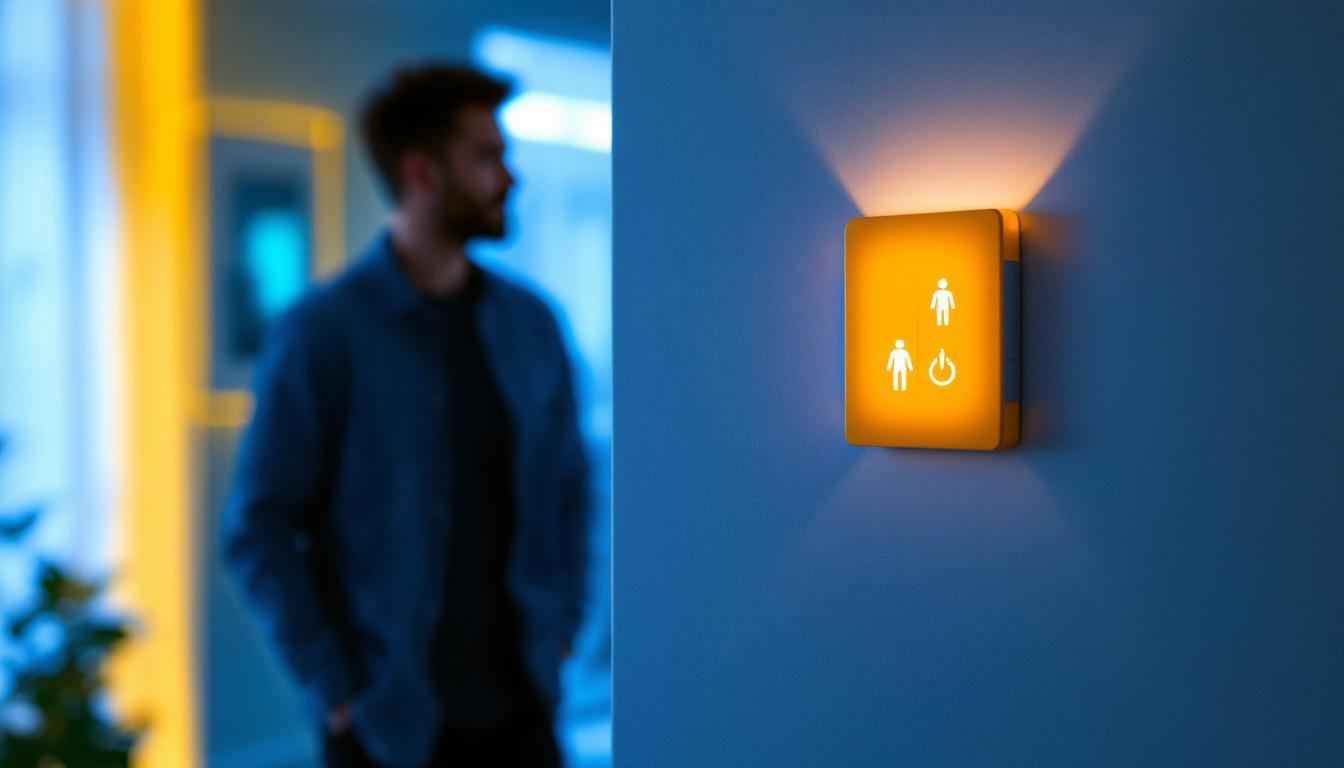
Understanding Occupancy Switches: A Key Component in Modern Lighting Systems
Occupancy switches, also known as occupancy sensors or motion sensors, have become an integral part of contemporary lighting installations. These devices automatically detect the presence of individuals in a space and control lighting accordingly, turning lights on when a room is occupied and off when it is vacant. For lighting contractors, understanding the functionality and benefits of occupancy switches is essential—not only for energy efficiency but also for enhancing safety in various environments.
At their core, occupancy switches use technologies such as infrared sensors, ultrasonic waves, or a combination of both to monitor movement. When motion is detected, the switch activates the lighting system, ensuring that illumination is available only when needed. This intelligent control reduces unnecessary energy consumption and extends the lifespan of lighting fixtures.
Moreover, the implementation of occupancy switches can significantly contribute to the overall design and functionality of a space. In commercial settings, such as offices and conference rooms, these sensors can help maintain a professional atmosphere by ensuring that lights are appropriately adjusted based on occupancy levels. This not only enhances the comfort of employees and visitors but also fosters a more productive work environment. Additionally, in residential applications, occupancy switches can be particularly beneficial in areas like hallways, bathrooms, and garages, where users may have their hands full or be preoccupied, allowing for seamless transitions without the need to fumble for light switches.
Furthermore, the integration of occupancy switches with smart home systems is becoming increasingly popular. Homeowners can now control their lighting remotely or set specific schedules that align with their daily routines. For instance, a family might program the system to turn on the lights in the living room when they arrive home in the evening, creating a welcoming atmosphere. Additionally, advanced occupancy sensors can differentiate between human and pet movement, preventing unnecessary activations and ensuring that the lighting system operates efficiently. This level of sophistication not only enhances convenience but also contributes to energy savings, making occupancy switches a smart choice for modern living.
Enhancing Safety Through Occupancy Switches
Reducing Risks of Accidents and Injuries
One of the primary safety benefits of occupancy switches is their ability to provide immediate illumination in areas where people are present. In commercial buildings, warehouses, stairwells, and corridors, sudden darkness can lead to slips, trips, and falls—common causes of workplace injuries. By automatically activating lights upon entry, occupancy switches eliminate the hazard of navigating dark spaces.
For instance, in stairwells or emergency exit routes, occupancy switches ensure that these critical pathways are well-lit only when needed. This not only conserves energy but also guarantees safe passage during emergencies or routine use. Lighting contractors who integrate these switches into installations help clients meet safety codes and reduce liability risks. Furthermore, the integration of occupancy switches can lead to significant cost savings over time, as they reduce the amount of energy consumed by lighting systems, allowing businesses to allocate resources more efficiently. The technology can be further enhanced with smart sensors that adjust the brightness based on the time of day or the level of natural light available, further optimizing energy use while maintaining safety standards.
Supporting Emergency Situations and Security
Occupancy switches also contribute to enhanced security measures. In areas such as parking garages, storage rooms, or building perimeters, the sudden activation of lights upon detecting movement can deter unauthorized access or criminal activity. This immediate illumination alerts occupants and security personnel to potential intruders, improving overall safety.
Moreover, in emergency scenarios like power outages or evacuations, occupancy switches can be linked with backup power systems to ensure critical areas remain illuminated when people are present. This functionality supports safe evacuation and assists first responders in navigating the premises effectively. In addition, the integration of occupancy switches with advanced security systems can provide real-time alerts to security teams, enabling them to respond swiftly to any unusual activity. The synergy between lighting control and security measures not only enhances the safety of the environment but also fosters a sense of security among employees and visitors alike, making them feel more comfortable in their surroundings.
Energy Efficiency and Safety: A Dual Advantage
Minimizing Human Error in Lighting Control
Manual lighting controls often rely on occupants remembering to turn lights off, which can be inconsistent and lead to wasted energy or unsafe conditions. Occupancy switches automate this process, reducing the likelihood of human error. Lighting contractors can reassure clients that these systems maintain appropriate lighting levels without requiring constant user intervention.
In environments where lighting is crucial for safety—such as healthcare facilities, manufacturing plants, or schools—this automation ensures that lights are never inadvertently left off when needed, nor left on unnecessarily. The result is a safer environment that also supports sustainability goals. Furthermore, these systems can be integrated with advanced technologies like smart building management systems, allowing for real-time monitoring and adjustments based on occupancy patterns. This not only enhances energy savings but also provides valuable data that can inform future design and operational decisions.
Compliance with Building Codes and Standards
Many building codes and energy standards now mandate or recommend the use of occupancy sensors in specific applications, particularly in commercial and institutional buildings. These regulations aim to promote energy conservation while maintaining occupant safety. Lighting contractors who incorporate occupancy switches into their designs help clients achieve compliance, avoid penalties, and enhance building performance.
For example, standards such as ASHRAE 90.1 and the International Energy Conservation Code (IECC) often require occupancy sensors in offices, conference rooms, and restrooms. Adhering to these guidelines not only improves safety but also positions contractors as knowledgeable and reliable professionals in the industry. Additionally, staying updated on evolving codes and standards can provide contractors with a competitive edge, allowing them to offer innovative solutions that not only meet but exceed regulatory requirements. This proactive approach can lead to long-term partnerships with clients who value compliance as a key component of their operational strategy.
Practical Considerations for Lighting Contractors
Choosing the Right Occupancy Switch for the Application
Selecting the appropriate occupancy switch technology depends on the specific environment and use case. Passive infrared (PIR) sensors are effective in detecting body heat and motion in enclosed spaces, making them suitable for offices and restrooms. Ultrasonic sensors emit sound waves and detect motion through reflections, ideal for areas with obstacles or where line-of-sight is limited.
Hybrid sensors that combine both PIR and ultrasonic technologies offer enhanced detection accuracy and reduce false triggers. Lighting contractors should evaluate the characteristics of the installation site, including room size, layout, and typical occupant behavior, to recommend the most effective sensor type.
Installation Best Practices to Maximize Safety Benefits
Proper installation is critical to ensuring occupancy switches function as intended. Sensors should be positioned to cover all entry points and high-traffic areas without blind spots. Avoiding placement near HVAC vents or windows can reduce false triggers caused by temperature changes or sunlight.
Additionally, configuring appropriate time delays and sensitivity settings helps balance energy savings with safety. For example, longer time delays in stairwells prevent lights from turning off prematurely, while higher sensitivity in security areas ensures immediate activation.
Lighting contractors should also educate clients on the operation and maintenance of occupancy switches, including periodic testing and battery replacement for wireless units, to sustain safety and performance over time.
Case Studies: Real-World Impact of Occupancy Switches on Safety
Commercial Office Building
A multi-story office building integrated occupancy switches in all common areas, including corridors, restrooms, and conference rooms. The automatic lighting control not only reduced energy costs by over 30% but also significantly decreased incidents of slips and falls reported in poorly lit hallways. Facility managers noted improved occupant satisfaction due to consistent and reliable lighting.
Industrial Warehouse
In a large warehouse setting, occupancy sensors were installed along aisles and loading docks. The immediate activation of lights upon worker presence enhanced visibility during material handling and equipment operation, reducing accidents and improving overall workplace safety. The system also contributed to lower electricity bills by ensuring lights were off during unoccupied periods.
Educational Institution
A university retrofitted classrooms and restrooms with occupancy switches, aligning with energy codes and safety protocols. The automatic lighting ensured that students and staff never encountered dark spaces, particularly during early morning or late evening hours. The institution reported fewer safety complaints and a smoother compliance audit process.
Future Trends and Innovations in Occupancy-Based Lighting Safety
Advancements in sensor technology and integration with smart building systems are expanding the capabilities of occupancy switches. Modern devices now offer features such as daylight harvesting, which adjusts artificial lighting based on natural light availability, further enhancing energy efficiency and occupant comfort.
Additionally, integration with building management systems (BMS) allows for real-time monitoring and data analytics, enabling proactive maintenance and safety assessments. Lighting contractors can leverage these innovations to provide clients with cutting-edge solutions that optimize safety, efficiency, and user experience.
Emerging technologies like AI-powered sensors promise even greater accuracy in detecting occupancy patterns and adapting lighting behavior dynamically. These developments will continue to elevate the role of occupancy switches in creating safer and smarter lighting environments.
Conclusion: The Essential Role of Occupancy Switches in Safe Lighting Installations
For lighting contractors, occupancy switches represent a vital tool in delivering installations that prioritize safety without compromising energy efficiency. By ensuring that lighting is available precisely when and where it is needed, these devices reduce hazards, support emergency preparedness, and comply with regulatory standards.
Incorporating occupancy switches thoughtfully—from selection and installation to maintenance—enables contractors to provide clients with reliable, safe, and sustainable lighting solutions. As technology evolves, staying informed about the latest innovations will further empower professionals to enhance safety in every lighting project.
Illuminate Your Projects with LumenWholesale
Ready to enhance the safety and energy efficiency of your lighting installations with the latest occupancy switches? Look no further than LumenWholesale for all your lighting needs. Our extensive selection of spec-grade lighting products is designed to meet the highest industry standards, ensuring you deliver reliable and high-performance lighting solutions. With unbeatable wholesale prices and the convenience of free shipping on bulk orders, you can trust LumenWholesale to provide the best value without any hidden fees. Elevate your lighting projects today by visiting Wholesale Lighting at the Best Value and discover the perfect blend of quality, affordability, and convenience.