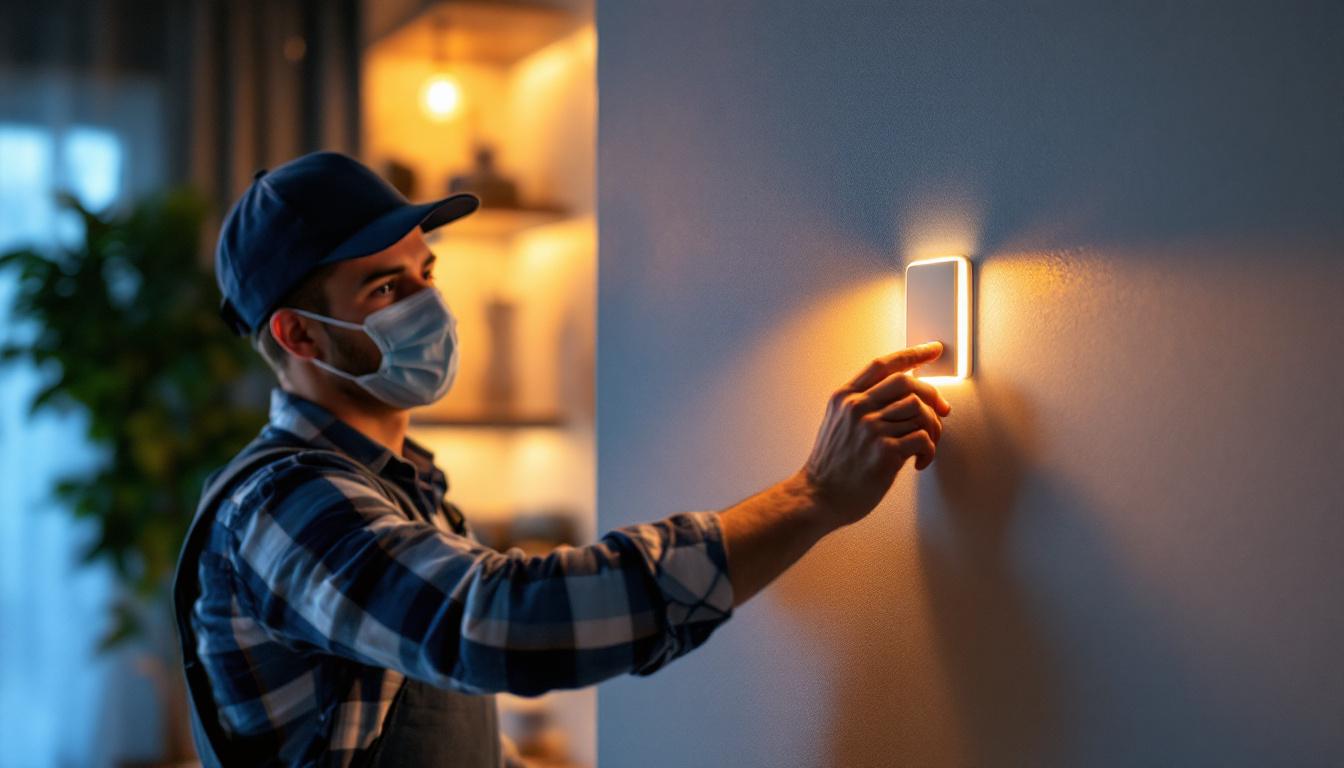
Understanding Motion Switch Technology
Motion switches have become a staple in modern lighting solutions, offering energy savings and enhanced convenience. For lighting contractors, mastering the nuances of these devices is essential to delivering installations that meet client expectations and comply with evolving building codes.
At their core, motion switches detect movement within a designated area and trigger lighting accordingly. This automation reduces unnecessary energy consumption, especially in spaces with intermittent occupancy such as hallways, restrooms, and conference rooms. The implementation of motion switch technology not only contributes to sustainability efforts but also enhances the user experience by ensuring that lighting is available only when needed, thus creating a more comfortable environment.
There are primarily two types of motion detection technologies used in switches: passive infrared (PIR) and ultrasonic. PIR sensors detect heat emitted by bodies, while ultrasonic sensors emit sound waves and measure the reflection to detect motion. Each technology has its strengths and limitations, which influence their suitability for different environments. Additionally, advancements in smart technology have led to the integration of motion sensors with IoT systems, allowing for remote monitoring and control, further optimizing energy usage and enhancing functionality.
Passive Infrared (PIR) Sensors
PIR sensors are highly effective in detecting direct line-of-sight movement. They excel in open areas where occupants move within the sensor’s field of view. However, PIR sensors can struggle with detecting motion through obstacles like glass or partitions. This limitation can be mitigated by strategically placing multiple sensors to cover blind spots, ensuring comprehensive coverage in larger or more complex spaces.
One advantage of PIR switches is their low energy consumption and minimal false triggers from non-human movement, such as ceiling fans or pets. This makes them ideal for office spaces, classrooms, and residential applications. Moreover, many PIR sensors come equipped with adjustable sensitivity settings, allowing contractors to customize the detection range based on the specific needs of the installation site, thus enhancing both efficiency and user satisfaction.
Ultrasonic Sensors
Ultrasonic motion switches use high-frequency sound waves to detect motion, which allows them to sense movement even around corners or behind obstacles. This capability is useful in complex layouts or areas with partitions. The ability to detect motion in such environments can significantly improve safety and accessibility, particularly in settings like hospitals or elder care facilities where prompt lighting activation is crucial for navigating spaces safely.
However, ultrasonic sensors can be prone to false triggers caused by air movement, such as HVAC systems or fans. They also tend to consume more power than PIR sensors, which is a consideration for energy-conscious clients. To address these issues, some manufacturers have developed hybrid sensors that combine both PIR and ultrasonic technologies, offering the best of both worlds. These advanced devices can intelligently switch between detection methods, optimizing performance and reliability while minimizing energy use, making them a compelling choice for a wide range of applications.
Choosing the Right Motion Switch for Your Projects
Selecting the appropriate motion switch requires a thorough understanding of the space, client needs, and installation constraints. Lighting contractors should evaluate several factors to ensure optimal performance and customer satisfaction.
Assessing the Environment
Start by analyzing the physical characteristics of the installation site. Is the area open or segmented by partitions? Are there potential sources of interference like heating vents or reflective surfaces? For example, in a warehouse with large open spaces, PIR sensors might be preferable due to their reliability and energy efficiency. Conversely, in an office with cubicles, ultrasonic sensors could provide better coverage.
Consider the ceiling height as well. PIR sensors have a limited detection range and may require mounting at specific heights to function correctly. Ultrasonic sensors generally offer more flexibility in this regard. Additionally, take into account the type of activities that will occur in the space. For instance, areas with frequent movement, such as retail environments, may benefit from dual-technology sensors that combine PIR and ultrasonic technologies to minimize false triggers while maximizing detection accuracy. This dual approach can significantly enhance energy savings and user comfort.
Understanding Client Usage Patterns
Clients’ daily routines and occupancy patterns play a crucial role in determining the best motion switch. For spaces with short, frequent visits—like restrooms or storage rooms—motion switches with quick response times and adjustable time delays are essential. In contrast, areas with longer occupancy periods might benefit from manual override options to prevent lights from turning off prematurely.
Discussing these details with clients helps tailor the solution to their lifestyle or business operations, enhancing satisfaction and reducing callbacks. Furthermore, it’s beneficial to educate clients on the advantages of smart motion switches that can integrate with existing building management systems. Such systems not only optimize energy use but also provide valuable data analytics on occupancy trends, allowing clients to make informed decisions about their energy consumption and operational efficiency.
Compliance and Energy Codes
Many jurisdictions mandate the use of occupancy sensors in commercial buildings to meet energy efficiency standards. Familiarity with local codes ensures that installations are compliant and avoid costly rework or penalties.
Lighting contractors should stay updated on these regulations and recommend motion switches that meet or exceed code requirements. This proactive approach positions contractors as knowledgeable professionals and builds trust with clients. Additionally, understanding the nuances of different energy codes can help contractors identify opportunities for rebates or incentives that clients may qualify for, further enhancing the value of the installation. By being well-versed in these financial benefits, contractors can not only improve the overall project cost-effectiveness but also foster long-term relationships with clients who appreciate their expertise and commitment to sustainability.
Installation Best Practices
Proper installation is critical to the performance of motion switches. Even the best technology can fail if mounted incorrectly or configured poorly.
Optimal Placement and Orientation
Positioning the sensor to maximize coverage while minimizing false triggers is key. Sensors should be mounted at the recommended height and angle, with a clear, unobstructed view of the intended detection area.
A common mistake is placing sensors near heat sources or air vents, which can cause erratic behavior. Lighting contractors should conduct a thorough site survey to identify and mitigate such issues before installation. Additionally, it is beneficial to consider the typical movement patterns within the space. For instance, in hallways, placing the sensor at the end rather than the middle can enhance detection efficiency, ensuring that the lights activate promptly as individuals enter the area.
Wiring and Integration
Motion switches often integrate with existing lighting control systems. Ensuring compatibility and proper wiring is essential to avoid malfunctions. Contractors should verify voltage ratings and load capacities to prevent damage to switches or lighting fixtures.
When working with multi-switch setups or dimmable lighting, selecting motion switches designed for these configurations is crucial. Some models offer adjustable sensitivity and time delay settings, allowing fine-tuning after installation. Moreover, utilizing wireless technology can simplify the integration process, reducing the need for extensive rewiring and allowing for more flexible placement options. This can be particularly advantageous in retrofitting older buildings where running new wires may be challenging or cost-prohibitive.
Testing and Calibration
After installation, thorough testing ensures the motion switch responds correctly to movement and that lights turn off after the appropriate delay. Contractors should simulate typical occupancy scenarios and adjust settings as needed.
Documenting the configuration and providing clients with usage instructions helps prevent misunderstandings and supports long-term satisfaction. It’s also advisable to schedule a follow-up visit after a few weeks to assess the system’s performance in real-world conditions. This proactive approach allows for any necessary adjustments to be made, ensuring that the motion switches operate optimally and meet the expectations of the users, ultimately enhancing their experience with the technology.
Common Challenges and Troubleshooting Tips
Even with careful planning and installation, motion switches can present challenges. Recognizing common issues and their solutions equips contractors to respond quickly and effectively.
False Triggers and Unintended Activation
Motion switches may activate unexpectedly due to pets, HVAC drafts, or reflective surfaces. To mitigate this, contractors can adjust sensor sensitivity, reposition the device, or switch to a different sensor technology better suited for the environment.
Lights Not Turning Off
If lights remain on despite no detected motion, possible causes include obstructed sensors, incorrect wiring, or overly long time delay settings. Inspecting the sensor’s field of view and verifying electrical connections usually resolves these issues.
Inconsistent Detection
Inconsistent sensor performance can stem from environmental factors such as temperature fluctuations or interference from other electronic devices. Selecting high-quality sensors with robust design and shielding can reduce these problems.
Enhancing Value with Advanced Features
Motion switches have evolved beyond simple on/off control. Lighting contractors can offer clients enhanced functionality by incorporating advanced features.
Daylight Harvesting Integration
Some motion switches include ambient light sensors that adjust lighting based on natural light availability. This feature further reduces energy consumption and improves occupant comfort.
Smart Connectivity
Integration with smart home or building automation systems allows remote control, scheduling, and data analytics. Contractors familiar with these technologies can differentiate their services and meet the growing demand for intelligent lighting solutions.
Multi-Zone Control
Advanced motion switches support multi-zone detection, enabling tailored lighting control in complex spaces. This capability is particularly valuable in commercial settings where different areas have varying occupancy patterns.
Final Thoughts for Lighting Contractors
Motion switches are a powerful tool in the lighting contractor’s arsenal. Understanding the technology, selecting the right products, and executing precise installations lead to satisfied clients and successful projects.
Staying informed about industry trends, energy codes, and emerging technologies ensures that contractors provide solutions that are both effective and future-proof. With expert knowledge and attention to detail, lighting contractors can confidently recommend and install motion switches that enhance efficiency, convenience, and safety.
Get Your Premium Motion Switches at LumenWholesale
Ready to elevate your lighting projects with the latest motion switch technology? Look no further than LumenWholesale, where we provide lighting contractors with high-quality, spec-grade lighting products at the best wholesale prices. Say goodbye to local distributor markups and hello to a vast selection of reliable, high-performance lighting solutions that meet the highest industry standards. Plus, with free shipping on bulk orders, you can stock up on all the motion switches you need without worrying about hidden fees. Don’t compromise on quality or value—choose LumenWholesale for the perfect blend of affordability and convenience. Visit us today at Wholesale Lighting at the Best Value and take the first step towards more efficient, convenient, and safe lighting installations.