In the realm of indoor lighting, motion detector lights have gained significant popularity due to their convenience and efficiency. These innovative lighting solutions offer enhanced security, energy savings, and ease of use, making them an excellent choice for various applications. This article delves into the essential aspects of indoor motion detector lights, providing lighting contractors with the knowledge needed to effectively implement these systems in residential and commercial settings.
Understanding Motion Detector Lights
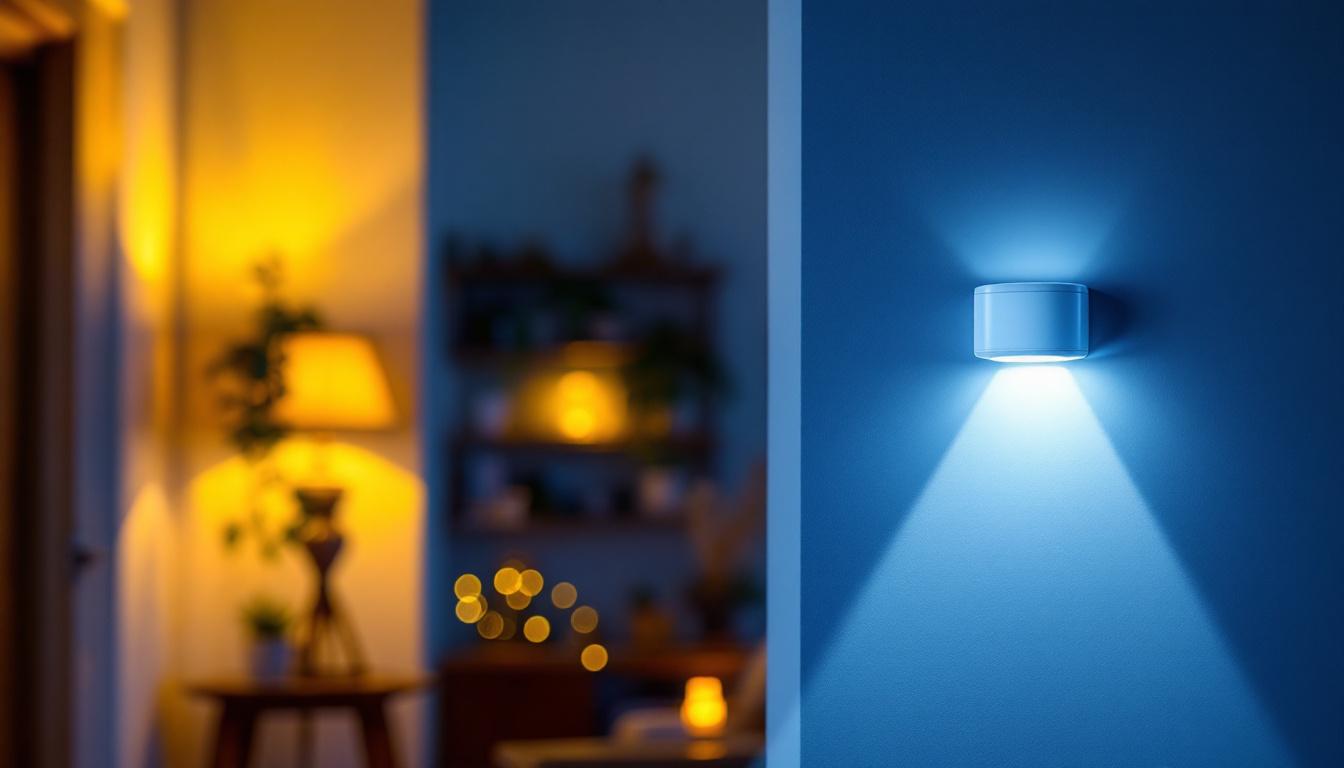
Motion detector lights are fixtures equipped with sensors that detect movement within a designated area. When motion is sensed, the light automatically turns on, providing illumination only when needed. This feature not only enhances safety but also contributes to energy efficiency by reducing unnecessary power consumption. By illuminating pathways, entrances, and outdoor spaces only when someone is present, these lights can deter potential intruders and create a welcoming environment for guests.
Types of Motion Detectors
There are primarily three types of motion detectors used in indoor lighting: passive infrared (PIR), ultrasonic, and dual technology. Each type has its unique characteristics and applications. Understanding these differences can help homeowners and businesses choose the most suitable option for their specific needs.
- Passive Infrared (PIR): These sensors detect heat emitted by objects, such as humans and animals. They are ideal for areas where movement is expected, as they can cover a wide range. PIR sensors are commonly used in residential settings, providing security and convenience in entryways and garages.
- Ultrasonic: Ultrasonic sensors emit high-frequency sound waves that bounce off objects. They are effective in detecting motion even through obstacles, making them suitable for complex indoor environments. These sensors are often utilized in commercial spaces, such as offices and warehouses, where the layout may obstruct direct line-of-sight detection.
- Dual Technology: Combining both PIR and ultrasonic technologies, dual sensors offer enhanced reliability. They require both heat and sound wave detection to activate, minimizing false triggers. This makes them an excellent choice for high-traffic areas or locations where pets may inadvertently set off a single technology sensor.
Key Features to Consider
When selecting motion detector lights, several features should be evaluated to ensure optimal performance:
- Detection Range: The effective range of the sensor is crucial. Consider the size of the area where the lights will be installed and choose a model with an appropriate detection radius. A wider detection range can be beneficial for larger outdoor spaces, while a narrower range may suffice for smaller indoor areas.
- Adjustable Sensitivity: The ability to adjust the sensitivity of the sensor can help tailor the lighting system to specific environments, reducing false activations. This feature is particularly useful in locations with frequent movement, such as near busy sidewalks or in homes with active pets.
- Time Delay Settings: Many motion detector lights allow users to set a time delay, determining how long the light remains on after detecting motion. This feature can enhance energy savings by ensuring the lights do not stay on longer than necessary. Additionally, some models offer customizable settings that can be programmed to suit different times of day or specific activities.
Another important consideration is the weather resistance of outdoor motion detector lights. For exterior installations, look for fixtures rated for wet or damp conditions to ensure longevity and reliable performance. Additionally, features like adjustable mounting angles can help optimize the sensor’s effectiveness by allowing users to direct the sensor toward high-traffic areas or pathways, ensuring maximum coverage and illumination when needed.
Finally, consider the aesthetic appeal of the motion detector lights. With a variety of styles and finishes available, it’s possible to find fixtures that not only serve a functional purpose but also enhance the overall design of your space. Whether you prefer a sleek modern look or a more traditional style, there are options to complement any architectural theme, ensuring that safety and style go hand in hand.
Benefits of Indoor Motion Detector Lights
The advantages of installing motion detector lights indoors extend beyond mere convenience. These systems offer a range of benefits that can enhance both safety and energy management.
Enhanced Security
One of the primary reasons for installing motion detector lights is the added security they provide. By illuminating areas when movement is detected, these lights can deter potential intruders and provide peace of mind for occupants. Strategically placed motion sensors can cover entry points, hallways, and other vulnerable areas, ensuring that any movement triggers a response.
Energy Efficiency
Energy efficiency is a significant consideration in modern lighting solutions. Motion detector lights only activate when necessary, which can lead to substantial energy savings over time. This feature is particularly beneficial in spaces that are not frequently occupied, such as basements, storage rooms, or garages. By reducing the amount of time lights are on, users can lower their electricity bills while still ensuring adequate lighting when needed.
Convenience and Accessibility
Motion detector lights enhance convenience, especially in areas where manual switching may be impractical. For instance, in spaces such as kitchens or hallways, carrying items while trying to locate a light switch can be cumbersome. With motion-activated lighting, users can simply walk into a room, and the lights will illuminate automatically, providing a seamless experience.
Applications of Indoor Motion Detector Lights
Indoor motion detector lights can be utilized in various settings, each with unique requirements and benefits. Understanding these applications can help lighting contractors recommend the best solutions for their clients.
Residential Use
In residential settings, motion detector lights are commonly installed in hallways, staircases, and entryways. These areas often require illumination for safety, especially during nighttime. Additionally, they can be used in garages and basements, where occupants may need light without having to fumble for a switch.
Commercial Spaces
In commercial environments, motion detector lights can enhance security and efficiency. Offices, warehouses, and retail spaces can benefit from automated lighting systems that activate only when movement is detected. This not only reduces energy costs but also creates a more inviting atmosphere for customers and employees alike.
Public Facilities
Public facilities such as schools, libraries, and community centers can also leverage motion detector lighting. These installations can improve safety for visitors while ensuring that energy is not wasted in unoccupied areas. Proper placement of sensors can help cover large spaces effectively, providing necessary illumination without constant manual operation.
Installation Considerations
When installing motion detector lights, several factors must be taken into account to ensure optimal performance and user satisfaction. Proper installation can significantly impact the effectiveness of the lighting system.
Location and Placement
The placement of motion detectors is critical. Sensors should be positioned to cover the intended area without obstruction. For example, placing a sensor in a corner can maximize its coverage, while avoiding areas where furniture or walls might block detection. Additionally, consideration should be given to the height of the sensor; typically, mounting at a height of 6 to 8 feet is ideal for most applications.
Wiring and Power Supply
Depending on the type of motion detector light chosen, wiring may be required. For hardwired systems, ensuring that the electrical supply is adequate and safely installed is paramount. For battery-operated models, it is essential to consider the battery life and ease of replacement. Contractors should also inform clients about the maintenance required for different types of systems.
Testing and Calibration
Once installed, testing the motion detector lights is crucial to ensure they function as intended. This involves checking the detection range, sensitivity settings, and time delay configurations. Regular calibration may be necessary to adapt to changes in the environment, such as new furniture or alterations in room layout.
Maintenance and Troubleshooting
To keep motion detector lights functioning optimally, regular maintenance and troubleshooting are necessary. Understanding common issues can help contractors provide better service to their clients.
Regular Cleaning
Dust and debris can accumulate on sensors, affecting their performance. Regular cleaning of the sensor lens is essential to ensure accurate detection. A soft cloth or a gentle cleaning solution can be used to wipe down the surface without damaging the sensor.
Addressing False Triggers
False triggers can be a common issue with motion detector lights, often caused by pets, moving objects, or environmental factors. Adjusting the sensitivity settings can help mitigate this problem. Additionally, reviewing the placement of the sensor may reveal if it is too exposed to external influences.
Battery Replacement and Wiring Checks
For battery-operated models, keeping track of battery life is essential. Regular checks can prevent unexpected outages. For hardwired systems, contractors should periodically inspect wiring for any signs of wear or damage to ensure safety and reliability.
Choosing the Right Motion Detector Lights
With a plethora of options available in the market, choosing the right motion detector lights can be daunting. However, understanding specific needs and preferences can streamline the selection process.
Assessing Client Needs
Before recommending motion detector lights, it is crucial to assess the specific needs of the client. Factors such as the size of the area, typical foot traffic, and specific lighting requirements should be considered. Engaging in a thorough discussion with clients can help identify the most suitable solutions.
Evaluating Product Features
Different manufacturers offer various features in their motion detector lights. Evaluating these features based on the intended application can help narrow down choices. For instance, if a client requires lights for a high-traffic area, models with a broader detection range and adjustable sensitivity may be more appropriate.
Considering Aesthetics and Design
While functionality is paramount, aesthetics should not be overlooked. Motion detector lights come in various designs and finishes, allowing contractors to recommend options that complement the existing decor. Ensuring that the lighting fixtures blend seamlessly with the environment can enhance the overall appeal of the space.
Conclusion
Indoor motion detector lights represent a significant advancement in lighting technology, offering a blend of security, convenience, and energy efficiency. For lighting contractors, understanding the various types, benefits, applications, and installation considerations is essential for delivering optimal solutions to clients. By staying informed and adapting to the evolving landscape of lighting technology, contractors can ensure that they provide the best possible service and recommendations for their customers.
As the demand for smart and efficient lighting solutions continues to grow, embracing motion detector lights can position contractors as leaders in the industry. By leveraging the advantages of these systems, clients can enjoy enhanced safety, reduced energy costs, and a more convenient lighting experience in their indoor spaces.
Illuminate Your Projects with LumenWholesale
Ready to elevate your lighting game with the latest in motion detector technology? Look no further than LumenWholesale for a comprehensive range of high-quality, spec-grade lighting products at unbeatable wholesale prices. Our selection is designed to meet the highest industry standards, ensuring that you deliver reliable and high-performance lighting solutions to your clients. Take advantage of our hassle-free bulk buying options and enjoy free shipping on your orders. Don’t let hidden fees or inflated markups dim your project’s potential. Choose LumenWholesale for the perfect blend of quality, affordability, and convenience. Wholesale Lighting at the Best Value is just a click away!