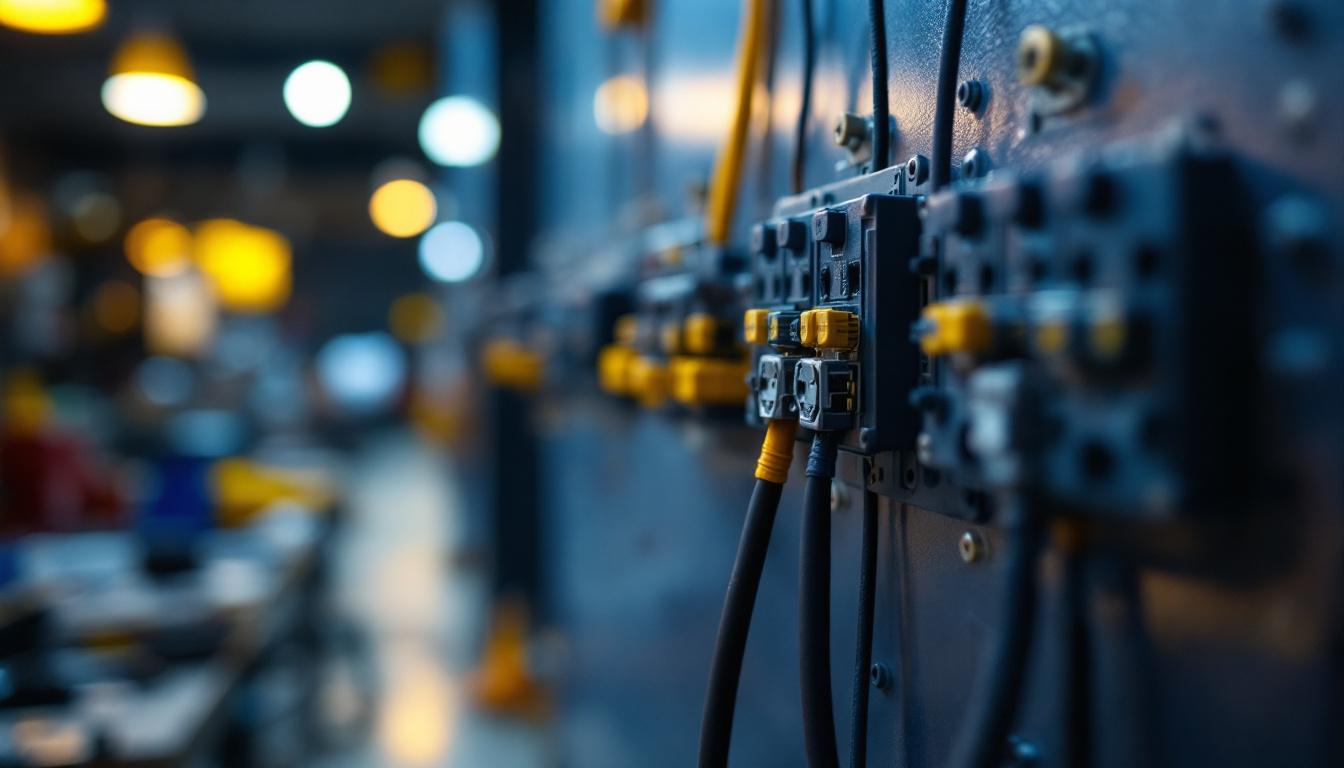
Lighting contractors play a crucial role in ensuring that electrical systems are safe, efficient, and reliable. One of the often-overlooked components in this field is the low voltage wire splice connector. Understanding the importance, types, and best practices associated with these connectors can significantly enhance the quality of work and safety standards in lighting installations.
Understanding Low Voltage Wire Splice Connectors
Low voltage wire splice connectors are essential components used to join two or more electrical wires together. They are particularly important in lighting applications where low voltage systems are prevalent, such as landscape lighting, outdoor lighting, and low voltage indoor lighting systems. These connectors ensure a secure, reliable connection that minimizes the risk of electrical failure.
These connectors come in various designs and materials, each suited for specific applications. The right choice of connector can make a significant difference in the longevity and performance of the lighting system. Understanding the different types available and their applications is vital for any lighting contractor. For instance, connectors made from materials like copper or brass are often favored for their excellent conductivity, while those with weatherproof coatings are ideal for outdoor installations, ensuring that moisture and environmental factors do not compromise the integrity of the connection.
Importance of Proper Connections
In any electrical installation, the quality of the connections directly affects the overall performance of the system. Poor connections can lead to increased resistance, which may result in overheating, flickering lights, or even complete system failure. Low voltage wire splice connectors help mitigate these risks by providing a secure and reliable means of joining wires.
Moreover, proper connections are essential for safety. Faulty wiring can lead to short circuits, which pose a fire hazard. By using high-quality splice connectors, lighting contractors can ensure that their installations meet safety standards and operate efficiently. Additionally, regular inspections and maintenance of these connections can help identify potential issues before they escalate, ensuring that the lighting systems remain safe and functional over time. This proactive approach not only enhances safety but also extends the lifespan of the entire lighting installation.
Types of Low Voltage Wire Splice Connectors
There are several types of low voltage wire splice connectors available, each designed for specific applications. Understanding these types can help contractors make informed decisions based on the requirements of their projects.
- Twist-on Wire Connectors: These are among the most common types of connectors used in low voltage applications. They are easy to use and provide a secure connection by twisting the wires together and securing them with a plastic cap. Their versatility makes them suitable for a variety of indoor and outdoor applications.
- Crimp Connectors: Crimp connectors are another popular option. They require a crimping tool to secure the wires in place. These connectors provide a strong and durable connection, making them ideal for outdoor lighting applications. Their robust design helps withstand environmental stresses, ensuring that the connection remains intact over time.
- Push-in Connectors: These connectors allow for quick and easy connections without the need for tools. They are particularly useful in tight spaces where traditional connectors may be difficult to use. Their design also allows for easy disconnection and reconnection, which can be beneficial for temporary installations or adjustments.
Choosing the Right Connector
When selecting a low voltage wire splice connector, several factors should be considered. The wire gauge, the environment in which the connector will be used, and the specific requirements of the lighting system all play a role in determining the best choice.
For example, in outdoor applications, connectors should be weather-resistant to prevent corrosion and ensure longevity. In contrast, indoor applications may prioritize ease of installation and aesthetic considerations. Understanding these nuances can help lighting contractors choose the most appropriate connectors for their projects. Additionally, contractors should also consider the electrical load that the connectors will handle. Connectors rated for higher amperage may be necessary for systems with more demanding power requirements, ensuring that they can safely support the intended load without risk of failure.
Installation Best Practices
Proper installation of low voltage wire splice connectors is crucial for ensuring a reliable and safe electrical system. Following best practices can help lighting contractors avoid common pitfalls and enhance the quality of their work.
Preparation and Planning
Before beginning any installation, it is essential to plan the layout of the wiring and determine the best locations for splice connectors. This planning phase should include considerations for accessibility, potential hazards, and the overall design of the lighting system.
Additionally, preparing the wires by stripping them to the appropriate length and ensuring that they are clean and free of corrosion is vital. This preparation helps ensure a solid connection and reduces the risk of electrical failure. Utilizing a wire stripper that provides consistent results can enhance the quality of the stripped wire ends, ensuring they fit snugly into connectors. Moreover, labeling wires during this phase can assist in troubleshooting and future maintenance, making it easier to identify circuits and connections.
Proper Techniques for Connecting Wires
When connecting wires using splice connectors, it is crucial to follow the manufacturer’s instructions carefully. For twist-on connectors, ensure that the wires are twisted tightly together before securing them with the cap. For crimp connectors, use the appropriate crimping tool to ensure a secure connection.
In the case of push-in connectors, make sure to insert the wires fully to ensure a solid connection. It is always advisable to test the connections after installation to confirm that they are secure and functioning correctly. In addition to these techniques, it can be beneficial to use a multimeter to check continuity and voltage levels after installation. This step not only verifies the integrity of the connections but also ensures that the entire system operates within the specified parameters, preventing potential issues down the line.
Safety Considerations
Safety should always be a top priority when working with electrical systems. Lighting contractors should ensure that the power is turned off before beginning any installation work. Additionally, using insulated tools can help prevent accidental shocks.
Regularly inspecting connections for signs of wear or damage is also essential. Over time, connectors may become loose or corroded, leading to potential safety hazards. By maintaining a proactive approach to safety, contractors can protect themselves and their clients. Furthermore, implementing a routine maintenance schedule can help identify issues before they escalate. This could include checking for overheating, ensuring that connectors are not exposed to moisture, and verifying that all connections remain secure. Educating clients about the importance of these inspections can also foster trust and demonstrate a commitment to safety and quality workmanship.
Common Challenges and Solutions
Even with careful planning and execution, lighting contractors may encounter challenges when working with low voltage wire splice connectors. Understanding these common issues and their solutions can help ensure successful installations.
Corrosion and Environmental Factors
Corrosion is a common issue in outdoor lighting applications, where connectors are exposed to moisture and varying temperatures. To combat this, using weather-resistant connectors is essential. Additionally, applying dielectric grease can help protect connections from moisture and corrosion.
Loose Connections
Loose connections can lead to flickering lights or complete system failure. To prevent this, contractors should ensure that all connections are secure during installation. Regular maintenance checks can also help identify and rectify loose connections before they become a significant issue.
Wire Compatibility Issues
Using connectors that are not compatible with the wire gauge can lead to poor connections and increased resistance. It is vital to match the connector to the wire size to ensure a reliable connection. Contractors should always verify compatibility before beginning any installation.
Innovations in Low Voltage Wire Splice Connectors
The field of electrical installation is continually evolving, and innovations in low voltage wire splice connectors are no exception. New materials and designs are being developed to enhance performance and ease of use.
Smart Connectors
Smart connectors are becoming increasingly popular in modern lighting installations. These connectors can provide real-time feedback on the status of the connection, alerting contractors to potential issues before they become critical. This technology can significantly enhance the reliability of lighting systems and improve overall efficiency.
Eco-Friendly Options
As sustainability becomes a more significant concern in the construction and electrical industries, eco-friendly connectors are gaining traction. These connectors are made from recyclable materials and designed to minimize environmental impact. Choosing eco-friendly options can not only benefit the planet but also appeal to environmentally conscious clients.
Enhanced Durability
Many manufacturers are focusing on creating connectors that can withstand harsh environmental conditions. Innovations in materials and coatings are leading to connectors that are more resistant to corrosion, temperature fluctuations, and mechanical stress. This increased durability can extend the life of lighting installations and reduce maintenance costs.
Conclusion
Low voltage wire splice connectors are an essential component of any lighting contractor’s toolkit. Understanding their importance, types, and best practices for installation can significantly enhance the quality and safety of lighting installations. By staying informed about innovations and challenges in the field, contractors can ensure that their work meets the highest standards of excellence.
Incorporating these connectors into lighting projects not only improves reliability but also enhances the overall performance of the electrical system. As the industry continues to evolve, lighting contractors who prioritize quality connections will be well-positioned to succeed in a competitive market.
Get Your Premium Low Voltage Wire Splice Connectors at LumenWholesale
Ready to elevate your lighting installations with the highest quality connections? Look no further than LumenWholesale for all your low voltage wire splice connector needs. Our spec-grade lighting products are designed to meet the rigorous demands of any project, ensuring you deliver excellence every time. With unbeatable wholesale prices and the convenience of free shipping on bulk orders, you can trust LumenWholesale to provide the best value without any hidden fees. Make your next project a shining example of quality and reliability. Wholesale Lighting at the Best Value is just a click away.