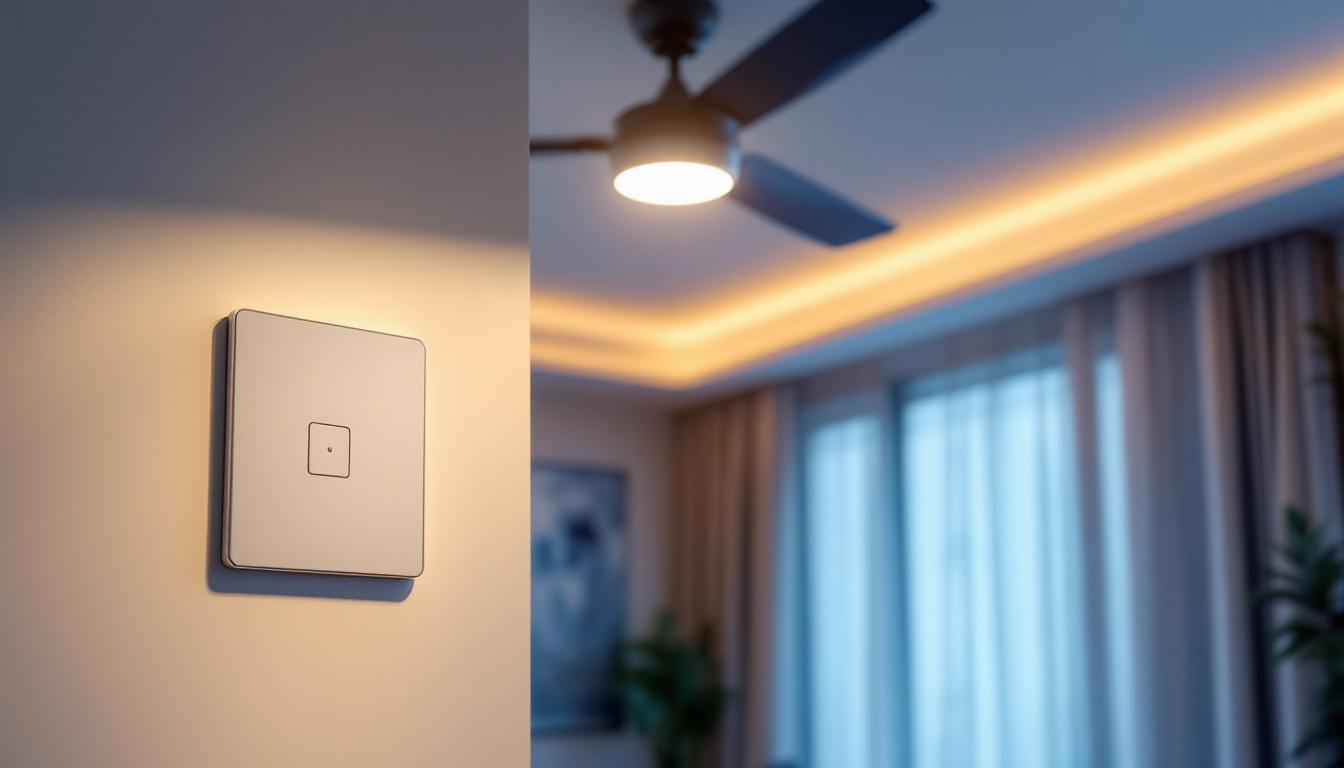
Understanding Low Voltage Motion Detectors in Smart Lighting Systems
Low voltage motion detectors have become a cornerstone in the evolution of smart lighting solutions. For lighting contractors, mastering the nuances of these devices is essential to delivering efficient, responsive, and energy-saving lighting installations. Unlike traditional high voltage sensors, low voltage motion detectors operate on safer, lower electrical currents—typically 12 to 24 volts—making them ideal for integration with modern smart home and commercial automation systems.
These detectors use a variety of sensing technologies, including passive infrared (PIR), ultrasonic, microwave, or a combination of these, to detect occupancy or motion. The low voltage design not only enhances safety during installation and maintenance but also allows for greater flexibility in system design, such as powering multiple detectors from a single transformer or integrating with low voltage lighting circuits.
For lighting contractors, understanding the operational principles and installation requirements of low voltage motion detectors is critical. This knowledge ensures that the systems they design and install meet client expectations for reliability, responsiveness, and energy efficiency. Moreover, the adaptability of low voltage systems allows contractors to customize installations to fit various environments, from residential homes to expansive commercial spaces. This versatility can lead to innovative solutions that enhance user experience, such as automated lighting that adjusts based on the time of day or occupancy patterns.
Additionally, low voltage motion detectors can be seamlessly integrated with other smart home technologies, such as voice-activated assistants and mobile applications. This integration not only increases the convenience for end-users but also enables advanced features like remote monitoring and control. For instance, a homeowner can receive alerts on their smartphone when motion is detected in specific areas, providing an extra layer of security. As the demand for smart technology continues to rise, staying informed about the latest advancements in low voltage motion detection will empower contractors to offer cutting-edge solutions that stand out in a competitive market.
Key Benefits of Low Voltage Motion Detectors for Contractors and Clients
Energy Efficiency and Cost Savings
One of the most compelling reasons to recommend low voltage motion detectors is their significant contribution to energy savings. By automatically switching lights on only when motion is detected and turning them off after a preset period of inactivity, these sensors reduce unnecessary power consumption. This is particularly valuable in commercial spaces, such as offices, warehouses, and restrooms, where lights might otherwise remain on for extended periods.
Studies have shown that occupancy sensors can reduce lighting energy use by up to 30-50%, depending on the application and user behavior. For contractors, this translates into a strong selling point when proposing smart lighting upgrades or new installations, as clients increasingly prioritize sustainability and operational cost reductions. Furthermore, the long-term financial benefits extend beyond just energy savings; many utility companies offer rebates or incentives for businesses that implement energy-efficient technologies, making the initial investment in low voltage motion detectors even more attractive.
Enhanced Safety and Convenience
Low voltage motion detectors improve safety by providing automatic lighting in areas where manual operation may be inconvenient or unsafe, such as stairwells, corridors, and outdoor pathways. The low voltage aspect reduces the risk of electrical shock during installation and servicing, which is a significant advantage for contractors working in complex or hard-to-access environments.
Additionally, these detectors can be integrated with other smart building systems, such as security alarms or HVAC controls, enhancing overall building automation and occupant comfort. This integration capability allows contractors to offer comprehensive solutions that go beyond simple lighting control. For instance, when combined with security systems, motion detectors can trigger alarms or notifications if unauthorized movement is detected, providing an added layer of security for clients. Moreover, the convenience of automatic lighting not only improves safety but also enhances the user experience, allowing occupants to navigate spaces more easily, especially in dimly lit areas.
Moreover, the adaptability of low voltage motion detectors means they can be tailored to fit various environments and needs. For example, in retail settings, these sensors can be programmed to activate displays or signage when customers approach, creating a more engaging shopping experience. In residential applications, they can be used to illuminate pathways or entryways, providing peace of mind for homeowners returning at night. This versatility ensures that both contractors and clients can find the right solutions to meet their specific requirements, further solidifying the value of low voltage motion detectors in modern building projects.
Installation Best Practices for Low Voltage Motion Detectors
Site Assessment and Sensor Placement
Successful installation begins with a thorough site assessment. Contractors must evaluate the space’s layout, typical occupancy patterns, and lighting requirements to determine the optimal sensor placement. For instance, placing sensors near entry points, high-traffic areas, or zones with intermittent use maximizes detection accuracy and energy savings.
It’s crucial to avoid common pitfalls such as positioning sensors where direct sunlight, heating vents, or reflective surfaces might cause false triggers. Low voltage motion detectors are sensitive devices, and improper placement can lead to frequent false activations or failure to detect occupants, undermining the system’s effectiveness.
Wiring and Power Supply Considerations
Low voltage systems require careful attention to wiring standards and power supply specifications. Contractors should use appropriate gauge wiring to minimize voltage drop, especially when sensors are located far from the transformer or power source. Using dedicated low voltage transformers designed for motion detector circuits ensures stable operation and prolongs device lifespan.
Moreover, integrating these detectors with existing lighting control panels or smart hubs demands compatibility checks. Many modern low voltage motion detectors support communication protocols such as DALI, KNX, or Zigbee, enabling seamless integration with building automation systems.
Advanced Features and Integration Opportunities
Adjustable Sensitivity and Time Delay Settings
Modern low voltage motion detectors often come equipped with customizable sensitivity and time delay controls. Contractors can tailor these settings to the specific use case, balancing responsiveness with energy efficiency. For example, in a conference room, a longer time delay might prevent lights from turning off during short periods of inactivity, enhancing user comfort.
Adjustable sensitivity helps reduce false alarms caused by pets, HVAC drafts, or other environmental factors. This fine-tuning capability is a valuable tool for contractors aiming to optimize system performance and client satisfaction.
Integration with Smart Building Ecosystems
Low voltage motion detectors are increasingly designed to integrate with broader smart building ecosystems. Through wireless or wired communication protocols, these sensors can trigger not only lighting but also HVAC adjustments, security alerts, and energy management systems. This holistic approach allows contractors to offer clients comprehensive automation solutions that improve operational efficiency and occupant experience.
For instance, linking motion detection with HVAC controls can reduce heating or cooling in unoccupied spaces, delivering additional energy savings. Contractors who understand these integration possibilities can position themselves as experts in smart building technology, opening doors to more complex and lucrative projects.
Common Challenges and Solutions in Low Voltage Motion Detector Installations
Addressing False Triggers and Sensor Blind Spots
False triggers are a frequent challenge with motion detectors, often caused by environmental factors or improper sensor placement. Contractors can mitigate this issue by selecting detectors with dual-technology sensing (combining PIR and ultrasonic, for example), which reduces false positives by requiring confirmation from multiple sensor types before activating lights.
Additionally, performing a walk-through after installation to test sensor coverage helps identify blind spots or areas of over-sensitivity. Adjusting sensor angles or relocating devices as needed ensures comprehensive and accurate detection.
Ensuring Compatibility with Existing Systems
Integrating low voltage motion detectors into existing lighting or automation systems can be complex, especially in retrofit projects. Contractors must verify voltage compatibility, communication protocols, and control logic to prevent conflicts or malfunctions. Consulting manufacturer documentation and, when necessary, collaborating with system integrators can streamline this process.
Training and staying current with evolving standards and technologies also empower contractors to anticipate and resolve compatibility challenges proactively, enhancing project outcomes.
Future Trends and Opportunities for Lighting Contractors
Advancements in Sensor Technology
Emerging innovations in sensor technology promise to enhance the capabilities of low voltage motion detectors. Developments in artificial intelligence and machine learning are enabling sensors to better differentiate between human occupants and other movements, further reducing false triggers and improving energy savings.
Contractors who keep abreast of these advancements can offer cutting-edge solutions that provide superior performance and client satisfaction, positioning themselves as leaders in the smart lighting market.
Expanding Roles in Smart Building Integration
The role of lighting contractors is evolving beyond traditional installation toward comprehensive smart building integration. As low voltage motion detectors become integral components of multi-system automation, contractors have opportunities to expand their expertise into areas such as security, HVAC, and energy management.
By developing skills in system design, programming, and troubleshooting across these domains, contractors can deliver holistic solutions that meet the growing demand for intelligent, sustainable buildings.
Conclusion
Low voltage motion detectors represent a vital technology in the smart lighting contractor’s toolkit. Their benefits in energy efficiency, safety, and integration capabilities make them indispensable for modern lighting projects. By understanding installation best practices, leveraging advanced features, and staying informed about emerging trends, contractors can deliver exceptional value to clients and secure a competitive edge in the evolving smart building landscape.
Embracing these approaches not only enhances project outcomes but also positions lighting contractors as trusted advisors in the journey toward smarter, more sustainable environments.
Get Your Premium Low Voltage Motion Detectors at LumenWholesale
Ready to elevate your smart lighting projects with the most efficient low voltage motion detectors on the market? Look no further than LumenWholesale, where we provide contractors with high-quality, specification-grade lighting products at unbeatable wholesale prices. Say goodbye to local distributor markups and hello to our extensive selection that meets the highest industry standards. With LumenWholesale, you’ll enjoy the convenience of bulk buying with free shipping, ensuring you get the best value without any hidden fees. Make your next project shine with reliability and performance by choosing Wholesale Lighting at the Best Value from LumenWholesale.