Understanding Lithonia Vapor Tight Fixtures: A Foundation for Lighting Professionals
For lighting contractors, selecting the right fixture for environments prone to moisture, dust, and other contaminants is crucial. Lithonia Vapor Tight fixtures have become a go-to solution for these challenging conditions, offering durability and reliable performance. Before diving into installation or specification, it’s important to grasp the fundamental features and benefits that make these fixtures stand out in the market.
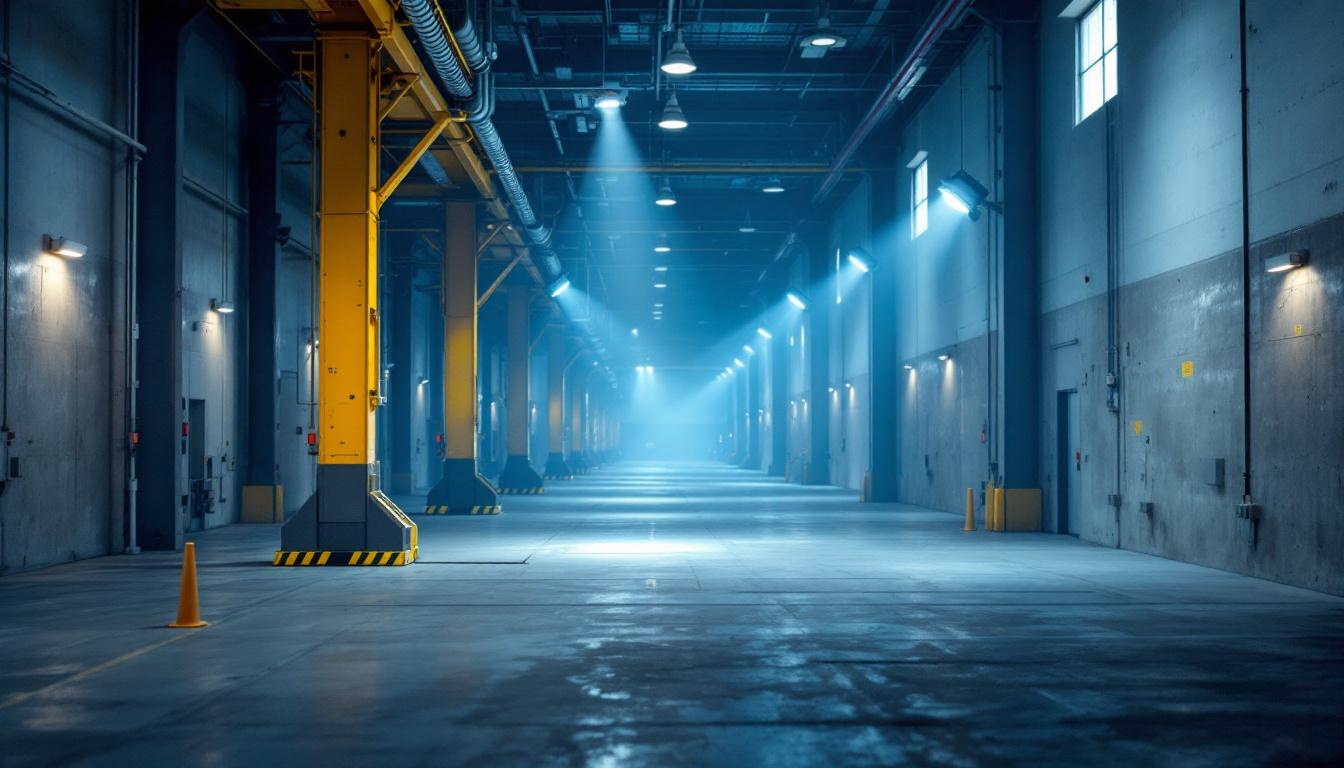
Lithonia Vapor Tight fixtures are engineered to withstand harsh environments such as parking garages, warehouses, food processing plants, and outdoor covered areas. Their sealed design prevents moisture and airborne particles from compromising the electrical components, ensuring longevity and consistent illumination. This reliability reduces maintenance costs and downtime, a critical consideration for contractors managing multiple projects.
Moreover, these fixtures often come with energy-efficient LED options, aligning with industry trends toward sustainability and cost savings. Understanding the range of available models, wattages, and lumen outputs allows lighting professionals to tailor solutions to specific project requirements, balancing performance with budget constraints.
In addition to their robust construction, Lithonia Vapor Tight fixtures are designed with versatility in mind. Many models feature adjustable mounting options, allowing for easy installation in various settings, whether it’s a high-ceilinged warehouse or a low-profile corridor. This adaptability not only simplifies the installation process but also enhances the overall functionality of the lighting system, ensuring that every corner of the space receives adequate illumination. Furthermore, some fixtures are equipped with advanced features such as motion sensors and dimming capabilities, which can further optimize energy use and enhance user experience.
Another significant aspect of Lithonia Vapor Tight fixtures is their compliance with industry standards and regulations. Many models are certified for use in hazardous locations, making them suitable for environments where flammable vapors or dust may be present. This compliance not only ensures safety but also provides peace of mind for contractors and facility managers alike. As the demand for reliable and efficient lighting solutions continues to grow, understanding the specifications and certifications associated with these fixtures becomes increasingly important for lighting professionals aiming to deliver high-quality installations that meet both client needs and regulatory requirements.
Key Specifications to Evaluate When Selecting Lithonia Vapor Tight Fixtures
Ingress Protection (IP) Ratings
One of the most important technical considerations is the Ingress Protection (IP) rating, which indicates the fixture’s resistance to solids and liquids. For vapor tight fixtures, an IP65 or higher rating is typically expected, ensuring complete protection against dust and water jets. This rating guarantees that the fixture can perform reliably in environments subject to splashing water or dust accumulation.
Lighting professionals should verify that the specific Lithonia model meets or exceeds the IP rating required for the installation site. For example, a fixture installed in a food processing facility may require a higher IP rating than one in a covered parking area due to stricter hygiene and moisture control standards. Additionally, understanding the environment where the fixture will be used is crucial; areas exposed to high-pressure washing or extreme weather conditions may necessitate even more robust ratings, prompting the selection of fixtures designed for such challenges.
Material and Build Quality
Material selection impacts both durability and safety. Lithonia Vapor Tight fixtures are commonly constructed from robust polycarbonate or fiberglass reinforced polyester housings, coupled with impact-resistant lenses. These materials resist corrosion, UV degradation, and physical impacts, extending the fixture’s lifespan in demanding environments.
Contractors should inspect the fixture’s gasket seals and mounting hardware to ensure they are designed for secure, long-lasting installation. A well-constructed fixture reduces the risk of water intrusion and mechanical failure, which can lead to costly repairs or replacements. Furthermore, the choice of materials also influences the thermal management of the fixture; effective heat dissipation is essential for maintaining optimal performance and longevity, particularly in high-output applications where excess heat can lead to reduced efficiency and premature failure.
Lighting Performance: Lumens, Color Temperature, and CRI
Beyond durability, lighting professionals must evaluate the fixture’s luminous efficacy and light quality. Lithonia Vapor Tight fixtures typically offer a range of lumen outputs to accommodate different space sizes and lighting needs. Selecting the appropriate lumen level ensures sufficient illumination without over-lighting, which can waste energy and increase costs.
Color temperature and Color Rendering Index (CRI) are equally important. For industrial or commercial spaces, a neutral to cool white light (3500K to 5000K) is often preferred for clarity and visibility. A CRI of 80 or above ensures colors appear natural, which is essential in environments where accurate color perception impacts safety or product inspection. Additionally, some fixtures may offer adjustable color temperatures or dimming capabilities, providing flexibility to adapt to varying tasks or times of day, enhancing both functionality and energy efficiency. This adaptability can be particularly beneficial in multi-use spaces where different lighting conditions are required throughout the day.
Installation Best Practices for Lithonia Vapor Tight Fixtures
Site Assessment and Preparation
Before installation, a thorough site assessment is essential. Lighting contractors should evaluate the environmental conditions, mounting surfaces, and electrical infrastructure to determine the optimal fixture placement and wiring approach. Vapor tight fixtures require secure mounting to maintain their sealed integrity, so surface flatness and stability are critical factors.
Additionally, contractors must ensure compliance with local electrical codes and safety standards. This includes verifying circuit capacities, grounding requirements, and conduit specifications. Proper preparation minimizes the risk of installation errors that could compromise fixture performance or safety.
Wiring and Electrical Connections
Wiring vapor tight fixtures demands attention to detail to preserve their moisture-resistant properties. Using appropriate waterproof connectors and conduit fittings prevents water ingress at connection points. Lighting professionals should follow manufacturer guidelines for wiring, including torque specifications for terminal screws and proper cable strain relief techniques.
It’s also advisable to test electrical connections for continuity and insulation resistance before finalizing the installation. This proactive step can identify potential faults early, avoiding future outages or hazards.
Sealing and Mounting Techniques
Maintaining the fixture’s vapor tight seal during installation is paramount. Contractors should inspect gaskets and seals for damage and replace them if necessary. Applying compatible sealants around mounting points can provide additional protection against moisture intrusion.
Mounting hardware should be tightened to manufacturer-recommended torque values to prevent loosening over time. In some cases, vibration-resistant fasteners may be required, especially in industrial settings with heavy machinery. Proper mounting ensures fixture stability and preserves the IP rating.
Maintenance and Troubleshooting Tips for Long-Term Reliability
Routine Inspection and Cleaning
Regular maintenance extends the life of Lithonia Vapor Tight fixtures and maintains optimal lighting performance. Contractors should schedule periodic inspections to check for signs of damage, corrosion, or seal degradation. Cleaning the fixture’s lens with non-abrasive materials removes dust and grime that can reduce light output.
In environments with heavy contamination, more frequent cleaning may be necessary. It’s important to power down fixtures before maintenance to ensure safety and prevent electrical damage.
Common Issues and Solutions
Despite their rugged design, vapor tight fixtures can encounter issues such as condensation inside the lens, flickering lights, or complete failure. Condensation often results from compromised seals or temperature differentials and can be addressed by replacing gaskets or improving ventilation around the fixture.
Flickering may indicate loose wiring or driver problems, requiring electrical inspection and component replacement. For complete fixture failure, troubleshooting should begin with verifying power supply integrity before considering fixture replacement.
Upgrading and Retrofit Considerations
As LED technology advances, many lighting professionals consider retrofitting existing vapor tight fixtures with newer, more efficient components. Lithonia offers retrofit kits designed to fit existing housings, simplifying upgrades and reducing waste.
When planning retrofits, contractors should assess compatibility, lumen output, and color temperature to ensure the new components meet current project requirements. Upgrading can improve energy efficiency, reduce maintenance, and enhance lighting quality without the expense of full fixture replacement.
Compliance and Safety Standards for Vapor Tight Lighting
Relevant Codes and Certifications
Compliance with safety and performance standards is non-negotiable in professional lighting installations. Lithonia Vapor Tight fixtures typically meet or exceed standards such as UL 1598 for luminaires, UL 844 for hazardous locations, and NSF certification for food-safe environments. These certifications provide assurance that the fixtures have undergone rigorous testing for electrical safety, environmental resistance, and sanitation.
Lighting contractors should verify that the selected fixtures carry the necessary certifications for the intended application. This not only ensures safety but also facilitates inspections and approvals by regulatory authorities.
Energy Codes and Incentives
Many jurisdictions enforce energy codes that influence lighting design and fixture selection. Vapor tight LED fixtures from Lithonia often comply with these codes, offering high efficacy and controllability options such as dimming and occupancy sensors. Adhering to these standards can qualify projects for utility rebates and incentives, providing financial benefits to clients.
Staying informed about evolving energy regulations helps lighting professionals recommend compliant solutions that optimize operational costs and environmental impact.
Conclusion: Mastering Lithonia Vapor Tight Fixtures for Superior Project Outcomes
For lighting contractors, mastering the selection, installation, and maintenance of Lithonia Vapor Tight fixtures is essential to delivering durable, efficient, and code-compliant lighting solutions. By understanding key specifications such as IP ratings, material quality, and lighting performance, professionals can tailor their approach to meet the unique demands of each project.
Adhering to best practices during installation and maintenance ensures long-term reliability and client satisfaction, while awareness of compliance and energy standards positions contractors as trusted experts in their field. Incorporating these insights into everyday workflows empowers lighting professionals to confidently specify and install vapor tight fixtures that perform flawlessly in the most challenging environments.
Get Your Lithonia Vapor Tight Fixtures at LumenWholesale
Ready to elevate your lighting projects with the robust and efficient Lithonia Vapor Tight fixtures? Look no further than LumenWholesale for the best value in wholesale lighting. Our commitment to quality and affordability ensures that you receive spec-grade lighting products without the premium price tag. Take advantage of our extensive selection and free shipping on bulk orders to meet the exacting demands of any environment. Don’t let hidden fees dim your project’s potential. Choose LumenWholesale for a seamless purchasing experience and light up your projects with confidence. Wholesale Lighting at the Best Value