Understanding the Importance of Linear Exterior Lighting
Linear exterior lighting has transformed the way outdoor spaces are illuminated. Unlike traditional spotlights or floodlights, linear fixtures offer continuous, uniform light that enhances architectural features, improves safety, and creates a visually striking environment. For contractors, mastering the nuances of these systems is crucial—not just for installation, but for delivering a finished product that meets client expectations and industry standards.
Training your team to understand the unique characteristics of linear exterior lights ensures quality work and fewer callbacks. These fixtures often require precise alignment, proper waterproofing, and careful consideration of power distribution. Without a solid grasp of these elements, even the most aesthetically pleasing design can fall short in functionality or durability.
Moreover, the versatility of linear exterior lighting extends beyond mere aesthetics; it can be strategically employed to enhance the usability of outdoor spaces. For instance, in commercial settings, well-placed linear lights can guide patrons along walkways, highlight entrances, and create inviting atmospheres in dining areas. In residential applications, homeowners can use these fixtures to accentuate landscaping features, illuminate pathways, or even create a cozy ambiance for outdoor gatherings. The ability to adapt linear lighting to various environments underscores its significance in modern design.
Additionally, the advancements in LED technology have further elevated the performance of linear exterior lighting. With options for color temperature adjustments and smart controls, contractors can offer clients customized solutions that cater to their specific needs and preferences. Energy efficiency is another critical aspect, as LED linear lights consume significantly less power than traditional lighting solutions, resulting in lower energy bills and a reduced carbon footprint. This combination of functionality, adaptability, and sustainability makes linear exterior lighting an essential consideration for any outdoor project.
Key Components and Technologies in Linear Exterior Lighting
Types of Linear Fixtures
Linear lighting comes in various forms, including LED strips, linear wall washers, and recessed linear fixtures. Each type serves different purposes. For example, LED strips are flexible and ideal for accent lighting, while wall washers provide broad illumination for facades. Recessed fixtures are often used to create a seamless, integrated look. The versatility of these fixtures allows designers to employ them in a myriad of applications, from highlighting architectural features to creating mood lighting in outdoor spaces.
Training should cover the differences in fixture types, their applications, and how to select the right product based on project requirements. Understanding the IP ratings, material durability, and mounting options is essential for ensuring longevity in outdoor conditions. Moreover, it is crucial to consider the color temperature of the fixtures, as this can significantly affect the ambiance of the space. Warmer tones may create a cozy atmosphere, while cooler tones can lend a more modern and crisp feel. Additionally, exploring the latest innovations in linear fixtures, such as tunable white technology, can provide further customization options for lighting designers.
Power Supplies and Controls
Linear exterior lighting systems often rely on low-voltage DC power supplies, which demand careful calculation of voltage drop over long runs. Your team must be adept at sizing transformers and power supplies to avoid dimming or flickering issues. Additionally, integrating controls such as dimmers, timers, and smart lighting systems can add complexity but also value to the installation. These controls not only enhance user experience but also contribute to energy efficiency, allowing for tailored lighting schedules that adapt to the changing needs of the environment.
Hands-on training with control interfaces and troubleshooting common power issues will empower your team to handle complex setups confidently. Familiarity with wireless control systems, such as Zigbee or Z-Wave, can also be beneficial, as these technologies allow for remote management and automation of lighting systems. Furthermore, understanding the interplay between lighting and other outdoor elements, such as landscaping and architectural features, is essential for creating cohesive and functional outdoor spaces that are both visually appealing and energy-efficient.
Design Principles Every Lighting Contractor Should Know
Balancing Aesthetics and Functionality
Effective linear exterior lighting strikes a balance between enhancing architectural features and providing sufficient illumination for safety and security. Training should emphasize the importance of understanding the client’s vision while adhering to practical considerations like glare control and light pollution. This dual focus not only ensures that the lighting design is visually appealing but also functional, creating spaces that are inviting and secure after dark.
Encourage your team to think critically about fixture placement, beam angles, and color temperature. For instance, warmer color temperatures often complement natural stone or brick, while cooler tones suit modern metal and glass surfaces. Additionally, consider the surrounding environment; for example, in areas with abundant greenery, softer lighting can create a more harmonious look, while brighter, more focused lighting may be necessary in urban settings to cut through ambient light pollution. Understanding these nuances can significantly enhance the overall design and effectiveness of the lighting scheme.
Calculating Light Levels and Uniformity
Accurate light level calculations are fundamental. Over-lighting wastes energy and can create harsh shadows, while under-lighting compromises safety and aesthetics. Teach your team to use lighting design software or manual calculation methods to determine the appropriate lumen output and spacing between fixtures. It’s also beneficial to incorporate real-world testing into the design process; conducting on-site evaluations can provide valuable insights into how the light interacts with different surfaces and spaces, allowing for adjustments that enhance both functionality and visual appeal.
Uniformity is especially important with linear lighting to avoid patchy or uneven illumination. Proper training on photometric data interpretation and layout planning will reduce errors and improve client satisfaction. Furthermore, consider the impact of seasonal changes on light levels; as foliage grows or weather conditions shift, the effectiveness of lighting can vary significantly. By preparing your team to anticipate these changes and adapt their designs accordingly, you can ensure that the lighting remains effective and aesthetically pleasing throughout the year. This proactive approach not only elevates the quality of your projects but also builds trust and credibility with your clients, who will appreciate the attention to detail and foresight in your designs.
Hands-On Training Strategies for Your Team
Workshops and Practical Demonstrations
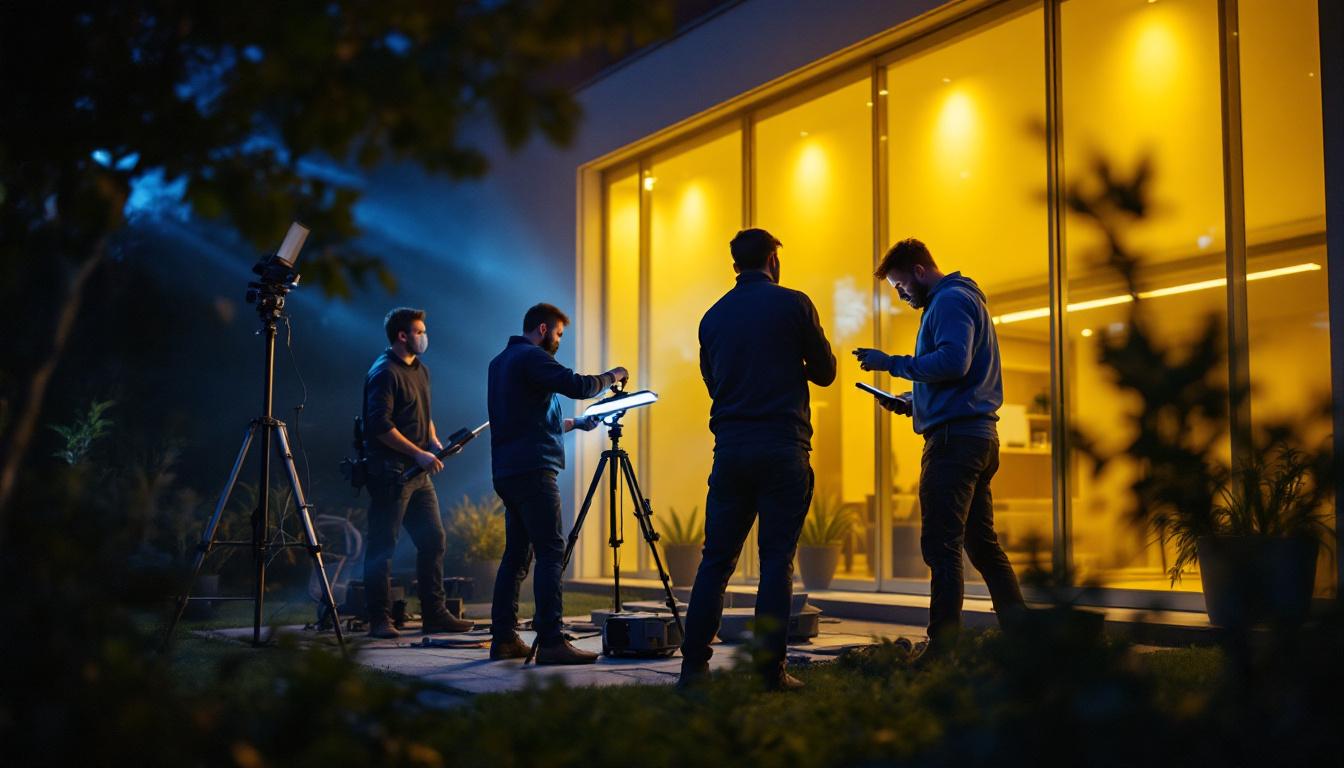
Nothing beats learning by doing. Organize workshops where your team can practice installing different types of linear fixtures, wiring power supplies, and programming controls. Use real-life scenarios to simulate common challenges, such as uneven surfaces or tight installation spaces.
Incorporate troubleshooting exercises that cover common issues like water ingress, voltage drop, and connector failures. These sessions build confidence and problem-solving skills that are invaluable on the job site.
Leveraging Manufacturer Resources
Many lighting manufacturers provide detailed installation guides, videos, and training sessions. Encourage your team to utilize these resources regularly. Manufacturer-led training often includes the latest product updates and best practices, keeping your crew current with evolving technologies.
Establish a system where team members share insights or new information learned from these resources. This peer-to-peer knowledge exchange fosters a culture of continuous improvement.
Safety and Compliance: Non-Negotiable Training Topics
Electrical Safety Protocols
Working with exterior lighting involves exposure to moisture, varying temperatures, and sometimes hazardous locations. Your team must be well-versed in electrical safety standards, including proper grounding, use of GFCI outlets, and adherence to local electrical codes.
Regular safety briefings and hands-on drills can reinforce safe work habits and reduce the risk of accidents. Emphasize the importance of personal protective equipment (PPE) and correct handling of tools and materials.
Environmental and Regulatory Considerations
Light pollution regulations and energy efficiency standards are increasingly influencing exterior lighting projects. Train your team to understand these requirements and incorporate them into their work. This includes selecting fixtures with appropriate shielding, using timers or motion sensors, and choosing energy-efficient LEDs.
Compliance not only avoids costly fines but also positions your company as a responsible and forward-thinking contractor.
Building Expertise in Troubleshooting and Maintenance
Common Issues and Their Solutions
Linear exterior lighting systems can encounter issues such as flickering, uneven light distribution, or fixture failure due to environmental exposure. Training your team to diagnose these problems quickly saves time and enhances client trust.
Teach systematic troubleshooting steps, starting with power supply checks, wiring inspections, and fixture evaluations. Familiarity with multimeters, voltage testers, and diagnostic software is essential.
Routine Maintenance Best Practices
Preventative maintenance extends the lifespan of lighting installations. Your team should know how to clean fixtures, inspect seals and gaskets, and replace components like LED modules or drivers when necessary.
Develop a maintenance checklist and train your crew to educate clients on upkeep, which can reduce service calls and improve overall satisfaction.
Fostering a Culture of Continuous Learning
Lighting technology evolves rapidly. Encourage your team to stay curious and proactive about learning new techniques and products. Regularly scheduled training sessions, attendance at industry trade shows, and subscription to lighting publications can keep skills sharp.
Recognize and reward team members who demonstrate initiative and mastery. A motivated, knowledgeable team not only improves project outcomes but also enhances your company’s reputation in a competitive market.
Conclusion: Investing in Training Pays Dividends
Training your team in linear exterior lighting is an investment that pays off through higher quality installations, fewer mistakes, and stronger client relationships. By focusing on technical knowledge, practical skills, safety, and ongoing education, contractors can position themselves as leaders in the outdoor lighting space.
Empowered with the right training, your team will be ready to tackle any linear lighting project with confidence and professionalism, delivering results that shine-literally and figuratively.
Illuminate Your Projects with LumenWholesale
Ready to elevate your outdoor lighting projects with the expertise you’ve gained? LumenWholesale is here to support your journey. We provide contractors with superior, spec-grade linear exterior lighting products at unbeatable wholesale prices. Say goodbye to middleman markups and hello to a vast selection of reliable, high-performance lighting that meets the highest industry standards. Plus, with free shipping on bulk orders, you can stock up on premium lighting solutions at the best value — all without hidden fees or compromises. Don’t miss out on the perfect blend of quality, affordability, and convenience. Start transforming your outdoor spaces today by visiting Wholesale Lighting at the Best Value.