Introduction to Ceiling Lighting in Modern Projects
Lighting contractors play a pivotal role in shaping the ambiance, functionality, and energy efficiency of indoor spaces. Among the various lighting options available, ceiling lights remain a fundamental component in both residential and commercial projects. Choosing the right lights for room ceilings not only enhances the aesthetic appeal but also significantly impacts the overall efficiency of lighting projects.
Ceiling lighting solutions have evolved dramatically, incorporating advanced technologies and design innovations. This evolution offers contractors an opportunity to optimize installation processes, reduce costs, and deliver superior lighting quality. Understanding the nuances of ceiling lighting options and their practical applications is essential for maximizing project outcomes.
In recent years, the integration of smart lighting systems has transformed traditional ceiling lighting into interactive and customizable solutions. These systems allow users to control brightness, color temperature, and even the timing of lights through mobile apps or voice commands. This level of control not only enhances user experience but also promotes energy savings by allowing occupants to adjust lighting based on their specific needs and preferences. Furthermore, the rise of LED technology has contributed to this transformation, as LEDs are not only more energy-efficient but also offer a longer lifespan compared to conventional bulbs, making them a cost-effective choice in the long run.
Moreover, the design of ceiling lights has become increasingly versatile, catering to various architectural styles and interior themes. From sleek, minimalist fixtures that complement modern decor to ornate chandeliers that add a touch of elegance to traditional spaces, the options are virtually limitless. Additionally, contractors can now explore eco-friendly materials and sustainable designs that align with the growing demand for environmentally conscious building practices. This shift not only meets consumer preferences but also contributes to the overall sustainability goals of modern construction projects, ensuring that lighting solutions are both stylish and responsible.
Types of Ceiling Lights and Their Impact on Project Efficiency
Recessed Lighting
Recessed lights, also known as downlights or can lights, are installed flush with the ceiling surface, creating a clean and modern look. Their streamlined design minimizes visual clutter and allows for flexible placement, which can be particularly advantageous in both small and large spaces.
From a project efficiency standpoint, recessed lighting offers several benefits. These fixtures are often modular, enabling quicker installation and easier maintenance. Moreover, LED recessed lights consume less energy and have longer lifespans compared to traditional bulbs, reducing the frequency of replacements and associated labor costs.
In addition to their aesthetic appeal, recessed lights can be strategically placed to enhance the functionality of a space. For instance, in a home office, they can be positioned to eliminate shadows on work surfaces, improving visibility and productivity. Furthermore, dimmable options allow for adjustable lighting levels, catering to different tasks or moods, which can be particularly beneficial in multi-use areas.
Surface-Mounted Ceiling Lights
Surface-mounted fixtures are attached directly to the ceiling and come in a variety of styles, including flush mounts and semi-flush mounts. They are generally easier to install than recessed lights because they do not require cutting into the ceiling cavity.
For contractors, this means less time spent on preparation and fewer complications related to ceiling structure or insulation. Surface-mounted lights are ideal for retrofit projects where ceiling modifications are limited, thereby improving project turnaround times.
Additionally, surface-mounted lights can serve as an effective solution for spaces with lower ceilings, where recessed lighting may not be feasible. Their diverse designs can complement various interior styles, from contemporary to industrial, ensuring that they not only illuminate but also enhance the overall aesthetic of the room. The ability to choose from different finishes and shapes allows for greater customization, making it easier to align with the project’s design vision.
Suspended and Pendant Lights
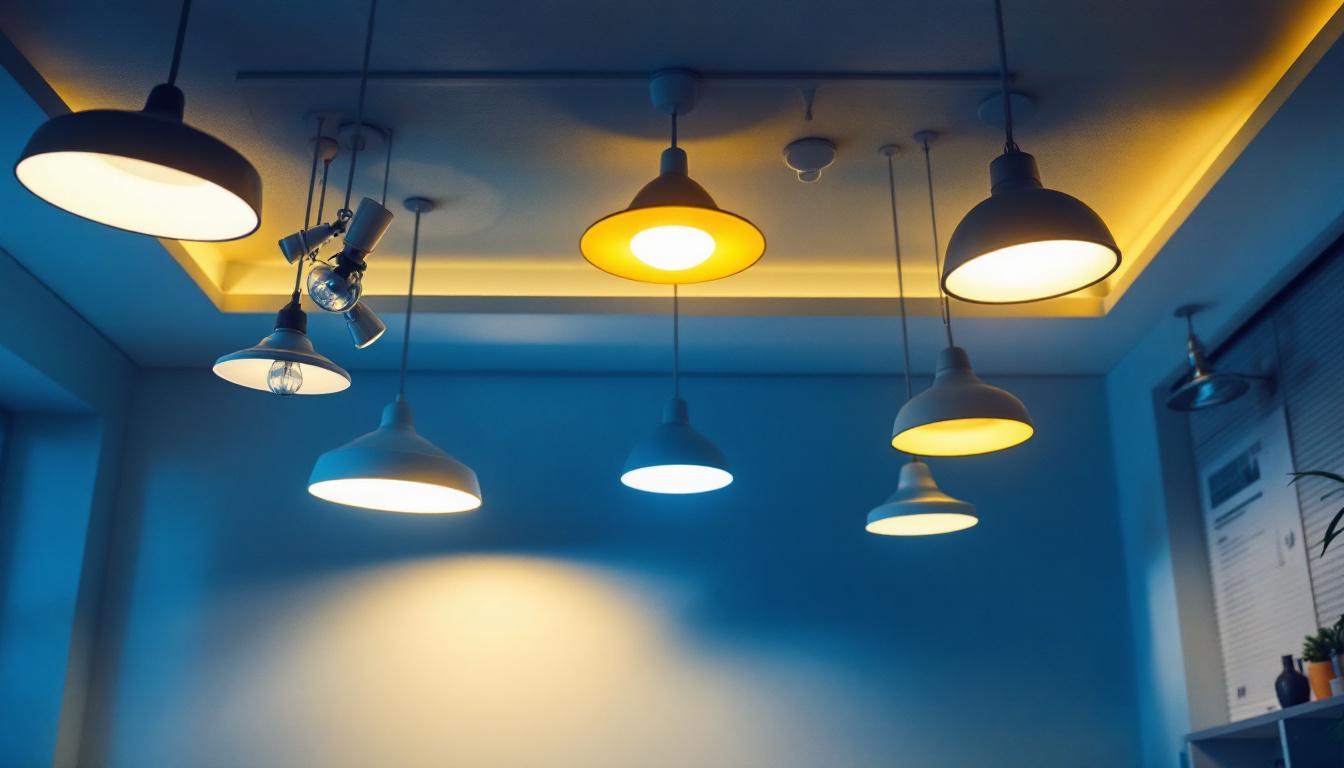
Suspended and pendant lights hang below the ceiling and are often used to create focal points or provide task lighting. While these fixtures may require more precise measurements and adjustments during installation, they offer versatility in design and functionality.
When properly planned, suspended lighting can reduce the number of fixtures needed by providing targeted illumination, which can streamline wiring and reduce material costs. This approach can enhance efficiency, particularly in commercial or hospitality projects where design and lighting quality are equally important.
Moreover, the use of suspended lights can contribute to the overall ambiance of a space. For example, in a restaurant, pendant lights can create a warm and inviting atmosphere, encouraging patrons to linger longer. The height at which these fixtures are hung can also be adjusted to suit different areas, such as lowering them over dining tables for intimate gatherings or raising them in open areas to maintain an airy feel. This adaptability not only enhances the user experience but also allows for creative expression in lighting design, making it a valuable consideration in any project.
Energy Efficiency and Its Role in Project Optimization
Advancements in LED Technology
One of the most significant factors in increasing lighting project efficiency is the adoption of LED technology for ceiling lights. LEDs consume up to 75% less energy than incandescent bulbs and last up to 25 times longer, which translates into substantial savings on energy bills and maintenance. This longevity means fewer replacements and less waste, contributing to a more sustainable approach to lighting design.
Lighting contractors can leverage these benefits by specifying LED ceiling fixtures that meet or exceed energy codes and standards. This not only ensures compliance but also appeals to environmentally conscious clients seeking sustainable solutions. Moreover, the versatility of LED technology allows for a wide range of color temperatures and brightness levels, enabling designers to create customized lighting schemes that enhance the aesthetic appeal of any space.
Smart Lighting Controls
Integrating smart controls such as dimmers, occupancy sensors, and daylight harvesting systems can dramatically improve energy efficiency. These controls adjust lighting levels based on occupancy and natural light availability, reducing unnecessary energy consumption. For instance, occupancy sensors can automatically turn off lights in unoccupied rooms, while daylight harvesting systems can dim electric lights when sufficient natural light is present, further optimizing energy use.
For contractors, incorporating smart controls during installation can add value to the project by enhancing user experience and lowering operational costs. Additionally, these systems often allow for remote monitoring and management, which can simplify maintenance and troubleshooting. The integration of smart technology also opens the door to advanced analytics, where data can be collected on lighting usage patterns, helping businesses make informed decisions about their energy consumption and further improve efficiency over time. This data-driven approach not only supports sustainability goals but also aligns with the growing trend of smart buildings, where interconnected systems work together to optimize performance and enhance occupant comfort.
Design Considerations That Enhance Efficiency
Optimizing Fixture Placement
Effective lighting design begins with strategic fixture placement. Properly positioned ceiling lights ensure uniform illumination, reduce shadows, and minimize the number of fixtures required. This results in lower material costs and faster installation times.
Using lighting design software or collaborating with lighting designers can help contractors create layouts that maximize light distribution and energy efficiency. This upfront planning reduces the likelihood of costly adjustments during or after installation.
Balancing Ambient, Task, and Accent Lighting
A well-balanced lighting scheme combines ambient, task, and accent lighting to meet the functional and aesthetic needs of a space. Ceiling lights often serve as the primary source of ambient lighting, providing general illumination.
By integrating ceiling lights with other lighting types, contractors can tailor the lighting environment to specific activities and moods, enhancing occupant comfort and productivity. This holistic approach can reduce over-illumination and energy waste, contributing to overall project efficiency.
Installation Best Practices for Ceiling Lighting
Pre-Installation Planning
Thorough pre-installation planning is crucial for efficient ceiling light projects. This includes verifying ceiling types, electrical infrastructure, and fixture specifications. Early identification of potential challenges, such as ceiling height restrictions or wiring constraints, helps avoid delays and rework.
Contractors should also coordinate with other trades to ensure seamless integration of lighting with HVAC, fire safety, and structural elements. Clear communication and detailed documentation streamline the installation process and reduce errors.
Utilizing Modular and Pre-Wired Fixtures
Modular ceiling lighting systems and pre-wired fixtures can significantly reduce installation time. These products are designed for quick assembly and connection, minimizing on-site labor and complexity.
Adopting such solutions enables contractors to accelerate project timelines and improve consistency in installation quality. Additionally, modular systems often allow for easier future upgrades or maintenance, adding long-term value for clients.
Case Studies Demonstrating Efficiency Gains
Commercial Office Retrofit
In a recent commercial office retrofit, replacing outdated fluorescent ceiling fixtures with LED recessed lights and smart controls led to a 40% reduction in energy consumption. The modular design of the new fixtures allowed the contractor to complete the installation 30% faster than similar projects, minimizing downtime for building occupants.
This project highlights how selecting appropriate ceiling lighting solutions can improve both operational efficiency and occupant satisfaction.
Hospitality Lighting Upgrade
A hotel renovation incorporated suspended LED pendant lights in public areas combined with surface-mounted LED fixtures in guest rooms. The lighting design reduced the total number of fixtures by 25%, simplifying installation and lowering material costs.
The integration of occupancy sensors and dimmers further enhanced energy savings, demonstrating the value of combining design innovation with technology to optimize lighting projects.
Conclusion: Maximizing Lighting Project Efficiency Through Ceiling Lights
For lighting contractors, selecting and installing the right ceiling lights is a critical factor in achieving efficient, high-quality lighting projects. By understanding the advantages of various ceiling lighting types, embracing energy-efficient technologies, and applying thoughtful design and installation practices, contractors can deliver superior results that benefit clients and streamline project workflows.
Incorporating these strategies not only reduces costs and labor but also enhances the long-term performance and sustainability of lighting installations. As the lighting industry continues to evolve, staying informed and adaptable will remain key to maintaining competitive advantage and meeting the growing demands of modern lighting projects.
Discover Unmatched Lighting Efficiency with LumenWholesale
Ready to elevate your lighting projects to new heights of efficiency and quality? Look no further than LumenWholesale, where we specialize in providing contractors with the finest spec-grade lighting products at unbeatable wholesale prices. Say goodbye to local distributor markups and hello to a vast selection of reliable, high-performance lighting that meets the highest industry standards. With the added convenience of free shipping on bulk orders, LumenWholesale is your go-to source for premium lighting solutions that blend quality, affordability, and hassle-free service. Don’t compromise on your lighting needs—choose Wholesale Lighting at the Best Value today and make every project shine brighter.