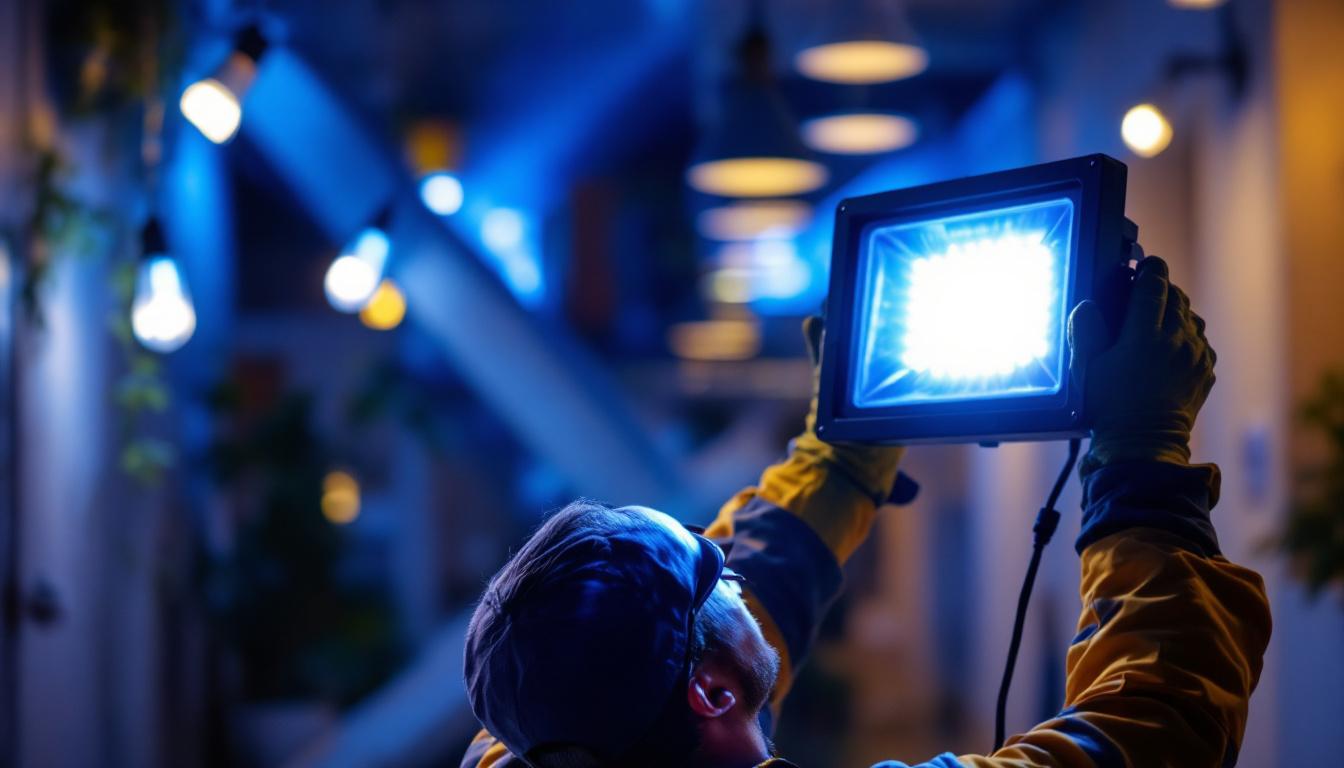
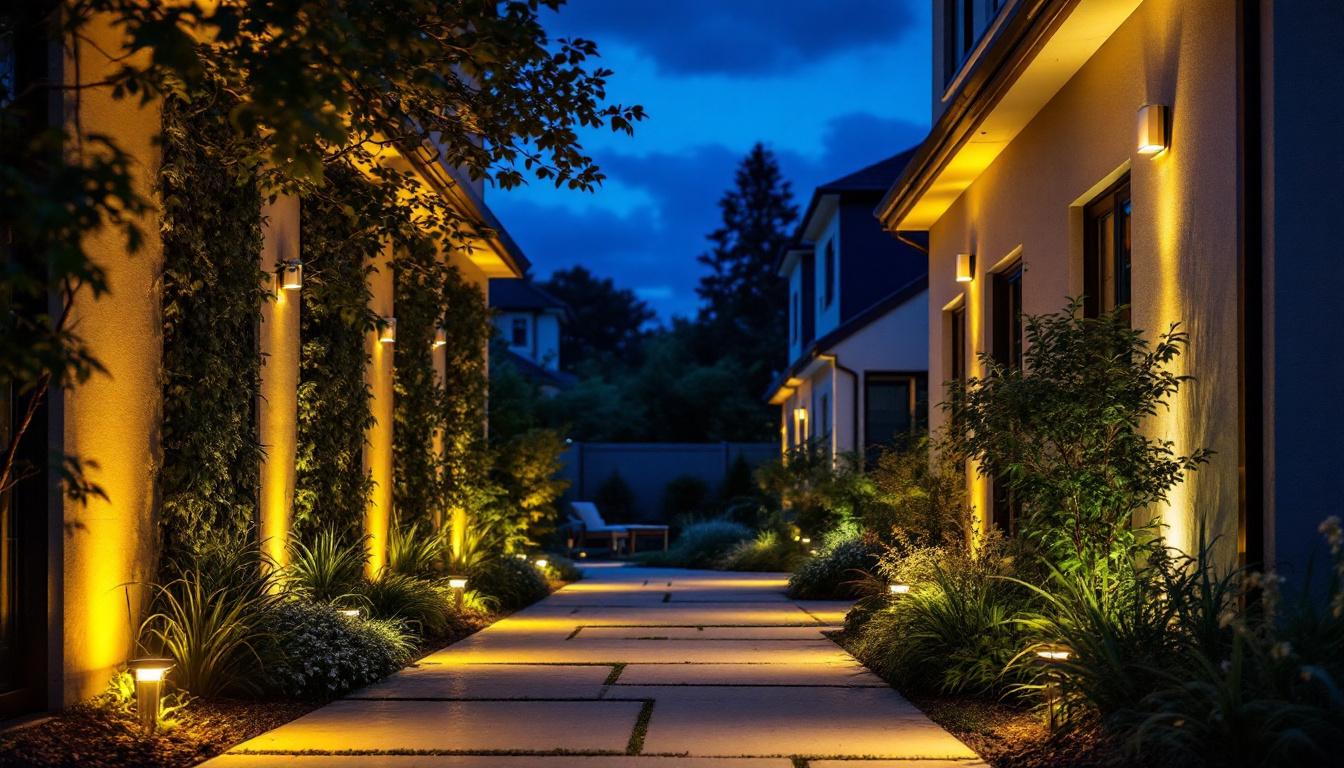
Introduction: Navigating the Evolving Landscape of Lighting
The lighting industry is undergoing rapid transformation, driven by technological advancements, sustainability demands, and shifting consumer preferences. For lighting contractors, staying abreast of these trends is not just beneficial—it’s essential for maintaining a competitive edge and delivering value to clients. This article explores the most impactful trends shaping the lighting sector today, offering insights that every lighting contractor should integrate into their practice.
One of the most significant changes in the lighting landscape is the rise of smart lighting solutions. These systems not only enhance energy efficiency but also provide users with unprecedented control over their environments. With the integration of IoT (Internet of Things) technology, smart lighting can be programmed to adjust based on natural light levels, occupancy, and even user preferences. This level of customization not only improves user experience but also contributes to significant energy savings, making it an attractive option for both residential and commercial projects.
Moreover, the push for sustainability has led to a growing emphasis on eco-friendly lighting solutions. Contractors are increasingly called upon to provide options that utilize renewable energy sources, such as solar-powered lights, or to recommend LED fixtures that consume less power and have a longer lifespan compared to traditional incandescent bulbs. The shift towards sustainable practices is not just a trend; it reflects a broader societal commitment to reducing carbon footprints and promoting environmental stewardship. As consumers become more environmentally conscious, lighting contractors who prioritize sustainability in their offerings will find themselves better positioned to meet client expectations and contribute positively to the planet.
Embracing Smart Lighting Technologies
Integration of IoT and Automation
Smart lighting systems, powered by the Internet of Things (IoT), have revolutionized how lighting is controlled and managed. These systems enable remote operation, scheduling, and customization through smartphones or voice-activated assistants. For contractors, understanding the installation and configuration of smart lighting is critical as demand grows in both residential and commercial markets. The ability to control lighting remotely not only enhances convenience but also allows for innovative applications such as mood lighting, where users can adjust the ambiance of their spaces to suit different activities or times of day.
Automation capabilities also enhance energy efficiency by adjusting lighting based on occupancy, daylight availability, or preset scenarios. This not only reduces operational costs but also aligns with clients’ sustainability goals, making smart lighting an attractive proposition. Furthermore, many smart lighting systems can provide valuable data analytics, allowing homeowners and businesses to track energy usage patterns and optimize their lighting strategies over time. This data-driven approach not only promotes energy conservation but also empowers users to make informed decisions about their lighting needs.
Compatibility and Interoperability Challenges
One challenge contractors face is ensuring compatibility between various smart devices and platforms. With multiple manufacturers and proprietary protocols, integrating lighting systems with existing building automation or other smart home devices requires technical expertise and careful planning. Staying informed about industry standards such as Zigbee, Z-Wave, and emerging protocols can help contractors offer seamless solutions. Additionally, understanding the nuances of different ecosystems, such as Apple HomeKit, Google Assistant, and Amazon Alexa, is essential for creating a cohesive user experience that meets client expectations.
Moreover, as smart lighting technology continues to evolve, contractors must also be prepared to navigate the complexities of firmware updates and security protocols. Ensuring that systems are not only functional but also secure from potential cyber threats is paramount in maintaining client trust and satisfaction. By proactively addressing these compatibility and security issues, contractors can position themselves as knowledgeable leaders in the smart lighting space, capable of delivering comprehensive solutions that enhance both the functionality and safety of modern living environments.
LED Innovation and Energy Efficiency
Advancements in LED Technology
LED lighting continues to dominate due to its superior energy efficiency, longevity, and versatility. Recent innovations include tunable white LEDs that allow users to adjust color temperature throughout the day, enhancing comfort and productivity. Additionally, improvements in LED efficacy—measured in lumens per watt—mean more light output with less energy consumption. These advancements not only cater to residential and commercial needs but also extend to outdoor applications, where smart LEDs can adapt to environmental conditions, providing optimal illumination while conserving energy.
For lighting contractors, recommending and installing the latest LED products can significantly impact clients’ energy savings and environmental footprint. Understanding the nuances of LED drivers, dimming capabilities, and thermal management is crucial for optimal system performance. Furthermore, the integration of smart technology into LED systems allows for remote control and automation, enabling users to schedule lighting based on occupancy or time of day. This not only enhances convenience but also promotes energy conservation, as lights can be programmed to turn off when not in use or adjust based on natural light availability.
Energy Codes and Incentives
Regulatory frameworks increasingly mandate energy-efficient lighting solutions in new constructions and renovations. Familiarity with local and national energy codes, such as the International Energy Conservation Code (IECC) or ASHRAE standards, is essential for compliance. Moreover, many utility companies offer rebates and incentives for installing high-efficiency lighting, which contractors can leverage to enhance project value and appeal. These financial incentives can significantly reduce upfront costs for clients, making energy-efficient upgrades more accessible and attractive.
In addition to financial incentives, many municipalities are implementing stricter energy efficiency requirements, pushing for a shift towards sustainable building practices. This trend is not only beneficial for the environment but also aligns with the growing consumer demand for greener solutions. As such, contractors who stay informed about these evolving regulations and incentives can position themselves as leaders in the industry, providing clients with the latest options for sustainable lighting solutions that meet compliance while also enhancing aesthetic appeal and functionality.
Human-Centric Lighting and Wellness
The Science Behind Circadian Lighting
Human-centric lighting (HCL) focuses on designing lighting systems that support human health and well-being by mimicking natural light patterns. Circadian lighting, a subset of HCL, adjusts color temperature and intensity to align with the body’s biological clock, promoting better sleep, mood, and productivity. Research has shown that exposure to the right light at the right time can significantly influence our circadian rhythms, which govern sleep-wake cycles and various physiological processes. For instance, cooler, bluish light during the day can enhance alertness and cognitive function, while warmer, softer light in the evening can help signal to our bodies that it’s time to wind down.
Lighting contractors are increasingly called upon to incorporate circadian principles in office, healthcare, educational, and residential projects. This requires a deep understanding of spectral power distribution and the ability to specify lighting controls that facilitate dynamic changes throughout the day. Advanced technologies, such as tunable white LEDs and smart lighting systems, allow for real-time adjustments based on the time of day or the specific needs of the occupants. Furthermore, integrating sensors that monitor natural light levels can enhance the effectiveness of HCL systems, ensuring that artificial lighting complements rather than competes with daylight.
Market Demand for Wellness-Oriented Solutions
As awareness of lighting’s impact on wellness grows, clients are prioritizing lighting designs that enhance comfort and mental health. Contractors who can articulate the benefits of human-centric lighting and implement these solutions position themselves as trusted advisors in a competitive marketplace. The demand for wellness-oriented solutions is not just limited to residential spaces; commercial environments are also recognizing the importance of creating spaces that foster employee well-being. Studies have demonstrated that workplaces with well-designed lighting can lead to increased productivity, reduced absenteeism, and enhanced overall job satisfaction.
Moreover, the integration of HCL in healthcare settings is proving to be transformative. Hospitals and clinics that utilize circadian lighting can help improve patient recovery times and reduce the incidence of depression among staff and patients alike. By creating environments that mimic the natural progression of daylight, healthcare facilities can promote healing and comfort, making the experience less stressful for patients. As the market continues to evolve, the ability to provide evidence-based lighting solutions that prioritize health and well-being will be a key differentiator for contractors looking to thrive in this emerging field.
Sustainable Lighting Practices and Circular Economy
Beyond Energy Efficiency: Sustainable Materials and Design
Sustainability in lighting extends beyond energy consumption to include the environmental impact of materials and product lifecycle. Lighting contractors should be aware of products made with recyclable or biodegradable materials and those designed for easy disassembly and repair.
Adopting sustainable procurement practices and advising clients on the environmental benefits of such products contribute to broader corporate social responsibility goals and appeal to eco-conscious consumers.
Implementing Circular Economy Principles
The circular economy model emphasizes reducing waste by reusing, refurbishing, and recycling lighting components. Contractors can support this by partnering with manufacturers offering take-back programs or by specifying modular lighting systems that facilitate upgrades without complete replacement.
This approach not only reduces environmental impact but can also offer cost savings over the long term, making it an attractive proposition for both contractors and clients.
Advanced Lighting Controls and Integration
Dynamic Lighting Systems for Enhanced User Experience
Modern lighting controls extend far beyond simple on/off switches and dimmers. Advanced systems incorporate sensors, occupancy detectors, daylight harvesting, and scene-setting capabilities that dynamically adjust lighting to user needs and environmental conditions.
Lighting contractors must develop expertise in designing and programming these systems to maximize energy savings and user satisfaction. Integration with building management systems (BMS) and other smart infrastructure further enhances functionality and data-driven decision making.
Data Analytics and Predictive Maintenance
Emerging trends include using data analytics to monitor lighting system performance and predict maintenance needs. This proactive approach minimizes downtime and extends the lifespan of lighting installations. Contractors who offer these value-added services differentiate themselves by providing ongoing support and optimized system operation.
Design Trends Influencing Lighting Installations
Minimalist and Architectural Lighting
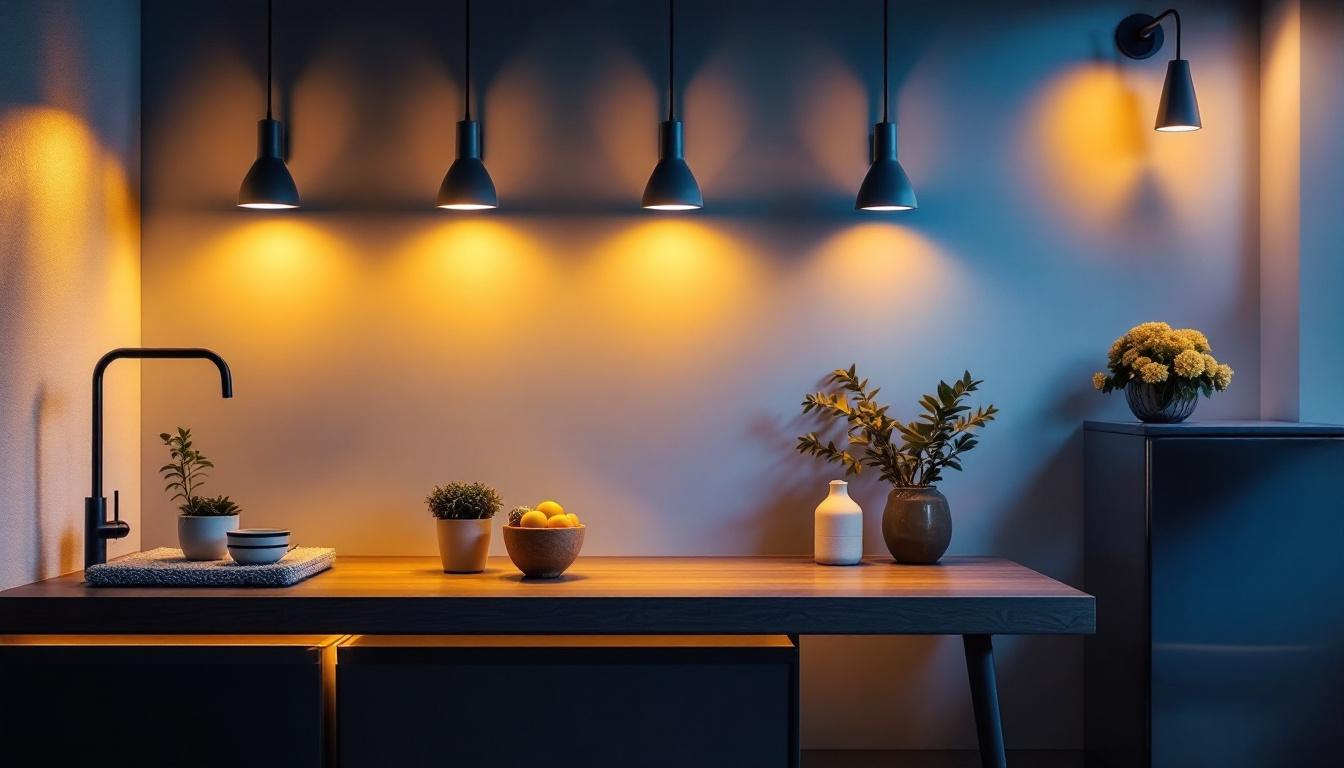
Contemporary design trends favor minimalist aesthetics that emphasize clean lines and subtle integration of lighting fixtures. Architectural lighting that highlights structural elements or creates ambiance is increasingly popular in commercial and residential projects.
Contractors need to collaborate closely with designers and architects to ensure lighting solutions complement overall design intent while meeting functional requirements.
Customization and Personalization
Clients are seeking personalized lighting experiences tailored to their unique preferences and lifestyles. This includes customizable color schemes, adjustable brightness levels, and programmable scenes for different activities or moods.
Providing flexible lighting solutions that accommodate personalization enhances client satisfaction and can lead to repeat business and referrals.
Conclusion: Positioning for Success in a Dynamic Industry
The lighting industry’s rapid evolution presents both challenges and opportunities for contractors. Embracing smart technologies, advancing energy-efficient solutions, prioritizing human-centric design, and adopting sustainable practices are key to thriving in this environment.
By staying informed about emerging trends and continuously upgrading skills, lighting contractors can deliver innovative, compliant, and client-focused solutions that meet today’s demands and anticipate tomorrow’s needs.
Illuminate Your Projects with LumenWholesale
As you navigate the dynamic world of lighting trends, let LumenWholesale be your trusted partner in success. We provide lighting contractors with the industry’s finest spec-grade lighting products at unbeatable wholesale prices, directly cutting out the middleman. Our extensive selection not only meets but exceeds the highest industry standards, ensuring every project shines with reliability and high performance. Plus, with free shipping on bulk orders, you can stock up on premium lighting solutions without worrying about hidden fees or compromises. Elevate your lighting installations with the perfect blend of quality, affordability, and convenience. Wholesale Lighting at the Best Value is just a click away.