Understanding the Unique Challenges of Lighting Awnings
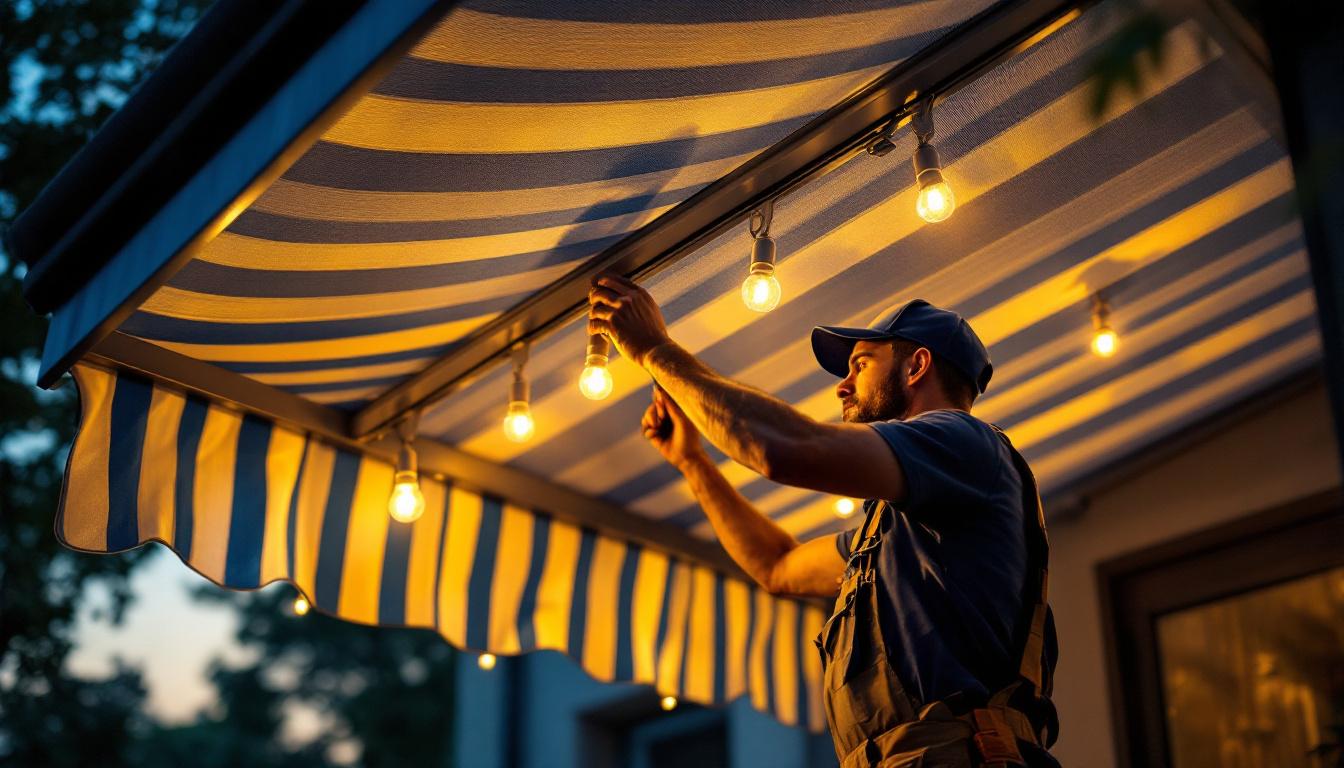
Lighting awnings presents a distinct set of challenges that differ significantly from general outdoor or indoor lighting projects. For contractors, the key lies in balancing aesthetics, functionality, and durability while addressing the architectural nuances of awnings. Unlike flat surfaces, awnings often feature curves, angles, and fabric materials that impact light distribution and fixture placement. The selection of lighting fixtures must therefore be carefully considered; options such as LED strips or recessed lighting can offer flexibility in design, allowing for creative solutions that complement the awning’s shape and purpose.
Moreover, awnings are exposed to varying weather conditions, including rain, wind, and intense sunlight, which means lighting solutions must be weather-resistant and robust. Contractors must also consider the electrical safety standards for outdoor installations, ensuring that all wiring and fixtures comply with local codes and regulations. This includes using corrosion-resistant materials and ensuring that all connections are sealed against moisture intrusion, which is critical for maintaining the longevity of the installation. Additionally, the choice of lighting color temperature can greatly influence the mood of the space; warmer tones can create a cozy atmosphere for evening gatherings, while cooler tones can enhance visibility and safety during nighttime use.
Understanding these challenges upfront enables lighting contractors to design and implement solutions that not only illuminate effectively but also enhance the overall ambiance and usability of the space beneath the awning. Furthermore, the integration of smart lighting technology can offer added convenience and energy efficiency. By incorporating motion sensors or dimmable features, contractors can provide clients with customizable lighting options that adapt to their specific needs, whether it’s hosting a dinner party or enjoying a quiet evening outdoors. This level of adaptability not only improves the user experience but also adds value to the property, making it a worthwhile investment for homeowners looking to enhance their outdoor living spaces.
Choosing the Right Lighting Fixtures for Awnings
LED Lighting: Efficiency and Longevity
LED technology has revolutionized outdoor lighting, and awnings are no exception. LEDs offer superior energy efficiency, longer lifespan, and lower maintenance compared to traditional incandescent or halogen bulbs. For awning lighting, LEDs provide bright, consistent illumination that can be tailored in color temperature to match the desired mood—whether warm and inviting or cool and modern.
Another advantage of LEDs is their compact size, allowing for discreet installation that doesn’t detract from the awning’s design. Smart lighting contractors often select LED strips or puck lights that can be mounted along the awning’s frame or underside, providing even light coverage without glare. Additionally, the versatility of LED technology means that they can be programmed for various scenarios, such as brighter settings for gatherings or softer lighting for intimate dinners, enhancing the overall outdoor experience.
Weatherproof and Durable Fixtures
Given that awnings are exposed to the elements, lighting fixtures must be rated for outdoor use. IP65 or higher ratings are generally recommended to ensure protection against dust and water ingress. Fixtures made from corrosion-resistant materials such as stainless steel, aluminum, or high-grade plastics extend the lifespan of the installation. Choosing the right materials not only ensures durability but also contributes to the aesthetic appeal of the awning, as fixtures can be designed to complement various architectural styles.
Contractors should also consider the ease of maintenance and replacement when selecting fixtures. Modular designs that allow for quick bulb or component swaps can save time and reduce costs over the lifetime of the installation. Furthermore, investing in high-quality fixtures can prevent premature failures, which are often caused by exposure to harsh weather conditions. By prioritizing robust construction and reliable performance, contractors can provide clients with peace of mind that their outdoor lighting will stand the test of time.
Incorporating Smart Lighting Controls
Smart lighting systems offer contractors and clients enhanced control over awning illumination. Features such as dimming, color changing, and scheduling can be managed via mobile apps or integrated home automation systems. This flexibility not only improves user experience but also contributes to energy savings by ensuring lights operate only when needed. The ability to customize lighting settings for different occasions can significantly enhance the ambiance of outdoor spaces, making them more inviting and functional.
Motion sensors and ambient light detectors can further optimize lighting usage, automatically adjusting brightness or turning lights off during daylight hours. For commercial awnings, this can translate into significant operational cost reductions. Moreover, integrating these smart systems can provide valuable data insights, allowing users to track energy consumption patterns and make informed decisions about their lighting needs. As technology continues to evolve, the potential for innovative lighting solutions will only expand, providing even more opportunities for customization and efficiency in outdoor settings.
Installation Techniques and Best Practices
Planning for Wiring and Power Supply
Effective lighting installation begins with meticulous planning of the electrical layout. Contractors should assess the existing power sources and determine the best routing for wiring to minimize exposure and potential damage. Concealing cables within the awning’s structural elements or using weatherproof conduits enhances both safety and aesthetics.
When working with fabric awnings, care must be taken to avoid puncturing or damaging the material. Surface-mounted fixtures or adhesive-backed LED strips designed for fabric applications can provide safe, non-invasive solutions.
Optimizing Light Placement for Maximum Impact
Strategic placement of lighting fixtures is crucial to achieving uniform illumination and avoiding harsh shadows or glare. For rectangular or flat awnings, mounting lights along the perimeter can create a soft wash of light that highlights the awning’s shape and provides functional lighting beneath.
For curved or multi-tiered awnings, layering different types of lighting—such as combining downlights with accent or uplights—can add depth and visual interest. Contractors should use light meters or smartphone apps to measure illumination levels during installation, ensuring compliance with client specifications and safety standards.
Ensuring Safety and Compliance
Outdoor lighting installations must adhere to electrical codes and safety regulations, including grounding, waterproofing, and circuit protection. Contractors should conduct thorough inspections and tests post-installation to verify that all components function correctly and safely.
Additionally, using UL-listed or equivalent certified products helps guarantee quality and compliance. Documenting the installation process and providing clients with maintenance guidelines can further enhance safety and satisfaction.
Innovative Hacks to Enhance Awning Lighting Projects
Utilizing Reflective Surfaces to Amplify Light
One clever technique involves incorporating reflective materials near the awning to amplify and diffuse light. For example, installing light-colored or metallic panels on adjacent walls or surfaces can bounce light back under the awning, increasing brightness without additional fixtures.
This approach not only reduces energy consumption but also creates a more inviting atmosphere by softening shadows and enhancing color vibrancy.
Integrating Solar-Powered Lighting Solutions
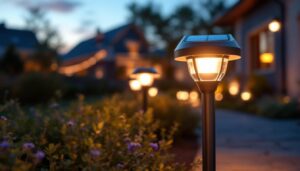
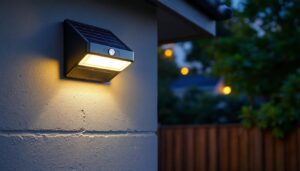
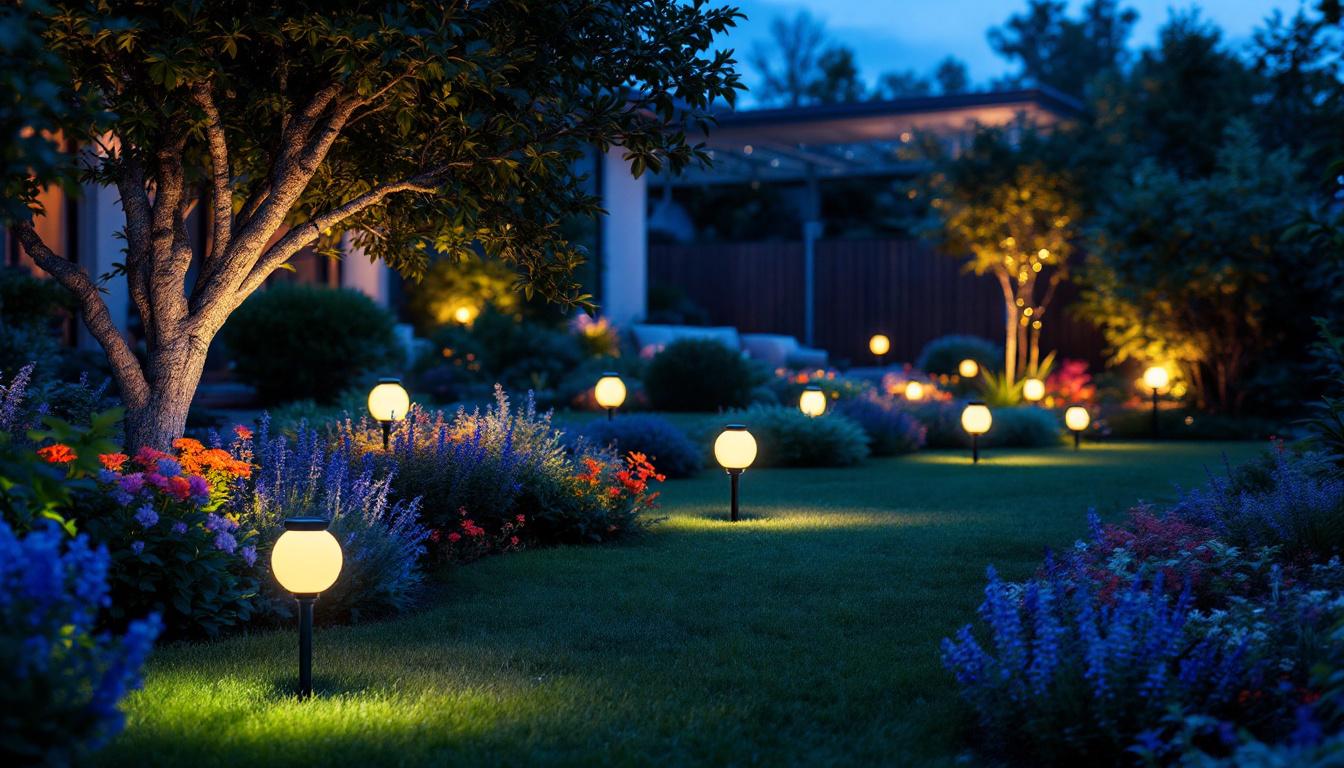
Solar lighting has become increasingly viable for awning projects, especially in locations with ample sunlight. Solar-powered LED fixtures eliminate the need for complex wiring and reduce energy costs. Modern solar lights come with integrated batteries and smart sensors, allowing for automatic operation at dusk and dawn.
While solar options may have limitations in terms of brightness and runtime, they are ideal for temporary installations, remote locations, or eco-conscious clients seeking sustainable lighting solutions.
Customizing Lighting Effects with Color and Texture
Adding color-changing LEDs or programmable RGB fixtures can transform an ordinary awning into a dynamic visual feature. Contractors can create custom lighting scenes for different occasions, enhancing the client’s outdoor experience.
Additionally, projecting textured light patterns or using gobos can add artistic flair, highlighting the awning’s fabric texture or surrounding landscaping. These creative touches require careful programming and fixture selection but can significantly elevate the perceived value of the installation.
Maintenance and Troubleshooting Tips for Long-Term Success
Routine Inspection and Cleaning
Outdoor lighting systems require regular maintenance to ensure optimal performance. Contractors should advise clients to inspect fixtures periodically for dirt, debris, or damage. Cleaning lenses and removing obstructions can prevent light dimming and fixture overheating.
Scheduling professional maintenance visits can help identify potential issues early, such as corrosion or wiring wear, reducing the risk of costly repairs or replacements.
Addressing Common Issues Efficiently
Common problems in awning lighting include flickering lights, uneven illumination, or sensor malfunctions. Contractors should be prepared with diagnostic tools and replacement parts to address these issues promptly.
For flickering, checking for loose connections or voltage fluctuations is essential. Uneven lighting may require repositioning fixtures or adding supplemental lights. Sensor problems often stem from environmental interference or incorrect settings and can usually be resolved through recalibration or firmware updates.
Upgrading Systems for Future-Proofing
As lighting technology evolves, contractors should encourage clients to consider upgrade paths that allow integration with emerging smart home systems or energy management platforms. Modular fixtures and standardized control protocols facilitate seamless updates without complete system overhauls.
Future-proofing not only enhances client satisfaction but also positions contractors as forward-thinking professionals in a competitive market.
Conclusion: Elevating Awning Lighting Through Expertise and Innovation
Lighting contractors who master the art and science of awning illumination can deliver solutions that blend functionality, style, and sustainability. By understanding the unique challenges, selecting appropriate fixtures, employing smart installation techniques, and leveraging innovative hacks, professionals can create compelling outdoor environments that delight clients and stand the test of time.
Continuous learning, adherence to safety standards, and embracing new technologies will ensure contractors remain at the forefront of this specialized field, driving both business growth and customer satisfaction.
Get Your Spec-Grade Lighting Supplies at LumenWholesale
Ready to take your awning lighting projects to the next level? LumenWholesale is here to support your expertise and innovation with our extensive range of top-quality, spec-grade lighting products. Enjoy unbeatable wholesale prices and say goodbye to inflated markups. Our commitment to quality and affordability means you can deliver exceptional results to your clients, every time. Plus, with free shipping on bulk orders, you can stock up on premium lighting solutions without worrying about hidden fees. Elevate your lighting game and experience the best value in wholesale lighting by visiting LumenWholesale today.