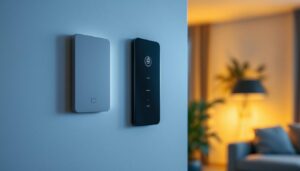
Understanding the nuances of light switches is essential for lighting contractors who aim to deliver exceptional service and installations. The world of lighting is not just about aesthetics; it also involves a deep understanding of electrical components, including switches. This article delves into the various types of light switches, their functionalities, and considerations for installation, catering specifically to the needs of lighting contractors.
Types of Light Switches
Light switches come in various forms, each designed to meet different needs and preferences. Familiarity with these types can enhance a contractor’s ability to recommend the best options to clients.
Toggle Switches
Toggle switches are perhaps the most recognizable type of light switch. They operate with a simple up-and-down motion, making them user-friendly. Typically, these switches are mounted on walls and can control a single light fixture or multiple fixtures in a circuit.
When installing toggle switches, it is crucial to ensure they are mounted at a standard height for accessibility. Additionally, contractors should consider the switch’s rating to ensure it can handle the electrical load of the connected fixtures. Toggle switches come in various styles and finishes, allowing them to blend seamlessly with different interior designs, from modern to traditional. Some models even feature illuminated toggles, providing a visual cue in dark environments, which can be particularly beneficial for households with children or elderly members.
Dimming Switches
Dimming switches add a layer of versatility to lighting systems, allowing users to adjust the brightness of their lights. This feature is increasingly popular in residential and commercial settings, as it can enhance ambiance and energy efficiency.
When selecting dimming switches, contractors should be aware of compatibility issues with different types of bulbs, such as LED or incandescent. Understanding the electrical load and ensuring the dimmer can handle it is essential for optimal performance. Moreover, dimming switches can significantly contribute to energy savings by allowing users to lower the brightness when full illumination is unnecessary. This not only extends the lifespan of light bulbs but also reduces electricity consumption, making it an appealing option for environmentally conscious clients. Some advanced dimmers even offer preset lighting scenes, allowing users to create the perfect atmosphere for various activities, from movie nights to dinner parties.
Smart Switches
Smart switches represent the future of lighting control. These devices can be controlled remotely via smartphones or integrated into home automation systems. They offer features such as scheduling, energy monitoring, and even voice control through virtual assistants.
For contractors, installing smart switches involves understanding the home’s Wi-Fi network and ensuring compatibility with existing systems. Educating clients on the benefits and functionalities of smart switches can also lead to more informed purchasing decisions. The integration of smart switches into a home can elevate the overall living experience, allowing users to create customized lighting schedules that align with their daily routines. For instance, homeowners can program their lights to gradually brighten in the morning to simulate a natural sunrise, promoting a more pleasant wake-up experience. Additionally, many smart switches come with security features that can simulate occupancy by turning lights on and off at random intervals, providing peace of mind when homeowners are away. As technology continues to evolve, the capabilities of smart switches are expected to expand, making them an increasingly valuable addition to modern homes.
Understanding Switch Ratings
Each light switch comes with a rating that indicates its capacity to handle electrical loads. Understanding these ratings is vital for contractors to ensure safety and functionality in installations. Properly rated switches not only protect the wiring and fixtures but also contribute to the overall efficiency of the electrical system, making it essential for contractors to be well-versed in these specifications.
Amperage Ratings
The amperage rating of a switch indicates the maximum current it can handle. Most residential switches are rated for 15 or 20 amps. Exceeding these ratings can lead to overheating and potential fire hazards, making it crucial for contractors to match the switch rating with the electrical load of the fixtures being controlled. Additionally, using a switch with a lower amperage rating than required can lead to nuisance tripping, where the switch frequently interrupts the power supply due to overload, causing frustration for homeowners.
Contractors should also educate clients on the importance of using appropriately rated switches, as this can prevent future electrical issues and enhance the longevity of the lighting system. Moreover, discussing the implications of using substandard switches can help clients understand the potential risks involved, including the possibility of voiding warranties on electrical appliances and fixtures if improper components are used.
Voltage Ratings
Voltage ratings indicate the maximum voltage a switch can handle. Most residential switches are designed for 120 volts, but contractors should be aware that some commercial applications may require switches rated for higher voltages. Ensuring the correct voltage rating is essential to prevent electrical failures and maintain safety standards. For instance, in industrial settings, switches may need to accommodate voltages of 240 volts or more, which necessitates a deeper understanding of both the equipment being used and the specific requirements of the installation environment.
When working on commercial projects, it is advisable to consult local electrical codes and regulations to ensure compliance with voltage requirements. Additionally, contractors should consider the impact of voltage fluctuations and surges, which can occur in high-demand environments, and select switches that offer surge protection features. This proactive approach not only safeguards the electrical system but also enhances the reliability of the entire installation, providing peace of mind to both contractors and their clients.
Installation Best Practices
Proper installation of light switches is critical for both functionality and safety. Following best practices can enhance the quality of work and client satisfaction.
Wiring Considerations
Wiring is a fundamental aspect of switch installation. Contractors should ensure that the wiring is appropriate for the switch type and the electrical load it will control. Using the correct gauge wire is essential to prevent overheating and ensure safety.
Additionally, it is important to follow local electrical codes during installation. This not only ensures safety but also protects contractors from potential liability issues related to improper installations.
Placement and Accessibility
Placement of light switches is often dictated by convenience and accessibility. Contractors should install switches at a height that is easily reachable for all users, typically around 48 inches from the floor. Consideration should also be given to the layout of the room and the positioning of furniture to avoid obstructing access to switches.
In commercial settings, it may be beneficial to install switches in locations that are easily visible and accessible, ensuring that all employees can operate the lighting without difficulty.
Common Issues and Troubleshooting
Even with proper installation, issues can arise with light switches. Understanding common problems and their solutions can save contractors time and enhance their reputation for quality service.
Switch Malfunctions
One of the most common issues with light switches is malfunctioning due to wear and tear or electrical surges. Symptoms may include flickering lights, a switch that feels loose, or lights that do not turn on at all. In such cases, it is often necessary to replace the switch.
Contractors should educate clients about the signs of switch malfunction and recommend regular inspections to ensure the longevity of their lighting systems.
Wiring Issues
Wiring problems can lead to significant issues, including short circuits or electrical fires. If a switch is not functioning correctly, contractors should check the wiring connections to ensure they are secure and properly insulated. Loose wires can cause arcing, leading to potential hazards.
In cases where wiring issues are suspected, it may be necessary to conduct a thorough inspection of the entire circuit to identify and rectify the problem.
Energy Efficiency and Sustainability
With the growing emphasis on energy efficiency and sustainability, lighting contractors have an opportunity to guide clients toward more eco-friendly solutions. Understanding how light switches can contribute to energy savings is essential.
Using Dimmers for Energy Savings
As previously mentioned, dimming switches allow users to adjust the brightness of their lights. This not only enhances the ambiance but can also lead to significant energy savings. By reducing the brightness of lights when full illumination is not necessary, clients can lower their energy consumption.
Contractors should promote the use of dimmers as a straightforward way to enhance energy efficiency in both residential and commercial settings. Educating clients on the potential savings can also encourage them to invest in these solutions.
Smart Technology and Energy Monitoring
Smart switches often come equipped with energy monitoring features, allowing users to track their energy usage in real-time. This data can help clients make informed decisions about their lighting habits and identify areas where they can reduce consumption.
Contractors should emphasize the benefits of smart technology in promoting energy efficiency, as this aligns with the growing trend toward sustainable living and can enhance the appeal of their services.
Conclusion
In the ever-evolving field of lighting, understanding the intricacies of light switches is vital for contractors looking to provide top-notch service. From recognizing the different types of switches to mastering installation techniques and troubleshooting common issues, a comprehensive knowledge base can set a contractor apart in a competitive market.
As energy efficiency and smart technology continue to shape the industry, contractors who stay informed and adapt to these changes will not only enhance their service offerings but also contribute to a more sustainable future. By prioritizing education and client engagement, lighting contractors can build lasting relationships and ensure the success of their projects.
Illuminate Your Projects with LumenWholesale
Ready to elevate your lighting installations with the best in the business? At LumenWholesale, we provide lighting contractors like you with the highest quality, spec-grade lighting products at prices that can’t be beaten. Say goodbye to local distributor markups and hello to a vast selection of reliable, high-performance lighting that meets rigorous industry standards. Plus, with the convenience of free shipping on bulk orders, you can stock up on premium lighting without the worry of hidden fees or compromises. Don’t miss out on the perfect combination of quality, affordability, and convenience. Wholesale Lighting at the Best Value is just a click away. Make the smart switch to LumenWholesale today and light up your projects with confidence.