Understanding the Importance of Stair Lighting
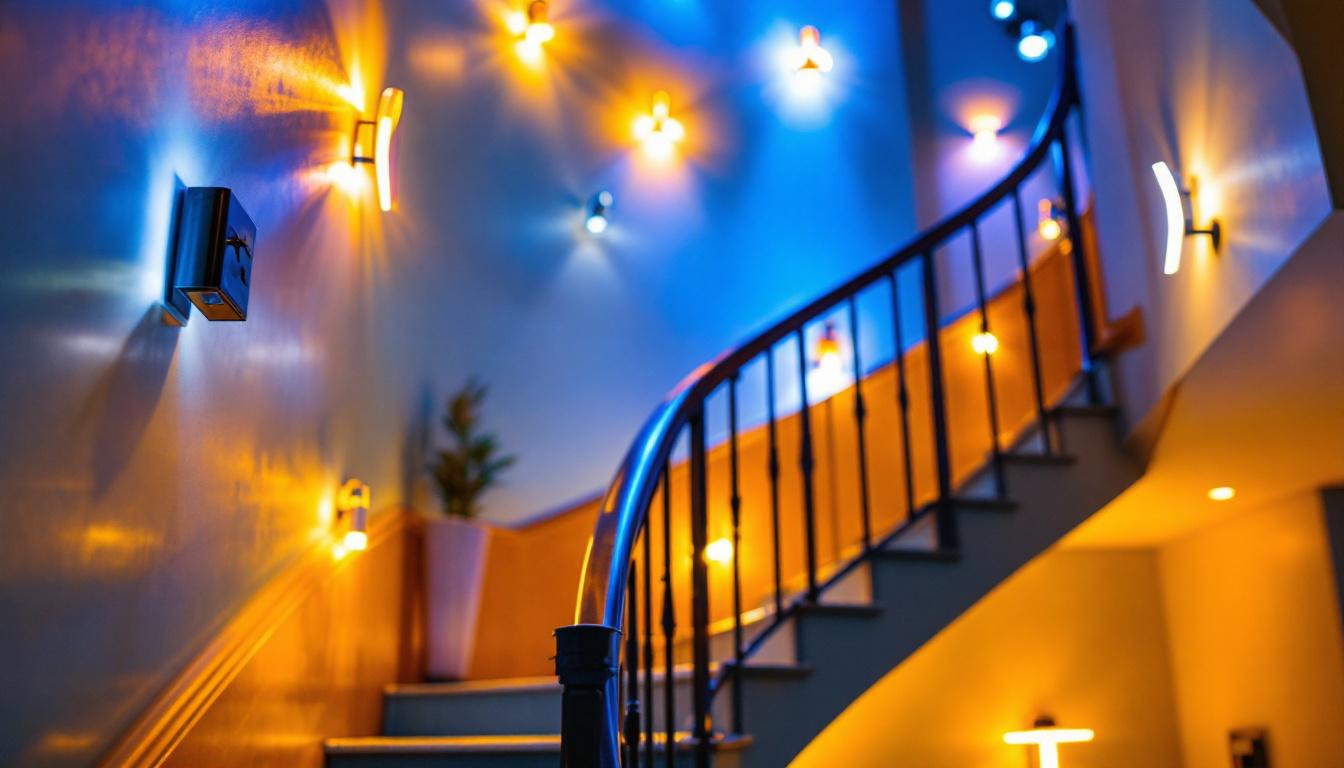
Stair lighting is more than just an aesthetic enhancement; it is a critical safety feature that ensures visibility and reduces the risk of accidents. For lighting contractors, selecting the right stair lighting solutions involves balancing functionality, design, and compliance with safety standards. Properly illuminated stairs can transform a space, providing both practical benefits and an inviting atmosphere. The choice of lighting fixtures, whether they are recessed lights, wall sconces, or step lights, can significantly influence the overall ambiance of the area while ensuring that each step is clearly visible.
In commercial and residential settings alike, stair lighting plays a pivotal role in guiding users safely through transitions between levels. According to industry safety reports, falls on stairs are a leading cause of injuries in both public and private spaces, underscoring the necessity of effective lighting. Lighting contractors must therefore prioritize solutions that not only meet regulatory requirements but also enhance user experience. The integration of motion sensors can further improve safety by automatically illuminating stairs when someone approaches, ensuring that no one has to navigate darkened steps. Additionally, the use of warm LED lighting can create a welcoming environment, reducing the starkness often associated with harsher lighting options.
Moreover, the design of stair lighting can also reflect the architectural style of the building, enhancing its overall aesthetic appeal. For instance, modern homes may benefit from sleek, minimalist fixtures that blend seamlessly with contemporary decor, while traditional settings might call for more ornate designs that complement classic architecture. Furthermore, the placement of lighting is crucial; lights should be strategically positioned to illuminate each step and landing effectively, minimizing shadows that could obscure visibility. Incorporating dimmable options can also allow for flexibility in lighting intensity, catering to different needs throughout the day and evening.
In addition to safety and design, energy efficiency is an increasingly important consideration in stair lighting. With advancements in LED technology, lighting contractors can offer solutions that not only provide bright, clear illumination but also consume less power compared to traditional incandescent bulbs. This not only reduces energy costs for homeowners and businesses but also contributes to a more sustainable environment. By selecting fixtures with longer lifespans and lower energy consumption, clients can enjoy the benefits of stair lighting without the frequent need for replacements or excessive energy bills.
Key Factors to Consider When Choosing Stair Lighting
Safety and Compliance
Safety is paramount when selecting stair lighting. Lighting contractors must ensure that the chosen fixtures comply with local building codes and standards such as the International Building Code (IBC) and the National Electrical Code (NEC). These codes often specify minimum illumination levels, fixture placement, and emergency lighting requirements.
Illumination levels on stairs should typically range between 100 to 200 lux, providing adequate visibility without causing glare. Additionally, contractors should consider the uniformity of light distribution to avoid shadows that could obscure stair edges. It is also essential to ensure that the lighting is positioned in a way that minimizes the risk of accidents, particularly in high-traffic areas. For instance, utilizing wall-mounted fixtures can help illuminate the stairway without obstructing the path, while strategically placed downlights can enhance visibility without creating harsh contrasts that could lead to missteps.
Type of Lighting Fixtures
There is a variety of lighting fixtures suitable for stairs, each with its own advantages. Common options include recessed lights, LED strip lights, step lights, and handrail-integrated lighting. Recessed lights offer a clean look and can be installed in stair risers or walls, while LED strips provide continuous illumination along the stair tread or handrail.
Step lights are particularly effective for highlighting each stair tread, enhancing depth perception. Handrail lighting integrates illumination directly into the railing, creating a seamless and modern appearance. Lighting contractors should evaluate the architectural style, user needs, and installation constraints when selecting fixture types. For example, in a contemporary home, sleek, minimalist fixtures may complement the overall aesthetic, while in a more traditional setting, ornate fixtures could add character and charm. Furthermore, the color temperature of the lighting can also play a significant role; warmer tones can create a cozy atmosphere, while cooler tones can offer a more energizing effect, thus influencing the overall ambiance of the stairway.
Energy Efficiency and Sustainability
Energy efficiency is a critical consideration in modern lighting projects. LED technology has revolutionized stair lighting by offering long-lasting, low-energy solutions that reduce maintenance costs and environmental impact. Lighting contractors should prioritize LED fixtures with high luminous efficacy and low power consumption.
Additionally, incorporating smart controls such as motion sensors and dimmers can further optimize energy use by ensuring lights are only active when needed. This not only conserves energy but also extends the lifespan of the lighting system. Moreover, the integration of renewable energy sources, such as solar-powered lights for outdoor staircases, can significantly enhance sustainability efforts. As technology advances, the potential for smart lighting systems that adjust based on natural light levels or user habits is becoming increasingly viable, allowing for a more responsive and efficient lighting solution that meets the evolving needs of modern living spaces.
Design Considerations for Stair Lighting
Enhancing Aesthetics and Ambiance
Beyond safety, stair lighting significantly influences the ambiance of a space. Lighting contractors must work closely with architects and interior designers to select fixtures and lighting schemes that complement the overall design vision. Warm white LEDs can create a cozy atmosphere, while cooler tones may suit contemporary or industrial aesthetics.
Layered lighting techniques, combining ambient, accent, and task lighting, can add depth and visual interest to staircases. For example, pairing overhead pendant lights with subtle step lighting can highlight architectural features while maintaining functionality.
Color Temperature and CRI
The color temperature of stair lighting affects both appearance and user comfort. Generally, a color temperature between 2700K and 3500K is preferred for residential stairs, offering a warm and inviting glow. Commercial spaces might benefit from slightly cooler temperatures to promote alertness and clarity.
Color Rendering Index (CRI) is another important metric, indicating how accurately colors appear under the light source. A CRI of 80 or above is recommended to ensure natural color perception, which can be particularly important in retail or hospitality environments.
Integration with Architectural Elements
Seamless integration of lighting fixtures into the stair design enhances both form and function. Lighting contractors should consider fixture placement that complements architectural lines and materials without causing obtrusive glare or shadows. For instance, embedding LED strips beneath stair nosings or installing step lights flush with the wall surface can achieve a minimalist look.
Moreover, the choice of materials for fixtures and diffusers can influence light quality and durability. Durable, moisture-resistant materials are essential in outdoor or high-traffic staircases to withstand wear and environmental factors.
Technical Specifications and Installation Best Practices
Voltage and Power Requirements
Understanding the electrical requirements is crucial for a successful stair lighting installation. Most modern stair lighting solutions operate on low voltage (12V or 24V) systems, which are safer and easier to install in confined spaces. Lighting contractors should ensure compatibility between power supplies, fixtures, and control systems to avoid performance issues.
Proper load calculation and circuit design are necessary to prevent overloading and ensure consistent illumination. Using dedicated circuits for stair lighting can enhance reliability and simplify maintenance.
Wiring and Control Systems
Efficient wiring and control systems enhance the functionality and user experience of stair lighting. Motion sensors are highly recommended for staircases, activating lights only when movement is detected to conserve energy. Additionally, dimmers allow users to adjust brightness levels according to time of day or preference.
Advanced control systems can integrate stair lighting with broader building automation, enabling features such as remote monitoring, scheduling, and adaptive lighting based on ambient conditions. Lighting contractors should stay informed about emerging technologies to offer clients innovative solutions.
Installation Techniques and Safety Precautions
Proper installation is vital to ensure the longevity and effectiveness of stair lighting. Lighting contractors should follow manufacturer guidelines meticulously, paying close attention to fixture positioning, secure mounting, and wiring protection. In wet or outdoor environments, fixtures must have appropriate IP ratings to prevent moisture ingress.
Safety precautions during installation include de-energizing circuits, using insulated tools, and adhering to occupational safety standards. Thorough testing after installation verifies correct operation and compliance with lighting specifications.
Case Studies: Successful Stair Lighting Projects
Modern Office Complex
A recent project in a multi-story office building demonstrated the impact of well-designed stair lighting. The contractor installed recessed LED step lights combined with handrail-integrated strips, creating a sleek, modern look while ensuring safety. Motion sensors and dimmers optimized energy use, resulting in a 40% reduction in lighting energy consumption compared to previous installations.
This approach not only enhanced the building’s aesthetic appeal but also contributed to occupant satisfaction and compliance with workplace safety standards.
Luxury Residential Development
In a high-end residential development, lighting contractors collaborated with interior designers to implement warm-toned LED strip lighting beneath stair treads and pendant lights above the staircase. The lighting scheme emphasized architectural details and provided a welcoming ambiance.
The use of high-CRI LEDs ensured accurate color rendering of surrounding materials, while smart controls allowed homeowners to customize lighting scenes. This project highlights the importance of integrating lighting design with overall interior concepts.
Conclusion: Making Informed Choices for Stair Lighting
For lighting contractors, choosing the right stair lighting involves a careful assessment of safety requirements, design goals, technical specifications, and energy efficiency. By understanding the diverse options available and adhering to best practices, contractors can deliver lighting solutions that enhance both functionality and aesthetics.
Stair lighting is a vital component of building safety and design, and its thoughtful implementation can significantly improve user experience. Staying abreast of technological advancements and regulatory changes ensures that lighting contractors remain equipped to provide optimal solutions tailored to each project’s unique needs.
Illuminate Your Projects with LumenWholesale
Ready to elevate your stair lighting projects with the finest selection of wholesale lighting? Look no further than LumenWholesale, where we offer an extensive range of high-quality, spec-grade lighting products at prices that can’t be beaten. Say goodbye to middleman markups and hello to superior lighting solutions that meet the highest industry standards. With free shipping on bulk orders, you can trust that you’re getting premium lighting at the best value — all without hidden fees or compromises. Enhance the safety, design, and efficiency of your stair lighting installations with the perfect blend of quality, affordability, and convenience. Choose LumenWholesale for your next project and experience the difference. Wholesale Lighting at the Best Value.