Understanding Light Post Bulbs: Foundations for Lighting Contractors
Light post bulbs are a critical component in outdoor lighting installations, serving both functional and aesthetic purposes. For lighting contractors, selecting the right bulb type can significantly impact energy efficiency, maintenance costs, and the overall ambiance of a project. This guide aims to provide a comprehensive overview of light post bulbs, focusing on the technical specifications, types, and practical considerations essential for professionals in the field.
Outdoor lighting is subject to unique environmental challenges such as weather exposure, temperature fluctuations, and vandalism risks. Therefore, the choice of light post bulbs must account for durability and performance under these conditions. Additionally, regulatory standards and energy codes increasingly influence bulb selection, making it imperative for contractors to stay informed about the latest technologies and compliance requirements.
Key Characteristics of Light Post Bulbs
When evaluating light post bulbs, contractors should consider several key characteristics:
- Lumen Output: This measures the brightness of the bulb. Outdoor spaces typically require higher lumen outputs to ensure adequate illumination for safety and visibility.
- Color Temperature: Measured in Kelvins (K), color temperature affects the mood and clarity of the lighting. For outdoor posts, bulbs ranging from 2700K to 4000K are common, offering warm to neutral white light.
- Energy Efficiency: Energy consumption is a major factor in operational costs. LED bulbs, for example, offer superior efficiency compared to traditional incandescent or high-intensity discharge (HID) bulbs.
- Lifespan: Longer-lasting bulbs reduce maintenance frequency and costs. LEDs typically provide tens of thousands of hours of service, outlasting other types significantly.
- Weather Resistance: Bulbs designed for outdoor use often have protective coatings or are sealed to prevent moisture ingress.
In addition to these characteristics, it is also essential for contractors to consider the beam angle of the light post bulbs. A wider beam angle can illuminate larger areas, making it ideal for parks and public spaces, while a narrower beam is better suited for pathways or accent lighting. Furthermore, the choice of dimmable bulbs can provide added flexibility, allowing for adjustments in brightness based on the time of day or specific events, enhancing both safety and ambiance. As outdoor lighting continues to evolve, smart technology integration is becoming increasingly popular, enabling remote control and automation of lighting systems, which can lead to further energy savings and improved user experience.
Moreover, the aesthetic aspect of light post bulbs cannot be overlooked. The design of the bulb and its housing can greatly influence the overall look of an outdoor space. Many municipalities have specific design guidelines that dictate the style and appearance of outdoor lighting fixtures to maintain a cohesive neighborhood aesthetic. Lighting contractors must therefore balance functionality with design, ensuring that the chosen bulbs not only meet performance criteria but also complement the architectural style of the surrounding environment. This attention to detail can significantly enhance the visual appeal of a project, making it more attractive to both residents and visitors alike.
Types of Light Post Bulbs and Their Applications
Lighting contractors must be familiar with the various types of bulbs available for light posts to recommend the best solution for each project. The main categories include LED, HID, incandescent, and compact fluorescent bulbs, each with distinct advantages and limitations.
LED Bulbs: The Industry Standard
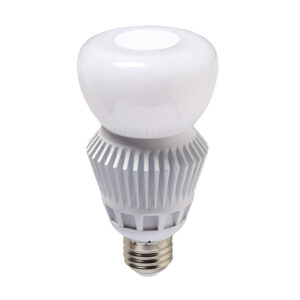
Light Emitting Diode (LED) bulbs have become the preferred choice for outdoor lighting due to their energy efficiency, longevity, and versatility. LEDs consume up to 75% less energy than incandescent bulbs and can last 25 times longer, which translates into significant savings on electricity and replacement costs.
Moreover, LEDs offer instant-on capabilities without warm-up time, which is particularly beneficial for security lighting. Their directional light output reduces light pollution and enhances the effectiveness of the illumination. LEDs are available in a wide range of color temperatures and dimmable options, allowing for customizable lighting designs.
High-Intensity Discharge (HID) Bulbs
HID bulbs, including metal halide and high-pressure sodium types, have traditionally been used in outdoor lighting due to their high lumen output and efficiency. Metal halide bulbs produce a bright, white light suitable for commercial and industrial settings, while high-pressure sodium bulbs emit a warm, amber glow often used in street lighting.
However, HID bulbs have longer warm-up times and shorter lifespans compared to LEDs. They also contain hazardous materials such as mercury, which requires careful disposal. Despite these drawbacks, HID bulbs remain relevant in certain applications where high-intensity lighting is necessary at a lower upfront cost.
Incandescent and Compact Fluorescent Bulbs
Incandescent bulbs are rarely used in modern outdoor lighting due to their low energy efficiency and short lifespan. Compact fluorescent lamps (CFLs) offer better efficiency than incandescents but are less durable and slower to start compared to LEDs.
While CFLs can be a budget-friendly option, their sensitivity to temperature extremes and the presence of mercury limit their suitability for many outdoor applications. Contractors should generally prioritize LED or HID options unless specific project constraints dictate otherwise.
Technical Considerations for Installation and Maintenance
Beyond bulb selection, lighting contractors must address installation and maintenance factors to ensure optimal performance and longevity of light post bulbs. Proper handling, fixture compatibility, and adherence to electrical codes are paramount.
Fixture Compatibility and Socket Types
Light post fixtures come with various socket types, including E26, E39, and mogul bases. Selecting bulbs that match the fixture’s socket is essential to avoid installation issues and ensure electrical safety. Additionally, the wattage rating of the fixture must not be exceeded by the bulb to prevent overheating and potential fire hazards.
Contractors should verify that the fixture’s enclosure rating (such as IP ratings) aligns with the bulb’s specifications to protect against moisture and dust ingress. This is especially critical in areas with heavy rainfall or dust exposure.
Voltage and Power Supply Considerations
Light post bulbs may operate on different voltages, commonly 120V or 240V in residential and commercial settings. Ensuring that the power supply matches the bulb’s requirements is crucial for safe and efficient operation. Transformers or drivers may be necessary for certain LED bulbs, particularly those designed for low-voltage systems.
Maintenance Best Practices
Regular maintenance extends the life of light post bulbs and maintains lighting quality. Contractors should recommend scheduled inspections to check for bulb degradation, fixture damage, and electrical issues. Cleaning fixtures and replacing bulbs before failure can prevent safety hazards and reduce downtime.
Using bulbs with longer lifespans, such as LEDs, reduces maintenance frequency and labor costs. However, contractors must still educate clients on the importance of periodic maintenance to sustain optimal performance.
Energy Codes, Sustainability, and Future Trends
Lighting contractors must navigate evolving energy codes and sustainability goals that influence light post bulb selection and installation practices. Staying current with these developments ensures compliance and positions contractors as trusted advisors in the industry.
Compliance with Energy Efficiency Standards
Many jurisdictions enforce energy codes that mandate minimum efficiency levels for outdoor lighting. These regulations often favor LED technology due to its superior performance metrics. Non-compliance can result in penalties and project delays, making awareness and adherence essential for contractors.
Contractors should familiarize themselves with local codes such as the International Energy Conservation Code (IECC) or state-specific regulations that impact outdoor lighting projects. Utilizing certified products and documenting compliance can streamline inspections and approvals.
Sustainability and Environmental Impact
Beyond regulatory compliance, sustainability is a growing priority for clients and communities. Light post bulbs that reduce energy consumption and minimize light pollution contribute to environmental stewardship. LEDs, with their lower carbon footprint and reduced hazardous materials, align well with green building certifications like LEED.
Contractors can differentiate their services by offering sustainable lighting solutions that balance performance, cost, and environmental responsibility. Educating clients on the benefits of energy-efficient bulbs fosters long-term partnerships and enhances project value.
Emerging Technologies and Innovations
The lighting industry continues to evolve with innovations such as smart lighting controls, adaptive lighting systems, and improved LED chip designs. Smart light post bulbs enable remote control, dimming, and scheduling, which optimize energy use and enhance security.
Advancements in materials and coatings improve bulb durability and resistance to environmental stressors. Additionally, integration with renewable energy sources like solar power is becoming more prevalent, offering off-grid lighting solutions for remote or sustainable projects.
Lighting contractors who stay informed about these trends can offer cutting-edge solutions that meet clients’ evolving needs and expectations.
Practical Tips for Lighting Contractors
To excel in specifying and installing light post bulbs, contractors should adopt a strategic approach that balances technical expertise with client communication and project management.
Assess Site Conditions Thoroughly
Before selecting bulbs, conduct a comprehensive site assessment considering ambient light levels, intended use, traffic patterns, and environmental factors. This ensures the lighting design meets functional requirements and enhances safety.
Recommend Energy-Efficient and Durable Options
Prioritize LED bulbs for most applications due to their energy savings and longevity. When budget constraints exist, evaluate HID options carefully, considering lifecycle costs rather than just upfront expenses.
Ensure Proper Installation and Testing
Follow manufacturer guidelines for installation to maximize bulb performance and lifespan. Test lighting systems thoroughly to verify brightness, color consistency, and fixture integrity before project handover.
Provide Client Education and Support
Inform clients about maintenance schedules, energy savings, and potential upgrades. Offering ongoing support builds trust and encourages repeat business.
Stay Updated on Industry Developments
Regularly attend training sessions, trade shows, and review industry publications to keep abreast of new products, codes, and best practices.
Conclusion
Light post bulbs are a foundational element of outdoor lighting projects, and their selection requires a nuanced understanding of technical specifications, environmental considerations, and regulatory frameworks. For lighting contractors, mastering these aspects ensures successful installations that combine efficiency, durability, and aesthetic appeal.
By prioritizing energy-efficient technologies like LEDs, adhering to installation best practices, and staying informed about evolving standards and innovations, contractors can deliver superior lighting solutions that satisfy client needs and contribute to sustainable outdoor environments.
Illuminate Your Projects with LumenWholesale
Ready to elevate your lighting projects with the highest quality light post bulbs? Look no further than LumenWholesale, where we provide contractors with spec-grade lighting solutions at unbeatable wholesale prices. Our commitment to cutting out the middleman means you enjoy superior products without the inflated markups, backed by the convenience of free shipping on bulk orders. Don’t compromise on quality or value — choose LumenWholesale for reliable, high-performance lighting that meets the most rigorous industry standards. Wholesale Lighting at the Best Value is just a click away. Experience the difference with LumenWholesale today.