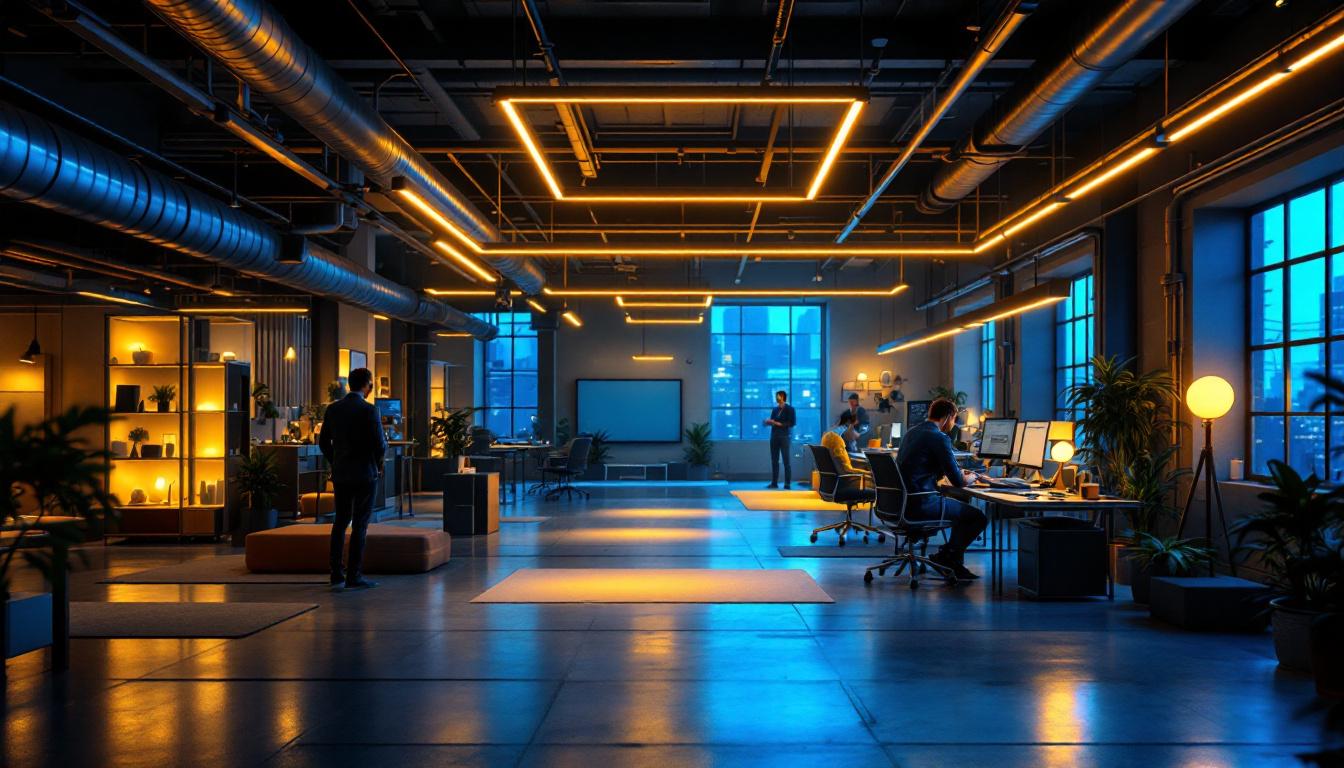
Introduction to the Integration of Light and Computer Technology
The lighting industry is undergoing a transformative evolution, driven by the integration of computer technology with traditional lighting systems. This fusion, often referred to as “Light in Computer,” represents a paradigm shift that is reshaping how lighting contractors approach design, installation, and maintenance. The convergence of lighting and computing technologies is not merely a trend but a fundamental change that enhances efficiency, customization, and sustainability in lighting solutions.
For lighting contractors, understanding the growing importance of computer-driven lighting systems is crucial. These systems leverage advanced sensors, intelligent controls, and data analytics to create responsive environments that adapt to user needs and energy consumption patterns. This article explores the multifaceted impact of Light in Computer technology on the lighting industry, highlighting key innovations, practical applications, and future opportunities.
One of the most significant advancements in this domain is the development of smart lighting systems, which utilize Internet of Things (IoT) technology to connect various lighting fixtures and controls. This connectivity allows for real-time monitoring and management of lighting conditions, enabling contractors to implement energy-saving strategies that can reduce operational costs significantly. For instance, smart lighting can adjust brightness based on the time of day or occupancy levels, ensuring that energy is not wasted in unoccupied spaces. This level of automation not only contributes to sustainability efforts but also enhances user comfort and productivity in both residential and commercial settings.
Moreover, the integration of computer technology in lighting design has opened up new avenues for creativity and innovation. Lighting designers can now use sophisticated software tools to simulate different lighting scenarios and visualize how various fixtures will interact within a space before installation. This capability allows for more informed decision-making and the ability to experiment with unique lighting effects that were previously difficult to achieve. As a result, the aesthetic potential of lighting design is greatly expanded, offering clients tailored solutions that align with their specific preferences and functional requirements.
The Evolution of Lighting Technology: From Traditional to Smart Systems
Historical Context and Advancements
Lighting technology has evolved significantly from incandescent bulbs to fluorescent lamps, and now to LED and smart lighting systems. The introduction of LEDs marked a major milestone due to their energy efficiency and longevity. However, the real game-changer has been the integration of computing capabilities with lighting hardware, enabling dynamic control and automation. This transition not only revolutionized the way we illuminate our spaces but also paved the way for innovations in energy management and sustainability.
Smart lighting systems incorporate microprocessors and communication modules, allowing fixtures to respond to environmental cues such as occupancy, daylight levels, and user preferences. This evolution has expanded the role of lighting contractors from simple installers to integrators of complex, networked systems. As a result, the landscape of lighting design has transformed, with an increased focus on creating personalized environments that enhance well-being and productivity. The ability to control lighting through mobile apps or voice commands has made it more accessible, fostering a deeper connection between users and their spaces.
Impact on Lighting Contractors
For contractors, this shift means acquiring new skills in programming, networking, and system diagnostics. The ability to install and maintain intelligent lighting systems is becoming a competitive advantage. Moreover, contractors can offer value-added services such as energy audits, system optimization, and predictive maintenance, enhancing client satisfaction and business growth. As the demand for smart lighting solutions continues to rise, contractors are also finding opportunities in retrofitting existing buildings with advanced lighting technologies, which can significantly reduce energy consumption and operational costs.
Additionally, the rise of smart cities and the Internet of Things (IoT) has opened new avenues for lighting contractors to engage in larger projects that integrate lighting with other urban systems. This includes street lighting that adapts to traffic patterns or public spaces that utilize sensors to adjust illumination based on foot traffic. The convergence of lighting with data analytics and environmental monitoring is not just a trend; it represents a fundamental shift in how we approach urban planning and infrastructure development. As such, contractors who embrace these changes will not only enhance their service offerings but also play a pivotal role in shaping the future of our built environments.
Key Technologies Driving Light in Computer Integration
Internet of Things (IoT) and Connected Lighting
One of the most significant drivers of change in the lighting industry is the Internet of Things (IoT). Connected lighting systems utilize IoT technology to link fixtures, sensors, and control units via wireless or wired networks. This connectivity enables centralized management, real-time monitoring, and remote control, which are essential for large-scale commercial and industrial installations.
Lighting contractors benefit from IoT-enabled systems by gaining access to detailed usage data and system diagnostics. This information facilitates proactive maintenance and energy management, reducing operational costs and downtime.
Artificial Intelligence and Machine Learning
Artificial intelligence (AI) and machine learning algorithms are increasingly embedded in lighting control systems to optimize performance. These technologies analyze data from sensors and user interactions to adjust lighting levels dynamically, improving comfort and energy efficiency. For example, AI can learn occupancy patterns and daylight availability to modulate lighting automatically, reducing waste.
Contractors involved in the deployment of AI-driven lighting systems must understand data integration and algorithmic behavior to ensure optimal setup and troubleshooting.
Advanced Sensors and Adaptive Lighting
Modern lighting systems incorporate a variety of sensors, including motion detectors, ambient light sensors, and even air quality monitors. These sensors feed data into computer systems that adjust lighting parameters in real time. Adaptive lighting enhances user experience by providing appropriate illumination for different activities and times of day, contributing to wellbeing and productivity.
Practical Applications and Benefits for Lighting Contractors
Energy Efficiency and Sustainability
Energy consumption is a critical concern in the lighting industry. Computer-integrated lighting systems enable precise control over energy use, significantly reducing waste. For example, daylight harvesting systems adjust artificial lighting based on natural light availability, while occupancy sensors turn lights off in unoccupied spaces.
Lighting contractors can leverage these technologies to help clients achieve sustainability goals and comply with increasingly stringent energy codes and standards. Demonstrating expertise in energy-efficient solutions enhances a contractor’s marketability and client trust.
Enhanced Control and Customization
Computerized lighting systems offer unparalleled flexibility in control and customization. Users can program lighting scenes, adjust color temperatures, and schedule operations through intuitive interfaces or mobile apps. This level of control is particularly valuable in commercial environments such as offices, retail spaces, and hospitality venues, where lighting impacts ambiance and brand identity.
Contractors who can design and implement tailored lighting solutions meet the growing demand for personalized environments, positioning themselves as innovative service providers.
Improved Maintenance and Lifecycle Management
Integrating computer technology with lighting systems facilitates predictive maintenance by continuously monitoring fixture performance and alerting to potential failures before they occur. This proactive approach minimizes downtime and extends the lifespan of lighting assets.
For contractors, offering maintenance contracts based on data-driven insights creates recurring revenue streams and strengthens client relationships. It also reduces emergency call-outs and improves overall service quality.
Challenges and Considerations in Implementing Light in Computer Systems
Technical Complexity and Training
The sophistication of computer-integrated lighting systems introduces technical challenges. Contractors must invest in ongoing training to stay current with evolving technologies, protocols, and cybersecurity practices. Understanding software platforms, communication standards, and integration methods is essential to successful project execution.
Collaboration with manufacturers and technology providers can facilitate knowledge transfer and support, helping contractors overcome initial learning curves.
Cost Implications and Client Education
Advanced lighting systems often involve higher upfront costs compared to traditional solutions. Contractors need to effectively communicate the long-term benefits, such as energy savings, reduced maintenance, and enhanced user experience, to justify the investment to clients.
Providing detailed cost-benefit analyses and case studies can assist in client education, enabling informed decision-making and smoother project approvals.
Data Privacy and Security
As lighting systems become connected and data-driven, concerns about data privacy and cybersecurity emerge. Contractors must ensure that systems are installed with robust security measures to protect client information and prevent unauthorized access.
Adhering to industry standards and best practices in cybersecurity is a critical responsibility that safeguards both the contractor’s reputation and the client’s assets.
The Future Outlook: Emerging Trends and Opportunities
Integration with Building Automation Systems (BAS)
The future of lighting lies in seamless integration with broader building automation systems. This convergence allows lighting to interact with HVAC, security, and occupancy management systems, creating holistic smart environments. Lighting contractors will increasingly collaborate with other trades to deliver integrated solutions that optimize building performance.
Human-Centric Lighting and Health Impacts
Research into human-centric lighting emphasizes the impact of light on circadian rhythms, mood, and productivity. Computer-controlled lighting systems can adjust color temperature and intensity throughout the day to support occupant wellbeing. This emerging focus presents new opportunities for contractors to differentiate their offerings by incorporating health-oriented lighting designs.
Advancements in Wireless and Li-Fi Technologies
Wireless communication technologies, including Li-Fi (light-based data transmission), are set to revolutionize lighting infrastructure. These innovations enable faster, more secure data transfer using light waves, expanding the functional capabilities of lighting systems beyond illumination.
Contractors who embrace these cutting-edge technologies will be at the forefront of industry innovation, offering clients state-of-the-art solutions.
Conclusion: Embracing the Light in Computer Revolution
The integration of light and computer technology represents a significant advancement in the lighting industry, offering numerous benefits for contractors and clients alike. From energy efficiency and enhanced control to predictive maintenance and human-centric designs, computer-driven lighting systems are redefining industry standards.
Lighting contractors who invest in understanding and implementing these technologies will not only meet the evolving demands of their clients but also position themselves as leaders in a rapidly changing market. Embracing the Light in Computer revolution is essential for sustained success and growth in the contemporary lighting landscape.
Illuminate Your Projects with LumenWholesale
As you embrace the Light in Computer revolution, partner with LumenWholesale to elevate your lighting projects. Our commitment to providing contractors with superior, spec-grade lighting products at unbeatable wholesale prices ensures that you can implement the latest computer-driven lighting systems with confidence. With LumenWholesale, you get the highest industry standards in lighting without the inflated markups. Plus, our hassle-free bulk buying and free shipping mean you can focus on innovation and design, not logistics. Don’t compromise on quality or value—discover wholesale lighting at the best value and be a part of the future of lighting with LumenWholesale.