Understanding the Unique Lighting Needs of Home Offices
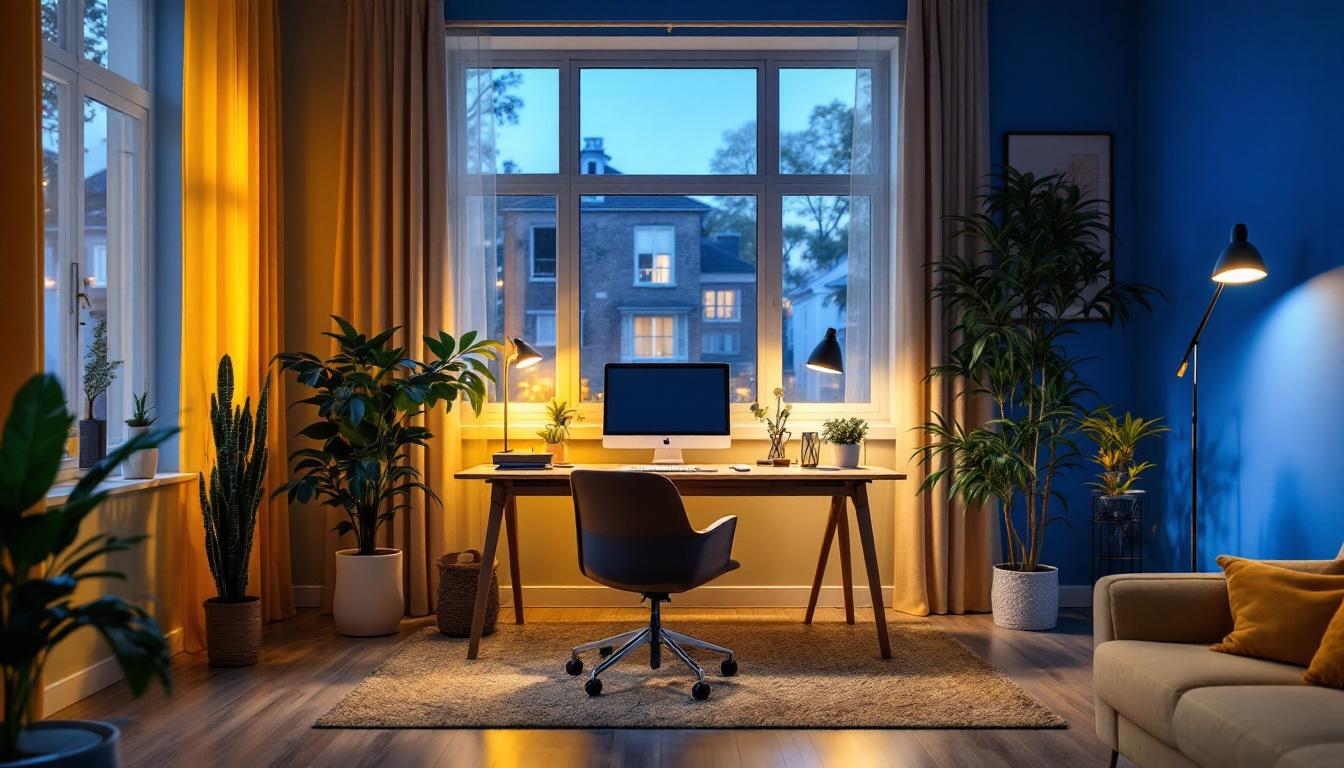
The rise of remote work has transformed the home office from a niche setup to a mainstream necessity. For lighting contractors, this shift presents both opportunities and challenges. Unlike traditional office environments, home offices vary widely in size, layout, and natural light availability. This diversity demands customized lighting solutions that enhance productivity, comfort, and well-being.
Statistics indicate that over 60% of professionals working from home report that their workspace lighting significantly impacts their efficiency and mood. Poor lighting can cause eye strain, headaches, and decreased focus, which ultimately affects work quality. Therefore, contractors must prioritize ergonomic and adaptable lighting designs tailored to individual home office scenarios.
Key Factors Influencing Home Office Lighting Design
Several factors influence the optimal lighting setup for home offices. These include room orientation, window placement, existing ambient light, and the type of tasks performed. For example, a graphic designer requires different lighting than a writer or a customer service representative. Understanding these nuances is critical for contractors aiming to deliver effective solutions.
Moreover, the integration of technology such as adjustable LED fixtures, smart lighting controls, and tunable white light sources allows for dynamic environments that respond to changing needs throughout the day. Lighting contractors must stay abreast of these innovations to offer state-of-the-art installations.
Another essential consideration is the color temperature of the lighting. Warmer tones can create a cozy atmosphere conducive to brainstorming and creative tasks, while cooler tones promote alertness and focus, ideal for analytical work. By incorporating a mix of ambient, task, and accent lighting, contractors can craft spaces that not only meet functional needs but also inspire creativity and motivation. Additionally, the use of natural light should not be overlooked; strategically placed mirrors or light-colored walls can help reflect and amplify daylight, reducing reliance on artificial sources and fostering a healthier work environment.
Furthermore, the psychological impact of lighting should also be considered. Studies have shown that well-lit spaces can enhance mood and reduce feelings of stress, making it crucial for contractors to create inviting atmospheres. Incorporating elements such as dimmable lights or fixtures that mimic natural light patterns can help regulate circadian rhythms, promoting better sleep and overall well-being. As the demand for home office spaces continues to grow, understanding these intricate details will empower lighting contractors to design environments that not only meet practical needs but also support the holistic health of remote workers.
Prioritizing Ergonomics and Visual Comfort
Ergonomic lighting is essential in preventing discomfort and promoting sustained productivity. The Illuminating Engineering Society (IES) recommends specific illuminance levels for task lighting in workspaces, generally ranging from 300 to 500 lux. Contractors should measure and adjust lighting to meet these standards, ensuring that the workspace is neither too dim nor excessively bright. This careful calibration not only enhances visual comfort but also plays a significant role in reducing the risk of workplace injuries related to poor posture and eye strain, as employees are less likely to lean forward or squint when the lighting is just right.
Glare control is another critical consideration. Reflections on computer screens or glossy surfaces can cause eye fatigue and reduce visibility. Employing diffusers, indirect lighting, and adjustable fixtures helps minimize glare. Additionally, positioning light sources to avoid direct line-of-sight exposure can enhance comfort. Incorporating adjustable blinds or shades can further assist in managing natural light, allowing workers to customize their environment based on the time of day and weather conditions. This adaptability not only improves visual comfort but also contributes to a more pleasant and productive workspace.
Color Temperature and Its Impact on Productivity
Color temperature plays a pivotal role in influencing alertness and mood. Cooler light temperatures (around 5000K to 6500K) mimic daylight and are known to boost concentration and reduce drowsiness. Conversely, warmer tones (2700K to 3500K) create a relaxed atmosphere, which might be suitable for brainstorming sessions or breaks. Understanding the psychological effects of different color temperatures can help organizations design spaces that cater to various activities, from high-focus tasks to collaborative discussions.
Lighting contractors should recommend fixtures with tunable white capabilities, allowing users to adjust color temperature based on their tasks and time of day. This flexibility supports circadian rhythms and enhances overall well-being. Moreover, integrating smart lighting systems that can automatically adjust based on the time of day or occupancy can further optimize energy efficiency while ensuring that employees always have the ideal lighting conditions for their needs. Such innovations not only promote a healthier work environment but also demonstrate a commitment to employee wellness and productivity, ultimately benefiting the organization as a whole.
Incorporating Energy Efficiency and Sustainability
Energy-efficient lighting solutions are increasingly important as homeowners seek to reduce utility costs and environmental impact. LED technology has become the standard for home office lighting due to its longevity, low heat emission, and energy savings compared to incandescent or fluorescent bulbs. Moreover, the advancements in LED technology have led to a wider variety of options, including color-changing and tunable white LEDs, allowing users to create the perfect ambiance for any task, whether it be focused work or relaxation.
Contractors should guide clients toward ENERGY STAR-rated products and incorporate lighting controls such as dimmers, occupancy sensors, and timers. These features not only conserve energy but also extend the lifespan of lighting systems, providing long-term value. By educating clients about the benefits of these technologies, contractors can help them make informed decisions that align with their sustainability goals. Additionally, the integration of daylight harvesting techniques, which utilize natural sunlight to reduce reliance on artificial lighting, can further enhance energy efficiency in home offices.
Smart Lighting Integration for Home Offices
Smart lighting systems offer unparalleled convenience and customization. Through mobile apps or voice control, users can adjust brightness, color temperature, and scheduling to fit their routines. For contractors, integrating these systems requires knowledge of compatible devices and network configurations. It is essential to stay updated with the latest smart home technologies, as new products and features are continually emerging, providing even more options for homeowners looking to enhance their work environments.
Additionally, smart lighting can be programmed to simulate natural daylight patterns, supporting circadian health. This aspect is particularly beneficial for home offices lacking sufficient natural light, ensuring that workers maintain alertness and comfort throughout the day. Furthermore, the ability to set different lighting scenes for various activities—such as video conferencing, reading, or brainstorming—can significantly improve productivity and well-being. As remote work becomes more prevalent, the demand for such tailored lighting solutions will likely grow, presenting contractors with exciting opportunities to innovate and meet the evolving needs of their clients.
Addressing Installation Challenges in Residential Settings
Installing lighting in home offices presents unique challenges compared to commercial environments. Residential wiring, ceiling heights, and architectural constraints may limit fixture options or placement. Lighting contractors must conduct thorough site assessments and collaborate closely with homeowners to devise practical solutions. This collaboration is crucial, as homeowners often have specific preferences and needs that must be met, such as the desire for energy-efficient solutions or fixtures that complement their interior design style. Understanding these personal preferences can lead to a more satisfying end result, ensuring that the lighting not only serves its functional purpose but also enhances the overall aesthetic of the space.
Furthermore, noise considerations are important; some lighting fixtures produce audible hums or buzzing, which can be distracting in quiet home office environments. Selecting high-quality, silent fixtures enhances user satisfaction. In addition to noise, the color temperature of the lighting can significantly impact productivity and mood. For instance, cooler tones can promote alertness and concentration, while warmer tones may create a more relaxed atmosphere. Lighting contractors should educate homeowners on these aspects to help them make informed choices that align with their work habits and personal preferences.
Retrofitting Existing Spaces vs. New Installations
Retrofitting existing home offices often requires creative problem-solving. Contractors may need to work around existing electrical infrastructure or limited ceiling access. Surface-mounted fixtures, track lighting, or desk lamps can supplement ambient lighting where recessed options are impractical. Additionally, incorporating smart lighting solutions can enhance flexibility, allowing homeowners to adjust brightness and color temperature according to their tasks or time of day. This adaptability not only improves functionality but also contributes to energy savings, as users can fine-tune their lighting needs based on specific activities, whether it’s video conferencing, reading, or brainstorming.
In new construction or dedicated home office builds, contractors have greater flexibility to implement integrated lighting designs that optimize both aesthetics and functionality. Early involvement in the design process allows for seamless coordination with architects and interior designers. This collaboration can lead to innovative solutions, such as built-in lighting features that highlight architectural elements or create focal points within the space. Moreover, integrating natural light sources through strategically placed windows or skylights can significantly enhance the work environment, promoting well-being and reducing reliance on artificial lighting. By considering both artificial and natural lighting from the outset, contractors can help create a balanced and inviting workspace that fosters creativity and productivity.
Ensuring Compliance with Standards and Regulations
Lighting contractors must ensure that all installations comply with local building codes, electrical standards, and safety regulations. This includes proper grounding, circuit protection, and adherence to maximum wattage limits. Non-compliance can lead to safety hazards and liability issues.
Additionally, familiarity with accessibility standards, such as those outlined in the Americans with Disabilities Act (ADA), can inform lighting placement and control accessibility, enhancing usability for all users.
Documentation and Client Education
Providing clients with clear documentation about their lighting systems, including maintenance guidelines and warranty information, fosters trust and reduces future service calls. Educating homeowners on how to use adjustable lighting controls effectively ensures they gain maximum benefit from their investment.
Lighting contractors can also offer advice on complementary ergonomic practices, such as screen positioning and break schedules, to further enhance the home office environment.
Conclusion: Positioning as a Trusted Partner in Home Office Lighting
The home office lighting market is evolving rapidly, driven by changing work patterns and technological advancements. Lighting contractors who understand the specific needs of home office environments and stay current with innovations will be well-positioned to deliver superior solutions.
By focusing on ergonomics, energy efficiency, smart integration, and compliance, contractors can create lighting systems that not only illuminate but also empower remote workers. Building strong client relationships through education and tailored service will cement their role as trusted partners in the home office transformation.
Illuminate Your Projects with LumenWholesale
As you strive to meet the diverse lighting needs of home offices, LumenWholesale is here to support you with premium, spec-grade lighting products at the best wholesale prices. Our commitment to quality and affordability ensures that you can deliver ergonomic, energy-efficient, and smart lighting solutions that exceed your clients’ expectations. Say goodbye to inflated markups and hello to a vast selection of industry-standard lighting, all with the convenience of free shipping. Elevate your lighting projects and become a trusted partner in the home office transformation with Wholesale Lighting at the Best Value from LumenWholesale.