In the world of lighting installation, every detail matters, including the often-overlooked light fixture screws. These small components play a crucial role in ensuring that light fixtures are securely mounted and function effectively. Understanding the types, sizes, and applications of light fixture screws is essential for lighting contractors aiming to deliver high-quality installations. This article delves into the various aspects of light fixture screws, providing valuable insights for professionals in the field.
Understanding Light Fixture Screws
Light fixture screws are specialized fasteners designed to secure light fixtures to ceilings, walls, or other mounting surfaces. They come in various types and sizes, tailored to meet the specific needs of different fixtures. The right choice of screw can significantly affect the stability and longevity of the installation.
Types of Light Fixture Screws
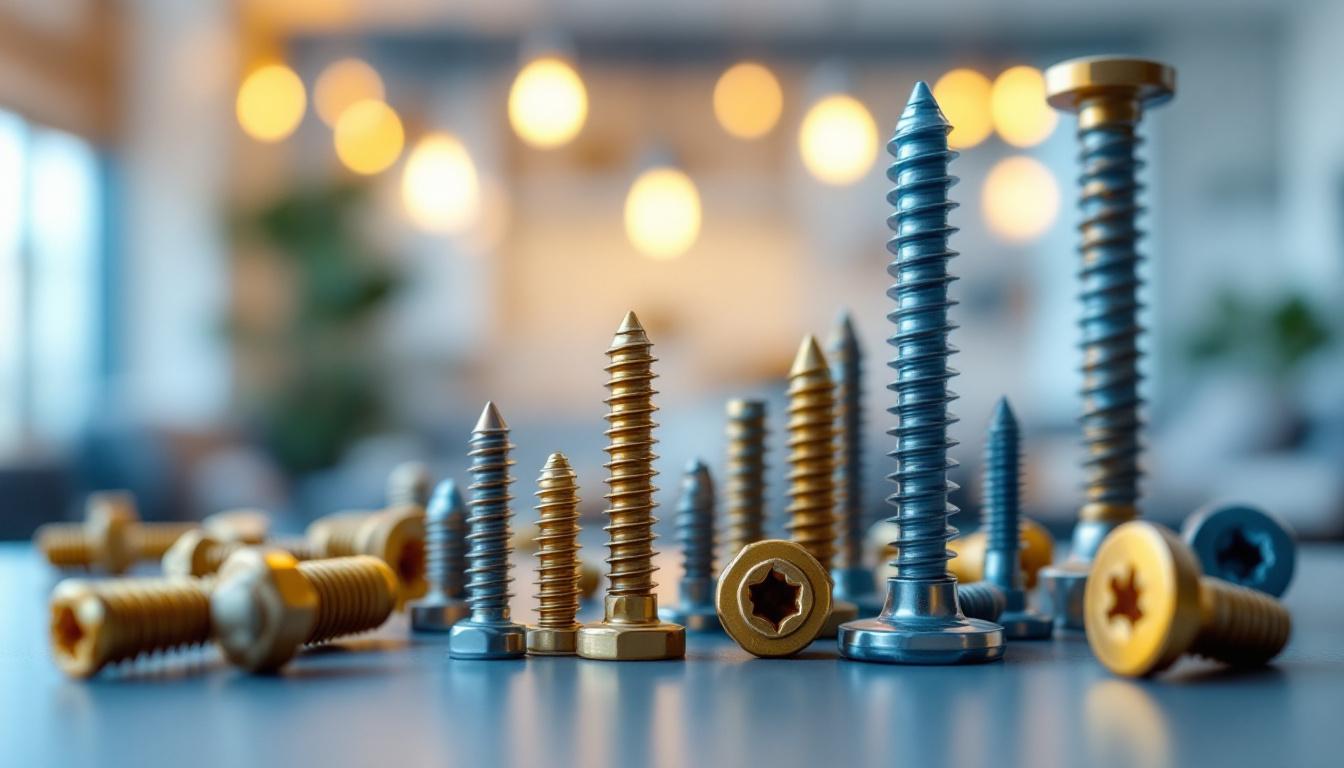
There are several types of screws commonly used in light fixture installations. Each type serves a unique purpose and is suited for different materials and fixture designs.
- Machine Screws: These screws are typically used in metal fixtures and require a pre-threaded hole. They provide strong connections and are ideal for heavy fixtures.
- Wood Screws: Designed for use in wooden structures, wood screws have a sharp tip that allows them to penetrate wood easily. They are often used for mounting fixtures to wooden beams or ceilings.
- Self-Tapping Screws: These screws can create their own hole as they are driven into the material. They are versatile and can be used in various applications, including metal and plastic fixtures.
Sizes and Lengths
Choosing the correct size and length of screws is vital for ensuring a secure fit. Light fixture screws typically range in size from #4 to #12, with lengths varying from 1 inch to 3 inches or more, depending on the application.
When selecting screw size, consider the weight of the fixture and the material of the mounting surface. Heavier fixtures may require larger screws to ensure stability, while lighter fixtures can use smaller screws. Additionally, the length of the screw should be sufficient to penetrate the mounting surface adequately without protruding excessively.
In addition to size and type, the material of the screw itself is also crucial. Stainless steel screws, for instance, offer excellent corrosion resistance, making them suitable for outdoor fixtures or in environments with high humidity. On the other hand, coated screws can provide additional protection against rust and wear, enhancing the longevity of the installation. Understanding these nuances can help in selecting the best fastener for your specific lighting project, ensuring both safety and aesthetic appeal.
Furthermore, it’s essential to consider the installation environment when choosing light fixture screws. For example, in areas prone to vibration, such as near appliances or machinery, using screws with locking features or those designed to resist loosening can be beneficial. This attention to detail not only enhances the fixture’s performance but also contributes to overall safety, reducing the risk of fixtures becoming loose over time and potentially causing accidents.
Materials and Coatings
The material and coating of light fixture screws can significantly impact their performance and durability. Various materials are available, each with its own set of advantages and drawbacks.
Common Materials
Light fixture screws are typically made from materials such as stainless steel, brass, and zinc-plated steel. Each material offers different benefits:
- Stainless Steel: Known for its corrosion resistance, stainless steel screws are ideal for outdoor or humid environments. They provide durability and strength, making them suitable for heavy fixtures.
- Brass: Brass screws are often used for decorative fixtures due to their aesthetic appeal. They resist corrosion but may not be as strong as stainless steel options.
- Zinc-Plated Steel: These screws are coated to prevent rust and corrosion, making them a cost-effective choice for indoor applications. However, they may not hold up as well in harsh environments.
Coatings and Finishes
In addition to material, the coating and finish of light fixture screws can enhance their performance. Common coatings include:
- Galvanization: This process involves coating steel screws with zinc to protect against corrosion, making them suitable for outdoor use.
- Powder Coating: Powder-coated screws come in various colors and finishes, allowing for aesthetic integration with light fixtures.
Moreover, the choice of coating can also affect the screw’s ability to withstand different environmental conditions. For instance, screws with a ceramic coating can offer superior resistance to extreme temperatures and UV exposure, making them ideal for fixtures installed in sunny or high-temperature areas. This added layer of protection not only extends the lifespan of the screws but also ensures that they maintain their appearance over time, reducing the need for frequent replacements.
When selecting screws for light fixtures, it’s also essential to consider the specific application and installation environment. For example, in coastal areas where saltwater exposure is prevalent, opting for marine-grade stainless steel screws can provide an extra level of protection against rust and degradation. Additionally, understanding the load-bearing requirements of the fixture will help in choosing the appropriate screw material and size, ensuring both safety and functionality in the installation.
Installation Tips for Light Fixture Screws
Proper installation of light fixture screws is crucial for ensuring safety and functionality. Here are some essential tips for contractors:
Pre-Installation Considerations
Before installation, assess the weight and design of the light fixture. This evaluation will guide the selection of the appropriate screw type and size. Additionally, inspect the mounting surface to ensure it is free of damage and suitable for securing the fixture.
Using the Right Tools
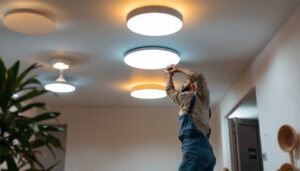
Using the correct tools can make the installation process smoother and more efficient. A power drill with the appropriate bit size is often necessary for pre-drilling holes, especially when working with harder materials. A screwdriver or impact driver is essential for driving screws securely into place.
Securing the Fixture
When securing the light fixture, ensure that screws are tightened adequately but avoid overtightening, which can strip the threads or damage the fixture. A level can be used to ensure the fixture is straight before finalizing the installation.
Common Issues and Troubleshooting
Even with careful installation, issues can arise with light fixture screws. Understanding common problems and their solutions can help contractors address them effectively.
Loose Fixtures
One of the most common issues is a loose fixture, which can occur if screws are not tightened properly or if the mounting surface is damaged. If a fixture becomes loose, it’s essential to turn off the power and re-secure the screws. In some cases, it may be necessary to replace damaged screws or use larger screws to ensure a secure fit.
Corrosion and Rust
Corrosion can significantly weaken screws, especially in outdoor or humid environments. If screws show signs of rust, they should be replaced immediately to maintain the integrity of the fixture. Using stainless steel or galvanized screws can help prevent this issue in the future.
Stripped Threads
Stripped threads can occur if screws are overtightened or if the wrong type of screw is used for the material. In such cases, it may be necessary to use a larger screw or a screw anchor to secure the fixture properly. Always ensure that the correct type of screw is selected for the mounting surface to avoid this problem.
Safety Considerations
Safety is paramount when working with light fixtures and their associated screws. Proper installation not only ensures functionality but also minimizes the risk of accidents.
Electrical Safety
Before beginning any installation, always turn off the power to the circuit where the fixture will be installed. This precaution helps prevent electrical shocks and ensures a safe working environment. Additionally, use insulated tools to further reduce the risk of accidental contact with live wires.
Weight Distribution
When installing heavy fixtures, it’s crucial to consider weight distribution. Using multiple screws to secure a fixture can help distribute the weight evenly, reducing the risk of failure. For particularly heavy fixtures, consider using additional support brackets or anchors for added security.
Best Practices for Choosing Light Fixture Screws
Selecting the right screws for light fixtures involves considering various factors, including the fixture type, mounting surface, and environmental conditions. Here are some best practices to guide contractors in making informed decisions.
Assessing Fixture Requirements
Each light fixture comes with specific installation requirements, often outlined in the manufacturer’s instructions. These guidelines typically include recommended screw types and sizes, which should be followed to ensure proper installation. Always refer to these instructions before making a selection.
Considering Environmental Factors
Environmental conditions play a significant role in screw selection. For outdoor installations, opt for corrosion-resistant materials such as stainless steel or galvanized screws. In contrast, indoor installations may allow for a wider variety of screw types and materials.
Testing and Quality Assurance
After installation, it’s essential to test the fixture to ensure it operates correctly. Check for any signs of looseness or instability, and make adjustments as needed. Regular maintenance checks can also help identify potential issues before they become significant problems.
Conclusion
Light fixture screws may seem like small components, but they are vital to the overall success of lighting installations. By understanding the various types, sizes, materials, and installation techniques, lighting contractors can ensure secure and reliable fixtures. Prioritizing safety and adhering to best practices will lead to successful installations that meet both aesthetic and functional requirements.
Investing time in learning about light fixture screws and their applications will ultimately enhance the quality of work and client satisfaction. Whether working on residential or commercial projects, a thorough understanding of these essential components will contribute to a successful lighting installation.
Get Your Premium Lighting Supplies at LumenWholesale
Ready to elevate your lighting installations with the highest quality screws and fixtures? Look no further than LumenWholesale for all your lighting needs. We offer an extensive selection of spec-grade lighting products that meet the highest industry standards, all at unbeatable wholesale prices. Say goodbye to middleman markups and hello to superior lighting products that ensure your projects shine. Plus, with free shipping on bulk orders, you can stock up on premium lighting without any hidden fees. Make your next project a beacon of quality, affordability, and convenience. Wholesale Lighting at the Best Value is just a click away.