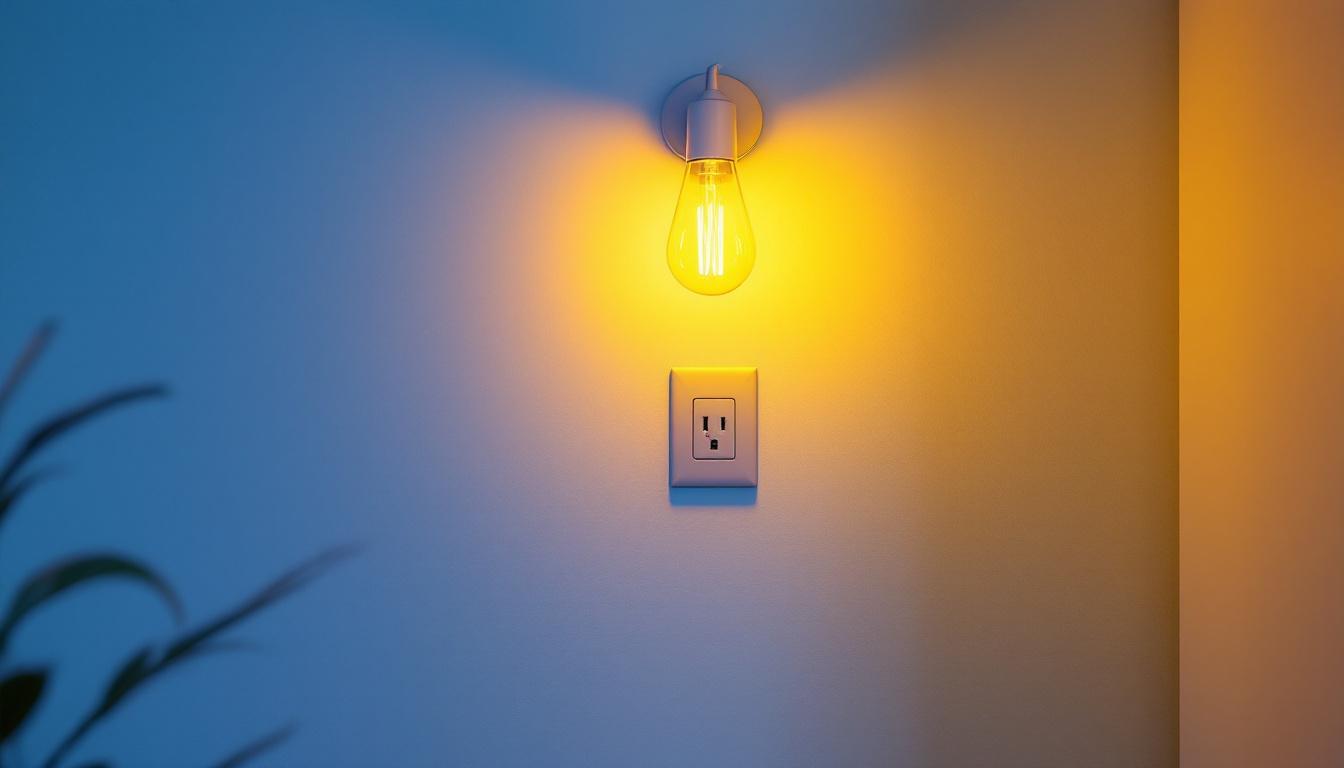
Understanding the Role of Light Fixture Electrical Outlets in Lighting Projects
When planning and executing lighting installations, contractors often focus on the fixtures themselves—their style, wattage, and placement. However, an essential component that frequently goes overlooked is the light fixture electrical outlet. This element serves as the critical interface between the electrical supply and the lighting fixture, ensuring safe, reliable, and code-compliant operation.
Light fixture electrical outlets, also known as fixture boxes or outlet boxes, provide the physical and electrical connection point for light fixtures. They house wiring connections and support the fixture’s weight, making them indispensable for both functionality and safety. Without properly selected and installed fixture outlets, lighting projects risk complications ranging from installation delays to serious electrical hazards.
The Basics: What Is a Light Fixture Electrical Outlet?
At its core, a light fixture electrical outlet is a junction box designed specifically to accommodate lighting fixtures. These boxes come in various shapes, sizes, and materials—metal or plastic—and are engineered to meet different installation requirements, such as ceiling, wall, or recessed mounting.
They provide a secure enclosure for wire splices, protecting connections from damage and preventing accidental contact. Additionally, they serve as a mounting point for the fixture itself, ensuring stability and compliance with electrical codes. The selection of the right outlet box is crucial; for instance, a box rated for a heavier fixture must be used to prevent sagging or potential failure over time, which could lead to dangerous situations.
Why Contractors Often Overlook Fixture Outlets
Despite their importance, fixture outlets are sometimes considered a mere afterthought. This oversight stems from several factors:
- Focus on Aesthetics: Contractors and clients often prioritize fixture design and lighting effects over the technical infrastructure.
- Assumption of Standardization: Many assume that all outlet boxes are interchangeable, not recognizing the nuances related to load capacity, mounting style, and compatibility.
- Time Constraints: Under tight project deadlines, the detailed planning of outlet placement and specifications can be rushed or skipped.
Recognizing the critical role of light fixture electrical outlets early in the project can prevent costly rework and ensure a seamless installation process. Furthermore, understanding local building codes and regulations regarding fixture outlets can save contractors from potential legal issues and fines. Each jurisdiction may have specific requirements that dictate the type of materials used, the installation methods, and the necessary safety features, such as grounding and moisture resistance, especially in areas like bathrooms or outdoor spaces.
Additionally, advancements in smart home technology are reshaping the landscape of lighting installations. Many modern fixtures now incorporate smart capabilities, requiring outlets that can accommodate these features. Contractors must stay informed about the latest trends and technologies to ensure that the electrical outlets they select can support not only traditional lighting but also smart lighting systems that may require additional wiring or connectivity options. This forward-thinking approach not only enhances the functionality of the lighting project but also adds value for clients who are increasingly seeking integrated smart solutions in their homes.
Choosing the Right Light Fixture Electrical Outlet for Your Project
Selecting the appropriate fixture outlet is a foundational step that impacts both safety and aesthetics. Several factors must be considered to make an informed choice.
Material and Durability
Fixture outlets are typically made from metal or plastic, each with distinct advantages. Metal boxes offer superior durability and grounding capabilities, making them suitable for commercial or high-load applications. Plastic boxes are lightweight, corrosion-resistant, and often easier to install, favored in residential settings.
Contractors should assess the environment where the fixture will be installed. For example, damp or outdoor locations require boxes rated for moisture resistance to prevent degradation and electrical faults.
Size and Capacity
Electrical codes specify box fill capacities to prevent overcrowding, which can lead to overheating and fire hazards. The number of conductors, wire gauge, and the fixture’s mounting hardware all influence the required box size.
Using an undersized outlet box is a common mistake that can cause wiring difficulties and code violations. Conversely, an oversized box may be unnecessary and more costly. Accurate calculation of box fill based on the National Electrical Code (NEC) or local regulations is essential.
Mounting and Compatibility
Fixture outlets must be compatible with the mounting requirements of the lighting fixture. Ceiling-mounted fixtures, recessed lights, wall sconces, and chandeliers each demand specific box types and mounting brackets.
For example, fan-rated boxes are necessary when installing ceiling fans or heavy fixtures to support additional weight and vibration. Adjustable or remodel boxes are designed for retrofit applications where access to framing is limited.
Integration with Smart Lighting Systems
With the rise of smart home technology, some fixture outlets now incorporate features to facilitate the installation of smart fixtures and controls. These may include extra space for additional wiring, integrated grounding, or compatibility with low-voltage systems.
Contractors working on modern lighting projects should consider these options to future-proof installations and meet client expectations for advanced functionality.
Installation Best Practices for Light Fixture Electrical Outlets
Proper installation of fixture outlets is paramount to ensure safety, functionality, and compliance with electrical codes. Adhering to best practices minimizes risks and enhances the longevity of the lighting system.
Pre-Installation Planning
Before installation, contractors should conduct a thorough site assessment, including:
- Verifying the location and type of lighting fixtures
- Confirming ceiling or wall material and structural support
- Ensuring accessibility for wiring and future maintenance
Planning also involves coordinating with other trades, such as drywall installers and electricians, to avoid conflicts and streamline workflow.
Secure Mounting and Support
Fixture outlets must be securely fastened to structural elements like joists or studs to support the fixture’s weight. Loose or improperly mounted boxes can lead to fixture instability and potential damage.
Using appropriate mounting brackets, screws, and supports is critical, especially for heavy or vibrating fixtures. For retrofit installations, specialized remodel boxes with winged clamps or toggle mechanisms can provide secure attachment without opening walls or ceilings extensively.
Wiring and Connections
All wiring connections within the fixture outlet must be made with proper wire nuts or connectors, ensuring tight, corrosion-resistant joins. Grounding is equally important; metal boxes and fixtures should be properly grounded to prevent electrical shock hazards.
Contractors should adhere strictly to NEC guidelines and local codes, including color coding, conductor sizing, and circuit protection. Testing connections with a voltage tester before finalizing the installation helps identify potential issues early.
Inspection and Compliance
After installation, fixture outlets should be inspected for compliance with safety standards and building codes. This includes verifying box fill, secure mounting, proper grounding, and correct wiring.
Many jurisdictions require inspections by certified electrical inspectors before project completion. Preparing thorough documentation and ensuring code compliance can prevent costly delays and rework.
Common Challenges and Solutions in Fixture Outlet Installation
Despite best efforts, contractors often encounter challenges related to fixture outlets. Understanding these common issues and their solutions can improve project outcomes.
Limited Access in Retrofit Projects
Retrofitting lighting in existing structures often means working with limited access to framing or wiring pathways. This can complicate the installation of fixture outlets, especially in finished ceilings or walls.
Solution: Remodel boxes designed for minimal invasiveness allow contractors to install fixture outlets without extensive demolition. Additionally, flexible conduit and wire fishing tools can facilitate wiring in tight spaces.
Insufficient Box Size for Complex Fixtures
Modern lighting fixtures with multiple components, integrated electronics, or smart features may require more space than standard boxes provide.
Solution: Planning for larger or specialized boxes early in the design phase ensures adequate capacity. Modular boxes with expandable features can accommodate complex wiring needs.
Code Compliance Confusion
Electrical codes can be complex and vary by region, leading to uncertainty about fixture outlet requirements.
Solution: Staying current with the latest NEC editions and local amendments is essential. Consulting with electrical inspectors or code experts during project planning can clarify requirements and prevent compliance issues.
The Impact of Proper Fixture Outlet Installation on Project Success
Investing time and attention into selecting and installing the correct light fixture electrical outlets yields significant benefits for lighting contractors and their clients.
Enhanced Safety and Reliability
Proper fixture outlets reduce the risk of electrical fires, shocks, and fixture failures. Secure wiring connections and mounting ensure that lighting systems operate safely over their lifespan.
Improved Aesthetics and Functionality
Well-chosen and installed fixture outlets facilitate clean, professional installations. They enable fixtures to be positioned precisely and securely, enhancing the overall visual appeal and performance of the lighting design.
Reduced Maintenance and Callbacks
By adhering to best practices and code requirements, contractors minimize the likelihood of post-installation issues. This reduces costly callbacks and enhances client satisfaction, strengthening professional reputation.
Compliance and Liability Mitigation
Meeting or exceeding electrical code standards protects contractors from legal liabilities and insurance complications. Proper documentation and inspection readiness further safeguard project outcomes.
Conclusion: Integrating Fixture Electrical Outlets as a Core Element of Lighting Projects
Light fixture electrical outlets are undeniably the missing piece in many lighting projects, yet their importance cannot be overstated. For lighting contractors aiming to deliver safe, efficient, and aesthetically pleasing installations, understanding and prioritizing fixture outlet selection and installation is essential.
By incorporating fixture outlets into the early stages of project planning, choosing the right materials and sizes, and adhering to installation best practices, contractors can avoid common pitfalls and elevate the quality of their work. Ultimately, this attention to detail not only benefits the immediate project but also contributes to long-term client satisfaction and professional success.
Get Your Lighting Project Right with LumenWholesale
Don’t let the critical detail of light fixture electrical outlets become an oversight in your next lighting project. At LumenWholesale, we provide you with the highest quality spec-grade lighting products at prices that respect your budget. Our selection is designed to meet the most rigorous industry standards, ensuring that every installation is safe, efficient, and aesthetically pleasing. Make the smart choice and take advantage of our hassle-free bulk buying with free shipping. Elevate your lighting projects with the best value in wholesale lighting. Wholesale Lighting at the Best Value.