Understanding the Importance of Proper Lighting Above the Stove
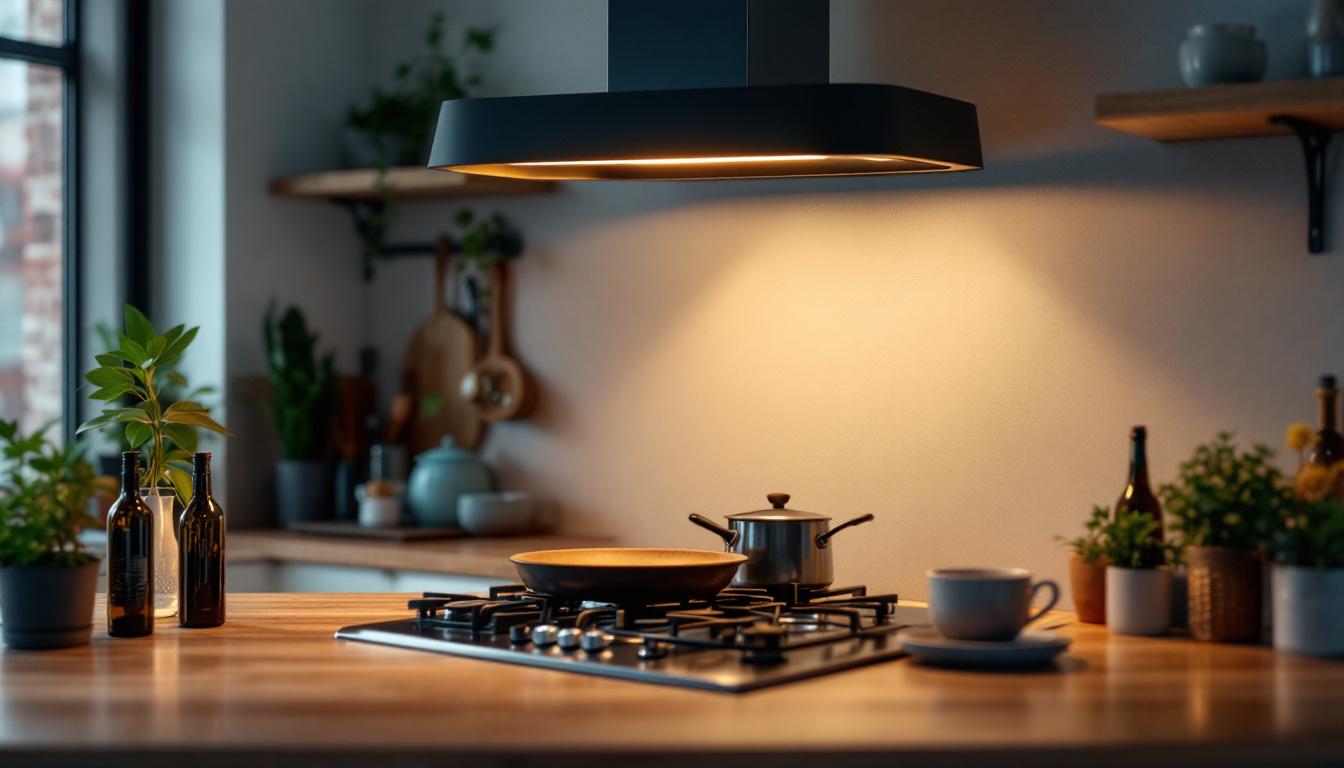
For lighting contractors, installing a light fixture above the stove is a task that requires both technical precision and an understanding of the kitchen environment. The stove is a focal point in any kitchen, where cooking activities demand clear visibility for safety and efficiency. Proper lighting enhances the cook’s ability to monitor food, manage heat levels, and maintain cleanliness, all while contributing to the overall ambiance of the space.
However, the challenges of lighting above the stove are unique. Contractors must consider heat resistance, moisture exposure, grease accumulation, and electrical safety. The fixture must be durable, easy to clean, and compliant with local electrical codes. Additionally, the light should provide sufficient brightness without causing glare or shadows that could hinder the cooking process.
Why Lighting Above the Stove Is Different from Other Kitchen Areas
Unlike general kitchen lighting, the area above the stove faces intense heat and airborne particles such as grease and steam. These factors can degrade standard fixtures quickly if they are not specifically designed for this environment. Moreover, the stove area often includes a range hood or ventilation system, which can influence fixture placement and wiring options.
Lighting contractors must balance aesthetics with functionality, ensuring that the fixture integrates seamlessly with the kitchen’s design while standing up to the rigors of daily cooking. This balance is crucial for customer satisfaction and long-term fixture performance. For instance, choosing materials that are both stylish and resilient, such as stainless steel or tempered glass, can enhance the kitchen’s overall look while ensuring longevity. Furthermore, the color temperature of the light can also play a significant role in creating a warm and inviting atmosphere, making the cooking experience more enjoyable.
Moreover, advancements in LED technology have opened up new possibilities for lighting above the stove. LEDs not only provide energy efficiency but also come in a variety of color temperatures and brightness levels, allowing homeowners to customize their cooking environment according to their preferences. Some modern fixtures even offer adjustable brightness settings, enabling cooks to switch from bright task lighting during meal prep to softer ambient lighting for a cozy family dinner. This versatility is increasingly important as kitchens evolve into multi-functional spaces where cooking, dining, and socializing all take place in one area.
Choosing the Right Type of Light Fixture for Above the Stove
Selecting the appropriate fixture is the foundation of a successful installation. There are several types of lighting options suitable for above-stove applications, each with distinct advantages and considerations.
Recessed Lighting
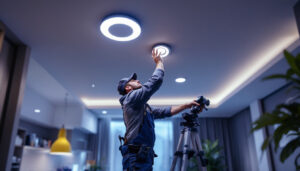
Recessed lights are a popular choice for above-stove lighting due to their sleek, unobtrusive design. These fixtures are installed flush with the ceiling or under cabinetry, minimizing exposure to grease and heat. High-quality recessed lights with sealed trims and damp or wet location ratings offer excellent durability.
Contractors should use LED recessed lights with a high Color Rendering Index (CRI) to ensure accurate color representation of food. Additionally, selecting fixtures with adjustable beam angles allows for focused illumination directly on the cooking surface. This feature is particularly beneficial when preparing intricate dishes, as it helps to highlight textures and colors, making the cooking process more enjoyable and visually appealing.
Under-Cabinet Lighting
When cabinetry is present above the stove, under-cabinet lighting provides direct, shadow-free illumination. LED strip lights or puck lights are common choices, offering energy efficiency and low heat emission. These fixtures are easy to install and maintain, making them ideal for retrofit projects.
It’s essential to use fixtures rated for high moisture and grease environments to prevent premature failure. Waterproof and grease-resistant housings extend fixture lifespan and reduce maintenance frequency. Furthermore, the warm glow of under-cabinet lighting can create a cozy ambiance in the kitchen, enhancing the overall cooking experience. By strategically placing these lights, homeowners can also illuminate countertops, making food preparation safer and more efficient.
Surface-Mounted Fixtures
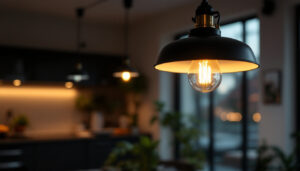
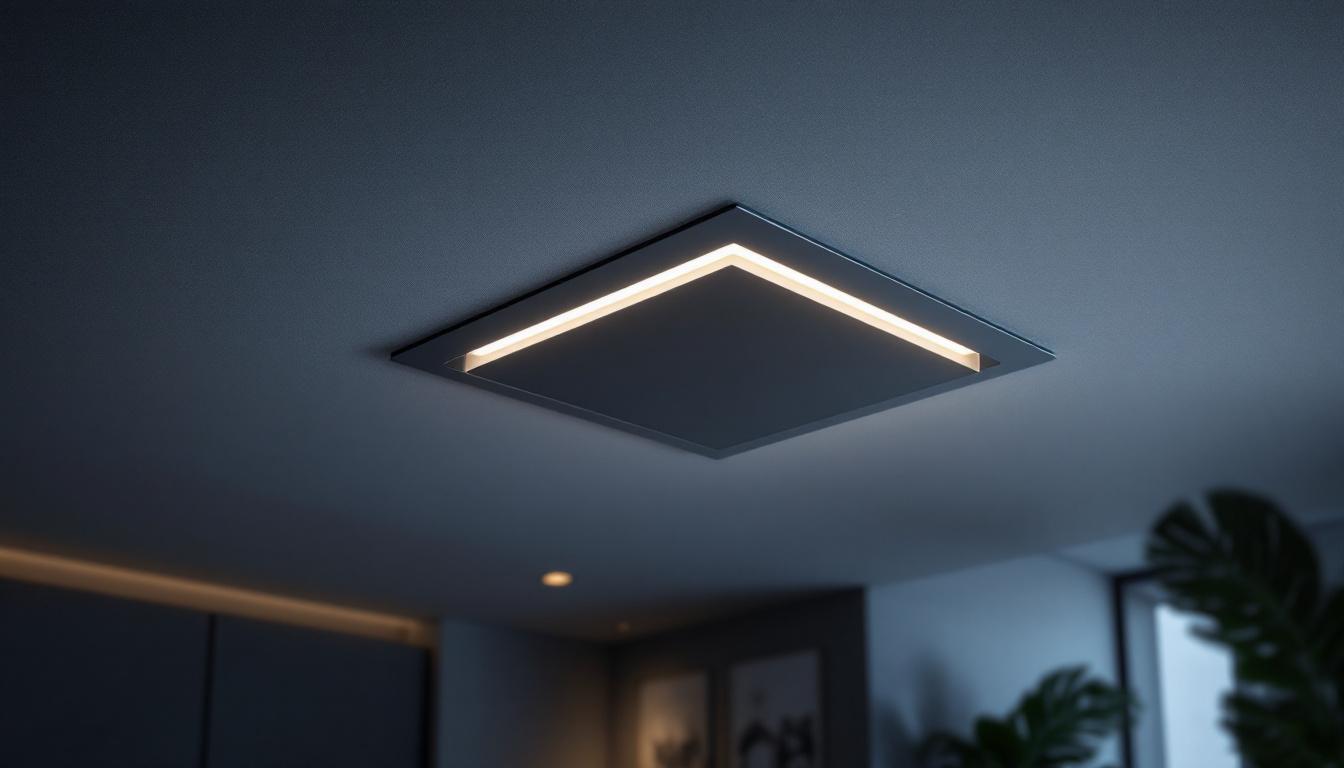
Surface-mounted fixtures, such as flush-mount or semi-flush mount lights, can be used when recessed or under-cabinet options are not feasible. These fixtures should be designed with heat-resistant materials and sealed enclosures to withstand kitchen conditions.
Contractors must ensure that these fixtures are positioned to avoid glare and shadows, which can impair visibility. Dimmable options provide flexibility in adjusting light levels based on cooking needs and time of day. Additionally, surface-mounted fixtures can serve as a design statement, with various styles available to complement kitchen decor. From modern minimalist designs to vintage-inspired options, the right surface-mounted light can enhance the aesthetic appeal of the kitchen while providing practical illumination for culinary tasks.
Technical Considerations for Installation
Proper installation is critical to ensure safety, functionality, and compliance with electrical codes. Lighting contractors should follow best practices tailored to the unique demands of stove-area lighting.
Heat and Moisture Resistance
Fixtures installed above the stove must be rated for damp or wet locations, depending on proximity to steam and moisture sources. Heat-resistant materials and components prevent damage from the stove’s radiant heat. Using fixtures with silicone gaskets and sealed lenses helps keep grease and moisture out of the electrical components.
Electrical Safety and Code Compliance
All wiring and fixture installations must comply with the National Electrical Code (NEC) or local regulations. This includes using appropriate circuit breakers, grounding, and junction boxes rated for kitchen environments. Contractors should verify that the fixture’s UL or ETL listing covers installation in kitchens and above cooking surfaces.
Additionally, when integrating lighting with range hoods, coordination with HVAC professionals may be necessary to ensure proper venting and electrical separation.
Wiring and Power Supply
Ensuring a reliable power supply is essential. Lighting contractors should assess the existing electrical infrastructure to determine if upgrades are needed to support the new fixture. Using LED fixtures reduces power consumption and heat output, which can simplify wiring requirements.
In some cases, installing a dedicated circuit for the stove lighting enhances safety and prevents overloads. Contractors should also consider the use of smart lighting controls or dimmers compatible with the fixture to provide user-friendly operation.
Maintenance and Longevity: Ensuring Lasting Performance
Long-term performance of light fixtures above the stove depends heavily on maintenance and initial product quality. Lighting contractors can offer valuable advice to clients on how to care for their fixtures and select products that minimize upkeep.
Cleaning and Upkeep
Grease and dust accumulation can reduce light output and damage fixtures over time. Selecting fixtures with smooth, non-porous surfaces and sealed designs makes cleaning easier. Clients should be advised to clean fixtures regularly with non-abrasive cleaners and avoid harsh chemicals that could degrade finishes or seals.
Replacing Bulbs and Components
LED fixtures generally have longer lifespans and lower maintenance requirements compared to incandescent or halogen bulbs. When replacements are necessary, contractors should recommend compatible bulbs and components to maintain fixture performance and safety.
Providing clients with clear documentation on replacement procedures and recommended products helps prevent improper maintenance that could void warranties or cause damage.
Case Studies: Successful Installations and Lessons Learned
Examining real-world examples provides valuable insights into effective methods and common pitfalls when installing light fixtures above stoves.
Case Study 1: High-End Residential Kitchen
In a luxury kitchen renovation, recessed LED fixtures with adjustable beam angles were installed above the stove. The contractor selected fixtures with IP65 ratings for moisture and grease resistance. The lighting was integrated with a smart home system, allowing the homeowner to adjust brightness and color temperature.
This installation demonstrated the importance of combining technical specifications with user-friendly controls. The client reported improved cooking visibility and satisfaction with the aesthetic integration.
Case Study 2: Commercial Kitchen Upgrade
A commercial kitchen required durable, high-output lighting above multiple cooking stations. Contractors installed surface-mounted LED fixtures with sealed enclosures and high CRI ratings. The fixtures were mounted in coordination with the ventilation system to prevent interference.
Regular maintenance schedules were established to clean fixtures and check electrical connections. This proactive approach minimized downtime and ensured compliance with health and safety regulations.
Lessons Learned
These cases highlight the necessity of selecting fixtures tailored to the environment, coordinating with other kitchen systems, and educating clients on maintenance. Lighting contractors who adopt a holistic approach deliver superior results and build long-term client trust.
Emerging Trends and Innovations in Stove-Area Lighting
Lighting technology continues to evolve, offering new opportunities for contractors to enhance stove-area illumination.
Smart Lighting Integration
Smart lighting systems enable remote control, scheduling, and scene setting, enhancing convenience and energy efficiency. Voice control and integration with kitchen appliances are becoming more common, allowing cooks to adjust lighting without interrupting their workflow.
Human-Centric Lighting
Advances in tunable white LEDs allow for adjustments in color temperature throughout the day, supporting circadian rhythms and improving comfort. This technology can reduce eye strain during long cooking sessions and create a more pleasant kitchen atmosphere.
Energy Efficiency and Sustainability
LED technology remains the standard for energy-efficient kitchen lighting. Contractors should prioritize fixtures with Energy Star certification and long lifespans to reduce environmental impact and operational costs.
Conclusion: Best Practices for Lighting Contractors
Installing a light fixture above the stove is a nuanced task that demands attention to environmental challenges, safety standards, and user needs. Lighting contractors who prioritize durable, code-compliant fixtures and thoughtful installation techniques will deliver superior results.
Key takeaways include selecting heat- and moisture-resistant fixtures, ensuring proper electrical safety, providing maintenance guidance, and staying informed about emerging technologies. By applying these proven methods, contractors can enhance kitchen functionality, safety, and aesthetics, ultimately satisfying clients and advancing their professional reputation.
Illuminate Your Projects with LumenWholesale
Ready to elevate your lighting installations with fixtures that meet the challenges of any kitchen environment? At LumenWholesale, we provide lighting contractors with the high-quality, spec-grade lighting solutions you need at unbeatable wholesale prices. Say goodbye to inflated markups and hello to a vast selection of reliable, high-performance lighting that ensures every project shines. Make the smart choice for your business and take advantage of our hassle-free bulk buying with free shipping. Discover the perfect blend of quality, affordability, and convenience. Visit us now for Wholesale Lighting at the Best Value and transform your lighting projects today.