Lighting contractors play a pivotal role in ensuring that residential and commercial spaces are well-lit, functional, and aesthetically pleasing. However, the complexities of lighting design and installation often lead to numerous questions. This article aims to address some of the most common queries that lighting contractors encounter, providing clarity and insights into the world of lighting.
Understanding Lighting Basics
What Are the Different Types of Lighting?
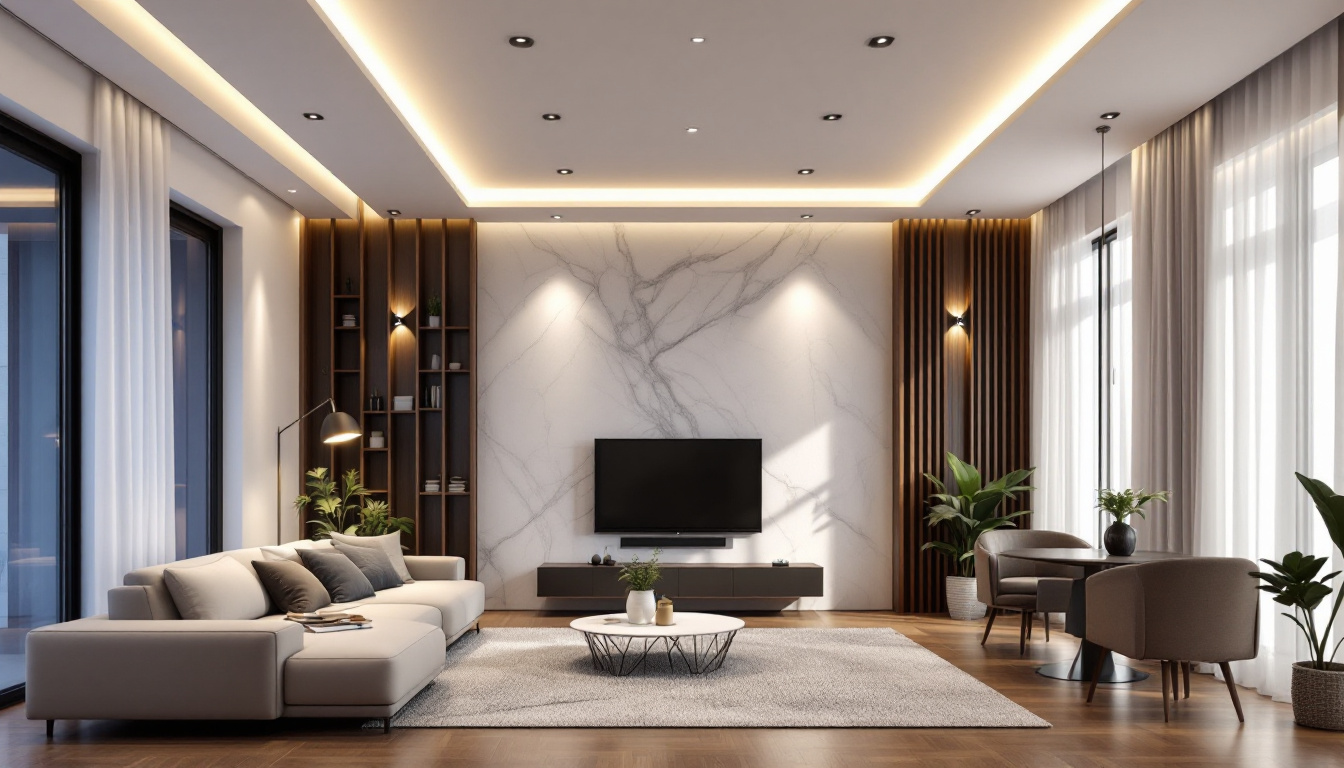
Lighting can be categorized into three primary types: ambient, task, and accent lighting. Ambient lighting serves as the general illumination of a space, creating a comfortable level of brightness without causing glare. Task lighting, on the other hand, focuses on specific areas where activities such as reading or cooking take place, ensuring adequate light for those tasks. Lastly, accent lighting is used to highlight particular features or objects, adding depth and interest to the overall design.
Each type of lighting plays a crucial role in creating a balanced and functional environment. Understanding the distinctions between these types allows contractors to design lighting solutions that cater to the specific needs of their clients. For instance, in a home office, a combination of ambient lighting from ceiling fixtures, task lighting from desk lamps, and accent lighting to highlight artwork can create a harmonious and productive workspace. Moreover, the strategic use of these lighting types can transform a room’s atmosphere, making it feel more inviting or energizing depending on the desired effect.
How Do I Choose the Right Bulbs?
Selecting the appropriate bulbs is essential for achieving the desired lighting effect. Factors such as color temperature, brightness, and energy efficiency should be considered. Color temperature, measured in Kelvin, determines whether a bulb emits a warm or cool light. For instance, bulbs with a lower Kelvin rating (around 2700K) produce a warm, inviting glow, while those with a higher rating (above 5000K) emit a cooler, more clinical light.
Brightness is measured in lumens, and the required lumen output can vary based on the space and its intended use. Additionally, energy efficiency is a significant consideration. LED bulbs, for example, are known for their longevity and low energy consumption, making them a popular choice among contractors. When selecting bulbs, it’s also important to consider the dimming capabilities and compatibility with existing fixtures, as this can greatly enhance the versatility of the lighting design. Furthermore, the choice of bulb can influence not only the aesthetic appeal of a space but also the mood it conveys; warmer tones can create a cozy atmosphere, while brighter, cooler tones can promote alertness and focus, especially in work environments.
Installation Considerations
What Are Common Installation Challenges?
Lighting installation can present various challenges, from electrical issues to design constraints. One common challenge is ensuring that the existing electrical infrastructure can support the new lighting system. Contractors must assess the load capacity of circuits and determine if upgrades are necessary.
Another challenge is navigating design elements such as ceiling height and architectural features. For instance, installing pendant lights in a room with high ceilings may require additional considerations for height and placement to ensure optimal lighting and aesthetic appeal.
How Do I Ensure Safety During Installation?
Safety is paramount in any lighting installation project. Contractors should adhere to local electrical codes and regulations, which provide guidelines for safe installation practices. This includes using appropriate wiring, ensuring proper grounding, and utilizing circuit breakers to prevent overloads.
Additionally, personal safety measures should not be overlooked. Wearing protective gear, using insulated tools, and working with a partner can significantly reduce the risk of accidents. Regular training on safety protocols is also beneficial for contractors to stay updated on best practices.
Designing Effective Lighting Solutions
How Do I Create a Lighting Plan?
Creating a comprehensive lighting plan involves several steps. First, assess the space and identify its purpose. Understanding how the space will be used helps determine the types of lighting needed and their placement. For instance, a kitchen may require brighter task lighting for cooking, while a living room may benefit from softer ambient lighting.
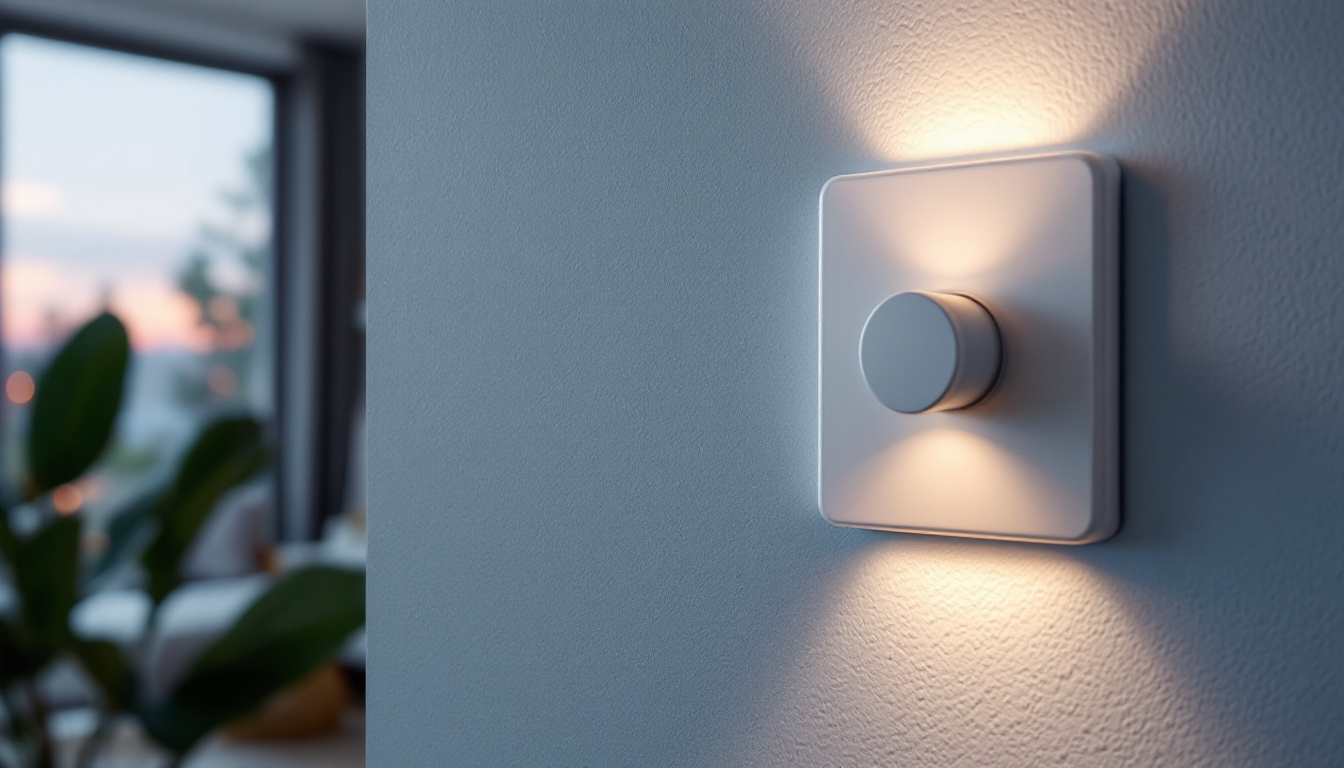
Next, consider the layout and architectural features of the space. This includes evaluating natural light sources and how they interact with artificial lighting. Finally, incorporate flexibility into the design. Dimmers and adjustable fixtures allow for varying light levels, making it easier to adapt the lighting to different activities and moods.
What Role Does Color Play in Lighting Design?
Color plays a vital role in lighting design, influencing both the functionality and ambiance of a space. The color of walls, furniture, and decor can significantly affect how light is perceived. For example, lighter colors tend to reflect more light, making a room feel brighter and more spacious, while darker colors can absorb light, creating a cozier atmosphere.
Furthermore, the choice of light color temperature can enhance or alter the perception of colors within a space. Warm light can make colors appear richer and more inviting, while cooler light can create a more sterile and modern feel. Understanding these nuances allows contractors to create harmonious and visually appealing environments.
Energy Efficiency and Sustainability
How Can I Make Lighting More Energy Efficient?
Incorporating energy-efficient lighting solutions is not only beneficial for the environment but also for clients looking to reduce their energy bills. One of the most effective ways to achieve this is by recommending LED lighting. LEDs use significantly less energy than traditional incandescent bulbs and have a longer lifespan, resulting in lower replacement costs over time.
Additionally, utilizing smart lighting systems can enhance energy efficiency. These systems allow for automated control of lighting based on occupancy and natural light levels, ensuring that lights are only used when necessary. Educating clients about the benefits of energy-efficient lighting is crucial for promoting sustainable practices in the industry.
What Are the Benefits of Using Smart Lighting?
Smart lighting offers numerous advantages that extend beyond energy efficiency. One of the most notable benefits is convenience. With smart lighting systems, users can control their lights remotely via smartphones or voice commands, allowing for easy adjustments without the need to physically interact with switches.
Moreover, smart lighting can enhance security. Automated lighting schedules can deter potential intruders by simulating occupancy, making homes appear lived-in even when residents are away. Additionally, many smart lighting systems offer customizable settings, enabling users to create specific moods or atmospheres for different occasions.
Client Communication and Expectations
How Do I Manage Client Expectations?
Effective communication is essential for managing client expectations throughout the lighting project. From the initial consultation to the final installation, keeping clients informed about timelines, costs, and potential challenges fosters trust and satisfaction.
Setting realistic expectations regarding the outcomes of the project is also crucial. Clients should understand that while lighting can significantly enhance a space, it may not resolve all design issues. Providing visual aids, such as sketches or mood boards, can help clients visualize the proposed lighting solutions and align their expectations with the final results.
What Should I Include in My Proposal?
A well-structured proposal is key to securing projects and ensuring clarity between contractors and clients. Essential components of a proposal should include a detailed scope of work, a breakdown of costs, and a timeline for completion. Additionally, including information about the types of fixtures and bulbs to be used can help clients understand the choices being made.
It is also beneficial to outline the benefits of the proposed lighting solutions. Highlighting energy efficiency, aesthetic improvements, and functionality can reinforce the value of the project and justify the costs involved. A comprehensive proposal not only demonstrates professionalism but also sets the stage for a successful working relationship.
Staying Updated in the Industry
How Can I Keep Up with Lighting Trends?
The lighting industry is constantly evolving, with new technologies and design trends emerging regularly. To stay informed, contractors should engage in continuous education. This can include attending industry conferences, participating in workshops, and subscribing to relevant publications.
Networking with other professionals in the field can also provide valuable insights into current trends and best practices. Online forums and social media groups dedicated to lighting design can serve as platforms for sharing knowledge and experiences, further enhancing a contractor’s expertise.
What Resources Are Available for Professional Development?
Numerous resources are available for lighting contractors seeking professional development. Online courses and certification programs can deepen knowledge in specific areas, such as energy efficiency or advanced lighting design techniques. Many industry organizations offer training sessions and resources tailored to contractors, helping them stay competitive in the market.
Additionally, manufacturers often provide training on their products, ensuring that contractors are well-versed in the latest technologies and installation methods. Taking advantage of these resources can lead to improved skills and a better understanding of the evolving landscape of lighting design.
Conclusion
Lighting contractors face a myriad of questions and challenges in their profession. By understanding the fundamentals of lighting, installation considerations, design principles, and the importance of energy efficiency, contractors can provide exceptional service to their clients. Effective communication and ongoing professional development are also crucial for success in this dynamic industry.
As the lighting landscape continues to evolve, staying informed and adaptable will empower contractors to meet the diverse needs of their clients while enhancing their own expertise. Embracing these principles will not only lead to successful projects but also foster lasting relationships with clients, ultimately contributing to a thriving business.
Illuminate Your Projects with LumenWholesale
Ready to elevate your lighting projects with the best in spec-grade lighting products? Look no further than LumenWholesale for unbeatable wholesale prices that outshine the competition. Our commitment to quality, affordability, and convenience ensures that you receive high-performance lighting solutions tailored to your needs. With free shipping on bulk orders, you can trust that you’re getting premium value without any hidden costs. Make the smart choice for your business and experience the LumenWholesale difference today.