Why Choosing the Right Light Bulb Matters for Recessed Lighting
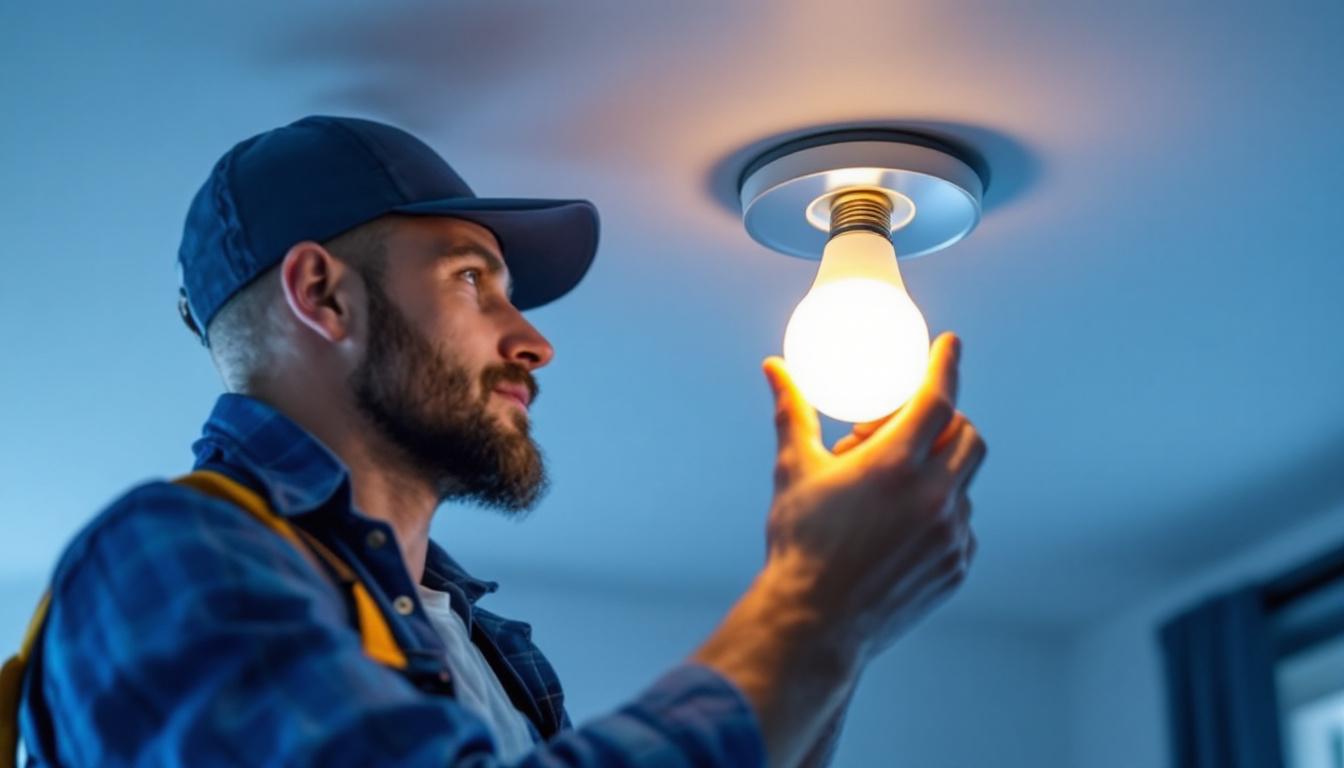
Recessed lighting has become a staple in both residential and commercial projects. Its sleek, unobtrusive design allows ceilings to remain clean and open, while providing ample illumination. However, the impact of recessed lighting hinges heavily on the choice of light bulb. For lighting contractors, selecting the right bulb is not just about brightness or energy savings-it’s about ensuring longevity, safety, and client satisfaction.
Many contractors underestimate how much the bulb affects the overall performance of recessed fixtures. An incompatible bulb can lead to overheating, reduced lifespan, or uneven lighting. On the other hand, the right bulb enhances the fixture’s efficiency, reduces maintenance calls, and elevates the aesthetic appeal of the space.
In addition to brightness and energy efficiency, the color temperature of the bulb plays a crucial role in setting the mood of a room. Warm white bulbs (around 2700K) create a cozy, inviting atmosphere, making them ideal for living rooms and bedrooms, while cooler white bulbs (5000K and above) are better suited for workspaces and kitchens, where clarity and focus are essential. Moreover, the color rendering index (CRI) of a bulb is another important factor; a higher CRI means that colors appear more vibrant and true to life, which is particularly beneficial in areas where color accuracy is paramount, such as art studios or retail spaces.
Furthermore, the type of bulb, whether LED, halogen, or incandescent, can significantly influence energy consumption and heat output. LED bulbs, for instance, are known for their longevity and low heat emission, making them a safe and sustainable choice for recessed lighting. They can last up to 25,000 hours compared to traditional incandescent bulbs, which may only last around 1,000 hours. This not only reduces the frequency of replacements but also contributes to lower energy bills, making them an attractive option for both contractors and clients looking to make environmentally conscious decisions.
Understanding the Types of Light Bulbs Suitable for Recessed Fixtures
LED Bulbs: The Industry Standard
LED technology has revolutionized recessed lighting. LEDs consume significantly less energy than incandescent or halogen bulbs, often using up to 80% less power. For contractors, this translates into easier compliance with energy codes and happier clients due to reduced electricity bills.
Beyond energy efficiency, LEDs generate less heat. This is critical in recessed lighting where heat buildup can damage the fixture or ceiling material. LEDs also offer a variety of color temperatures, enabling contractors to tailor lighting to the mood or function of the space—from warm, cozy tones to bright, daylight-like illumination. Furthermore, the longevity of LED bulbs, often lasting up to 25,000 hours or more, means less frequent replacements, which is a significant advantage for both contractors and homeowners alike. This durability not only reduces maintenance costs but also minimizes waste, aligning with sustainable building practices that are increasingly valued in today’s market.
Halogen and Incandescent Bulbs: When Are They Still Relevant?
While LEDs dominate the market, halogen and incandescent bulbs still have niche applications. Halogen bulbs provide excellent color rendering, which is essential in spaces where true color representation is critical, such as art galleries or retail environments. However, they run hotter and consume more energy, which can be a drawback in recessed fixtures with limited ventilation. Additionally, halogen bulbs have a shorter lifespan compared to LEDs, typically lasting around 2,000 hours, which can lead to more frequent replacements and increased costs over time.
Incandescent bulbs are largely being phased out due to inefficiency and short lifespan, but some contractors encounter them in retrofit projects. Understanding their limitations helps contractors advise clients on when an upgrade to LED is beneficial. In certain historic or vintage settings, the warm glow of incandescent light may be preferred for aesthetic reasons, making it essential for contractors to balance energy efficiency with the desired ambiance. Moreover, the tactile experience of dimming incandescent bulbs can be appealing, as they provide a smooth transition in brightness that some clients may find lacking in newer technologies.
CFL Bulbs: A Transitional Technology
Compact Fluorescent Lamps (CFLs) were once the go-to energy-saving option before LEDs took over. They offer better efficiency than incandescent bulbs but contain mercury, which raises disposal concerns. CFLs also take time to reach full brightness, which can be inconvenient in certain applications. Contractors should weigh these factors when considering CFLs for recessed lighting. Despite their drawbacks, CFLs can still be a viable option in scenarios where the initial cost is a significant concern, as they are typically less expensive than LEDs.
Moreover, CFLs come in a variety of shapes and sizes, making them versatile for different recessed applications. Some models are designed to fit standard fixtures, while others offer unique designs for more specialized lighting needs. However, as the industry continues to shift towards more sustainable options, it is crucial for contractors to stay informed about advancements in lighting technology and the evolving preferences of clients. This knowledge will empower them to make recommendations that not only meet current standards but also anticipate future trends in energy-efficient lighting solutions.
Key Specifications Lighting Contractors Must Evaluate
Wattage and Lumens: Balancing Brightness and Energy Use
Wattage indicates power consumption, while lumens measure brightness. For recessed lighting, lumens are the more important metric. A bulb with higher lumens provides brighter light without necessarily consuming more energy if it’s an LED. Contractors need to match lumens to the room’s size and function to avoid under- or over-lighting.
Color Temperature: Setting the Right Ambiance
Measured in Kelvins (K), color temperature affects how a space feels. Lower Kelvin values (2700K-3000K) produce warm, inviting light ideal for living rooms and bedrooms. Mid-range (3500K-4100K) suits kitchens and workspaces, while higher temperatures (5000K-6500K) mimic daylight, perfect for task lighting or commercial settings.
Contractors should discuss color temperature preferences with clients, especially since it influences mood and productivity. Offering samples or demonstrating different temperatures can help clients make informed decisions.
Beam Angle: Directing Light Where It’s Needed
Recessed lighting often serves as accent or task lighting, so beam angle matters. Narrow beam angles (15°-30°) create focused spots, ideal for highlighting artwork or architectural features. Wider angles (60° or more) provide general illumination. Selecting the correct beam angle ensures light is distributed efficiently without glare or dark spots.
Dimmability and Compatibility
Many clients want dimmable recessed lighting for flexibility. Not all bulbs are compatible with dimmers, especially older models. LEDs require specific dimmers designed for their technology. Lighting contractors must verify bulb and dimmer compatibility to avoid flickering or reduced bulb life.
Installation Considerations and Safety Factors
Heat Management and Fixture Compatibility
Recessed fixtures can trap heat, so bulbs with low heat output are preferable. LEDs excel here, but contractors must still ensure the fixture is rated for the bulb type. Some recessed housings are IC-rated (insulation contact), meaning they can safely touch insulation without risk of fire. Using a non-IC-rated fixture with an incompatible bulb can cause overheating and hazards.
Size and Shape Constraints
Recessed fixtures come in various sizes, often requiring specific bulb shapes like BR30, PAR30, or MR16. The bulb must fit comfortably without touching the fixture’s sides, which could cause heat issues or reduce lifespan. Contractors should measure fixture dimensions carefully and select bulbs accordingly.
Moisture and Outdoor Use
Bathrooms, kitchens, and outdoor soffits often use recessed lighting exposed to moisture. Bulbs and fixtures need appropriate ratings such as damp or wet location listings. Using the wrong bulb can lead to corrosion, electrical failures, or safety risks. Lighting contractors must prioritize these ratings during product selection.
How Modern Light Bulbs Are Changing Contractor Workflows
Reduced Maintenance and Callbacks
LED bulbs can last up to 25,000 hours or more, drastically reducing the frequency of replacements. This longevity means fewer service calls for contractors, freeing up time and resources. Clients appreciate the reliability, which enhances contractor reputation and referral potential.
Energy Code Compliance and Incentives
Energy efficiency regulations are tightening across many regions. Using LED bulbs in recessed lighting helps contractors meet or exceed these codes without complicated workarounds. Additionally, many utilities offer rebates or incentives for installing energy-efficient lighting, which contractors can leverage to provide added value to clients.
Streamlining Inventory and Ordering
Standardizing on a few versatile LED bulb types simplifies inventory management. Contractors can reduce the variety of bulbs they stock, minimizing storage needs and ordering complexity. This efficiency translates to cost savings and faster project turnaround times.
Future Trends Lighting Contractors Should Watch
Smart Lighting Integration
Smart recessed bulbs that connect to home automation systems are gaining popularity. These bulbs offer features like color tuning, scheduling, and remote control. Contractors who understand smart lighting can offer clients cutting-edge solutions that enhance convenience and energy management.
Improved Color Rendering and Tunability
Advancements in LED technology are closing the gap with natural light. High CRI (Color Rendering Index) bulbs provide truer colors, crucial for retail, hospitality, and art spaces. Tunable white bulbs allow users to adjust color temperature throughout the day, promoting well-being and productivity.
Wireless and Low-Voltage Solutions
Wireless controls and low-voltage LED systems simplify installation in retrofit projects or challenging spaces. Contractors can retrofit recessed lighting without extensive rewiring, reducing labor costs and disruption.
Conclusion: Elevating the Craft with the Right Light Bulb Choice
For lighting contractors, the light bulb is more than a commodity-it’s a tool that can make or break a project’s success. Understanding the nuances of bulb types, specifications, and installation requirements empowers contractors to deliver superior results. The shift toward LED technology and smart lighting solutions continues to transform workflows, improve client satisfaction, and open new business opportunities.
Choosing the right light bulb for recessed lighting is a strategic decision that impacts safety, aesthetics, efficiency, and long-term maintenance. Contractors who master this aspect will stand out in a competitive market and build lasting client relationships.
Discover Unmatched Lighting Solutions with LumenWholesale
Ready to elevate your lighting projects with the best bulbs in the industry? Look no further than LumenWholesale, where we offer an exceptional range of spec-grade lighting products at wholesale prices that simply can’t be beaten. Say goodbye to local distributor markups and hello to high-quality, reliable lighting that meets the most stringent industry standards. With LumenWholesale, bulk buying is a breeze, thanks to our free shipping policy that ensures you get the premium lighting you need at the best value—without any hidden fees. Make the strategic choice for your recessed lighting needs and experience the perfect blend of quality, affordability, and convenience with LumenWholesale.