Introduction: The Rising Demand for LED Strip Lighting in Kitchens
In the competitive world of lighting contracting, staying ahead requires embracing innovative solutions that meet both aesthetic and functional demands. One such solution that has become indispensable is LED strip lighting for kitchen cabinets. This lighting technique not only enhances the visual appeal of kitchens but also offers practical benefits that appeal to homeowners and designers alike.
Kitchen renovations and new builds increasingly prioritize lighting that complements modern cabinetry, creating inviting and efficient spaces. LED strip lights have emerged as a go-to choice, providing contractors with a versatile tool that elevates their projects and client satisfaction. Understanding the nuances of LED strip lighting, including installation techniques, product selection, and design considerations, is essential for contractors aiming to excel in this niche.
Moreover, the energy efficiency of LED strip lighting cannot be overstated. Unlike traditional incandescent bulbs, LEDs consume significantly less power while providing the same, if not superior, brightness. This not only reduces energy bills for homeowners but also aligns with growing environmental concerns, making LED options an attractive choice for eco-conscious clients. Additionally, the longevity of LED strips—often lasting up to 25,000 hours—means less frequent replacements and lower maintenance costs, further enhancing their appeal in kitchen design.
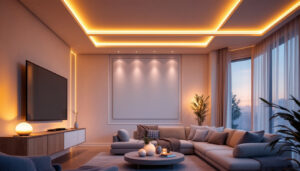
Another compelling aspect of LED strip lighting is its adaptability to various kitchen styles and layouts. Whether it’s a sleek, modern kitchen with minimalist cabinetry or a rustic space featuring traditional wood finishes, LED strips can be customized in terms of color temperature and brightness to suit any design aesthetic. Furthermore, the ability to integrate smart home technology with LED strip lighting allows users to control their kitchen ambiance with ease, adjusting settings via smartphone apps or voice commands. This fusion of technology and design not only enhances the functionality of the kitchen but also creates a more personalized cooking and dining experience.
Why LED Strip Lights Are a Game-Changer for Kitchen Cabinets
Energy Efficiency and Longevity
One of the primary reasons LED strip lights have gained popularity is their superior energy efficiency. Compared to traditional incandescent or fluorescent lighting, LEDs consume significantly less power while delivering bright, consistent illumination. For lighting contractors, this translates into solutions that appeal to environmentally conscious clients and those looking to reduce utility costs.
Moreover, LED strip lights boast an impressive lifespan, often exceeding 50,000 hours. This longevity reduces maintenance calls and enhances client satisfaction, positioning contractors as providers of durable, cost-effective lighting solutions. The reduced frequency of replacements not only saves money but also minimizes waste, making LED technology a more sustainable choice in the long run. As more homeowners become aware of their carbon footprint, the demand for energy-efficient solutions like LED strip lights continues to rise, making them an increasingly attractive option for modern kitchens.
Design Flexibility and Customization
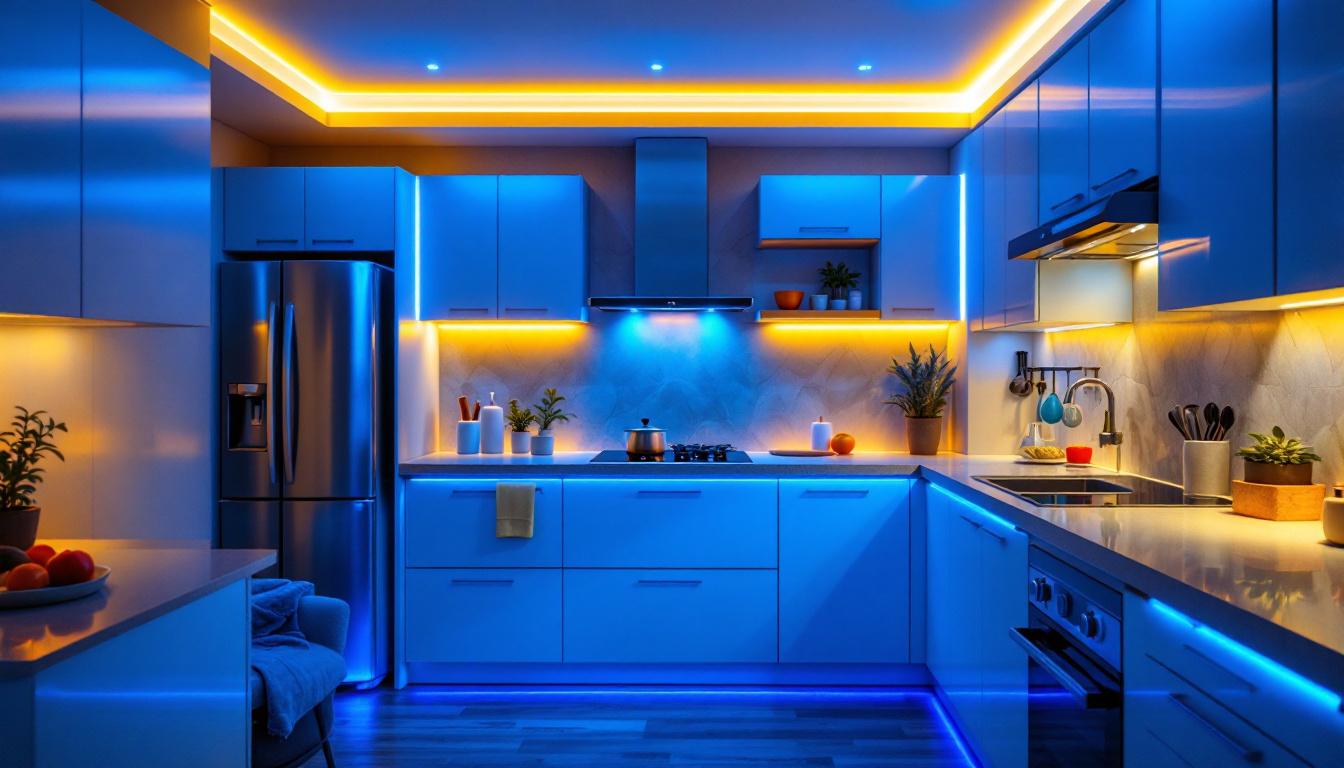
LED strip lights offer unparalleled flexibility in design. Their slim profile allows them to be discreetly installed under or inside kitchen cabinets, creating ambient or task lighting without cluttering the space. Contractors can customize lengths, colors, and brightness levels to suit various cabinet styles and client preferences.
Additionally, advancements in LED technology have introduced tunable white and RGB options, enabling dynamic lighting effects that can change mood and functionality. This versatility empowers contractors to deliver tailored lighting schemes that elevate the kitchen environment. For instance, a warm white light can create a cozy atmosphere for family gatherings, while cooler tones can enhance focus during meal prep. The ability to adjust lighting not only enhances aesthetic appeal but also contributes to a more functional workspace, allowing homeowners to adapt their kitchen lighting to different activities throughout the day.
Improved Safety and Functionality
Properly illuminated kitchen cabinets enhance safety by reducing shadows and improving visibility during food preparation. LED strip lights provide consistent, glare-free lighting that minimizes eye strain and accidents. For contractors, emphasizing these functional benefits helps in communicating the value of LED solutions to clients focused on practical improvements.
Furthermore, the low heat emission of LED lights significantly reduces the risk of burns or fire hazards, making them a safer choice for kitchen environments where heat is a concern. This aspect is particularly important in homes with children or pets, where safety is a top priority. By integrating LED strip lights into kitchen designs, contractors not only enhance the aesthetic appeal but also promote a safer cooking environment, giving clients peace of mind while they enjoy their culinary adventures.
Key Considerations for Lighting Contractors When Installing LED Strip Lights
Choosing the Right LED Strip Lights
Selecting the appropriate LED strip lights is crucial for achieving optimal results. Contractors should consider factors such as color temperature, brightness (measured in lumens), and IP rating, especially in kitchens where moisture and heat are present. For example, strips with a color temperature between 2700K and 3000K provide warm, inviting light, while cooler temperatures (4000K to 5000K) offer a more modern, crisp look.
Brightness should be sufficient to illuminate work surfaces without being overpowering. Additionally, waterproof or moisture-resistant strips are recommended for areas near sinks or stoves to ensure durability. It’s also important to consider the color rendering index (CRI) of the LED strips, as a higher CRI (above 90) will ensure that colors appear more vibrant and true to life, which is particularly beneficial in spaces where food preparation and presentation occur.
Power Supply and Wiring Best Practices
Efficient and safe power supply installation is fundamental. Lighting contractors must select power supplies that match the voltage and wattage requirements of the LED strips. Using dimmable drivers can add functionality, allowing clients to adjust lighting intensity according to their needs. Furthermore, it’s essential to account for the total wattage of all connected strips to avoid overloading the power supply, which can lead to flickering lights or even failure.
Proper wiring techniques, including secure connections and adherence to electrical codes, are essential to prevent hazards and ensure longevity. Concealing wiring within cabinetry or walls enhances the finished look and protects components from damage. Additionally, labeling wires and connections can simplify future maintenance or upgrades, making it easier for both contractors and clients to troubleshoot issues or expand their lighting systems down the line.
Installation Techniques for Maximum Impact
Successful installation involves more than just affixing the strips; it requires strategic placement to maximize illumination and aesthetics. Common locations include under cabinet lips, inside glass-front cabinets, and along toe kicks. Each placement serves different purposes, from task lighting to accentuating cabinetry features. For instance, placing LED strips inside cabinets can create a stunning display for dishware or collectibles, while toe kick lighting adds a subtle glow that enhances safety during nighttime navigation.
Lighting contractors should also consider diffusion methods, such as using frosted acrylic covers, to soften light and prevent hotspots. This attention to detail distinguishes professional installations and contributes to client satisfaction. Moreover, incorporating smart lighting controls can elevate the user experience, allowing clients to customize their lighting scenes for various occasions, from bright task lighting during meal prep to a soft, ambient glow for entertaining guests. By embracing these innovative techniques, contractors can ensure that their installations not only meet functional needs but also enhance the overall atmosphere of the space.
Trends and Innovations Influencing LED Strip Lighting in Kitchens
Smart Lighting Integration
The integration of LED strip lights with smart home systems is transforming kitchen lighting. Contractors who incorporate smart controllers and compatible LED strips enable clients to control lighting via smartphones, voice assistants, or automated schedules. This convenience and customization appeal to tech-savvy homeowners and add value to contractor services.
Human-Centric Lighting
Human-centric lighting focuses on adjusting light characteristics to support natural circadian rhythms and improve wellbeing. LED strip lights with tunable white capabilities allow contractors to create lighting schemes that shift from bright, cool light during the day to warmer tones in the evening, enhancing comfort and health in the kitchen environment.
Eco-Friendly and Sustainable Solutions
With increasing emphasis on sustainability, contractors are prioritizing LED products that are recyclable and manufactured with environmentally responsible processes. Promoting these green credentials can differentiate contractors in a crowded market and align with client values.
Case Studies: Successful LED Strip Lighting Projects in Kitchens
Modern Minimalist Kitchen Enhancement
A lighting contractor recently transformed a minimalist kitchen by installing cool white LED strips under floating cabinets and inside open shelving. The subtle illumination highlighted the clean lines and created a floating effect, enhancing the modern aesthetic. The client appreciated the energy savings and the enhanced ambiance, leading to referrals and repeat business for the contractor.
Traditional Kitchen with Warm Accent Lighting
In a traditional kitchen renovation, warm white LED strip lights were installed inside glass-front cabinets to showcase fine china and decorative pieces. The lighting contractor carefully selected dimmable strips with a 2700K color temperature to complement the wood tones and create a cozy atmosphere. This project demonstrated how LED strip lighting can blend with classic designs while adding modern functionality.
Conclusion: Elevating Contractor Success with LED Strip Lights
LED strip lights for kitchen cabinets represent a powerful tool for lighting contractors seeking to enhance their service offerings. Their energy efficiency, design flexibility, and functional benefits align perfectly with current market demands and client expectations. By mastering product selection, installation techniques, and emerging trends, contractors can deliver superior results that drive client satisfaction and business growth.
As kitchens continue to be focal points in homes, the role of innovative lighting solutions like LED strip lights will only grow. Lighting contractors who invest in understanding and applying these technologies position themselves as leaders in the industry, unlocking new opportunities for success.
Get Your Premium LED Strip Lights at LumenWholesale
Ready to elevate your lighting projects with the efficiency and elegance of LED strip lights? Look no further than LumenWholesale for all your lighting needs. Our extensive selection of spec-grade lighting products ensures you have access to the best quality at wholesale prices, giving you the competitive edge in the industry. Say goodbye to middleman markups and hello to hassle-free bulk buying with free shipping. Don’t compromise on quality or value; choose LumenWholesale for lighting solutions that blend reliability with affordability. Wholesale Lighting at the Best Value is just a click away. Enhance your service offerings and delight your clients with the superior performance of our LED strip lights today.